
Discover Iconic US Destinations Reborn Through Celebrity Tourism Power

Updated
Published
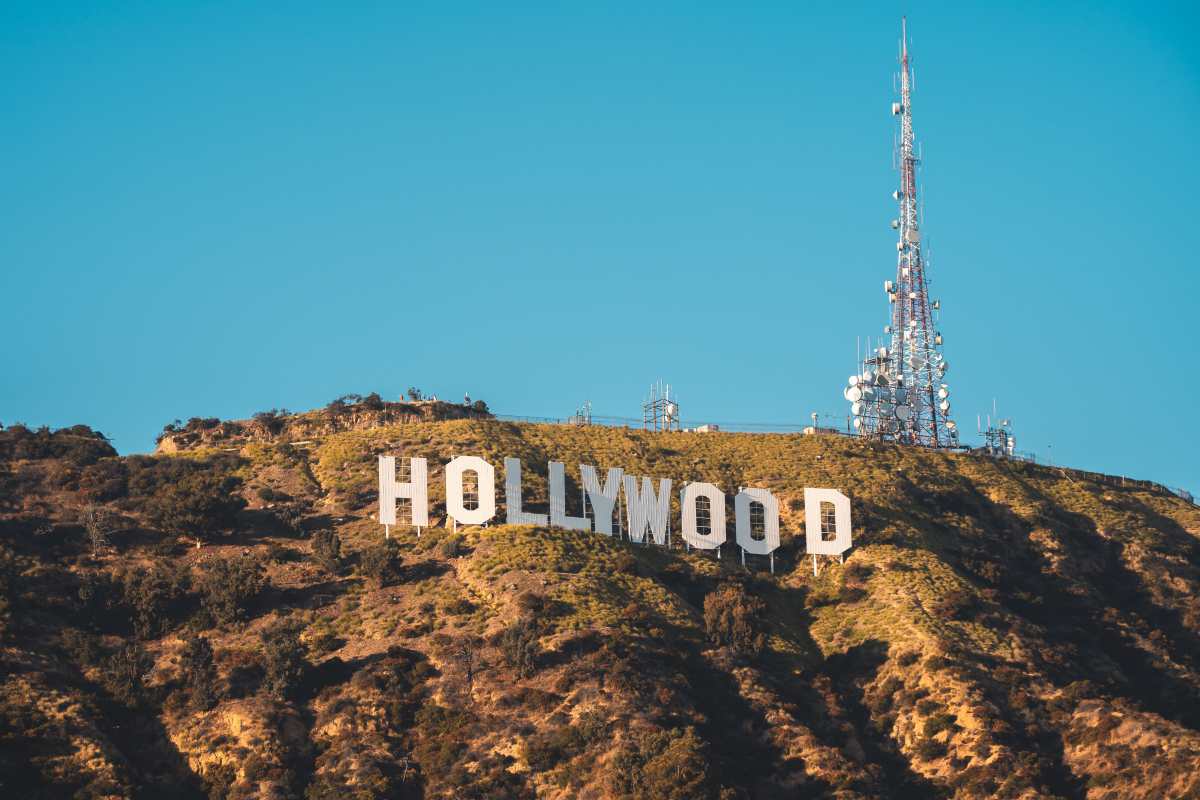
Today, the attraction of celebrity influence reaches far beyond red carpets and streaming queues, fundamentally reshaping the economic and geographical landscapes of the United States. Modern travellers have evolved to look for immersive, story-driven experiences and locations intimately tied to iconic public figures, blockbuster movie scenes and high-profile migrations have become major engines of regional tourism. To comprehend this phenomenon, one must examine the role of pop culture as an economic engine, transforming sleepy rural towns and forgotten industrial pockets into thriving global hotbeds. The US Travel Association has put together new data indicating that domestic and international travellers spend billions of dollars every year in regional economies inspired by the settings they see in the media and the stars they see in the spotlight.
These changing patterns can also be relevant for today’s travellers and planners/strategists in the tourist industry to understand how to deal with tourism trends today. Celebrity tourism, propelled by the bucolic charm of cinematic ranches or the glitzy seaside retreats of Hollywood royalty, is as much a part of the ongoing economic development landscape as it is a fad. This sweeping survey looks at the specific locations across America that have been profoundly changed in extraordinary ways by the impact of legendary figures and cultural forces.
The Montana Phenomenon: Cinematic Landscapes and Western Revival
Few geographical transformations in recent memory match the astonishing tourism renaissance experienced by the state of Montana. Long celebrated for its rugged wilderness and pristine national parks, the region witnessed an unprecedented surge in visitor volume catalyzed by high-profile television productions and the public migration of prominent entertainment figures to rural ranches. As acclaimed directors and Hollywood actors established sprawling estates across the Bitterroot Valley, public fascination with the American West reached historic heights.
State tourism boards reported record-breaking visitor metrics following the broadcast of serialized dramas set against backdrop vistas of Montana’s high country. Local municipalities experienced a dramatic influx of hospitality investments, ranging from luxury eco-lodges to boutique outfitters offering authentic ranch experiences. Furthermore, data from the Montana Department of Commerce highlights that non-resident traveller spending surged significantly, providing vital financial support to small-scale enterprises, artisan markets, and heritage conservation projects. This phenomenon underscores how the romanticized lifestyle portrayed by prominent cultural icons can successfully revitalize rural infrastructure and preserve regional heritage.
Advertisement
Advertisement
Coastal Glamour: How Celebrity Estates Shape New England and California Hotspots
Moving from the rugged mountains to coastal enclaves, the coastal corridors of the United States demonstrate an equally profound relationship between celebrity residency and tourism growth. Historic coastal towns in Massachusetts, Rhode Island, and scenic pockets of coastal California have long served as seasonal sanctuaries for America’s elite. However, the modern era of social media transparency and digital lifestyle journalism has turned these private retreats into aspirational pilgrimage sites for cultural tourists.
When high-profile musicians, tech moguls, and award-winning actors acquire historic properties in destinations such as Martha’s Vineyard, Nantucket, or coastal Big Sur, the resulting media coverage generates immediate global visibility. Local tourism boards have observed that heritage walking tours, high-end culinary tourism, and boutique hospitality bookings increase exponentially in districts associated with these iconic figures. According to economic impact assessments published by regional tourism councils, celebrity-adjacent coastal towns enjoy extended tourist seasons, mitigating the traditional economic volatility associated with purely seasonal beach economies.
Advertisement
Advertisement
Music City’s Modern Crescendo: Nashville and the Artist-Driven Boom
In the American South, the city of Nashville, Tennessee, offers a quintessential case study in how musical royalty and cultural icons construct a thriving tourism ecosystem. While Music City has historically drawn enthusiasts of country and blues heritage, the past decade has witnessed a meteoric rise in visitor volume propelled by superstar musicians establishing entrepreneurial hubs, restaurants, and entertainment complexes throughout the downtown district.
Superstars spanning pop, rock, and country genres have invested heavily in Broadway thoroughfares, creating immersive brand experiences that attract millions of tourists annually. The Nashville Convention & Visitors Corp reports staggering economic milestones, with tourism supporting tens of thousands of local jobs and generating record tax revenues for public infrastructure. Visitors are no longer passive observers of musical history; instead, they actively participate in a living, breathing celebrity culture where dining establishments, boutique hotels, and performance venues are directly curated by reigning icons of the American music industry.
Advertisement
Advertisement
The Desert Oasis Effect: Palm Springs and the Golden Age of Icon Retreats
No examination of American celebrity tourism is complete without analyzing the enduring legacy of Palm Springs, California. Originally established as a desert hideaway for mid-century Hollywood legends seeking privacy away from studio cameras, the Coachella Valley has evolved into an international mecca for architectural tourism, music festivals, and luxury leisure.
The historical presence of mid-century cinematic icons cemented the desert city’s reputation as a glamorous sanctuary. Today, municipal tourism authorities leverage this rich heritage to attract architecture enthusiasts, design historians, and festival-goers from across the globe. The annual preservation festivals celebrating desert modernist architecture, alongside massive global music festivals headlined by premier contemporary artists, ensure that Palm Springs maintains a robust year-round visitor economy. Economic analyses confirm that heritage tours of former celebrity residences remain among the highest-rated attractions, proving that the historical footprint of iconic personalities provides enduring economic dividends for decades.
Navigating the Future of Star-Driven Exploration
The symbiotic relationship between American celebrities and the emergent regional tourism is evidence of the powerful economic agency of cultural narratives. From the snow-capped peaks of Montana to the sun-drenched architectural marvels of Palm Springs, iconic personalities and blockbuster media settings still inspire millions of travellers to explore the diverse tapestry of the United States. The star power economy will probably remain a major player in the future of travel as local governments and tourism boards continue collaborating with creative industries in promoting regional heritage.
Advertisement
