 Somudranil Sarkar Somudranil Sarkar
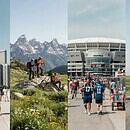
Image generated with Ai
A large-scale transformation of public leisure infrastructure has been completed as Asir region tourism development, Saudi Arabia summer tourism infrastructure, and Abha visitor growth 2026 have been strongly reinforced through the operational launch of 671 public parks and gardens across the Asir Region.
As of June 2026, verified operational readiness has been achieved for an extensive network of municipal parks, marking one of the most ambitious green infrastructure deployments in the Kingdom. This development has been supported by more than 1,500 field and technical teams working across urban and rural zones to ensure full readiness ahead of the peak summer tourism season.
The initiative has been strategically designed to accommodate an expected influx of more than 3 million visitors, positioning Abha and the wider Asir highlands as one of the most important seasonal tourism destinations in the Middle East.
A significant boost to tourism mobility has been delivered through the expanded operational capacity of Abha International Airport, which is expected to handle approximately 10,000 flights and more than 1.8 million seats between June and August 2026.
Advertisement
Advertisement
This surge in air traffic has been directly linked to rising demand for highland tourism, cooler summer climates, and expanded leisure travel routes connecting Saudi Arabia with neighbouring Gulf countries.
The Abha International Airport expansion 2026, Saudi Arabia aviation tourism growth Asir region, and GCC summer flight connectivity Abha hub have been identified as key drivers of increased regional mobility.
The airport has strengthened its connectivity through active year-round routes linking Dubai and Muscat, alongside newly introduced seasonal summer routes connecting Qassim, Kuwait, and Trabzon. This expanded network has significantly enhanced accessibility to the Asir region from both regional and international markets.
The rollout of 671 municipal parks and green spaces has been positioned as a cornerstone of the region’s tourism readiness strategy. These parks have been upgraded with enhanced recreational, leisure, and sports facilities designed to accommodate high visitor volumes during the summer peak period.
The Asir public parks development 2026, Saudi Arabia green tourism infrastructure, and Abha recreational spaces expansion have played a central role in shaping a more diversified tourism offering.
These upgraded spaces are expected to support family tourism, outdoor recreation, and community engagement activities, while also providing relief from the high temperatures experienced in other parts of the region.
The integration of sports zones, landscaped gardens, and leisure areas has been designed to enhance the visitor experience and extend average tourist stay durations.
A modern digital transformation layer has been introduced through the deployment of an interactive mapping system developed by the Asir Region Development Authority. This platform allows visitors to navigate more than 100 cultural, artistic, and sporting events scheduled throughout the summer season.
The Asir digital tourism platform 2026, Saudi Arabia smart tourism navigation system, and Abha cultural events digital guide have been implemented to improve accessibility and visitor engagement.
This technological integration has been designed to streamline tourist movement across key attractions, reduce congestion, and provide real-time updates on events and activities across the region.
The combination of physical infrastructure upgrades and digital innovation has positioned Asir as a model for integrated tourism development in the Kingdom.
Several key cultural and heritage sites have been reopened and redeveloped to support the region’s expanding tourism ecosystem. Among the most notable developments are the fully redeveloped Talal Maddah Theater and the historic Souq Al-Thulatha marketplace.
The Asir cultural heritage tourism development, Saudi Arabia historic market revival Abha, and Talal Maddah Theater redevelopment tourism impact have been central to enhancing the region’s cultural identity.
These sites have been integrated into the broader tourism circuit to offer visitors a blend of entertainment, history, and cultural immersion. The preservation and revitalisation of these landmarks have been aligned with national objectives to strengthen cultural tourism across the Kingdom.
A strong regional tourism network has emerged, positioning Abha, Dubai, Muscat, and Salalah as a unified summer travel circuit for both GCC residents and international visitors.
Each destination has been contributing unique seasonal advantages, forming a complementary tourism ecosystem across the Arabian Peninsula.
Abha has been positioned as the core destination within the Asir region, offering a mountainous landscape, cool microclimate, and more than 671 upgraded parks. The availability of over 14,000 hospitality units has further strengthened its capacity to accommodate rising visitor demand.
The Abha summer tourism growth 2026, Saudi Arabia highland travel destinations, and Asir hospitality sector expansion have reinforced its role as a leading seasonal tourism hub.
Dubai has continued to function as a primary international aviation pipeline connecting global travellers to Abha. Strong year-round flight connectivity and major tourism campaigns have supported sustained passenger flows into the wider GCC region.
The Dubai international tourism connectivity Abha route, GCC aviation hub Dubai tourism pipeline, and regional travel integration UAE Saudi Arabia Oman have strengthened intercity mobility.
Muscat has played a critical role as a transit hub for southwestern Saudi Arabia while simultaneously expanding its international reach through new direct routes such as Muscat–Vienna.
The Muscat aviation expansion 2026, Oman tourism connectivity GCC routes, and Muscat Europe flight network growth have enhanced its strategic importance within the regional travel ecosystem.
Salalah has experienced a parallel surge in tourism demand driven by the Khareef monsoon season, which transforms the region into a lush green landscape of mountains and valleys.
The Salalah Khareef tourism boom 2026, Oman monsoon travel season growth, and Salalah eco tourism demand surge have positioned the city as a major seasonal attraction.
Key natural attractions such as Wadi Darbat, Jabal Samhan, and Ayn Razat have recorded high visitor volumes due to their scenic waterfalls, mist-covered mountains, and natural spring ecosystems.
The combined performance of Abha, Dubai, Muscat, and Salalah has demonstrated a growing pattern of interconnected tourism development across the GCC region.
This synergy has been reinforced through shared travel routes, coordinated seasonal campaigns, and complementary climatic advantages that encourage multi-destination travel.
The GCC integrated tourism circuit 2026, Saudi Arabia Oman UAE tourism collaboration, and regional summer travel demand Middle East have highlighted the emergence of a unified tourism ecosystem.
This interconnected model has strengthened regional competitiveness while expanding tourism opportunities across multiple markets.
Advertisement
Tags: Abha tourism growth, Asir region tourism, Dubai Muscat Salalah tourism, GCC travel circuit, Saudi Arabia summer parks
Advertisement
Advertisement













Friday, September 4, 2026

Friday, September 4, 2026

Friday, September 4, 2026
Friday, September 4, 2026

Thursday, September 3, 2026

Wednesday, September 2, 2026

Friday, September 4, 2026



