
The Tweed, Australia Stuns The World With Lonely Planet 2027 Honour as Hidden Nature Paradise Enters Global Travel Spotlight

Published
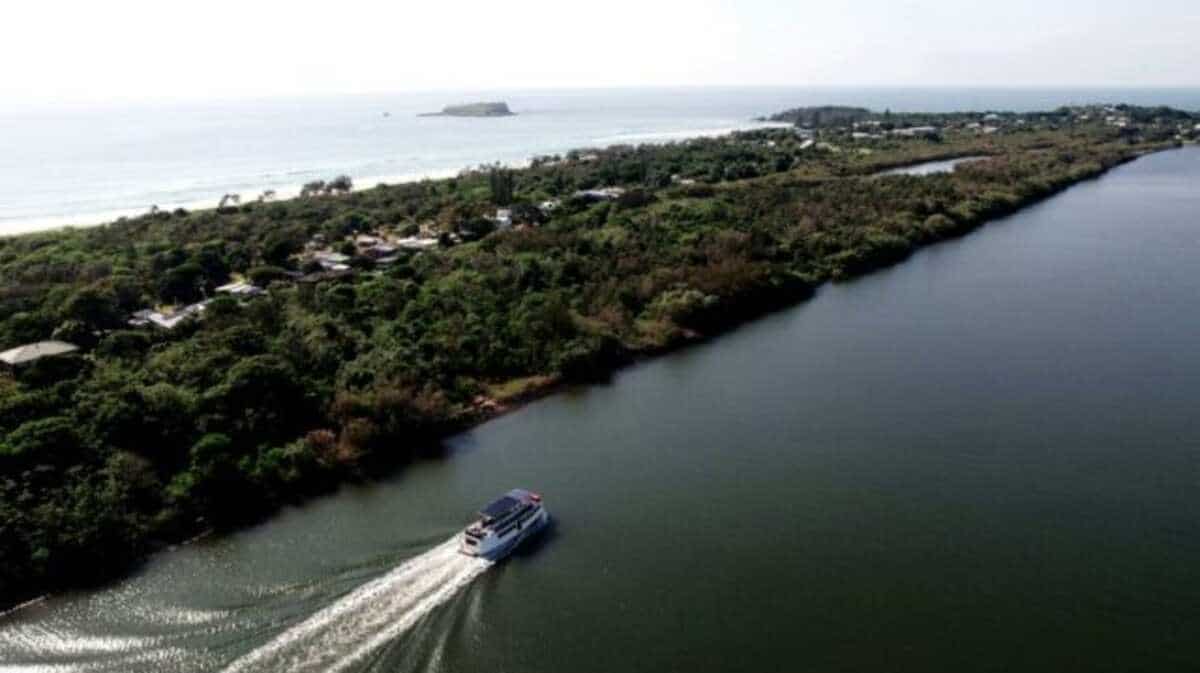
Lonely Planet has named The Tweed region of New South Wales as one of the Best in Travel 2027 destinations. Unspoiled scenery, adventure tourism and cultural tourism all describe the Tweed. In fact, of all the places in Australia described in the Best in Travel 2027 guide, the Tweed is the only location. One of only three locations described in the Oceania region, the Lonely Planet editors put the Tweed in excellent company.
The naming of the Tweed to the Lonely Planet’s Best in Travel 2027 locations demonstrates what many tourists are now seeking. The Tweed region, located between Byron Bay and the Gold Coast, offers all that travelers are seeking when they leave the more popular regions of Australia.
Of all the locations profiled in Best in Travel 2027, Lonely Planet editors especially liked The Tweed region of Australia for adventure and eco tourism, cultural tourism and the foodie scene. All of these fit easily with the Tweed’s stunning and dramatic coastal and hinterland rainforests and landscapes.
The Tweed Moves From Hidden Stopover To Global Travel Destination
For many years, The Tweed was often considered a corridor between two internationally recognised tourism areas — the Gold Coast and Byron Bay. However, the region has developed its own tourism identity by showcasing its unique landscapes, villages, food experiences and outdoor adventures. The destination covers a diverse environment where visitors can experience coastal scenery, rainforest ecosystems, riverside communities and agricultural landscapes within a relatively compact region.
Advertisement
Advertisement
Key attractions highlighted through the global recognition include:
Advertisement
Advertisement
| Attraction | Travel Experience |
|---|---|
| Northern Rivers Rail Trail | Cycling and walking journeys through rural landscapes and local communities |
| Gidjuum Gulganyi Walk | Indigenous cultural connection and nature-based hiking |
| Ancient rainforests | Biodiversity, conservation and eco-tourism experiences |
| Cabarita and Fingal Head | Coastal landscapes and beach experiences |
| Tumbulgum | Riverside village atmosphere and regional charm |
| Local food culture | Paddock-to-plate dining and agricultural tourism |
The growing popularity of The Tweed reflects changing traveller preferences. Instead of focusing only on crowded attractions and major city experiences, visitors are increasingly searching for destinations where nature, wellness, local culture and sustainability are central parts of the journey.
Nature Tourism Becomes The Heart Of The Tweed’s Global Appeal
The Tweed’s landscapes are among its strongest tourism assets. The region combines rainforest-covered mountains, national parks, beaches, rivers and farmland, creating a destination that appeals to adventure travellers, families, wellness visitors and nature lovers. The destination’s coastal areas provide dramatic scenery, while inland areas offer peaceful rural landscapes and walking experiences. The combination of ocean views, forest trails and village communities allows travellers to experience multiple sides of Australia within one destination.
The region’s outdoor tourism growth has been supported by new infrastructure, particularly the development of the Northern Rivers Rail Trail. The project has transformed former rail corridors into multi-use pathways designed for walking, cycling and exploration. The rail trail connects visitors with smaller communities and encourages longer stays across the region. Instead of concentrating tourism activity in major coastal locations, the project helps distribute visitor spending to rural towns, local businesses and regional operators.
Another major attraction is the Gidjuum Gulganyi Walk, which combines physical adventure with cultural storytelling. The experience allows visitors to engage with the natural environment while learning about the deep connection between the landscape and the Bundjalung people.
Sustainability And Indigenous Culture Shape The Visitor Experience
The Tweed’s international recognition also reflects its focus on sustainable tourism and environmental protection. The region has introduced an official Visitor Pledge, encouraging travellers to explore responsibly, protect natural areas and respect the cultural heritage of Bundjalung Country. The initiative supports a tourism model focused on balance — welcoming visitors while protecting the landscapes and traditions that make the destination unique.
Advertisement
Advertisement
The emphasis on responsible travel follows a wider global movement where destinations are seeking ways to manage tourism growth while maintaining environmental and cultural integrity. For The Tweed, sustainability is not only about conservation but also about creating a deeper visitor experience. Travellers are encouraged to understand the stories behind the landscapes, respect Indigenous heritage and appreciate the connection between communities and nature.
Paddock-To-Plate Food Culture Adds New Tourism Dimension
Beyond outdoor adventure and natural attractions, The Tweed is developing a strong reputation for regional cuisine. The area’s fertile agricultural land supports a growing paddock-to-plate movement, where locally produced ingredients form the foundation of dining experiences across the region. Visitors can discover fresh regional produce, farm-based experiences and local food businesses that reflect the connection between agriculture and tourism.
This culinary identity strengthens The Tweed’s position as a complete travel destination. Visitors can combine cycling and hiking adventures with regional dining, coastal exploration and cultural experiences. Food tourism has become an important part of destination development worldwide, and The Tweed’s agricultural strengths provide another reason for travellers to stay longer and explore beyond the coastline.
Global Recognition Highlights The Rise Of Slow Travel In Australia
The inclusion in Lonely Planet’s Best in Travel 2027 list reflects the growing importance of slow travel — a tourism trend focused on deeper experiences rather than quick visits. Major destinations around the world are facing challenges linked to overcrowding, while travellers are increasingly looking for less congested locations offering authenticity and space.
The Tweed represents this emerging travel preference through its combination of open landscapes, outdoor activities, community experiences and sustainable tourism practices. The destination provides an alternative to traditional tourism models by encouraging visitors to explore at a slower pace and develop stronger connections with local environments.
Advertisement
Advertisement
Tourism Boost Expected For Regional Businesses And Communities
Becoming a Lonely Planet region is expected to better promote The Tweed to the global travel market and give the local tourism and related industries the opportunity to develop new products and experiences. Representatives of the local tourism industry have consistently supported the engagement with Lonely Planet as it provides the opportunity to promote the region to a worldwide audience and to appreciate the wide range of businesses that make up the region’s visitor economy.
This endorsement builds on The Tweed’s reputation as a region where travellers can discover the less-known sides of Australia. The Tweed has a mix of experiences that allow travellers to explore Australia’s natural environment and learn about some of Australia’s Indigenous History. The Tweed has a sophisticated food and beverage experience and offers numerous opportunities for the development and interpretation of sustainable travel and tourism. With these experiences, The Tweed provides a range of travel experiences for discerning international visitors. The selection of The Tweed in Lonely Planet’s Best in Travel for 2027 provides international recognition and easily Engages the region’s potential to establish an international tourism market.
Advertisement
