
Oman Luxury Tourism Gains Momentum With Michelin Keys and Dhow Expeditions

Published
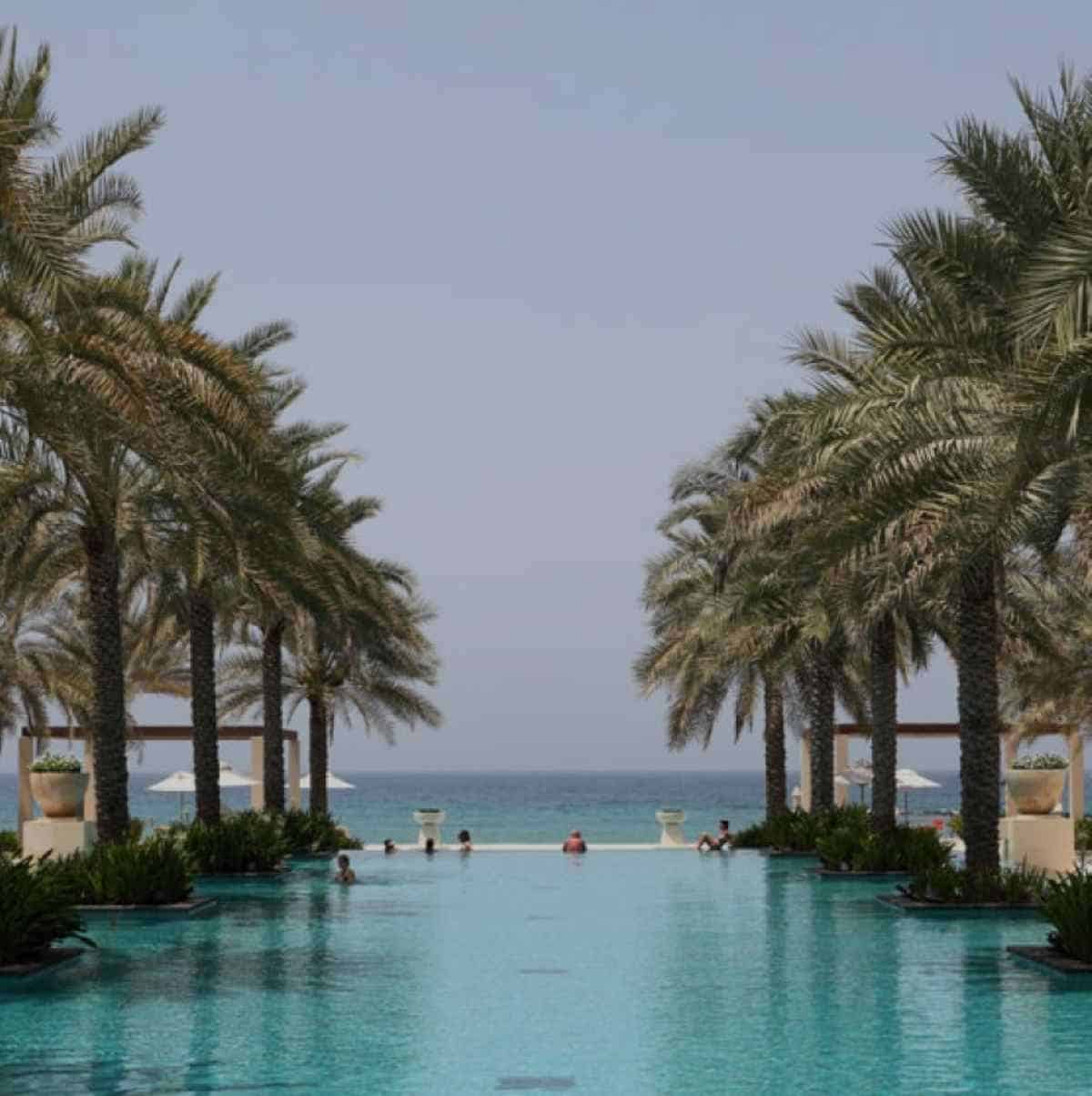
Oman’s luxury tourism industry has gained much from world-famous hotels, private cruise tours, and personal mountain and beach hideaways. With the awarding of Oman with Michelin Key 2026, luxury tourists have started shifting to the country, with hotels such as Alila Jabal Akhdar and Al Bustan Palace becoming famous, while luxury tourists have started shifting to areas like Musandam and Daymaniyat Islands due to private dhow tours and scuba diving. Geographical diversities of Oman is also evident through this shift.
Michelin Keys Highlight Oman’s Luxury Hotels
Oman has entered the Michelin Key hotel programme with three recognised properties in the 2026 selection. Among them are Alila Jabal Akhdar and Al Bustan Palace, A Ritz-Carlton Hotel, giving international visibility to two very different styles of luxury accommodation.
Advertisement
Advertisement
Alila Jabal Akhdar sits in the Al Hajar Mountains at a high elevation, providing access to one of Oman’s most dramatic landscapes. The resort is positioned near Jebel Akhdar, an area known for rugged mountain scenery, deep valleys and cooler temperatures compared with the country’s coastal plains.
For travellers, the property provides a base for mountain walks, village visits and outdoor excursions while remaining within reach of Nizwa and other attractions in northern Oman.
Advertisement
Advertisement
Al Bustan Palace Brings Luxury to Muscat
Al Bustan Palace, A Ritz-Carlton Hotel, provides a contrasting coastal experience near Muscat. The property sits between the Gulf of Oman and the Hajar Mountains, placing visitors close to the capital’s major attractions.
Advertisement
Advertisement
Travellers staying in the Muscat area can combine a resort stay with visits to the Sultan Qaboos Grand Mosque, Mutrah Souq, Mutrah Corniche and historic forts. The capital also provides access to Oman’s main road network and Muscat International Airport.
The combination of mountain and coastal hotels gives Oman a broader luxury accommodation network, allowing visitors to experience different landscapes without leaving the country.
Musandam Becomes a Private Marine Escape
As the Khareef season in southern Oman moves towards its conclusion, luxury travel activity is shifting towards northern destinations such as the Musandam Peninsula.
Musandam is separated from most of Oman by the United Arab Emirates and is known for steep limestone mountains descending directly into the sea. Its coastline is characterised by narrow inlets, sheltered waters and dramatic fjord-like landscapes.
Khasab serves as the principal gateway to the peninsula and is the departure point for many boat excursions. Private dhow journeys allow visitors to explore coastal areas, anchor in secluded waters and incorporate swimming or marine wildlife viewing into customised itineraries.
Advertisement
Advertisement
Traditional Dhows Meet Modern Luxury
Wooden dhows have long been associated with Oman’s maritime heritage. Private luxury operators have adapted the traditional format for contemporary travellers, offering more personalised journeys around Musandam’s coastline.
Guests can arrange private boat trips rather than joining larger sightseeing groups, creating itineraries focused on specific locations and activities. Depending on the season and sea conditions, these can include snorkelling, swimming, diving and overnight experiences.
Six Senses Zighy Bay, located on the Musandam Peninsula near the village of Dibba Al Baya, provides another luxury base for visitors exploring the northern coast. The resort is surrounded by mountains and faces a long private beach, making it suitable for travellers combining wellness, relaxation and marine activities.
Daymaniyat Islands Add a Diving Route
The Daymaniyat Islands, located off the coast of Oman between Muscat and Barka, provide another important marine destination. The protected island group is known for coral reefs, clear waters and marine life.
Private boat trips from the Muscat coastline can be arranged around the islands, with diving and snorkelling among the principal activities. The destination is also known for encounters with turtles and seasonal marine wildlife.
Advertisement
Advertisement
For luxury travellers, the islands can be incorporated into a wider Muscat itinerary, allowing visitors to combine high-end accommodation with a dedicated day on the water.
Salalah’s Khareef Season Shapes Travel Patterns
Southern Oman follows a different seasonal rhythm. Salalah’s Khareef season generally brings cooler temperatures, cloud cover and seasonal rainfall between June and September, creating a landscape that differs significantly from northern Oman.
As September progresses and the Khareef period approaches its end, travellers can shift their itineraries towards northern Oman, where the weather becomes increasingly suitable for coastal and outdoor activities later in the year.
This seasonal contrast allows Oman to offer distinct experiences depending on the time of travel, from green landscapes in Salalah during Khareef to mountain and marine journeys elsewhere.
Oman Connects Mountain and Marine Tourism
The luxury tour experience provided by Oman has now moved on to linking environmental experiences in a single journey. The journey will start from Muscat, move on to the Hajar Mountains, and then come back to the coast to travel further north to Musandam for an exclusive boat adventure. The combination of luxurious hotels and resorts in the mountain range as well as in the maritime destinations of the country offers a lot of choices to the tourists who wish to enjoy their holiday in Oman. Oman receives international acclaim for its hospitality industry with the Michelin Key designation, in addition to its exclusive maritime adventures in Musandam and the Daymaniyat Islands.
Advertisement
