
Southwest Airlines Flight SWA1396, a Boeing 737-700 to Dallas Diverts Back to Austin Bergstrom International Airport, United States: Latest Update You Need to Know

Published
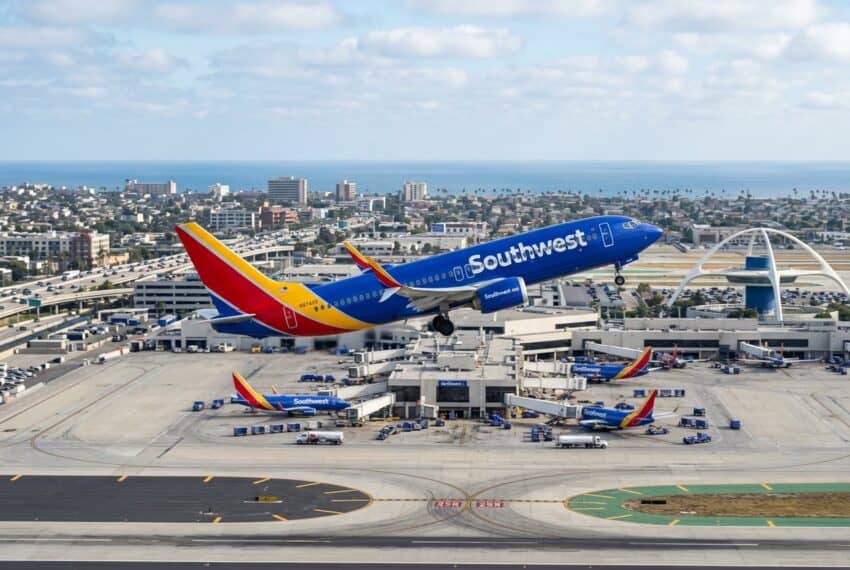
Southwest Airlines Flight SWA1396, a Boeing 737-700 to Dallas Diverts Back to Austin Bergstrom International Airport, United States, became a notable aviation incident after the aircraft diverted mid-flight as a precautionary measure. The flight, operating a routine domestic service, changed course after pilots identified an operational concern requiring immediate attention, prioritising passenger safety above schedule continuity. The Boeing 737-700 was safely rerouted to Austin Bergstrom International Airport, where standard safety protocols were followed upon landing. No injuries were reported, and the diversion reflected procedures when technical alerts demand closer inspection and controlled assessment on ground immediately.
Southwest Airlines Flight SWA1396, a Boeing 737-700 operating from St. Louis to Dallas Love Field, diverted to Austin–Bergstrom International Airport after a precautionary in-flight issue, with the crew prioritising safety and executing a controlled landing under standard U.S. aviation safety procedures.
Advertisement
Advertisement
Why did Southwest Airlines Flight SWA1396 divert to Austin during its STL–DAL service?
Southwest Airlines Flight SWA1396 diverted to Austin–Bergstrom International Airport after the flight crew identified a precautionary technical or operational anomaly during the St. Louis to Dallas Love Field service, prompting an immediate safety-first decision in line with standard U.S. airline operating procedures and Federal Aviation Administration protocols.
According to flight tracking references such as FlightAware, Flightradar and regulatory oversight frameworks maintained by the FAA, pilots are trained to divert to the nearest suitable airport when onboard systems indicate potential irregularities that may not compromise immediate safety but require urgent inspection.

Austin was selected due to its proximity, runway capability for Boeing 737 operations, and Southwest Airlines’ established ground support infrastructure, allowing maintenance teams to quickly assess the aircraft without extending flight risk exposure.
In modern commercial aviation, such diversions are classified as precautionary operational decisions rather than emergency landings, ensuring that aircraft can be inspected under controlled conditions before returning to service.
Advertisement
Advertisement
What happened onboard Southwest Airlines Flight SWA1396 before landing in Austin?
During the cruise phase of the flight, the crew of Southwest Airlines Flight SWA1396 reportedly observed a technical advisory or system-related indication that required procedural evaluation, leading to the decision to initiate a diversion while maintaining stable aircraft performance and passenger safety.
Although no confirmed distress situation or evacuation occurred, such mid-flight advisories are treated seriously under aviation safety management systems that prioritise redundancy monitoring and immediate corrective action.
The Boeing 737-700 aircraft continued to operate normally under controlled conditions, with cockpit crew coordinating with air traffic control to identify Austin–Bergstrom International Airport as the most suitable diversion point for a safe landing.
In line with established airline safety protocols, cabin crew would have been instructed to maintain normal cabin operations while preparing for a standard landing sequence, ensuring passenger reassurance and operational stability throughout the descent.
Advertisement
Advertisement
How did Southwest Airlines and aviation authorities respond after the diversion?
Southwest Airlines and airport response teams at Austin–Bergstrom International Airport followed standard post-landing inspection and safety procedures, with emergency services placed on standby as a precautionary measure despite the absence of any reported injuries or cabin emergency escalation.
In such cases, airline engineering teams conduct immediate aircraft inspections covering engines, avionics, and environmental systems before determining whether the aircraft can return to service or requires extended maintenance grounding.
The Federal Aviation Administration framework requires detailed reporting of all unscheduled diversions, ensuring that any potential mechanical or operational irregularities are documented for safety trend monitoring and fleet reliability assessment.
As outlined in FAA operational safety guidance and aviation incident tracking systems, these responses are designed to strengthen long-term safety performance rather than indicate a catastrophic failure, reinforcing the industry’s preventive safety culture.

Southwest Airlines Flight SWA1396, a Boeing 737-700 to Dallas Diverts Back to Austin Bergstrom International Airport, United States, concluded safely after a precautionary diversion initiated by the flight crew in response to a technical or operational alert. The decision ensured maximum passenger safety and aligned with standard aviation procedures that prioritise early diversion over continued risk exposure. The aircraft landed without incident at Austin Bergstrom International Airport, where inspection protocols were activated immediately. The cause understood as precautionary system concern rather than confirmed failure, and reason for diversion was to maintain safe operational integrity throughout the flight phase.
Conclusion
Southwest Airlines Flight SWA1396’s diversion to Austin reflects a controlled and precautionary aviation safety response rather than an emergency failure scenario, with pilots executing established diversion protocols to ensure passenger safety and aircraft integrity.
As aviation systems continue to rely on real-time monitoring and strict regulatory oversight, such incidents demonstrate how modern commercial aviation prioritises risk mitigation, operational transparency, and rapid technical assessment before aircraft re-entry into service.
Advertisement
