
Malaysia Airlines Shakes Aviation With Urgent Pilot Drug Screening After Indonesia Arrest

Published
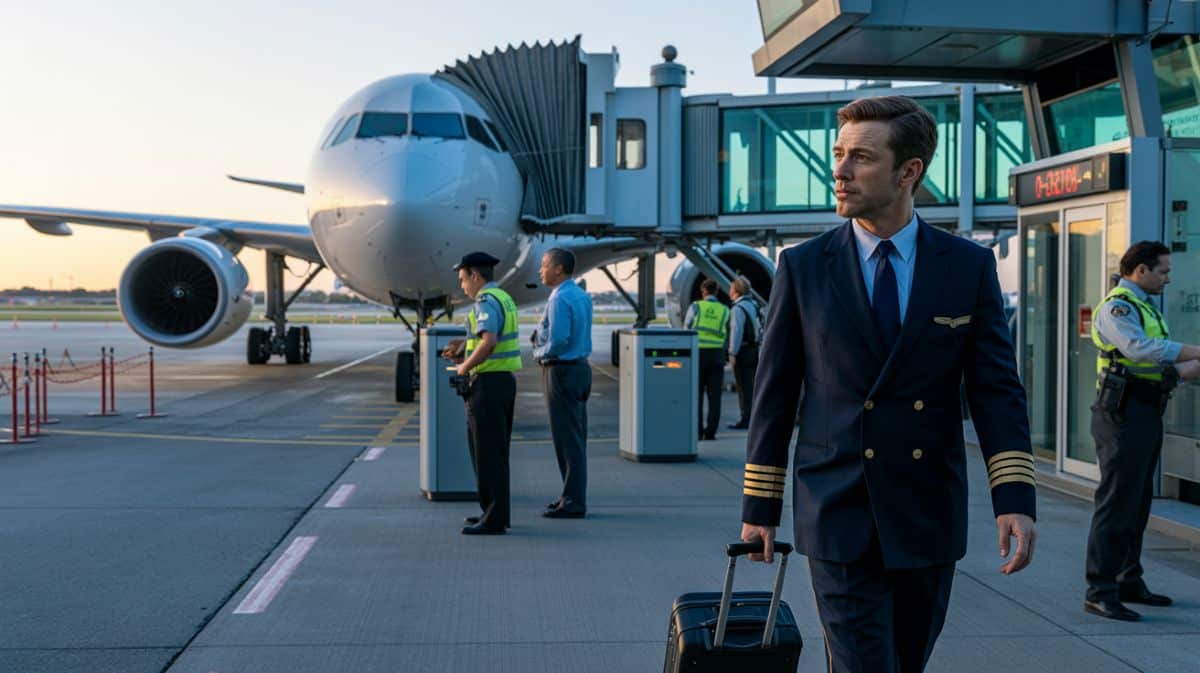
Image generated with Ai
Malaysia Aviation Group (MAG), the parent company of Malaysia Airlines, has launched a major aviation safety response after a Malaysia Airlines cockpit crew member was arrested in Indonesia over an alleged drug-smuggling case. The company has started mandatory drug screening for its pilot workforce as part of stronger safety checks.
The move has placed airline crew safety and aviation security under global attention. MAG has reportedly begun screening around 1,260 pilots after Indonesian authorities detained a Malaysia Airlines pilot accused of carrying illegal drugs into the country.
Advertisement
Advertisement
The decision reflects a strict approach towards maintaining safety standards in commercial aviation. Pilots are responsible for thousands of lives during every flight, and airlines worldwide maintain strict rules to prevent substance-related risks among flight crew.
Indonesia Drug Arrest Triggers Immediate Airline Response
The safety action followed the arrest of a Malaysia Airlines cockpit crew member after arriving in Indonesia. Indonesian authorities reportedly discovered a large quantity of illegal drugs during a customs inspection at Jakarta’s Soekarno-Hatta International Airport.
Advertisement
Advertisement
Authorities alleged that the pilot was carrying around 26 kilograms of MDMA. The case is now being handled under Indonesia’s strict drug laws.
Indonesia has some of the toughest regulations against drug trafficking. Individuals accused of carrying large quantities of illegal substances can face severe legal consequences.
Advertisement
Advertisement
The incident created immediate concerns because the person involved worked in a safety-sensitive aviation role. Airline pilots must maintain high levels of physical and mental fitness because their decisions directly affect passenger safety.
Following the arrest, Malaysia Aviation Group moved quickly to strengthen internal monitoring procedures and reassure passengers that aviation safety remains its highest priority.
Advertisement
Advertisement
Malaysia Aviation Group Introduces Mandatory Pilot Drug Testing
Malaysia Aviation Group has responded by introducing mandatory drug screening for its pilot workforce. The reported programme covers Malaysia Airlines pilots and forms part of a wider effort to strengthen operational safety.
The screening programme aims to identify any possible substance-related risks among flight crew before they affect airline operations.
MAG’s action also highlights how airlines respond when safety concerns emerge. Aviation companies operate under strict safety management systems where even individual incidents can lead to wider reviews.
The company’s decision does not indicate a wider problem across Malaysia Airlines. Instead, it represents a preventive safety measure designed to maintain passenger confidence.
Advertisement
Advertisement
Airlines across the world regularly conduct medical checks, fitness assessments and safety reviews for employees working in critical operational roles.
Malaysia Already Has Strict Aviation Drug Testing Rules
Malaysia’s aviation regulator, the Civil Aviation Authority of Malaysia (CAAM), already requires airlines to maintain alcohol and drug testing programmes.
Under CAAM’s Civil Aviation Directive CAD 6007, aviation operators must establish procedures to prevent safety-sensitive personnel from working under the influence of prohibited substances.
The rules apply to employees whose duties directly affect flight safety. This includes pilots and other operational personnel.
The testing system can include:
- Pre-employment drug testing
- Random testing programmes
- Testing following reasonable suspicion
- Return-to-duty assessments after a safety concern
These measures are designed to protect passengers and ensure aviation workers remain fit to perform their responsibilities.
Advertisement
Advertisement
The latest action by Malaysia Aviation Group strengthens an existing safety framework rather than creating an entirely new system.
Why Pilot Drug Screening Matters for Passenger Safety
Commercial aviation depends on precision, discipline and quick decision-making. Even small changes in a pilot’s physical or mental condition can create serious safety risks.
Drug use can affect important abilities such as:
- Reaction speed
- Concentration
- Decision-making
- Coordination
- Situational awareness
For this reason, aviation authorities worldwide classify pilots as safety-sensitive professionals.
Passengers expect airlines to maintain the highest safety standards. Mandatory screening programmes help airlines identify risks early and prevent safety issues from developing.
The Malaysia Airlines case has renewed attention on how airlines monitor the wellbeing and behaviour of flight crew members beyond traditional training and medical checks.
Advertisement
Advertisement
What Happens When Aviation Employees Test Positive?
Aviation safety rules require strict procedures when an employee receives a positive drug test result.
A worker may be removed from safety duties while further investigation takes place. Confirmatory testing is usually required before final action is taken.
If a positive result is confirmed, the employee may not be allowed to continue safety-sensitive duties until regulatory and company procedures are completed.
For pilots, this process is particularly important because they operate aircraft carrying hundreds of passengers.
Airlines must balance employee rights with their responsibility to protect travellers and maintain public confidence.
Global Aviation Industry Increasing Focus on Crew Safety
The Malaysia Airlines case comes at a time when airlines worldwide are placing greater attention on safety management and employee monitoring.
Advertisement
Advertisement
Modern aviation safety is not only about aircraft technology. It also depends on human performance, professional behaviour and strict operational standards.
Airlines invest heavily in:
- Pilot training
- Medical assessments
- Safety reporting systems
- Security procedures
- Regular compliance checks
The latest move by Malaysia Aviation Group shows how aviation companies react quickly when unexpected safety-related incidents occur.
The action also sends a message that airlines will continue strengthening procedures to protect passengers.
What This Means for Malaysia Airlines Passengers
For travellers, the screening programme is expected to support confidence in Malaysia Airlines operations.
Passengers should understand that aviation already operates under strict safety regulations. A single alleged incident involving an individual crew member does not represent the entire airline workforce.
Advertisement
Advertisement
Malaysia Airlines continues operating under national aviation regulations and international safety standards.
The new screening measures are designed to provide additional reassurance by strengthening existing safety processes.
For travellers choosing airlines, safety remains one of the most important factors. Actions such as enhanced screening demonstrate how carriers respond when safety concerns emerge.
Malaysia Airlines Safety Review Highlights Aviation’s Zero-Tolerance Approach
The decision by Malaysia Aviation Group to introduce mandatory pilot drug screening represents a significant aviation safety response following the Indonesia arrest case.
The incident has highlighted the importance of strong monitoring systems for flight crews and the responsibility airlines carry towards passengers.
While the alleged actions involved an individual crew member, the response shows the aviation industry’s strict approach towards safety and professional standards.
As Malaysia Airlines strengthens its internal checks, the wider message for global aviation remains clear: passenger safety depends not only on aircraft technology but also on the highest standards of crew responsibility, health and professionalism.
Advertisement
