
Greece Revives Former Mycenae Xenia Building Near UNESCO Heritage Site, Creating New Cultural Performance Space and Enhanced Visitor Experience Facilities

Published
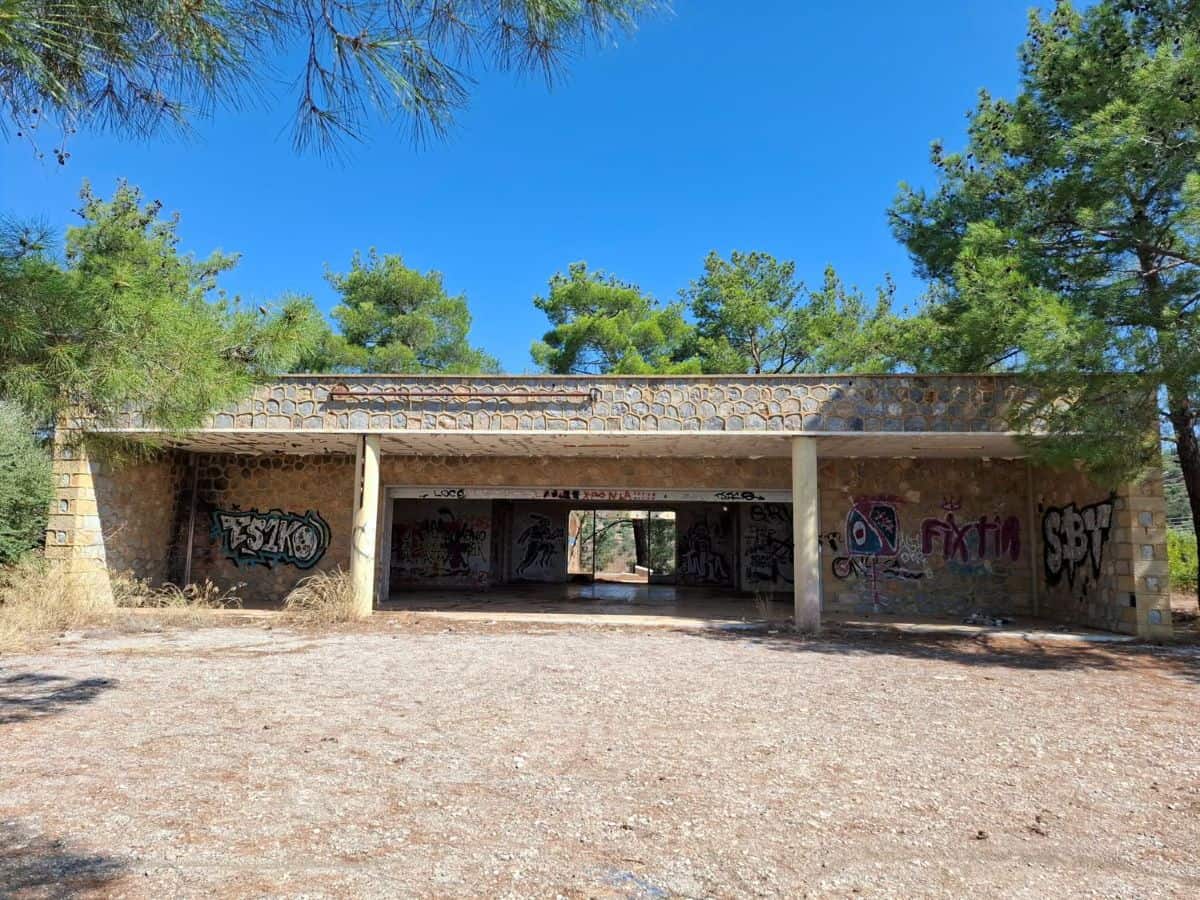
The Greek government is embarking on the restoration and reuse of the Mycenae Xenia Building that has been neglected for many years and is now a modernist building that is near the archaeological site of Mycenae. According to the Ministry of Culture, this project will result in the creation of a venue to present ancient drama performances from the Greek National Opera, the National Theatre of Greece and the National Theatre of Northern Greece, which will focus on drama productions related to the House of Atreides.
Also, there will be an ODAP retail and refreshment shop at this building to make life easier for visitors to the site. This project aims to upgrade the entire experience at the Mycenae archaeological site, a UNESCO site where efforts to protect the heritage, cope with climate change, upgrade the routes and enhance fire safety were achieved after 2020.
A Historic Xenia Building Returns After Decades Of Abandonment
The former Mycenae Xenia is an important example of Greek modernist architecture. The Ministry identifies it as one of the first buildings constructed by the Greek National Tourism Organisation in the 1950s. It was designed by architect Kimon Laskaris in 1951 and positioned on the road linking the Acropolis of Mycenae with the village. The building sits about 700 metres from the archaeological site and the Treasury of Atreus.
The structure has suffered serious deterioration since its abandonment in the early 1990s. Natural wear, humidity and vandalism left it non-operational and in need of repair. The new project will restore, rearrange and functionally upgrade the building so it can support modern cultural, retail and hospitality uses while respecting its original architectural identity.
Advertisement
Advertisement
The Project Combines Accessibility Energy Efficiency And Heritage Care
The planned works cover a full structural and functional renewal. The Ministry says the project includes strengthening the load-bearing structure, rebuilding internal areas, installing modern electromechanical systems, creating new spaces for visitors and staff, improving accessibility for people with disabilities and upgrading the building’s energy performance. The surrounding area will also receive a light-touch redesign with necessary support infrastructure.
This is significant because the project does not treat the building as a simple refreshment stop. It turns the former visitor pavilion into a modern, accessible and energy-efficient cultural facility. That approach supports international principles for archaeological-site management, where visitor comfort, monument protection and landscape sensitivity must work together.
Advertisement
Advertisement
Modern Culture Meets The House Of Atreides
The most distinctive part of the plan is the new viewing space for performances connected with the House of Atreides. This creates a direct bridge between the physical site of Mycenae and the ancient Greek tragedies inspired by its legendary royal house. Visitors will be able to encounter the archaeological landscape, then engage with dramatic traditions linked to Agamemnon, Clytemnestra, Orestes and the wider mythic world of Mycenae.
This cultural layer adds depth to the visitor experience. Mycenae is already a place of monumental architecture and Bronze Age power. The new facility will help visitors connect that history with theatre, music and performance. It also gives leading Greek cultural institutions a stronger presence inside a heritage landscape that shaped some of the most enduring stories in European drama.
Advertisement
Advertisement
UNESCO Status Gives The Project Global Importance
The wider setting gives the project exceptional cultural weight. UNESCO describes the Archaeological Sites of Mycenae and Tiryns as the imposing remains of the two greatest cities of the Mycenaean civilisation, which dominated the eastern Mediterranean from the fifteenth to the twelfth century BC and played a vital role in the development of classical Greek culture. UNESCO also notes that Mycenae and Tiryns are strongly linked with the Iliad and the Odyssey, which have influenced European art and literature for more than three millennia.
The Xenia restoration therefore supports more than local infrastructure. It enhances the visitor experience at a globally recognised heritage site. For cultural tourism, this matters greatly. Travellers visiting Argolis often seek more than ruins. They want interpretation, comfort, context and a stronger sense of connection with the myths, histories and artistic traditions that made Mycenae famous.
A Carefully Placed Building With Landscape Sensitivity
The Ministry highlights that the Xenia building was originally positioned with care so that it would not harm views towards the archaeological site. Its architecture uses polygonal masonry and a restrained modern line that blends with the landscape. This makes its restoration more delicate. The building must be upgraded for modern use without overpowering the setting that gives it value.
The property now belongs to the Ministry of Culture. The wider plot covers 5,123 square metres, while the building itself covers 565 square metres, arranged over two levels with a shaped roof area at the upper level. These details show that the project has enough physical capacity to serve visitors meaningfully without becoming oversized for the archaeological environment.
Advertisement
Advertisement
ODAP Services Will Add Practical Value For Travellers
The inclusion of an ODAP retail and refreshment shop is important for site services. ODAP, the Hellenic Organization of Cultural Resources Development, says it works to enhance the experience of millions of visitors in Greece’s iconic museums, monuments and archaeological sites. Its role covers cultural resources, visitor facilities, official products and services linked to heritage destinations.
At Mycenae, this can improve the visitor journey in a practical way. A properly designed shop and refreshment area can support longer stays, improve comfort, create revenue for cultural-resource management and give visitors access to quality cultural products. When linked with performance screenings and interpretation, the facility can become more than a commercial point. It can become part of the cultural experience.
Mycenae’s Core Attractions Remain The Visitor Anchor
The restored Xenia will complement, not replace, the site’s main archaeological attractions. The Ministry’s Odysseus portal lists the archaeological site, museum and Treasury of Atreus as part of the Mycenae visitor ticket. The Treasury of Atreus is described by the Ministry as the most impressive preserved Mycenaean tholos tomb, located at Mycenae on Panagitsa Hill.
This strengthens the tourism logic of the Xenia project. Visitors already come for the Lion Gate, palace remains, royal tombs, museum and Treasury of Atreus. The restored building will improve how they are received, refreshed, informed and culturally engaged before or after exploring the archaeological landscape.
Climate Protection And Site Management Shape The Wider Strategy
The Xenia restoration forms part of a wider Ministry programme at Mycenae. Since 2020, works have focused on protecting monuments, improving visitor routes, shielding architectural remains from climate-related impacts and installing a modern fire-protection system. These measures show that the state is treating the site as both a fragile monument complex and an active visitor destination.
This balance is essential. World Heritage sites must be protected from environmental stress, visitor pressure and operational risks. At the same time, they must remain meaningful and accessible to the public. By restoring the Xenia building, Greece is adding a support facility that can improve services without placing unnecessary pressure on the ancient monuments themselves.
A New Cultural Gateway For Argolis Tourism
The restoration of Mycenae Xenia can strengthen cultural tourism across Argolis. The region already draws visitors through Mycenae, Tiryns, Nafplio, Epidaurus and other heritage sites. A better visitor facility at Mycenae can encourage longer visits, richer guided experiences and stronger links between archaeology and performing arts.
Advertisement
Advertisement
The project also revives a piece of Greece’s twentieth-century tourism history. The Xenia programme was part of the country’s post-war tourism development, and many of its buildings became symbols of modern Greek hospitality. Bringing this structure back into use allows Greece to protect not only ancient heritage, but also a valuable chapter of modern architectural and tourism history.
Mycenae Enters A Stronger Visitor-Focused Future
The refurbishment and reuse of the former Mycenae Xenia complex is an important move in the cultural tourism initiative of Greece. The modernist structure will be protected, better facilities will be created in close proximity of a UNESCO World Heritage Site, new cultural viewing point connected with the theme of ancient drama and ODAP facilities will be established for tourists.
From the perspective of Mycenae, the initiative provides a more comprehensive experience. From the tourists’ perspective, the facility provides comfort, culture, and context. From the perspective of Greece, the initiative is indicative of how ancient monuments and modern architecture can coexist through restoration, if done using heritage sensitivity, accessibility, and public value considerations. Upon completion of the renovated Xenia complex, the new cultural gateway to the world of Mycenae, the House of Atreides and ancient Greek civilization will emerge.
Image Source: Ministry of Culture, Greece
Advertisement
