
Peru Travel Secrets, How Iquitos And Puerto Maldonado Are Revolutionizing Amazon Rainforest Trips

Published
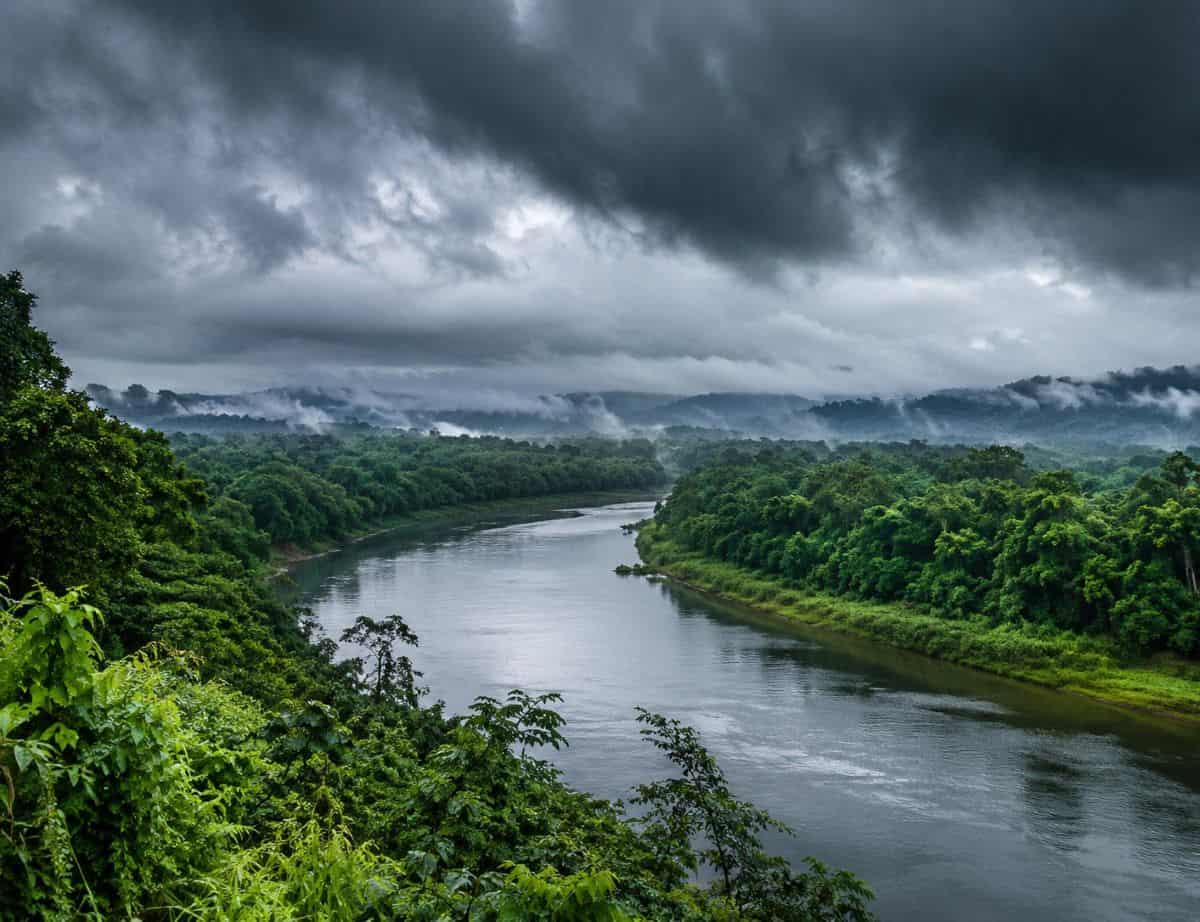
Imagine getting off a small motorboat into the heavy air of Puerto Maldonado or listening to the rapid flow of the river in Iquitos as the rainforest around you comes alive. The Peruvian Amazon possesses a deconstructed type of world-class magic that is really unexplainable because of its natural beauty and the humble nature of the locals. It’s hard to describe how peaceful the Amazon is. Once you experience this, the memories will come flooding back as you imagine traveling to the secluded places and drifting on the many tributaries. This is not a typical vacation. Changes to sustainable tourism in Northern and Southern Peru have completely transformed the primitive experience. Eco-lodges and river trips take wildlife and nature into consideration and each step is part of the design. The intention and care these tours possess will change how you view the world and surprise you.
Transformative Gateway Infrastructure and Strategic Evolution of Peruvian Ecotourism
Peru has established an extraordinary infrastructure for wilderness exploration by utilizing two primary geographic hubs, namely Puerto Maldonado in the southern territory and Iquitos in the northern expanse. Consequently, these core operational entry points provide international vacationers with direct, uninterrupted access to pristine rainforest ecosystems, high-end floating river vessels, and ecologically mindful wilderness retreats. It was noted that the strategic placement of these transit gateways empowers travelers to select versatile itineraries tailored to various scheduling demands, ranging from brief three-day introductory stays to multi-week scientific expeditions conducted far within the dense jungle interior. Therefore, these transit hubs effectively serve as the foundational bedrock for sustainable tourism growth across the region.
Furthermore, global travel markets have experienced a dramatic surge in demand for low-impact, high-value ecological adventures originating directly from these urban gateways. Industry analysts reported that structured, sustainable tourism operations based out of Puerto Maldonado and Iquitos generate vital financial resources that actively support biodiversity preservation, while simultaneously reinforcing local economic stability. Consequently, as dedicated research facilities and upscale boutique accommodations expand their physical footprints, international airline networks and global tour operators are adapting swiftly to accommodate the steady influx of environmentally conscious travelers seeking authentic, immersive wilderness experiences. The seamless combination of rigorous environmental protection and refined guest services has firmly established the region as an industry pioneer.
Advertisement
Advertisement
Expanded Transit Capabilities and Urban Infrastructure Development in Northern and Southern Regions
The rapid modernization of regional transit hubs in northern and southern Peru has fundamentally altered how international visitors access isolated wilderness destinations. Local municipal authorities and private developers in Puerto Maldonado and Iquitos have continually upgraded river ports, localized airstrips, and ground transport networks to ensure effortless transfers for arriving long-haul passengers. This comprehensive overhaul eliminates historic operational bottlenecks, allowing visitors to transition smoothly from commercial flights directly onto river skiffs or jungle-bound vehicles. As a result, travel managers globally are incorporating these destinations into mainstream itineraries with unprecedented logistical confidence.
Advertisement
Advertisement
In addition to physical infrastructure, the widespread implementation of advanced digital reservation platforms and localized communication networks has streamlined the booking landscape for overseas agencies. Visitors now enjoy synchronized transfers, real-time safety updates, and expert multilingual guiding services right from the moment they land in Iquitos or Puerto Maldonado. This structural evolution proves that regional investment in transit safety and administrative efficiency can dramatically boost international tourism arrivals, even within geographically challenging rainforest biomes.
Accessible Eco-Lodge Models and Sustainable Community Partnerships in Southern Amazonia
It was reported that accessible eco-lodges, such as Refugio Amazonas Lodge and Posada Amazonas Lodge, offer exceptional balances between travel convenience and genuine ecological immersion. Located within the protective buffer zone of the famous Tambopata National Reserve near Puerto Maldonado, Refugio Amazonas Lodge provides four-day and five-day organized itineraries featuring a towering canopy observation tower, an active organic jungle farm, medicinal plant trails, and guided water trips across Lake Condenado to observe caimans, hoatzins, and cormorants. Meanwhile, Posada Amazonas Lodge, an acclaimed community-owned retreat situated inside the Ese Eja private reserve closer to Puerto Maldonado, serves as an ideal choice for three-day or four-day excursions, offering swift access to Lake Tres Chimbadas for sightings of rare giant river otters.
Moreover, the business framework underpinning these accessible lodges demonstrates the immense commercial value of flexible trip durations for international visitors operating under strict vacation schedules. Travel strategists highlighted that short, highly engaging wilderness excursions enable global tourists to weave rainforest explorations into broader South American multi-destination itineraries. Furthermore, community-owned models set a benchmark for indigenous commercial partnerships, ensuring that tourism revenue directly enriches local families and funds localized habitat protection endeavors.
Indigenous Leadership Models and Community-Driven Conservation Realities
The integration of native communities into mainstream hospitality management has created a resilient template for ethical destination development. At Posada Amazonas Lodge, members of the local Ese Eja community directly participate in corporate decision-making, staff management, and field guiding, ensuring that cultural heritage remains safeguarded alongside biological diversity. This collaborative operational structure guarantees that economic proceeds are distributed equitably among native families, funding local education, health services, and sustainable agricultural practices throughout the Tambopata basin.
Advertisement
Advertisement
From a broader travel industry standpoint, this joint-ownership approach offers a powerful alternative to traditional, non-local resort development. International tourists increasingly favor destinations that demonstrate tangible ethical commitments to native land stewards and surrounding human populations. Consequently, tour operators worldwide are rewriting their procurement guidelines to prioritize partnerships with community-owned lodges, thereby encouraging alternative destinations to adopt similar cooperative frameworks.
Personalized Exploration and Certified Environmental Research in Northern Waters
It was highlighted that Tahuayo Lodge, situated near Iquitos within the Tamshiyacu Tahuayo Reserve, stands out as a premier destination due to its prestigious Rainforest Alliance certification and its standard provision of private guides and completely customized itineraries. Wildlife lovers engage in personalized excursions, including tracking colorful poison dart frogs, canoeing along quiet forest tributaries, exploring primate research grids, navigating pristine lakes inhabited by more than 600 distinct bird species, and soaring through the canopy on the longest zipline system in the territory. Visitors typically opt for six-day to eight-day journeys to experience both the main lodge and its dedicated secondary research base.
Additionally, the operational emphasis on fully customized, privately guided expeditions reflects a major global trend toward highly personalized, educational vacation journeys. Industry experts noted that modern travelers increasingly reject standardized, large-group sightseeing tours in favor of tailored, small-group learning experiences. By delivering a balanced combination of high-adrenaline adventure, local community interaction, and genuine scientific study, this versatile lodge framework achieves maximum guest satisfaction while setting a high standard for private tour design globally.
Scientific Integration and Interactive Educational Opportunities for Global Visitors
The deliberate combination of academic field research and guest lodging at the Tahuayo Lodge and its corresponding research base provides travelers with an educational experience rarely matched in conventional resorts. Guests actively observe ongoing biological monitoring projects, learn about primate behavioral patterns directly from field researchers, and explore specialized camera-trap networks designed to record elusive nocturnal fauna. This transparent immersion transforms passive sightseers into active supporters of ecological science.
Advertisement
Advertisement
This research-driven hospitality model creates profound long-term impacts on global traveler behavior. Vacationers return home with a significantly heightened awareness of global conservation challenges and a deeper appreciation for tropical field biology. Consequently, global travel providers are discovering that educational, research-backed itineraries generate far higher customer retention rates and stronger word-of-mouth recommendations than standard leisure trips.
Aquatic Luxury and Boutique Cruise Voyages Across Flooded Forest Reserves
It was noted that luxury river cruises departing directly from Iquitos provide an extraordinary vantage point for navigating the vast flooded forests of the Pacaya Samiria National Reserve. Specialized boutique vessels, including exclusive ships featuring only four over-sized suites, offer passengers an intimate connection to the natural environment through dramatic floor-to-ceiling panoramic windows and expansive outdoor observation decks. Guests savor gourmet regional culinary creations while departing on daily guided skiff expeditions to observe pink river dolphins, toucans, and diverse arboreal wildlife moving throughout the high canopy.
Furthermore, the notable expansion of upscale aquatic voyages in northern Peru underscores a rising international preference for small-ship, low-impact river cruising over massive, high-density ocean liners. Travel trends reveal that discerning vacationers actively seek out low-capacity vessels capable of navigating delicate waterways without causing shoreline erosion or wildlife disruption. As a result, this premium market segment yields substantially higher per-traveler expenditure, encouraging marine engineers and shipbuilders globally to construct eco-friendly, energy-efficient cruise vessels.
Evolving Maritime Sustainability Standards and Small-Vessel Innovation
The operational success of boutique vessels like the Delfin I, Delfin II, and Delfin III navigating the waters near Iquitos has established rigorous new environmental benchmarks for aquatic hospitality operators worldwide. These luxury vessels utilize advanced water purification systems, state-of-the-art low-emission engines, and zero-single-use-plastic policies to minimize their ecological footprint within the protected Pacaya Samiria National Reserve. Passengers enjoy world-class comfort without compromising the delicate freshwater ecosystems they came to witness.
Advertisement
Advertisement
This shift toward small-footprint maritime luxury is reshaping investment priorities across the global cruise sector. Marine operators in other biologically sensitive regions, such as the Mekong Delta or the Galápagos Islands, are closely observing these Peruvian vessel designs to upgrade their own fleets. Consequently, the global travel industry is witnessing a widespread transition toward smaller, highly specialized vessels that offer sophisticated amenities while maintaining strict environmental compliance.
Deep-Jungle Seclusion and Wildlife Density in Remote Research Reserves
It was observed that the Tambopata Research Center, hidden deep within the interior of the Tambopata National Reserve near Puerto Maldonado, represents one of the most remote and biologically rich wilderness retreats anywhere on Earth. Positioned immediately adjacent to one of the largest macaw clay licks known to science, the lodge provides diverse lodging choices ranging from comfortable standard quarters to expansive Deluxe Suites. Guests maintaining a stay at this secluded facility enjoy an estimated 20% statistical probability of observing wild jaguars roaming freely along the riverbanks, alongside regular observations of spider monkeys, howler monkeys, capybaras, and peccaries.
Consequently, the commercial and conservation success of this deep-jungle facility proves that high-end hospitality can flourish even in highly isolated, ecologically fragile locations. Hospitality managers emphasized that sustaining luxury service standards in extremely remote settings demands sophisticated supply logistics, highly trained local personnel, and stringent waste management practices. By demonstrating that high rates of wildlife protection can exist alongside comfortable guest accommodations, this operational blueprint inspires wilderness operators worldwide to raise their environmental and service standards.
Wildlife Photography Trends and Scientific Preservation Paradigms
The exceptional fauna density surrounding the Tambopata Research Center has turned deep-jungle expeditions into prime targets for international wildlife photographers and eco-tourists alike. The remarkable proximity to rare wildlife such as nesting macaws, tapirs, giant river otters, and apex predators delivers unprecedented photographic opportunities that drive widespread organic promotion across digital media platforms globally. This immense visual reach raises international awareness regarding the urgent necessity of preserving fragile biodiversity hotspots.
Advertisement
Advertisement
At the same time, the direct integration of tourist revenues into active field research at Tambopata demonstrates how travel dollars can subsidize vital long-term biological studies. Data collected at the lodge’s neighboring clay licks directly informs regional conservation policies and species protection laws in Peru. This successful synergy between wildlife photography, tourist funding, and formal ecological science serves as a global standard for modern conservation-based travel.
Strategic Financial Benchmarks and Global Market Implications
Ultimately, the structural diversification of Peruvian Amazon travel offerings has fundamentally reshaped global expectations regarding ethical, sustainable tourism. By presenting well-defined choices for varying financial budgets, time constraints, and luxury preferences, the destination has forged an enduring blueprint for responsible ecotourism development worldwide. Vacationers gain unprecedented access to pristine natural habitats, while the global travel industry receives a proven, highly profitable framework for sustainable growth.
Long Lasting Impression of the Jungle
The Peruvian Amazon is unforgettable to the point of possessing parts of your lungs and heart. It is after the mud falls from your shoes. You can never go back the same. The motors fade and the canopy turns from the shifting greens to grays and you realize the rest of the world, including Puerto Maldonado and Iquitos, are not without their own charms. You have the luxury of traveling the world, not only the incredible jungle, but the world as it is and how it breathes and how it moves. The world that you have the responsibility to protect.
Every one of these herculean endeavors into the jungle has a profound and important reason that often reiterates the reason. We have the opportunity to learn what it means to leave our homes which are in a state of (metaphorically and often literally) broken peace and comfort. The world teaches us that there are many different people with many different morals and customs, some of which are less fortunate and need us to understand their worth.
Advertisement
