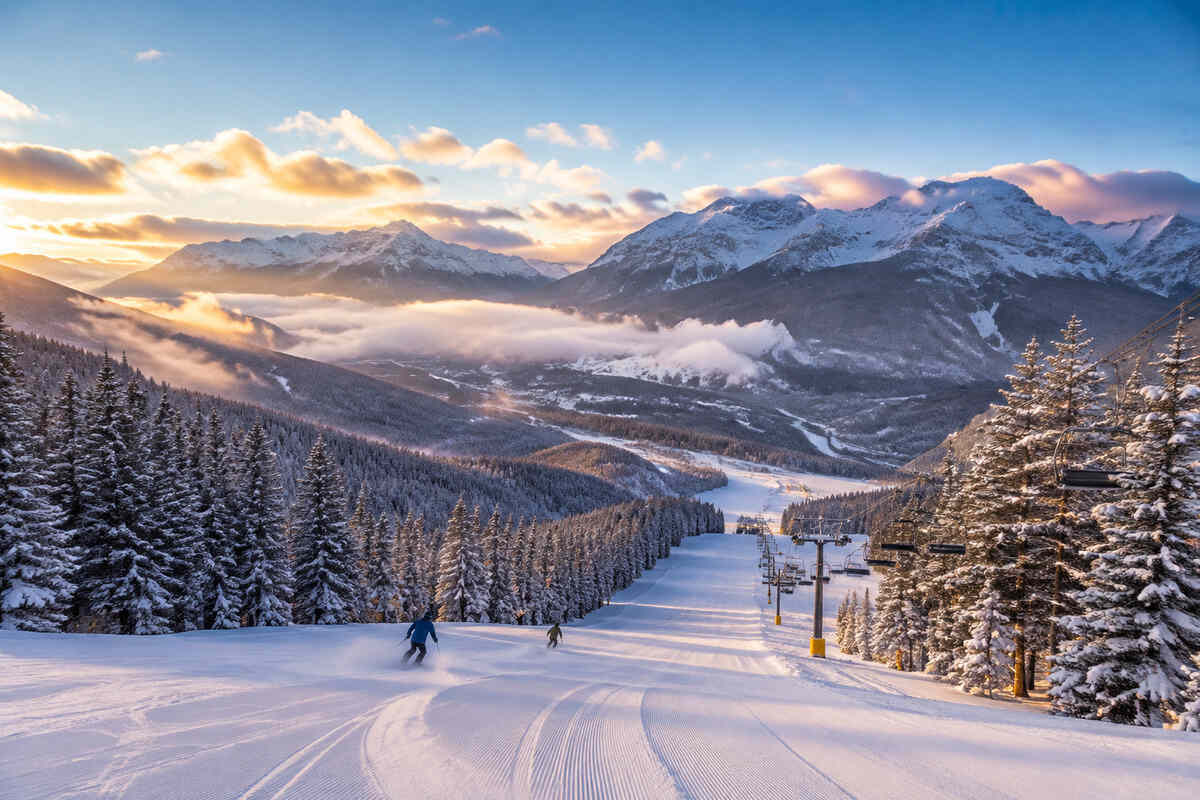
Image generated with Ai
Alberta and British Columbia are getting an early start to the ski season after recent snowfall blanketed many of the Canadian Rockies’ resorts, including higher-altitude skiing areas of flagship ski destinations, giving skiers and snowboarders a preview of the 2026–27 season. While the early snowfall will not open the ski season immediately, it is a sign of the approaching colder season and an eagerly awaited opportunity for skiers, snowboarders, and winter tourists getting ready to embrace Canada’s alpine adventure.
High-altitude areas linked to popular winter resorts recorded their first snow of the season as cooler temperatures moved across western Canada’s mountain regions. The early snowfall reached destinations including SkiBig3 in Alberta, Panorama Mountain Resort in British Columbia and terrain operated by CMH Heli-Skiing & Summer Adventures.
Advertisement
The Canadian snowfall came shortly after Crystal Mountain in Washington recorded the first Northern Hemisphere snowfall linked to an Ikon Pass destination for the upcoming winter season. The late-August weather event highlighted the gradual transition from summer conditions towards the colder months ahead.
The first snowflakes of the season appeared at some of Canada’s most recognised ski areas, with higher elevations in the Canadian Rockies experiencing brief periods of winter-like weather.
Advertisement
Advertisement
In Alberta, elevated areas around Banff Sunshine and Lake Louise Ski Resort received a fresh dusting of snow, creating a preview of the conditions that will eventually define the winter landscape. Meanwhile, in British Columbia, snowfall reached the upper areas of Panorama Mountain Resort, while CMH recorded snow across parts of its Bobbie Burns terrain.
Although the early snowfall does not signal an immediate opening of ski slopes, it represents a seasonal milestone for the winter sports industry. Mountain operators, ski professionals and winter travellers closely watch these early weather patterns as they provide the first indication that the transition towards the ski season has begun.
Late summer snowfall is not uncommon in the higher elevations of western Canada. Mountain environments can experience rapid temperature changes during the final weeks of summer, allowing snow showers to develop even before autumn officially arrives.
However, the sight of snow-covered peaks before September creates renewed excitement among skiers and snowboarders preparing for another winter season.
The arrival of snow comes at a key period for the global ski industry, as athletes, training programmes and winter sports organisations begin preparations for the upcoming season.
Across the Northern Hemisphere, competitive ski teams traditionally use late summer and autumn periods to prepare on snow before major events begin. Access to dependable training conditions plays a vital role for professional racers, youth programmes and ski academies planning their preseason schedules.
European glaciers have historically been important locations for summer and autumn ski training. However, changing weather patterns and increasingly unpredictable conditions have encouraged teams to explore more flexible training options across different regions.
For North American ski programmes, early snowfall in the Canadian Rockies provides a positive sign that winter conditions are gradually returning. While the current snow coverage is not enough for race courses or full resort operations, it signals the beginning of the seasonal shift.
The combination of early snowfall in Washington, Alberta and British Columbia suggests that winter preparations are moving closer across western North America.
The Canadian Rockies remain among the world’s most recognised winter tourism regions, attracting skiers, snowboarders and adventure travellers from international markets each year.
Destinations such as Banff Sunshine, Lake Louise Ski Resort and Panorama Mountain Resort are known for their extensive terrain, mountain scenery and long winter seasons. The early arrival of snow adds to the growing anticipation among visitors planning ski holidays for the 2026–27 season.
For mountain communities, the winter period represents a significant part of the tourism economy. Resort operations, accommodation providers, transportation services and local businesses rely heavily on seasonal visitors seeking snow-based experiences.
The first snowfall also plays an important role in building interest among travellers looking ahead to winter escapes. While consistent snow accumulation will be required before resorts can begin full operations, the early weather event provides a glimpse of the conditions that could shape the months ahead.
As temperatures continue to shift, ski destinations across North America are entering the final stages of preparation for the new winter season.
Resorts are expected to continue monitoring weather conditions, maintaining infrastructure and preparing services ahead of the arrival of regular winter visitors. Skiers and snowboarders, meanwhile, are beginning to plan trips, purchase equipment and follow seasonal forecasts.
Alberta and British Columbia are sparking winter excitement as early snowfall reaches Canadian Rockies ski destinations, offering the first sign of the approaching 2026–27 ski season and renewed traveller interest in mountain adventures.
The early snowfall in Alberta and British Columbia has begun, signaling the start of the growing excitement for the 2026-27 season Canadian ski season. Once again, the Canadian Rockies will be open for business for the winter visitors. The consistent snow coverage and resort operations are still weeks away, but the first white peaks promise to bring back the skiing, snowboarding and mountain adventures that draw visitors from around the world.
Advertisement
Tags: Alberta Ski Resorts, British Columbia winter travel, Canada Ski Season 2026-27, Canadian Rockies Snowfall, Travel News
Advertisement
Advertisement












Thursday, September 3, 2026

Thursday, September 3, 2026

Thursday, September 3, 2026

Thursday, September 3, 2026

Wednesday, September 2, 2026

Wednesday, September 2, 2026

Thursday, September 3, 2026

Thursday, September 3, 2026



