
Brazil Unites Argentina, Uruguay and Other Nations as Luxury Travel Summit in São Paulo Targets High-End Tourism Companies from South America, North America and Europe

Published
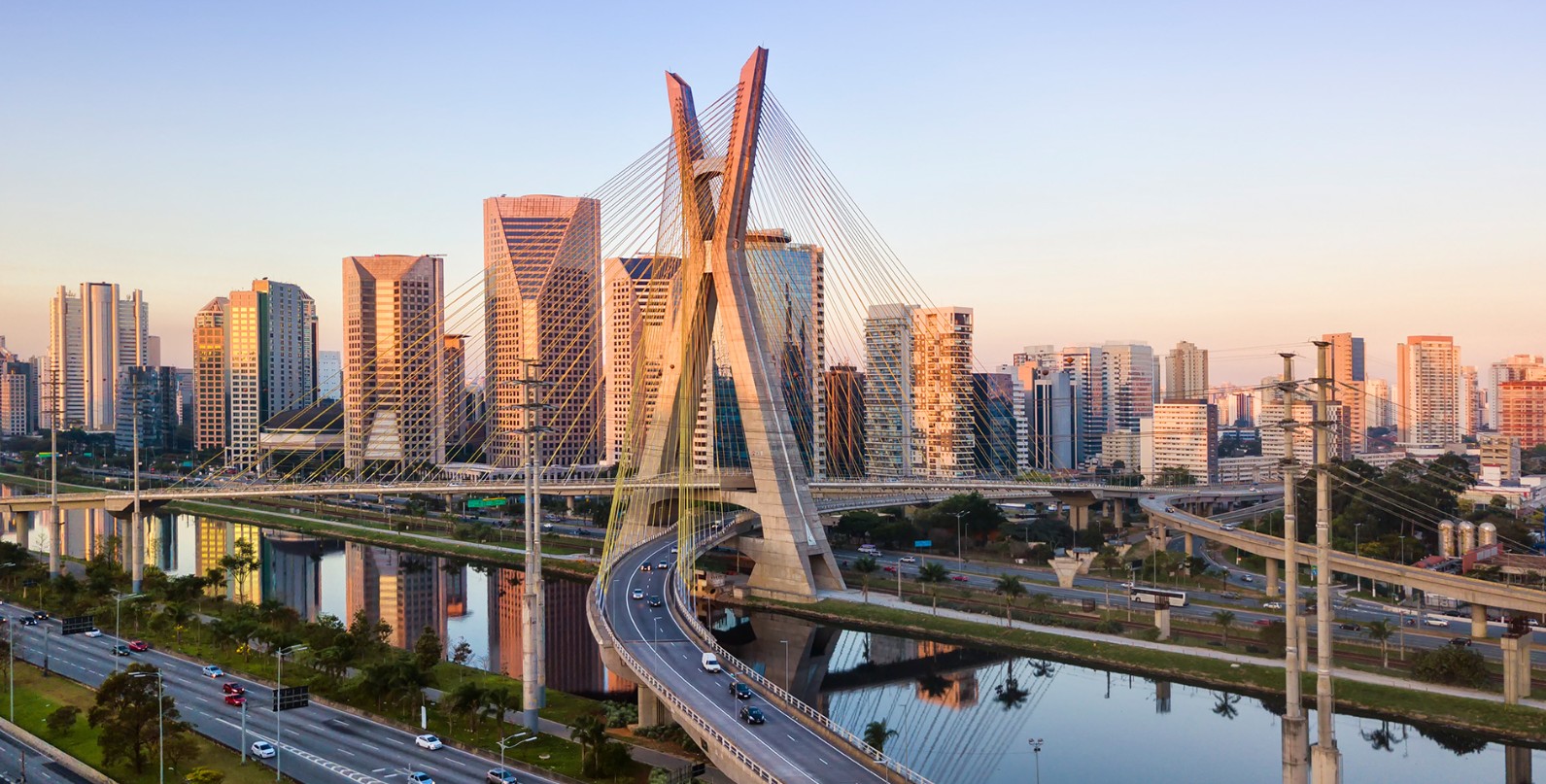
As the global travel landscape undergoes a profound transformation, Brazil has positioned itself at the absolute epicentre of the industry. The groundbreaking luxury travel summit in São Paulo has successfully united Argentina, Uruguay, and other allied nations to aggressively target high-end operators from across the globe. This unprecedented strategic alignment signals a definitive turning point for South America luxury tourism, attracting significant investments from North American and European markets. With the sector projected to outpace global growth averages this year, understanding these newly forged regional partnerships is essential for stakeholders looking to capitalise on the continent’s lucrative, evolving travel economy.
Background: The Unprecedented Rise of the South American Premium Market
For decades, the South American continent has been revered for its unparalleled biodiversity, rich cultural heritage, and iconic historical landmarks. However, the region historically operated in silos when marketing to high-net-worth individuals and premium travel operators. Individual nations such as Brazil, Argentina, and Uruguay competed for the same demographic of affluent European and North American travellers, often resulting in fragmented itineraries and inefficient regional connectivity.
By the dawn of 2026, a fundamental shift occurred. Recognising that modern high-end consumers prefer multi-country itineraries that offer seamless transitions between distinct cultural experiences—from the bustling cosmopolitan flair of São Paulo to the renowned vineyards of Mendoza and the sophisticated coastal retreats of Punta del Este—regional governments and private sector leaders initiated a collaborative framework. This cooperative ethos laid the foundation for the landmark events of October 2026, wherein the concept of a unified South America luxury tourism block transitioned from a theoretical objective into a fully operational reality.
Latest Official Developments: The São Paulo Luxury Travel Summit 2026
The convergence of industry titans at the luxury travel summit in São Paulo marks a watershed moment in international tourism relations. Acting as the primary commercial hub of Latin America, São Paulo naturally assumed the role of host city, bringing together the Brazilian Luxury Travel Association (BLTA) alongside premier delegations from Argentina’s National Institute of Tourism Promotion (INPROTUR) and Uruguay’s Ministry of Tourism.
Advertisement
Advertisement
The summit was explicitly designed to connect the region’s most exclusive and sought-after travel experiences with leading luxury travel buyers and advisors from North America, Europe, and emerging luxury markets in Asia. High-end tourism companies presented a consolidated portfolio of the continent’s premier offerings. Rather than presenting isolated national campaigns, the summit debuted harmonised regional circuits. These bespoke itineraries highlight private Amazonian ecological reserves, exclusive Patagonian lodges, and VIP coastal yachting experiences, all marketed under a cohesive, premium brand identity designed to attract the world’s most discerning clientele.
Government Announcements and Multilateral Agreements
The summit was heavily supported by a series of multilateral government announcements aimed at reducing bureaucratic friction for high-net-worth travellers. Senior ministers from Brazil, Argentina, and Uruguay outlined frameworks for expanded digital nomad visas and expedited border control protocols for premium travellers.
Advertisement
Advertisement
A central pillar of these governmental announcements was the commitment to enhancing cross-border infrastructure. Joint communiqués issued during the summit confirmed targeted government investments in upgrading secondary airports to accommodate private aviation—a crucial requirement for the elite traveller demographic. Furthermore, collaborative marketing funds have been established, pooling national resources to launch high-impact promotional campaigns in key target cities such as London, New York, Paris, and Dubai. These public-private partnerships underscore a unified commitment to elevating the South America luxury tourism sector into a globally competitive powerhouse.
Official Statistics: Evaluating the 2026 Travel and Tourism Landscape
The optimism permeating the São Paulo summit is firmly rooted in verified, highly encouraging economic data. According to the latest Economic Impact Research (EIR) published by the World Travel & Tourism Council (WTTC) in 2026, the Travel & Tourism GDP across Central and South America is forecast to grow by a robust 4.1% this year, comfortably outpacing the global average of 3.2%.
Advertisement
Advertisement
Furthermore, the South America Travel and Tourism market size is officially valued at USD 117.05 billion in 2026, up from USD 110.11 billion in 2025, and is projected to expand to USD 158.86 billion by 2031. Brazil alone commands a dominant 23.20% share of this market. The sector’s employment footprint is equally substantial; the WTTC projects that Travel & Tourism will support 18.5 million jobs across the broader region in 2026, representing an impressive 8.3% of all regional employment. These figures categorically demonstrate that the strategic pivot towards high-yield luxury tourism is not merely a branding exercise, but a highly lucrative economic imperative driving regional prosperity.
Policy Implications: Streamlining Visas and Digital Integration
To capitalise on these robust growth projections, regional policymakers are rapidly overhauling outdated regulatory frameworks. The integration of advanced digital booking systems and seamless cross-border payment infrastructure has become a primary policy objective. With online booking penetration now exceeding 50% across South America—largely driven by mobile-first consumer behaviour—governments are actively working with financial regulators to ensure frictionless international transactions.
Policy changes are also focusing on sustainability and ecological preservation. Recognizing that the luxury demographic places a high premium on eco-conscious and culturally authentic experiences, environmental ministries are introducing stricter zoning laws around UNESCO World Heritage sites and fragile biomes. These policies are designed to prevent overtourism while simultaneously increasing the exclusivity and intrinsic value of the experiences offered to high-end visitors.
Industry Impact: Aviation, Hospitality, and Infrastructure
The operational impact of the São Paulo summit is being felt most acutely within the aviation and hospitality sectors. The expansion of regional connectivity is a critical enabler for multi-nation luxury itineraries. The deployment of advanced narrowbody aircraft, such as the Airbus A321XLR, and massive regional fleet modernisations—including South America’s order of up to 74 Embraer E195-E2 aircraft—are revolutionising intra-regional and long-haul connectivity.
Advertisement
Advertisement
These aviation advancements allow luxury carriers and charter services to establish direct, non-stop routes between secondary luxury destinations—such as flying directly from a boutique resort in coastal Uruguay to the heart of the Brazilian Pantanal—bypassing congested major hubs. In the hospitality sector, international luxury hotel groups are aggressively expanding their regional footprints. The summit has catalyzed a wave of new joint ventures between European hotel operators and local South American developers, resulting in a surge of planned five-star boutique properties and ultra-luxury eco-lodges designed specifically to cater to the influx of premium international clientele.
Economic Implications for Local Communities
While the focus remains heavily on high-end, exclusive experiences, the macroeconomic benefits of this luxury tourism surge are cascading down to local economies. High-net-worth travellers exhibit a significantly higher average spend per day compared to budget tourists. This capital injection supports a vast ecosystem of ancillary businesses, ranging from artisanal craft cooperatives and organic agricultural producers to specialized multilingual guide services and private transportation networks.
By focusing on low-volume, high-yield tourism, governments in Brazil, Argentina, and Uruguay are attempting to maximise economic output while minimising the physical wear-and-tear on their national infrastructure and natural landscapes. The 18.5 million jobs supported by the sector in 2026 are increasingly shifting towards higher-skilled, better-paying roles in hospitality management, culinary arts, and specialised experiential curation. This transition is essential for retaining local talent and fostering long-term, sustainable economic mobility within the continent.
Tourism, Business, and Public Impact
The public perception of tourism in South America is undergoing a positive transformation. Historically, regions dependent on mass tourism have occasionally faced pushback from local populations dealing with overcrowded public spaces and inflated local property markets. The unified shift towards South America luxury tourism actively mitigates these issues.
For the business community, the unified front presented in São Paulo offers unparalleled networking and expansion opportunities. Local tour operators now have direct, streamlined access to the world’s most lucrative buyer networks. Corporate travel and the MICE (Meetings, Incentives, Conferences, and Exhibitions) sectors are also benefiting, as the upgraded infrastructure required for luxury leisure travel equally serves high-level corporate retreats and international executive summits.
Expert and Official Statements
The sentiment among international tourism bodies reflects deep confidence in the region’s collaborative strategy. The World Travel & Tourism Council has been vocal in its endorsement of the region’s current trajectory. Commenting on the 2026 forecasts, WTTC officials noted that the region possesses a distinct opportunity to fundamentally strengthen its global competitiveness and secure sustained, long-term growth by leveraging its unique cultural and natural assets.
Advertisement
Advertisement
Furthermore, data analytics firms tracking the industry highlight that the integration of contactless payments, digital wallets, and AI-powered servicing has embedded deep trust in the region’s travel purchase journeys, particularly among European and North American consumers who demand frictionless digital experiences. These verified official projections provide a solid, data-backed foundation for the optimistic atmosphere dominating the São Paulo summit.
Future Outlook: Trajectory Toward 2031
Looking ahead, the strategic alliances forged in São Paulo are expected to yield exponential dividends. With the South American Travel and Tourism market projected to reach nearly USD 159 billion by 2031, the continent is on track to become a dominant force in the global luxury travel sector.
The continued rollout of advanced aviation infrastructure, coupled with an unwavering commitment to sustainable, high-yield tourism, will ensure that Brazil, Argentina, Uruguay, and their regional partners remain at the forefront of international travel trends. As global high-end tourism companies continue to shift their focus southward, the legacy of the 2026 São Paulo luxury travel summit will be remembered as the catalyst that successfully united a continent, permanently elevating the global standard for premium, culturally immersive travel.
Advertisement
