
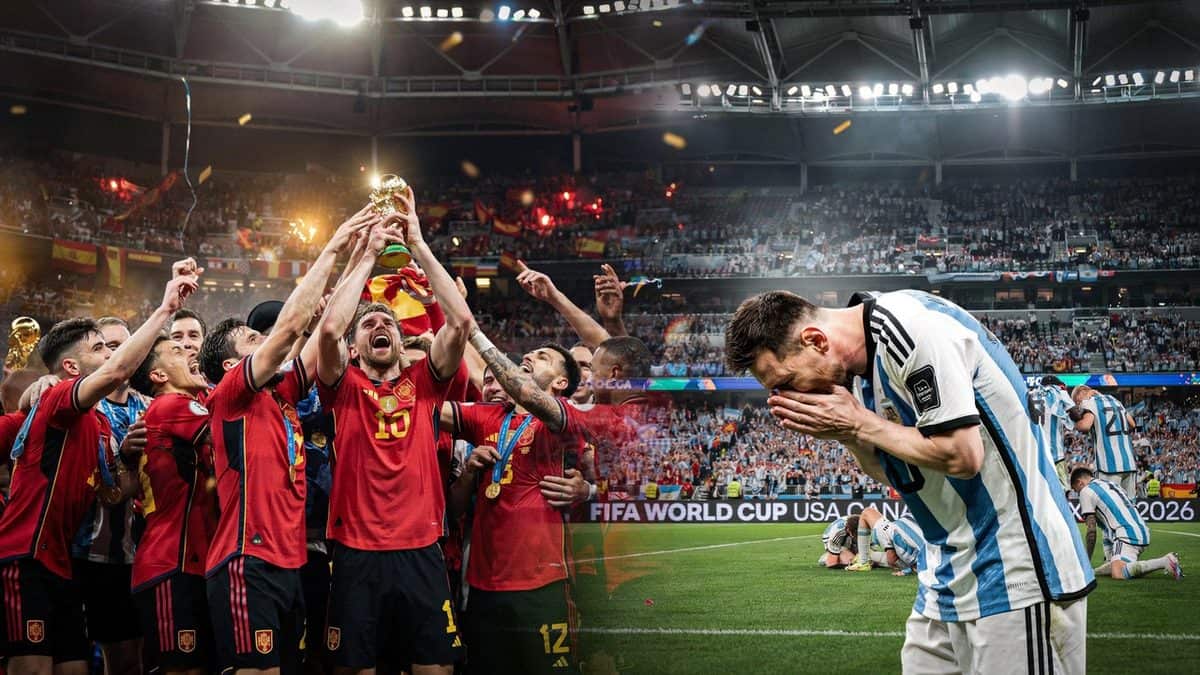
Image generated with Ai
Austria and more countries are powercharging Europe’s tailgate tourism boom as sports travel transforms match days into longer holidays, boosting hotels, restaurants and destination spending.
Austria and more countries are powercharging Europe’s tailgate tourism, as sport increasingly drives travel beyond the stadium. Traditionally, tailgating belonged to American football. However, Europe is creating its own version through football, rugby, tennis and major sporting events. Fans now travel for the match, but they also book hotels, visit restaurants, explore cities and join fan events. As a result, tourism businesses can capture spending before and after kick-off.
Advertisement
Moreover, destinations can use sport to attract visitors outside traditional peak periods. Across Europe, this shift is turning short match-day trips into longer travel experiences, while strengthening tourism demand and creating wider economic opportunities.
Europe’s tailgate tourism boom is changing how travel and tourism respond to sport. The trend is no longer limited to American-style parking-lot parties. Instead, Europe is turning match days into wider travel experiences. Across 12 countries, sports events are encouraging visitors to book hotels, eat locally, use transport, visit attractions and remain longer. The latest research shows sporting events generated 41.4% of incremental tourism spending linked to events across the markets studied in 2025. Meanwhile, event-related tourism spending increased 7%. Therefore, Europe’s travel and tourism industry is discovering a powerful formula: sport creates the reason to travel, while the destination creates the reasons to stay and spend.
Advertisement
Europe is developing its own version of tailgate tourism. The American model centres on the pre-game gathering, but European travel behaviour often revolves around pubs, fan zones, public viewing areas, city centres, restaurants and organised supporter activities.
Research by Mabrian and Data Appeal covering Austria, Belgium, France, Germany, Greece, Ireland, Italy, the Netherlands, the United Kingdom, Spain, Sweden and Switzerland found that event-related tourism spending rose 7% in 2025. Sporting events accounted for 41.4% of incremental tourism spending generated by visitors travelling specifically for events.
The European Parliament also identifies sports tourism as a strategic part of the EU tourism economy, with the potential to support regional development, reduce seasonality and direct visitors towards emerging destinations.
Austria is part of Europe’s expanding event tourism network, where sporting fixtures can create additional demand for accommodation, food, transport and city experiences. The model gives destinations another reason to attract visitors outside traditional holiday periods.
Advertisement
Advertisement
Belgium recorded strong event-related tourism momentum in 2025. Its position in European football and cycling, combined with accessible cities, allows sports travel to generate spending across hospitality, restaurants and transport.
France remains one of Europe’s largest event tourism markets. Major football, rugby, tennis and motorsport occasions can spread visitor spending beyond stadiums, supporting hotels, restaurants, attractions and local transport.
Germany is a major sports tourism destination, supported by its football culture, stadium infrastructure and international events. The country’s large cities can convert match attendance into overnight stays, dining, shopping and sightseeing.
Greece stands out because sport accounted for around 57% of event-related tourism spending in the 2025 analysis. That highlights the potential for sports to complement traditional leisure tourism and broaden the country’s visitor economy.
Ireland is another market where sport has a particularly strong role in event tourism. Sports accounted for around 57% of event-related tourism spending in the research, reinforcing the ability of major fixtures to create wider travel demand.
Italy combines football, motorsport, tennis and other major sporting events with a mature tourism infrastructure. This allows sports visitors to add restaurants, cultural attractions, shopping and regional travel to their match-day itineraries.
The Netherlands benefits from strong urban connectivity and an established sports culture. Football events can encourage visitors to combine matches with Amsterdam and other city experiences, creating a broader tourism proposition.
The UK arguably has Europe’s clearest equivalent to American tailgate tourism through its famous football away-day culture. Supporters travel between cities, use pubs and restaurants, book accommodation and often extend a match into a weekend break.
Spain’s globally recognised football clubs provide a powerful tourism asset. Stadium visits, matches, museums, hospitality and city attractions allow football to generate travel demand even beyond individual fixtures.
Sweden also recorded a strong sports share in event-related tourism spending, at around 57%. This demonstrates how sporting occasions can become meaningful tourism drivers in smaller European markets.
Switzerland adds another dimension through its combination of sports, mountain destinations and premium hospitality. Sporting events can encourage visitors to connect urban match experiences with wider leisure travel.
Europe does not need to copy America’s parking-lot tradition. The underlying principle is more important: sport creates the travel trigger, while the destination captures the wider spending.
A supporter arriving for a match may need a hotel room, restaurant meal, local transport and entertainment. A major event can therefore generate economic activity far beyond ticket sales.
That matters because the European Parliament says sports tourism can help address seasonality and support less-visited destinations. Its 2026 briefing also notes that sport and sport-related services support about 6.05 million jobs across the EU, with accommodation, food and transport among the connected sectors.
For tourism boards, the opportunity is clear. They can package match tickets with hotels, promote local restaurants, develop fan zones and encourage visitors to add attractions or regional excursions.
Europe’s tailgate tourism story is ultimately about behaviour, not barbecue grills.
The modern sports traveller increasingly wants a complete experience. A football match can become a weekend in Manchester, Madrid or Milan. A cycling event can support regional travel. A tennis tournament can stimulate restaurant and hotel demand.
The latest evidence suggests this model is already producing measurable tourism value. Sport generated the largest share of incremental event-related tourism spending across the 12 European markets studied in 2025.
As European destinations compete for visitors, sporting events offer a powerful way to convert short attendance into longer stays. The match may last two hours, but the tourism opportunity can last several days.
The cause is simple: travellers increasingly seek live experiences, while European destinations need stronger ways to generate travel demand beyond peak seasons. The answer is sports tourism, which connects matches with hotels, restaurants, transport, shopping, attractions and nightlife. The reason the model works is that fans already have a strong motivation to travel. Once they arrive, tourism businesses can capture spending before, during and after the event. Research across 12 European markets shows sporting events generated 41.4% of incremental tourism spending linked to events in 2025. Consequently, football, rugby, tennis, cycling and motorsport can turn short sporting visits into longer, higher-value tourism journeys.
The cause is changing traveller behaviour. Fans increasingly want memorable live experiences, while European destinations need new ways to strengthen travel demand. The answer is sports-led tourism, which connects matches with accommodation, restaurants, transport, entertainment and attractions. Austria and more countries are therefore powercharging Europe’s tailgate tourism model in their own ways. The reason is straightforward: a major sporting event gives travellers a compelling reason to visit, but the surrounding destination encourages them to stay longer and spend more. Consequently, Europe’s tailgate tourism opportunity extends well beyond stadiums, creating additional value for hotels, restaurants, retailers, tourism boards and local economies.
Austria and more countries are powercharging Europe’s tailgate tourism opportunity as sports reshape travel behaviour. The European model differs from traditional American tailgating, yet the economic principle remains similar. Sport attracts the visitor, while tourism experiences encourage longer stays and additional spending. Furthermore, football, rugby, tennis and other major events can distribute visitor demand across hotels, restaurants, transport networks and attractions. As Europe continues developing sports tourism, destinations have an opportunity to turn match days into multi-day holidays. Ultimately, tailgate tourism is becoming less about parking lots and more about the complete travel experience surrounding the sport, city and destination.
Europe’s tailgate tourism boom is evolving into a broader sports travel economy. The continent is not copying America’s parking-lot tradition; it is adapting the concept to its own cities, cultures and sporting communities. Across 12 markets, sports generated 41.4% of incremental event-related tourism spending in 2025, while overall event tourism spending increased 7%. The strongest opportunity lies in converting match attendance into overnight stays, dining, sightseeing, transport use and additional entertainment. For destinations, the lesson is straightforward: sport can become a tourism gateway. As travellers continue seeking live experiences, European cities and regions can use major sporting events to attract visitors, extend stays and increase spending.
Advertisement
Advertisement
Advertisement













Sunday, September 6, 2026
Sunday, September 6, 2026

Sunday, September 6, 2026

Sunday, September 6, 2026

Saturday, September 5, 2026
Saturday, September 5, 2026

Sunday, September 6, 2026

Sunday, September 6, 2026



