
Romania Emerges Stronger on Global Travel Map in 2026 Despite Domestic Tourism Challenges

Published
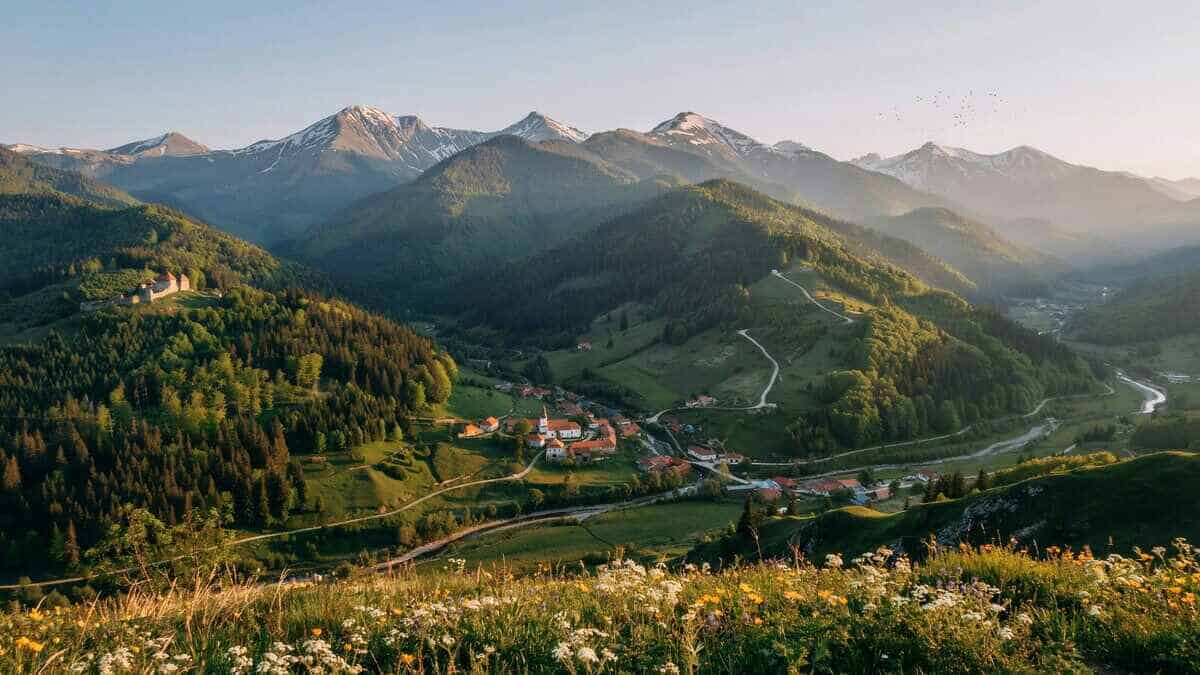
Image generated with Ai
Romania is balancing pressure on domestic travel by positively integrating international travel into the tourism market by 2026. In the Romanian tourism market, international travel is the new growth driver as local travel continues to slow. Romania recorded 5.56 million tourist arrivals in the first half of 2026, marking a 4.1% decrease from the previous year, and accommodation facilities registered 10.8 million overnight stays, a decrease of 6.7%. With new international visitors, especially Europeans and North Americans, Romania is creating a new international tourism growth model.
The decline was mainly caused by fewer Romanian residents travelling within the country, while foreign visitors delivered a positive performance. International arrivals increased significantly, supported by stronger demand from European and North American markets. The latest figures highlight a changing tourism landscape where Romania is becoming increasingly dependent on overseas travellers to support future growth.
International Travellers Become the Driving Force Behind Romania’s Tourism Growth
Romania’s foreign tourism market delivered the strongest performance during the first half of 2026, creating a positive contrast with the overall decline in visitor numbers.
The country welcomed 1.19 million international tourists between January and June 2026, representing a 7.3% increase compared with the same period in 2025. Foreign visitors generated 2.48 million overnight stays, increasing by 6.2% annually.
Advertisement
Advertisement
International travellers accounted for 21.4% of all tourist arrivals recorded at Romanian accommodation facilities. This growing contribution demonstrates that Romania is strengthening its position as an attractive European destination for visitors searching for culture, history, nature and authentic experiences.
Advertisement
Advertisement
The increase in international demand provides an important opportunity for Romania’s tourism sector. The country’s historic cities, mountain landscapes, traditional villages and cultural attractions continue to attract travellers looking for alternatives to Europe’s most crowded destinations.
European Visitors Strengthen Romania’s Tourism Recovery
European markets remained the foundation of Romania’s international tourism performance in 2026.
Travellers from European countries represented 77.5% of all foreign tourists visiting Romania during January–June. Visitors from European Union countries accounted for the largest share, representing 55.6% of foreign arrivals.
EU tourist arrivals increased by 8% compared with the previous year, while their overnight stays rose by 7.1% to 1.33 million nights.
The strong European performance reflects Romania’s growing appeal among nearby markets. Short holidays, cultural city breaks and nature-focused trips continue to attract visitors from neighbouring and wider European countries.
Advertisement
Advertisement
Romania’s historic destinations, including Bucharest, Brașov and Cluj, remain important tourism centres. These locations combine heritage attractions, modern hospitality facilities and easy access to surrounding natural areas.
North American Demand Creates New Tourism Opportunities for Romania
One of the biggest growth stories in Romania’s tourism market came from North America.
Although North American visitors represented 7.8% of foreign tourist arrivals, the market recorded a significant increase during the first six months of 2026.
Visitor numbers from North America climbed by 23.5% year on year, while overnight stays increased by 28.7% to 211,000 nights.
The growth shows increasing international recognition of Romania as a destination offering unique European experiences. Travellers from the United States and Canada are increasingly exploring destinations beyond traditional European tourism hotspots.
Advertisement
Advertisement
Romania’s medieval heritage, famous castles, Carpathian landscapes and cultural traditions are becoming stronger attractions for long-distance visitors seeking memorable experiences.
The rise in North American tourism highlights the country’s potential to expand further into global travel markets.
Asian Tourism Slows as Visitor Numbers Experience Pressure
While Europe and North America delivered strong results, Asian tourism experienced a difficult period in the first half of 2026.
The number of Asian visitors travelling to Romania declined by 12.6% annually, with the market accounting for 9.1% of foreign tourist arrivals.
Overnight stays generated by Asian travellers also decreased, falling by 15.9% to 267,200 nights.
Advertisement
Advertisement
The decline reflects challenges affecting long-haul tourism markets, including travel costs, international connectivity changes and increasing competition from other European destinations.
Although Asia remains a valuable source market for Romania, the latest figures indicate that additional efforts may be needed to strengthen awareness, improve accessibility and attract more visitors from the region.
Domestic Tourism Weakness Becomes Romania’s Biggest Challenge
The largest pressure point for Romania’s tourism industry in 2026 came from the domestic market.
Romanian travellers continued to represent the majority of tourism activity, accounting for 78.6% of total arrivals. However, domestic tourism recorded a noticeable decline during the January–June period.
The number of Romanian tourists fell to 4.36 million, representing a 6.8% annual decrease.
Advertisement
Advertisement
Domestic overnight stays experienced an even sharper fall, dropping by 10% to 8.32 million nights.
The decline indicates changing travel behaviour among Romanian residents, including fewer domestic holidays, shorter trips or reduced spending on local tourism experiences.
Because domestic travellers remain the largest customer group for Romanian accommodation providers, the slowdown has created challenges for hotels, resorts and tourism businesses across the country.
Romania’s Major Tourism Destinations Maintain Strong Appeal
Despite the decline in overall tourism numbers, Romania’s key destinations continued attracting visitors.
Bucharest remained one of the country’s strongest tourism engines, supported by international arrivals, business travel, cultural attractions and urban tourism experiences.
Advertisement
Advertisement
Brașov continued benefiting from its historic architecture, mountain surroundings and access to popular attractions, while Cluj maintained its importance through cultural events, business tourism and city experiences.
Beyond major cities, Romania’s rural destinations and natural landscapes continue offering significant tourism potential. The Carpathian Mountains, traditional villages and historical attractions remain valuable assets that can support future tourism growth.
The performance of these destinations shows that Romania continues to have strong foundations for expanding its tourism economy.
Romania Tourism Outlook Depends on International Growth and Domestic Recovery
The first half of 2026 shows that Romania’s tourism industry is entering a new phase. The country recorded an overall decline, but international markets provided encouraging signs of future growth.
Foreign visitor increases from Europe and North America demonstrate Romania’s rising international appeal. However, the continued decline in domestic travel remains a key issue that requires attention.
Advertisement
Advertisement
Future tourism development will depend on attracting more global visitors, improving transport connections, increasing tourism spending and encouraging longer stays.
Romania has significant advantages, including cultural heritage, natural beauty and diverse travel experiences. By balancing international expansion with stronger domestic tourism, the country can build a more stable and competitive tourism sector.
The 2026 tourism figures represent more than a temporary decline. They reveal a major shift in how Romania’s tourism market is evolving, with international travellers becoming an increasingly important part of the country’s travel future.
Advertisement
