

Nepal’s Pokhara, Bharatpur and Lumbini Build Silver Triangle Tourism Circuit to Drive Longer Multi-City Stays

Published
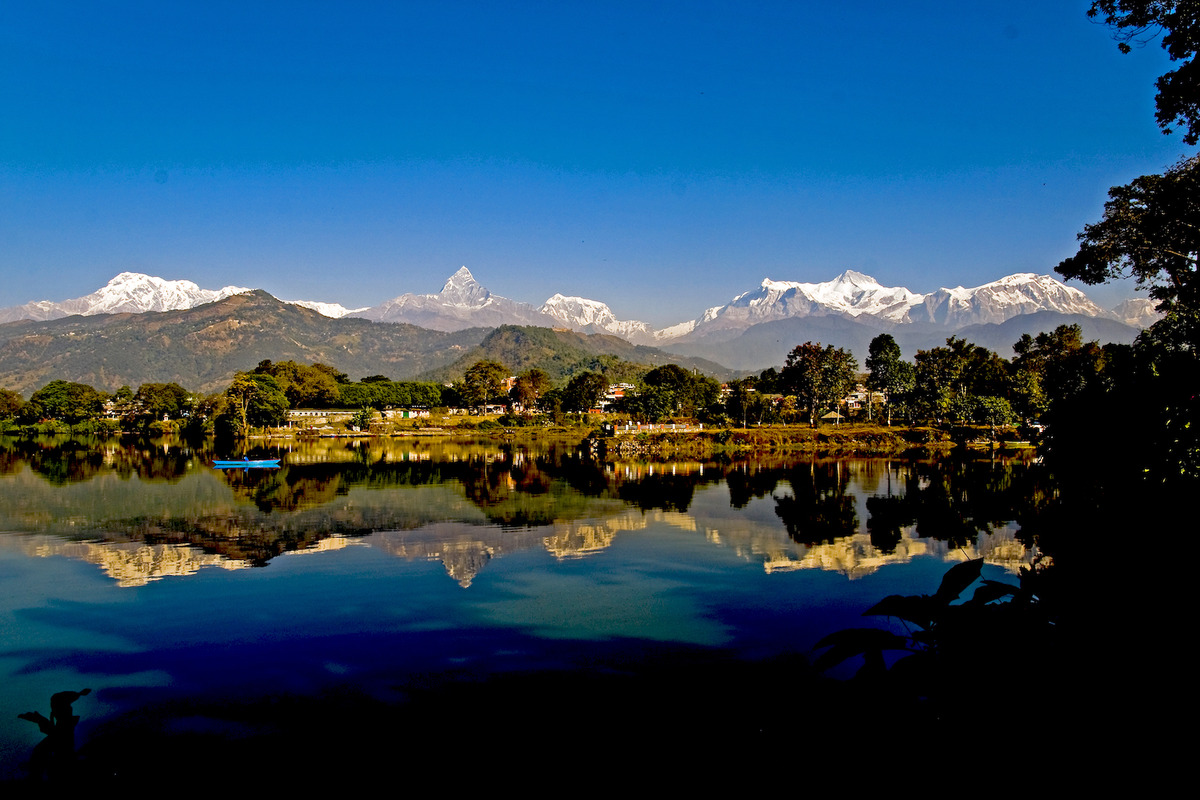
Pokhara, Bharatpur and Lumbini are moving ahead with Nepal’s Silver Triangle tourism initiative, a multi-destination circuit linking adventure, wildlife and spiritual travel across Kaski, Chitwan and Rupandehi, following an inter-municipal agreement signed in May 2025 and subsequent implementation measures designed to increase visitor stays, strengthen regional connectivity, support tourism businesses and spread tourism spending beyond individual destination hubs. The three local governments are seeking to position the route as one of Nepal’s most diverse integrated tourism products. Pokhara brings mountain landscapes, lakes and adventure activities. Bharatpur provides access to wildlife and nature experiences in the wider Chitwan region. Lumbini adds one of Nepal’s most internationally recognised pilgrimage and cultural destinations.
Together, the destinations create a tourism proposition that can move travellers through three very different environments without requiring them to leave Nepal. The project has developed beyond destination branding. The participating municipalities are working on shared information systems, coordinated marketing material, private-sector cooperation, integrated travel packages and connectivity measures. Tourism businesses are also beginning to package the three destinations into longer itineraries designed to increase both visitor movement and expenditure.
Silver Triangle Combines Three of Nepal’s Strongest Tourism Experiences
The fundamental strength of the Silver Triangle lies in the differences between the three destinations.
| Destination | Province/Region | Core Tourism Strength | Key Visitor Appeal |
|---|---|---|---|
| Pokhara | Kaski | Adventure and mountain tourism | Lakes, Himalayan scenery, trekking access, outdoor activities |
| Bharatpur | Chitwan | Nature and wildlife | Chitwan region, wildlife experiences, river landscapes and nature tourism |
| Lumbini | Rupandehi | Culture and pilgrimage | Buddhist heritage, monasteries, archaeological sites and spiritual travel |
Pokhara is positioned as the adventure pillar. Its lakes, mountain setting and role as a gateway to the Annapurna region make it one of Nepal’s most established leisure destinations. Travellers can combine sightseeing with trekking, boating, paragliding and other outdoor activities.
Advertisement
Advertisement
Bharatpur provides a different type of experience. Located in Chitwan, it serves as an important gateway for visitors seeking wildlife, forest and nature-based tourism. Its position also makes it commercially important as a transport and accommodation centre connecting travellers with the wider Chitwan region.
Lumbini provides the cultural and spiritual anchor. As the birthplace of Lord Buddha, it holds global significance for Buddhist pilgrims and attracts travellers interested in religion, archaeology, heritage and history. That mix allows Nepal to sell the route not simply as three cities, but as three complementary reasons to travel.
Advertisement
Advertisement
The May 2025 Agreement Created the Framework for Joint Tourism Growth
The Silver Triangle initiative is rooted in cooperation between Pokhara Metropolitan City, Bharatpur Metropolitan City and Lumbini Cultural Municipality. The municipalities signed a Memorandum of Understanding in May 2025 to establish a framework for joint tourism promotion. The agreement was designed to encourage greater coordination between local governments while also strengthening links with tourism businesses.
The structure combines Government-to-Government and Business-to-Business cooperation. On the government side, the municipalities can coordinate promotion, infrastructure priorities, information sharing and regional planning. On the commercial side, travel agencies, hotels, transport companies, guides and tourism service providers can build products spanning all three destinations.
This is an important shift in how regional tourism can be organised. Instead of three municipalities competing for the same visitor, the model encourages them to share that traveller. A person who begins a journey in Pokhara can be encouraged to continue to Bharatpur and then Lumbini. A pilgrim entering Nepal primarily for Lumbini can be encouraged to add Chitwan and Pokhara to the same trip. The commercial objective is straightforward: increase length of stay, visitor spending and geographic distribution.
Digital Information Boards Will Support Cross-Promotion Between the Three Cities
One of the most practical implementation measures is the planned introduction of shared digital tourism information across major visitor points. Under the latest development framework, Pokhara, Bharatpur and Lumbini have agreed to introduce digital information boards at important transit and tourism locations. These systems are intended to promote not only the destination where the traveller is currently staying, but also the other two points in the Silver Triangle.
A visitor in Pokhara could therefore see information about wildlife experiences around Bharatpur or pilgrimage attractions in Lumbini. Travellers arriving in Lumbini could receive information about onward travel towards Pokhara or Chitwan. This type of cross-promotion could significantly improve tourism dispersal because it reaches travellers after they have already entered Nepal. The municipalities are also working on shared promotional brochures, videos and multilingual digital material. The aim is to create consistent destination messaging and make the Silver Triangle easier to understand as one tourism product rather than three unrelated stops.
Tour Operators Begin Turning the Route Into Longer Holiday Packages
The next stage is commercialisation. Tour operators and travel agencies are beginning to build structured Silver Triangle itineraries that combine Pokhara, Bharatpur and Lumbini into longer journeys. Some packages are being designed around stays of approximately 12 to 14 days, giving travellers enough time to experience all three tourism pillars while also accounting for transfers and additional sightseeing.
Advertisement
Advertisement
A typical itinerary may allocate around three to four days to Pokhara, where travellers can explore lakes, mountain viewpoints and adventure activities. Another two to three days may be spent around Bharatpur and Chitwan for wildlife, forest and nature-based experiences. Lumbini may account for around two days, allowing visitors to explore Buddhist heritage sites, monasteries, archaeological areas and the wider pilgrimage landscape.
The remaining journey can incorporate transfers, additional excursions and gateway stays. The importance of these packages goes beyond convenience. Longer itineraries have the potential to distribute visitor expenditure across a much larger tourism supply chain.
Integrated Booking Could Make Multi-City Nepal Travel Easier
Commercial operators are also moving towards bundling local transfers, domestic air sectors and sightseeing into unified travel products. This is particularly important in a country where travellers may otherwise need to organise separate transport and accommodation arrangements between major destinations.
An integrated Silver Triangle package can potentially combine:
- Accommodation in all three destinations
- Road transfers between tourism hubs
- Domestic air connections where commercially available
- Wildlife and nature excursions
- Adventure and outdoor activities
- Cultural and religious sightseeing
- Local guides and ground handling
- Airport transfers
- Multi-destination booking support
From a B2B perspective, this type of packaging can make Nepal easier to sell in international markets. Travel agents can offer a defined circuit rather than asking travellers to independently construct a route involving different provinces and transport systems. It also creates opportunities for destination management companies to negotiate bundled rates across hotels, transport providers and attractions.
Regional Airports Are Central to the Silver Triangle Strategy
The Silver Triangle also has a major infrastructure dimension. Nepal has invested heavily in international aviation capacity outside Kathmandu through Pokhara International Airport and Gautam Buddha International Airport, which serves the Lumbini area. Both airports are strategically important to Nepal’s attempts to diversify international access.
Advertisement
Advertisement
The Silver Triangle model can support those ambitions by building stronger tourism demand around the destinations they serve. Rather than treating the airports as isolated infrastructure projects, regional tourism authorities can connect them directly with multi-city itineraries. The broader objective is to improve the long-term commercial viability of aviation outside Kathmandu while reducing excessive dependence on the capital as the primary entry and transit point for international visitors.
The participating municipalities are also focusing on domestic connectivity. Coordination with private airlines and tourism stakeholders is intended to support more consistent travel options between Pokhara and the Lumbini region where commercially feasible. Improved air connectivity could be particularly useful during periods of heavy road congestion or difficult travel conditions. The success of the circuit will depend heavily on reliable overland links between the three destinations because road travel remains central to tourism movement across Nepal.
The Route Could Help Nepal Increase Visitor Length of Stay
The Silver Triangle addresses one of the most important questions in destination economics: how to persuade visitors to stay longer. Single-destination travellers normally concentrate spending in one location. Multi-destination travellers spread spending across several hotels, transport providers, restaurants, attractions and local businesses. That is particularly important for Nepal because its tourism assets are geographically diverse.
A visitor interested in the Himalayas may not automatically travel to Buddhist heritage destinations. A pilgrimage visitor may not automatically add wildlife or adventure experiences. The Silver Triangle attempts to bridge these segments. By connecting adventure, nature and culture within one defined route, Nepal can encourage travellers to experience more of the country during the same holiday. This could raise average trip length while also reducing the concentration of tourism activity in a limited number of traditional hubs.
Silver Triangle Tourism Fair Could Deepen B2B Partnerships
The planned Silver Triangle Tourism Fair represents another important stage in the initiative. Following stakeholder engagement in Bharatpur and Chitwan, participating municipalities have announced plans to bring tourism businesses together under a dedicated fair format. The event is expected to involve tour operators, travel agencies, hotel businesses and international travel partners.
Its value lies in converting destination cooperation into commercial relationships. Tour operators need accommodation contracts. Hotels need distribution partners. Transport providers need predictable demand. International agents need reliable local partners capable of handling multi-city itineraries. A tourism fair can connect those elements. The event can also provide a platform for packaging, contract discussions and destination familiarisation, while allowing the three municipalities to present a single regional proposition to buyers.
Advertisement
Advertisement
Silver Triangle Can Support Nepal’s Post-Disruption Tourism Recovery
The initiative also carries significance in the context of Nepal’s efforts to restore tourism confidence following periods affected by natural disasters and travel disruption. Destination campaigns such as Pokhara Visit Year 2025-2026 are part of a wider attempt to reinforce the message that Nepal’s major tourism centres remain ready for visitors. The Silver Triangle strengthens that message by widening the country’s tourism narrative.
Nepal does not need to rely solely on trekking or mountain tourism. The country can combine adventure with wildlife, culture, religion, wellness and regional exploration. That diversification is valuable when individual destinations face seasonal pressures or temporary disruption.
Stronger Regional Connectivity Could Unlock More Tourism Spending
The economic rationale behind the Silver Triangle is therefore broader than simple destination promotion. A successful circuit can create stronger visitor flows between municipalities and extend tourism revenues across multiple local economies. In Pokhara, spending can support adventure operators, hotels, guides, restaurants and transport services. In Bharatpur and the wider Chitwan area, visitors can support wildlife tourism businesses, accommodation, guides and nature-based experiences. In Lumbini, pilgrimage tourism can drive demand for hotels, transport, cultural services and local visitor infrastructure.
The route also provides opportunities for smaller businesses that may not otherwise have direct access to international markets. If overseas tour operators begin selling Silver Triangle packages, local enterprises can become part of the international tourism supply chain through partnerships with destination management companies and domestic operators.
Nepal Moves Towards a More Connected Multi-Destination Tourism Model
The Silver Triangle marks an important evolution in Nepal’s regional tourism strategy. Pokhara, Bharatpur and Lumbini already possess strong individual identities. The challenge is to connect those identities into a journey that is practical, bookable and attractive to international travellers. The latest implementation steps suggest that the initiative is moving in that direction. Shared digital information, coordinated marketing, integrated travel packages, regional connectivity planning and the proposed tourism fair all address different parts of the same objective.
The greatest strength of the Silver Triangle is its diversity. Pokhara offers adventure and mountains. Bharatpur and Chitwan deliver nature and wildlife. Lumbini provides spirituality, culture and history. Bringing those experiences together gives Nepal a tourism circuit capable of appealing to several market segments at once. If connectivity, commercial packaging and joint promotion continue to advance, the Pokhara-Bharatpur-Lumbini Silver Triangle could become an increasingly important tool for extending stays, improving regional tourism dispersal and strengthening Nepal’s position as a multi-experience Asian destination.
Advertisement
