

Fiji Surges Ahead With Australia, New Zealand and Other as Top Island Getaways Travelers Can’t Ignore

Published
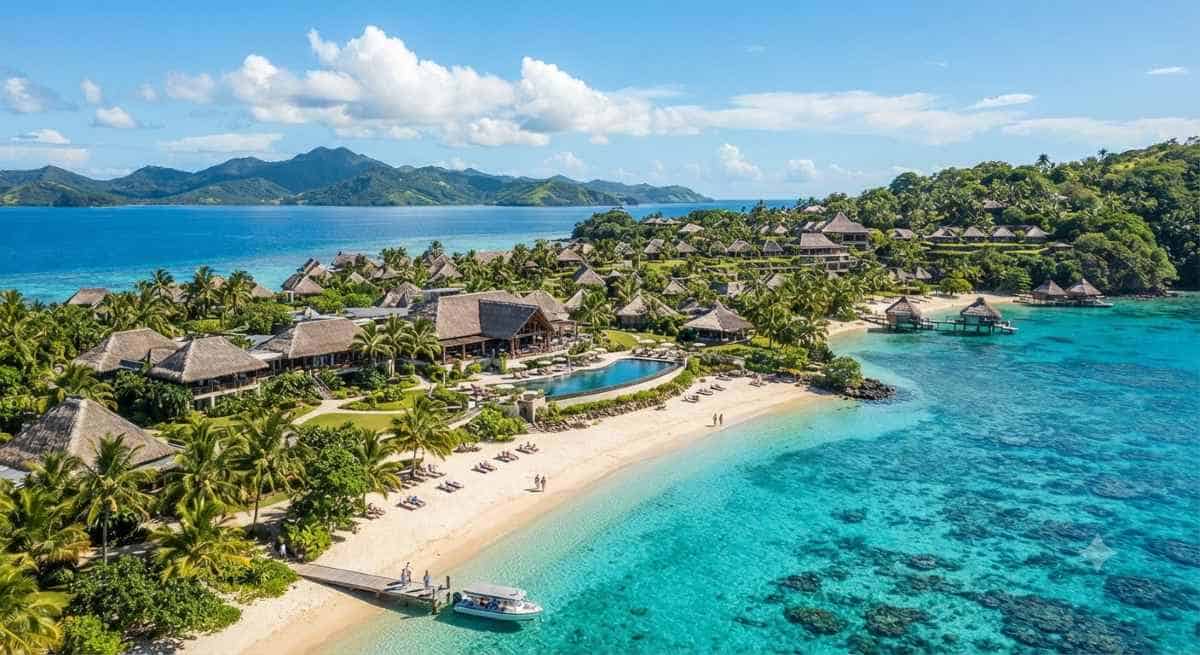
Fiji could lead Oceania’s island destinations in 2027, while New Zealand, Australia, Vanuatu, Samoa, Palau and Tonga offer compelling alternatives for travelers seeking beaches, marine adventures, culture and remote escapes. The reason is simple. Oceania combines some of the planet’s most spectacular islands with increasingly diverse tourism experiences. Fiji offers accessible tropical island-hopping. Australia delivers extraordinary ecological variety. New Zealand combines islands with mountains and adventure. Meanwhile, Vanuatu, Samoa and Tonga offer deeper Pacific cultural experiences. Palau remains particularly powerful for marine tourism. For travelers looking beyond established vacation centers, Micronesia, the Solomon Islands and other smaller Pacific nations could provide increasingly attractive alternatives. Together, these destinations position Oceania as one of the world’s most diverse regions for island travel in 2027.
Best Oceanian Countries for Island Holidays in 2027
| Oceanian country | Best islands/areas for travellers | Why it could stand out in 2027 | Signature experiences | Best suited to | Accessibility / tourism readiness | Best period* |
| Fiji | Mamanuca, Yasawa, Taveuni, Vanua Levu, Kadavu, Viti Levu | Exceptional combination of established resorts, remote islands, reefs, culture and easy island-hopping | Diving, snorkelling, sailing, beaches, waterfalls, hiking, village experiences | Couples, families, honeymooners, luxury and adventure travellers | Excellent — Nadi is a major Pacific gateway; domestic flights and ferries open multiple island groups | May–Oct |
| New Zealand | North Island, South Island, Waiheke, Stewart Island/Rakiura, Bay of Islands | Much broader proposition than a tropical island holiday: mountains, beaches, Māori culture, wildlife, road trips and adventure | Hiking, fjords, beaches, Māori experiences, wine, wildlife, stargazing | Adventure, nature, premium and long-haul travellers | Excellent | Dec–Mar for summer; shoulder seasons for fewer crowds |
| Australia | Tasmania, Whitsundays, Kangaroo Island, K’gari, Rottnest, Lord Howe | Perhaps Oceania’s widest variety of island experiences, from tropical reefs to temperate wilderness | Great Barrier Reef, sailing, wildlife, beaches, hiking, food and wine | Families, luxury, wildlife, nature and adventure markets | Excellent | Varies significantly by region |
| Vanuatu | Efate, Espiritu Santo, Tanna, Malekula, Aneityum | One of the Pacific’s most diverse adventure combinations: volcanoes, blue holes, reefs, wreck diving and living Melanesian culture | Mount Yasur, SS President Coolidge, Champagne Beach, blue holes, kastom villages | Adventure travellers, divers, couples and culture seekers | Good and improving | May–Oct |
| Samoa | Upolu, Savai’i, Manono, Apolima | Strong balance of affordability, traditional Polynesian culture, waterfalls, volcanic scenery and relatively uncrowded beaches | To Sua-style natural landscapes, waterfalls, beach fales, lava landscapes, village culture | Culture, families, couples, independent travellers | Good — Faleolo is the international gateway; ferry access makes Savai’i practical | May–Oct |
| Palau | Babeldaob, Koror, Rock Islands, Peleliu | One of Oceania’s strongest destinations for serious marine tourism and high-value, environmentally conscious travel | Scuba diving, Rock Islands, coral reefs, kayaking, marine biodiversity | Divers, eco-tourists, premium adventure travellers | Good, although less connected than Fiji or Australia | Nov–Apr generally favoured |
| Tonga | Vava’u, Ha’apai, Tongatapu, ‘Eua | Authentic Polynesian culture plus one of the region’s most compelling whale-based tourism propositions | Whale encounters, sailing, reefs, beaches, caves, cultural heritage | Wildlife, adventure, sailing and slow-travel visitors | Moderate–good | May–Oct; whale season is especially important |
| Federated States of Micronesia | Yap, Chuuk, Pohnpei, Kosrae | Remarkable option for travellers who value diving, archaeology and remoteness over resort infrastructure | Chuuk wreck diving, Nan Madol, manta encounters, waterfalls, reefs | Experienced divers, explorers, cultural travellers | Moderate — air access exists but itineraries require more planning | Generally drier months vary by state |
| Solomon Islands | Guadalcanal, Western Province, Munda, Gizo, Marovo Lagoon | Strong combination of marine biodiversity, WWII heritage and comparatively low-density tourism | Diving, wrecks, lagoons, fishing, village culture, WWII sites | Divers, history travellers and expedition-style visitors | Moderate | May–Oct generally |
| Papua New Guinea | New Britain, New Ireland, Bougainville, Manus, Milne Bay | Extraordinary cultural and biological diversity gives PNG a completely different proposition from conventional resort islands | Diving, cultural festivals, volcanoes, surfing, trekking, village experiences | Experienced adventure and cultural travellers | Moderate, with more complex logistics | Varies considerably by region |
| Kiribati | Kiritimati, North Tarawa, South Tarawa, outer Gilbert Islands | One of Oceania’s strongest choices for genuine remoteness, fishing and culturally immersive travel | Bonefishing, WWII heritage, birdwatching, diving, atoll culture | Anglers, explorers and specialist eco-travellers | Limited–moderate | Destination-specific |
| Marshall Islands | Majuro, Arno, Jaluit and outer atolls | Huge lagoons, reefs, WWII history and seafaring heritage remain largely outside mainstream Pacific tourism | Diving, fishing, lagoon trips, WWII history, traditional navigation | Divers, anglers and off-grid travellers | Limited–moderate | Dec–Apr often preferable |
| Tuvalu | Funafuti, Nanumea, Nukufetau and outer atolls | Tiny scale and almost complete absence of mass tourism make it one of the Pacific’s most unusual slow-travel destinations | Funafuti conservation area, lagoons, snorkelling, traditional culture, island life | Extreme off-beat and slow travellers | Limited | Generally drier months |
| Nauru | Nauru itself | Fascinating for travellers interested in remote Pacific societies and unconventional destinations, but tourism infrastructure remains limited | Coastal scenery, WWII heritage and local culture | Country collectors and specialist travellers | Limited | May–Oct generally drier |
Why Could Fiji Become Oceania’s Standout Tropical Island Destination in 2027?
Fiji enters the 2027 travel conversation with one of Oceania’s strongest combinations of accessibility, resort infrastructure, island diversity and marine experiences. The country contains hundreds of islands, giving travelers options extending far beyond a single beach resort. The Mamanuca and Yasawa island groups are particularly attractive for travelers interested in snorkeling, sailing, beaches and multi-island itineraries. Taveuni brings rainforest and waterfall adventures, while Kadavu attracts divers and travelers searching for quieter surroundings. Vanua Levu provides another alternative to heavily visited tourism areas. Fiji also benefits from Nadi’s position as an important Pacific aviation gateway. This makes the country comparatively straightforward for visitors arriving from Australia, New Zealand, North America and parts of Asia. Fiji’s tourism momentum reinforces that position. Strong visitor numbers during 2026 suggest demand remains substantial heading into 2027, creating favorable conditions for another busy year for the country’s tourism industry.
Advertisement
Advertisement
How Could New Zealand Offer a Completely Different Island Vacation?
New Zealand demonstrates why an island destination does not need tropical lagoons to compete for international travelers. Its appeal comes from combining dramatic coastlines with mountains, forests, lakes, wildlife, Māori culture and internationally recognized adventure experiences. Travelers can explore the North Island and South Island while adding destinations such as Waiheke Island, Stewart Island/Rakiura or the Bay of Islands. This diversity makes New Zealand particularly attractive to visitors who want an active vacation rather than a conventional resort stay. Hiking, kayaking, wildlife encounters, wine tourism, road trips and stargazing can all become part of the same journey. International visitor arrivals have also continued recovering strongly, strengthening the country’s tourism outlook. Tourism New Zealand has been working toward higher international arrivals and visitor spending by June 2027. That trajectory could make 2027 an important year as the country strengthens its position among long-haul travelers looking for nature, adventure and culturally meaningful experiences.
Why Does Australia Have One of Oceania’s Most Diverse Island Portfolios?
Australia can offer travelers dramatically different island experiences without requiring them to cross an international border. Tropical islands along Queensland’s coast provide access to the Great Barrier Reef, while Tasmania offers cooler-climate wilderness, hiking, wildlife, food and road-trip experiences. The Whitsundays remain one of Australia’s most recognizable island regions, combining sailing, coral environments, beaches and upscale accommodation. K’gari offers a completely different experience through enormous sand landscapes, freshwater lakes and natural scenery. Kangaroo Island attracts wildlife-focused visitors, while Rottnest Island has become closely associated with beaches and its famous quokka population. Lord Howe Island provides another distinctive model, with visitor controls helping protect its sensitive environment. This enormous variety gives Australia a powerful advantage heading into 2027. Families, honeymooners, divers, hikers, wildlife enthusiasts and luxury travelers can all find suitable islands. Rather than depending on one tourism identity, Australia can market numerous island experiences to several international travel segments simultaneously.
Advertisement
Advertisement
Could Vanuatu Become One of the Pacific’s Biggest Adventure Discoveries?
Vanuatu could attract growing attention in 2027 because its tourism proposition reaches far beyond beaches. The archipelago combines active volcanic landscapes, reefs, blue holes, wreck diving, forests and living Melanesian traditions. Tanna is particularly remarkable because visitors can experience the landscapes surrounding Mount Yasur, one of the destination’s defining natural attractions. Espiritu Santo presents another side of Vanuatu through clear blue holes, tropical beaches and the SS President Coolidge, a major attraction for experienced divers. Efate and Port Vila provide a more accessible starting point for international visitors. This combination makes Vanuatu suitable for travelers who want both relaxation and adventure. Tourism development is also increasingly connected with sustainability, local communities and higher-value experiences. As regional aviation and cruise connectivity evolve, improved access could strengthen Vanuatu’s international visibility. For travelers already familiar with Fiji, Vanuatu offers a convincing alternative built around raw landscapes, distinctive culture and comparatively adventurous island experiences.
Why Could Samoa Appeal to Travelers Looking for a More Authentic Pacific Experience?
Samoa could become particularly attractive in 2027 for travelers seeking a slower and more culturally grounded Polynesian vacation. Upolu provides the country’s principal international gateway and combines Apia with beaches, waterfalls, natural swimming areas and cultural attractions. Savai’i creates a quieter contrast through volcanic landscapes, lava fields, villages, rainforest and coastal scenery. Ferry connections allow travelers to combine the two main islands within one vacation. Samoa’s tourism identity also differs from destinations dominated by large-scale resort developments. Traditional villages, locally operated accommodation and beach fales can place visitors closer to everyday island life. Its position within reasonable flying distance of Australia and New Zealand further supports its tourism potential. Samoa therefore fits several growing travel preferences simultaneously: meaningful cultural experiences, nature, slower itineraries and destinations that still feel removed from mass tourism. That combination could give Samoa greater visibility among travelers searching for alternatives to the Pacific’s most established resort destinations in 2027.
Advertisement
Advertisement
What Makes Palau Such a Powerful Choice for Marine Tourism?
Palau could remain one of Oceania’s most desirable specialist island destinations in 2027 because the ocean is central to nearly every part of its visitor appeal. Its Rock Islands, coral ecosystems, clear waters and extraordinary marine biodiversity have established the country as a major destination for diving, snorkeling and kayaking. Unlike larger Pacific destinations built around broad mass-market tourism, Palau can appeal strongly to travelers willing to spend more for specialized nature experiences. Its environmental policies also reinforce an international image centered on conservation. That matters as environmentally conscious travelers increasingly consider how tourism affects fragile destinations. Palau does face an accessibility disadvantage compared with Fiji, Australia or New Zealand because flight choices can be more limited depending on the traveler’s origin. However, this relative isolation can also protect its premium character. For divers and marine-focused travelers, Palau does not need enormous visitor numbers to compete. Its strength comes from offering rare underwater experiences difficult to reproduce elsewhere.
Could Tonga Become One of Oceania’s Most Exciting Destinations to Watch?
Tonga has the ingredients to become one of the Pacific’s strongest emerging tourism stories. Its island groups offer beaches, reefs, sailing, caves, cultural heritage and relatively uncrowded environments, but whale tourism gives the destination an especially recognizable international identity. Vava’u has long been important for sailing and marine experiences, while Ha’apai appeals to travelers searching for quieter islands and less-developed surroundings. Tongatapu provides cultural and historical attractions, and ’Eua adds rugged scenery and outdoor adventure. This geographical diversity allows Tonga to attract travelers beyond the conventional honeymoon market. Tourism authorities have also been building the destination’s profile in important source markets such as Australia and New Zealand. That promotion could become increasingly important as travelers seek alternatives to better-known Pacific destinations. Tonga’s opportunity in 2027 lies in retaining its sense of place while improving visibility and connectivity. Wildlife, Polynesian culture and low-density island experiences could form an especially powerful combination.
Which Pacific Countries Could Reward More Adventurous Travelers?
The Federated States of Micronesia, Solomon Islands and Papua New Guinea could reward travelers willing to accept more complicated logistics in exchange for less conventional experiences. Micronesia offers remarkably different attractions across Yap, Chuuk, Pohnpei and Kosrae. Chuuk is internationally significant for wreck diving, while Pohnpei combines waterfalls, rainforest and the archaeological complex of Nan Madol. Yap has strong cultural traditions and marine experiences. The Solomon Islands similarly combine coral environments, lagoons, diving and extensive World War II history. Papua New Guinea takes adventure travel to another level through cultural diversity, volcanic landscapes, diving, surfing and remote communities. These destinations generally have less tourism infrastructure than Fiji or Australia, meaning careful planning becomes important. Yet that limitation can also become an advantage for experienced travelers. In 2027, growing interest in remote, culturally immersive and expedition-style vacations could encourage more visitors to consider Pacific countries that remain outside mainstream tourism circuits.
Where Can Travelers Find Oceania’s Most Remote Island Experiences?
Kiribati, the Marshall Islands and Tuvalu sit at the far end of Oceania’s tourism spectrum. They are not conventional alternatives to Fiji or Australia. Instead, they offer something increasingly rare: genuine remoteness. Kiribati can attract specialist travelers interested in fishing, birdlife, diving, World War II history and atoll culture. Kiritimati has particular importance for anglers and nature-focused visitors. The Marshall Islands offer enormous lagoons, diving opportunities, maritime traditions and historical sites. Tuvalu provides an even smaller-scale experience centered on atoll landscapes, community life and the Funafuti Conservation Area. Limited flight frequencies and relatively modest tourism infrastructure require visitors to plan carefully. These countries are therefore unlikely to become mass-market island destinations in 2027. Their value lies elsewhere. For travelers increasingly interested in slow tourism and places far removed from heavily commercialized vacation centers, these remote Pacific nations can deliver experiences that larger destinations cannot easily reproduce.
What Should Travelers Consider Before Choosing an Oceanian Island in 2027?
Choosing the right Oceanian destination depends heavily on the experience a traveler actually wants. Fiji works particularly well for travelers seeking an accessible tropical vacation with extensive accommodation choices and island-hopping opportunities. Australia suits visitors who want strong infrastructure and enormous environmental variety. New Zealand is stronger for road trips, hiking and adventure. Vanuatu adds volcanoes and wreck diving. Samoa emphasizes Polynesian culture and slower travel. Palau should rank highly for serious divers, while Tonga stands out for whales, sailing and relatively uncrowded islands. More remote countries require additional preparation. Flight schedules can be limited, domestic transfers may take longer and accommodation choices can be smaller. Seasonality also matters. Tropical cyclones, rainfall, marine conditions and wildlife seasons differ substantially across the Pacific. Travelers should therefore check official immigration requirements, weather information, transport schedules and tourism advisories before booking rather than treating Oceania as one uniform destination.
Why Could 2027 Be a Defining Year for Island Tourism Across Oceania?
Oceania could enter 2027 with an unusually broad range of island experiences competing for international attention. Fiji has the infrastructure and tourism momentum to remain a tropical leader. Australia and New Zealand bring exceptional accessibility, natural diversity and established visitor economies. Yet some of the most interesting growth opportunities could emerge elsewhere. Vanuatu can combine adventure with sustainable tourism development. Samoa can capitalize on demand for authentic cultural experiences. Tonga can strengthen its position around wildlife and low-density travel. Palau can continue attracting high-value marine visitors, while Micronesia and the Solomon Islands offer compelling options for divers and explorers. Even highly remote countries such as Kiribati and Tuvalu have a role within the expanding slow-travel market. The result is not one definitive “best” island country. Instead, 2027 could demonstrate Oceania’s greatest competitive advantage: extraordinary diversity packed across an ocean filled with radically different cultures, ecosystems and travel experiences.
Oceania could become one of the world’s most compelling regions for island vacations as travelers increasingly prioritize nature, culture and memorable experiences. Fiji holds a particularly strong position because its tropical archipelagos combine beaches, resorts, diving and convenient island-hopping. Australia and New Zealand add extraordinary geographic variety and mature tourism infrastructure. Vanuatu brings volcanic adventures and Melanesian heritage, while Palau strengthens the region’s appeal for marine exploration. The wider Pacific also offers opportunities for travelers seeking less crowded experiences. Ultimately, growing demand for meaningful, nature-focused journeys could push these countries higher on international vacation wish lists during the coming year.
Advertisement
