
Kenya And Uganda Unites With African Nations To Power Rwanda Gorilla Tourism Growth Through Sustainable Travel And Cultural Experiences

Published
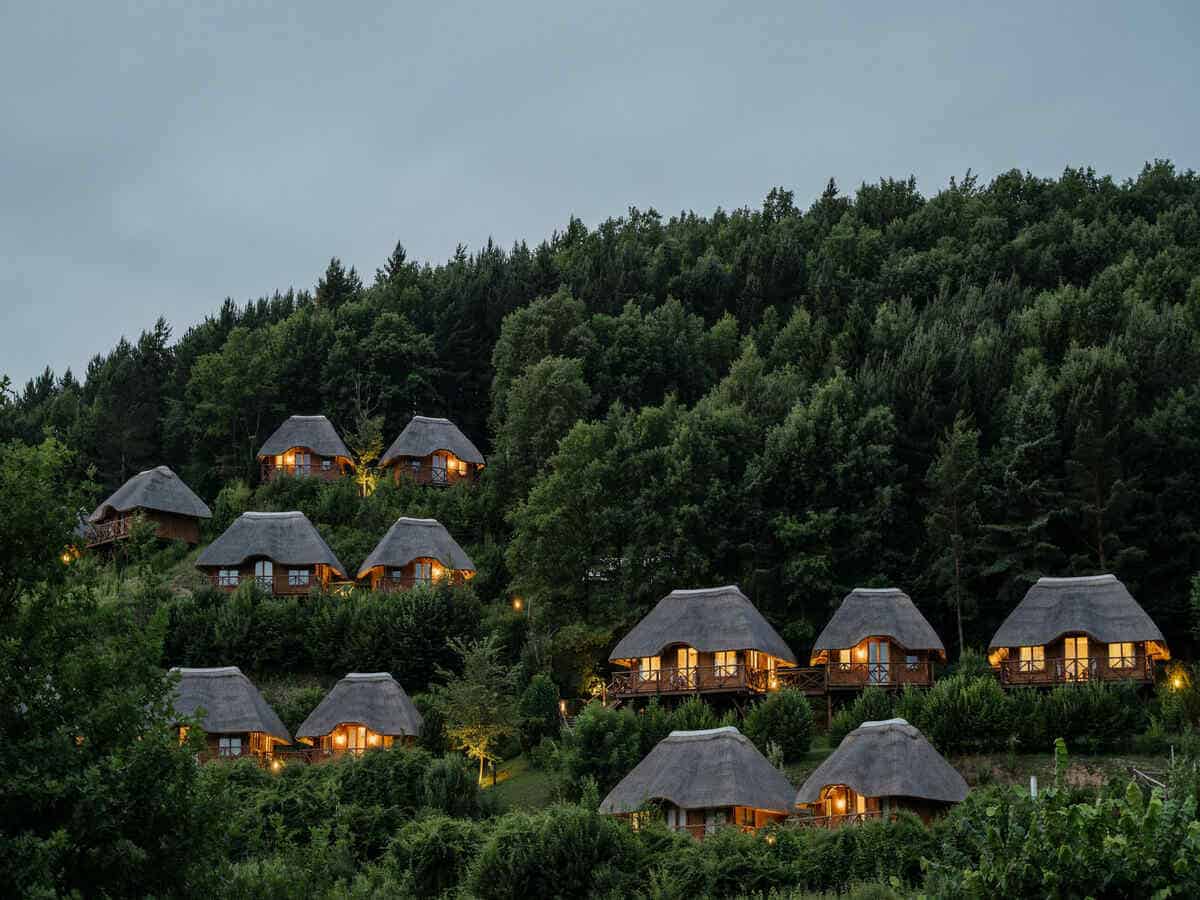
Image generated with Ai
Rwanda develops gorilla tourism in 2026 through sustainable travel partnerships between different countries of Africa and the culture of those countries. Rwanda has entered a new phase of tourism development in 2026, as countries of Africa develop partnerships related to sustainability, animal interactions and travel that help promote Rwanda’s renowned gorilla tourism. Many African countries such as Kenya, Uganda, Tanzania, Burundi, Congo and many others are working together in order to make Rwanda a popular tourist destination through multi-destination tourism.
Rwanda’s mountain gorilla tourism remains the foundation of its international tourism identity, with Volcanoes National Park attracting travellers seeking rare wildlife encounters. However, the country is now developing a wider tourism ecosystem combining gorilla trekking, safari experiences, cultural discovery, adventure travel, luxury hospitality and business tourism.
The growing cooperation between African destinations is creating a stronger East African tourism network where travellers can explore multiple countries in one journey while supporting conservation and local communities.
Rwanda’s Tourism Strategy Expands Beyond Gorilla Trekking In 2026
Rwanda is strengthening tourism by transforming itself from a single-attraction wildlife destination into a complete African travel experience.
Advertisement
Advertisement
The country is promoting:
| Tourism Area | Rwanda’s 2026 Growth Focus |
|---|---|
| Gorilla Tourism | Premium mountain gorilla trekking experiences in Volcanoes National Park |
| Wildlife Tourism | Safari experiences in Akagera National Park and primate tourism in Nyungwe National Park |
| Cultural Tourism | Local traditions, heritage sites, food and community experiences |
| Luxury Tourism | Eco-lodges, high-value nature stays and premium travel experiences |
| Business Tourism | Kigali conferences, meetings and international events |
| Sustainable Tourism | Conservation-led tourism protecting nature and wildlife |
Rwanda’s tourism model focuses on high-value and sustainable travel rather than only increasing visitor numbers. Conservation, community participation and environmental protection remain central to the country’s tourism development strategy.
Advertisement
Advertisement
The country’s famous mountain gorillas continue to attract global travellers, while destinations such as Akagera National Park and Nyungwe Forest provide additional reasons for visitors to extend their stays.
Kenya Strengthens Rwanda Gorilla Tourism Through Regional Travel Connections
Kenya is playing an important role in supporting Rwanda’s tourism growth by strengthening East African travel networks and encouraging multi-country holidays.
Kenya’s contribution to Rwanda tourism growth in 2026 comes through:
- Regional air connectivity
- Safari combination packages
- Business travel links
- International visitor connections
- East African tourism cooperation
Many international travellers already view East Africa as a combined tourism region rather than separate destinations. Kenya’s famous safari attractions complement Rwanda’s gorilla trekking experiences.
A traveller can combine:
| Kenya Experience | Rwanda Experience |
|---|---|
| Maasai Mara wildlife safari | Volcanoes National Park gorilla trekking |
| Big Five encounters | Mountain gorilla conservation |
| Coastal tourism | Lake Kivu relaxation |
| Nairobi business travel | Kigali cultural experiences |
Kenya’s position as a major tourism and aviation hub helps create additional pathways for international visitors travelling to Rwanda.
Advertisement
Advertisement
Through stronger regional tourism links, Kenya helps Rwanda attract travellers looking for complete African wildlife journeys instead of single-country holidays.
Uganda Becomes A Key Partner In Rwanda Gorilla Tourism Growth
Uganda is one of Rwanda’s closest tourism partners because both countries share one of the world’s most important wildlife experiences: mountain gorilla tourism.
Uganda’s Bwindi Impenetrable National Park and Rwanda’s Volcanoes National Park create a powerful regional gorilla tourism corridor.
Uganda supports Rwanda’s tourism expansion through:
- Gorilla conservation cooperation
- Cross-border travel opportunities
- Shared wildlife experiences
- Adventure tourism promotion
- Regional visitor movement
Uganda’s own gorilla tourism sector has helped increase global awareness of the importance of protecting mountain gorillas. Tourism revenue has supported conservation efforts and community participation around protected areas.
Together, Rwanda and Uganda provide travellers with a wider East African primate tourism experience, strengthening the region’s position among global wildlife destinations.
Advertisement
Advertisement
Tanzania Adds Safari Power To Rwanda Multi Destination Holidays
Tanzania is another important African country supporting Rwanda tourism growth by strengthening the appeal of East African combined travel packages.
Tanzania attracts millions of visitors through iconic destinations including Serengeti National Park, Ngorongoro Conservation Area and Zanzibar.
When combined with Rwanda, Tanzania creates a powerful travel route:
| Tanzania | Rwanda |
|---|---|
| Serengeti safari | Gorilla trekking |
| Kilimanjaro adventure | Volcano landscapes |
| Zanzibar beaches | Lake Kivu tourism |
| Big Five wildlife | Primates and rainforest experiences |
This combination allows international visitors to experience different sides of Africa in one holiday.
Tanzania’s established safari reputation helps increase interest in neighbouring East African destinations, including Rwanda.
Burundi Supports Regional Tourism Movement Around Rwanda
Burundi contributes to Rwanda tourism growth through geographic proximity and regional travel connections.
Advertisement
Advertisement
The two countries share cultural links and regional movement opportunities that support:
- Short-haul tourism
- Cultural travel
- Business visits
- Cross-border experiences
Visitors travelling through the Great Lakes region increasingly seek authentic experiences combining culture, landscapes and wildlife.
Burundi’s cultural attractions and Rwanda’s wildlife experiences create opportunities for wider regional tourism routes.
Democratic Republic Of Congo Expands Great Lakes Conservation Tourism
The Democratic Republic of Congo (DRC) plays an important role in the wider conservation landscape surrounding Rwanda.
The countries share connections through the Virunga ecosystem, one of Africa’s most important biodiversity regions.
The DRC supports Rwanda tourism opportunities through:
Advertisement
Advertisement
- Shared conservation landscapes
- Gorilla protection initiatives
- Adventure tourism potential
- Cross-border nature experiences
The wider Virunga region strengthens the identity of Central and East Africa as a major destination for wildlife and conservation tourism.
South Africa And Ethiopia Support Rwanda’s Wider African Tourism Reach
Beyond neighbouring countries, other African markets are also contributing to Rwanda’s tourism ambitions.
South Africa
South Africa supports Rwanda through:
- African luxury travel demand
- Business tourism
- Aviation connections
- Wildlife tourism interest
South African travellers are increasingly interested in unique African experiences, including Rwanda’s premium nature tourism.
Ethiopia
Ethiopia supports Rwanda through aviation connectivity.
Addis Ababa serves as an important African aviation hub, helping connect Rwanda with international travellers from different regions.
Advertisement
Advertisement
Strong airline links are essential for Rwanda because international accessibility plays a major role in tourism growth.
African Countries Boosting Rwanda Gorilla Tourism In 2026
| African Country | How It Supports Rwanda Tourism |
|---|---|
| Kenya | Regional connectivity, safari partnerships and multi-country holidays |
| Uganda | Gorilla conservation, wildlife tourism and cross-border experiences |
| Tanzania | Safari combinations and extended African travel routes |
| Burundi | Regional visitors and cultural tourism links |
| Democratic Republic of Congo | Virunga conservation and nature tourism |
| South Africa | Luxury African travel demand and business tourism |
| Ethiopia | Aviation connectivity and international access |
Sustainable Travel Becomes The Foundation Of Rwanda’s Tourism Future
Rwanda’s tourism expansion in 2026 is closely connected with sustainability.
The country is developing tourism that protects:
- Mountain gorillas
- Forest ecosystems
- Wildlife habitats
- Local communities
- Natural landscapes
Gorilla tourism is designed as a conservation-based experience where controlled visitor access supports protection efforts and creates economic benefits.
Luxury eco-tourism is also becoming an important part of Rwanda’s tourism identity, with travellers increasingly seeking responsible experiences that combine comfort, nature and conservation.
Cultural Experiences Add New Strength To Rwanda Tourism Growth
Rwanda is also expanding tourism beyond wildlife by highlighting its cultural attractions.
Advertisement
Advertisement
Visitors can explore:
- Kigali’s urban experiences
- Traditional arts
- Local cuisine
- Heritage locations
- Community tourism programmes
Cultural tourism helps increase visitor spending and encourages longer stays.
By combining gorilla adventures with cultural discovery, Rwanda is creating a more complete travel experience.
Rwanda And Africa Create A New Future For Gorilla Tourism
Rwanda’s tourism growth in 2026 is being powered by a strong African partnership network.
Kenya, Uganda and other African countries are helping create a connected tourism ecosystem where travellers can experience wildlife, culture and adventure across multiple destinations.
Through sustainable travel, conservation partnerships and regional cooperation, Rwanda is strengthening its position as one of Africa’s most distinctive tourism destinations.
Advertisement
Advertisement
Gorilla tourism in Rwanda sees an increase in development in the year 2026 as Kenya, Uganda and other African countries develop partnerships for sustainable travel and conservation.
The future of Rwanda gorilla tourism is no longer based on one attraction alone. Rather, it becomes an integral part of the broader African travel movement, which involves countries collaborating in providing amazing wildlife and cultural tours.
Advertisement
