
Havana Follows San Juan and Other Leading Countries as St. Lucia Wellness Travel Expands in Soufrière

Published
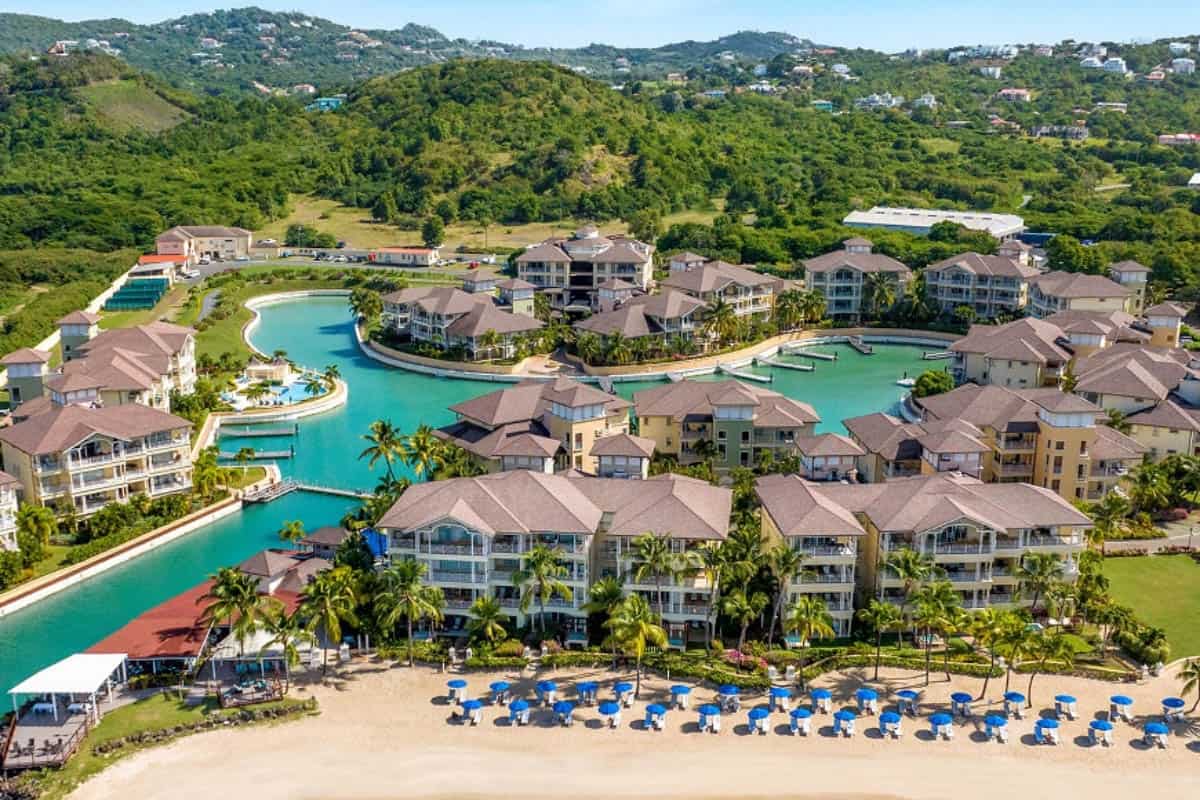
The tourism industry in the Caribbean is changing, especially in regard to health and wellness tourism. As the larger markets in the region, like Havana and San Juan, evolve their health and wellness tourism markets, St. Lucia is quickly developing its own wellness travel market. One of the main reasons for the growth in wellness travel in St. Lucia is the recent recognition of Soufrière as the second happiest city in the world. Soufrière is also home to several wellness tourism facilities. As the government has also focused on transformative travel, and there has been an increase in direct investments in eco-wellness resorts in the country, St. Lucia is quickly becoming the best, and probably the only, wellness tourism destination in the world.
Background: The Unprecedented Evolution of the Global Wellness Tourism Market
The travel industry has undergone a radical paradigm shift in the post-pandemic era. Modern tourists are no longer merely seeking passive leisure escapes; they are actively pursuing restorative, health-enhancing experiences that yield tangible physical and mental benefits. As of September 2026, the international wellness tourism market has evolved from a niche sub-sector into a commanding economic force. According to the latest comprehensive market assessments, the global wellness tourism industry is valued at an astonishing $1.06 trillion in 2026, up from $974.57 billion in 2025, charting a robust compound annual growth rate (CAGR) of 9.6%.
Advertisement
Advertisement
This trillion-dollar economy encompasses a wide array of specialised services, including bespoke nutritional consulting, holistic spa retreats, outdoor mindfulness activities, and transformative travel experiences designed to alleviate modern psychological stressors. The Global Wellness Institute, a leading authority on health-focused economic data, corroborates this vast expansion, placing the broader overarching wellness economy at an estimated $6.8 trillion. Within this massive global framework, the Caribbean region has strategically positioned itself as a premier destination for holistic recovery, leveraging its unparalleled natural geography, volcanic landscapes, and rich indigenous healing traditions.
While regions such as North America currently dominate the sheer volume of the wellness tourism market, the Caribbean has distinguished itself by offering highly authentic, deeply immersive eco-wellness experiences that larger continental markets cannot replicate. Governments across the West Indies have recognised that health-focused travellers represent an incredibly lucrative demographic. Notably, wellness-oriented visitors tend to stay significantly longer—an average of three days more than standard vacationers—and exhibit higher per capita daily expenditure. This realisation has triggered a region-wide developmental race, setting the stage for smaller island nations to emerge as dominant players in a highly competitive international arena.
Advertisement
Advertisement
Havana and San Juan: Setting the Regional Precedent
To fully contextualise how rapidly St. Lucia wellness travel is progressing, it is essential to analyse the foundational shifts that occurred in neighbouring Caribbean territories, specifically Havana, Cuba, and San Juan, Puerto Rico. Both destinations have historically relied on entirely different forms of tourism but have recently pivoted towards the lucrative holistic travel sector.
Advertisement
Advertisement
Havana’s Transition from Medical Tourism to Holistic Healing
Historically, Havana has been internationally recognised for its highly developed medical tourism sector. For decades, international visitors flocked to Cuba for advanced clinical treatments, specialised surgeries, and pharmacological therapies. However, recent trends have forced a strategic diversification. As the definition of global health shifted from purely clinical interventions to preventative and holistic wellbeing, Havana’s hospitality operators began integrating preventative wellness into their portfolios.
This transition in Havana involves combining the island’s rigorous medical expertise with restorative retreats. International visitors can now access hybrid packages that merge standard health diagnostics with mindfulness retreats, organic Caribbean diets, and traditional Afro-Cuban therapeutic practices. While Havana’s infrastructure has faced well-documented geopolitical and economic hurdles, its ability to adapt its robust medical framework into the softer, highly profitable wellness tourism space has served as a crucial case study for the wider Caribbean. By proving that tourists are willing to travel explicitly for health and restoration rather than mere sightseeing, Havana validated the regional market’s potential.
San Juan’s Integration of Luxury and Mindfulness
In contrast to Havana’s medical foundation, San Juan, Puerto Rico, has capitalised on its advanced luxury hospitality infrastructure to champion the wellness movement. San Juan has successfully demonstrated how urban and beachfront resorts can seamlessly incorporate holistic health without requiring visitors to venture deep into remote jungles.
Major properties in San Juan have aggressively launched comprehensive, on-site wellness programming aimed at capturing the modern health-conscious demographic. For example, prominent urban resorts have rolled out initiatives such as daily beachfront mindfulness sessions, dedicated 24-hour state-of-the-art fitness centres, and specialised “Zen & Fit” weekend retreats led by professional wellness instructors. Beyond the confines of luxury hotels, San Juan has heavily promoted its proximity to the El Yunque National Forest, allowing tourists to combine urban luxury with rugged eco-therapy. Visitors routinely book day trips for rainforest ziplining, natural spring cold plunges, and permaculture farm retreats where licensed massage therapists administer treatments inside ecological earth domes.
San Juan’s model—blending high-end resort amenities with immediate access to natural, restorative outdoor activities—has proven highly effective. It has laid a strategic blueprint that other Caribbean nations have closely monitored. Ultimately, Havana and San Juan demonstrated that a successful wellness destination must offer a multi-tiered approach: clinical credibility, luxury hospitality, and profound natural immersion. It is precisely this proven framework that Saint Lucia has now adopted, refined, and arguably perfected.
Advertisement
Advertisement
St. Lucia Wellness Travel Expands in Soufrière: The Crown Jewel of the Caribbean
While Havana and San Juan initiated the regional wellness trend, Saint Lucia has accelerated it to unprecedented heights. At the epicentre of this national metamorphosis is the spectacular southwestern coastal town of Soufrière. Historically celebrated for its breathtaking natural surroundings, Soufrière has rapidly transformed into the undeniable capital of St. Lucia wellness travel.
The “Happiest Destination” Globally
The sheer efficacy of Soufrière’s wellness offerings was empirically validated in July 2026. A comprehensive global data analysis conducted by the Irish travel insurance firm JustCover assessed over one million online travel reviews to measure the frequency of joy-related vocabulary used by tourists. The study aimed to definitively quantify traveler sentiment and satisfaction across 155 high-profile global destinations.
The results were astonishing. Soufrière achieved a remarkable “Happy Place” score of 95.2 out of 100, ranking as the second-happiest travel destination in the entire world. In securing this title, the small Saint Lucian town comfortably outperformed legendary international tourism giants, including Las Vegas, Maui, New York City, Rio de Janeiro, and Positano. This extraordinary global ranking is not a coincidence; it is the direct result of a highly deliberate, meticulously executed strategy to position Soufrière as a premier sanctuary for authentic, joy-inducing, restorative travel.
Harnessing Geothermal and Volcanic Assets
What differentiates Soufrière from standard Caribbean beachfronts is its unique geological composition. The town is home to the world-famous Pitons—twin volcanic spires that rise dramatically from the ocean, designated as a prestigious UNESCO World Heritage Site. Beneath the shadow of these peaks lies the Caribbean’s only drive-in volcano, the Sulphur Springs.
The Saint Lucia Tourism Authority (SLTA) and local wellness practitioners have masterfully integrated these geothermal gifts into the island’s health tourism infrastructure. St. Lucia wellness travel heavily promotes “Volcanic Healing Rituals,” which actively incorporate the island’s famous sulphur springs and mineral-rich volcanic mud into high-end therapeutic practices. Visitors are encouraged to partake in these deeply grounding rituals, which are scientifically proven to nourish the skin, alleviate joint inflammation, and provide a profound physical reset driven by the earth’s natural energy.
Advertisement
Advertisement
By directly monetising its unique volcanic geography rather than relying solely on imported spa products, Soufrière has created an authentic, location-specific wellness product that cannot be exported or replicated in Miami, San Juan, or Havana. This hyper-localised approach to health is a fundamental driver behind the explosive expansion of St. Lucia wellness travel.
Latest Official Developments and Mega-Resort Expansions
To accommodate the surging demand for holistic restoration, Saint Lucia is currently undergoing a massive hospitality infrastructure expansion. Verified government and industry reports confirm that by the end of 2025 and moving into 2026, the island is on track to add over 2,000 new hotel rooms to its national inventory—a staggering increase that boosts the country’s total accommodation capacity by more than 20 percent.
Crucially, the vast majority of this capital expansion is heavily skewed towards the luxury and wellness sectors. One of the most significant foreign direct investments is the development of a sprawling 523-room “wellness mecca” spearheaded by TheLifeCo. This gargantuan project is explicitly designed to cater entirely to the wellness tourism demographic, featuring dedicated mindfulness zones, organic culinary programs, and advanced holistic therapies.
Additionally, the island has welcomed several high-profile luxury additions that integrate wellness at their core. These include the highly anticipated 96-room Destination by Hyatt property located in Cas en Bas, the expansive 334-room Secrets St. Lucia Resort & Spa situated in Choc Bay, and the Canelles Resort, which will introduce 380 high-end, luxury apartments distributed across 11 buildings in the island’s southeastern corridor. Local hospitality stalwarts are also participating in this aggressive expansion; Bay Gardens is launching the Sapphire Sands Villas, a beachfront luxury enclave offering 24/7 butler service tailored to high-net-worth individuals seeking uninterrupted restorative peace.
In Soufrière itself, existing boutique luxury properties are heavily pivoting to embrace the St. Lucia wellness travel ethos. The renowned Ladera Resort, famous for its unique three-wall architectural design that leaves suites entirely open to panoramic vistas of the Pitons, has completely revamped its guest experience. The resort now offers deeply immersive, culturally authentic wellness rituals led entirely by local Saint Lucian experts. For instance, on-site fitness instructors now seamlessly incorporate native Caribbean herbs into post-workout recovery routines, while seasoned local guides lead mindful nature hikes that connect guests to the island’### 1. Viral SEO Headline
Advertisement
Advertisement
St. Lucia Wellness Travel Expands in Soufrière as Havana and San Juan Reshape Regional Tourism
2. Introduction
As regional tourism dynamics shift across the Caribbean, St. Lucia wellness travel has established a transformative trajectory centred around the pristine district of Soufrière. With official statistics confirming record expansion in holistic health initiatives, Saint Lucia is redefining regional travel standards alongside established hubs like San Juan and Havana. Backed by government initiatives, sustainable infrastructure investments, and national tourism framework upgrades, the island’s thermal springs, UNESCO World Heritage sites, and ecological sanctuaries are attracting global visitors seeking authentic rejuvenation. This strategic expansion reflects a profound shift towards high yield, environmentally conscious tourism, securing Saint Lucia’s position as a premier destination.
3. Main Article
The Regional Landscape of Caribbean Wellness and Health Tourism
The Caribbean travel sector is undergoing a profound structural evolution, shifting away from conventional sun, sea, and sand holiday packages towards high-value experiential and restorative travel. Official reports published by the Ministry of Tourism, Investment, Creative Industries, Culture and Heritage of Saint Lucia, alongside data from UN Tourism and the Caribbean Tourism Organization (CTO), indicate that health, wellness, and eco-restorative travel have become primary engines of regional economic diversification.
Within this evolving ecosystem, three distinct models of health and wellness travel have emerged across the Greater and Lesser Antilles. Puerto Rico, anchored by the infrastructure of San Juan, has long led the region in medical tourism, specialized surgical procedures, and advanced clinical care. Cuba, with its capital Havana, has historically maintained a dominant position in preventive health programs, clinical treatments, and medical academic exchanges under the supervision of the Ministry of Public Health (MINSAP).
In contrast, Saint Lucia has established a specialized niche focused on natural, eco-centric, and thermal wellness. The district of Soufrière—home to the iconic Pitons, a UNESCO World Heritage site—serves as the epicenter of this expansion. By leveraging its unique volcanic topography, natural sulfur mineral baths, and rich biodiversity, Saint Lucia is capturing an increasingly sophisticated segment of global travelers seeking holistic health, mental well-being, and environmental connection.
Advertisement
Advertisement
       CARIBBEAN WELLNESS TOURISM TRIANGLE (OFFICIAL SEGMENTATION)
┌──────────────────────────┐    ┌──────────────────────────┐    ┌──────────────────────────┐
│      PUERTO RICO         │    │           CUBA           │    │       SAINT LUCIA        │
│        (San Juan)        │    │         (Havana)         │    │       (Soufrière)        │
├──────────────────────────┤    ├──────────────────────────┤    ├──────────────────────────┤
│ • Advanced Medical Care  │    │ • Preventive Health      │    │ • Volcanic Thermal Baths │
│ • Clinical Rehabilitation│    │ • Specialized Clinics    │    │ • Eco-Restorative Retreats│
│ • Surgical Tourism       │    │ • Bio-Medical Research   │    │ • Holistic Mineral Care  │
└──────────────────────────┘    └──────────────────────────┘    └──────────────────────────┘
Historical Evolution of Thermal Springs in Soufrière
The therapeutic use of Soufrière’s thermal resources dates back centuries, but formal institutionalization began in the late 18th century when Baron de Laborie, the French Governor of Saint Lucia, commissioned the construction of the Diamond Baths in 1784. Tested and analyzed for their mineral content—rich in sulfur, iron, magnesium, and calcium—these natural springs were recognized for their restorative properties for respiratory and musculoskeletal conditions.
In recent decades, the Government of Saint Lucia has systematically transitioned these historic geological assets into a regulated public-private tourism asset. The creation of the Pitons Management Area (PMA) in 2004 established a rigorous conservation framework that balances environmental protection with low-impact commercial usage. This historic foundation now underpins the modern expansion of St. Lucia wellness travel, combining traditional thermal treatments with contemporary hydrotherapy, botanical medicine, and organic gastronomy.
Official Government Frameworks and National Policy Directives
The expansion of St. Lucia wellness travel in Soufrière is not an accidental market occurrence, but the result of deliberate policy frameworks crafted by the Government of Saint Lucia. Under the direction of the Ministry of Tourism and executed through the Saint Lucia Tourism Authority (SLTA), national tourism strategy explicitly prioritizes sustainable high-yield visitor arrivals over raw mass-market volume.
                  SAINT LUCIA TOURISM POLICY FRAMEWORK
┌────────────────────────────────────────────────────────────────────────┐
│               National Tourism Strategy & Development Plan              │
└──────────────────────────────────┬─────────────────────────────────────┘
                                   │
         ┌─────────────────────────┴─────────────────────────┐
         ▼                                                   ▼
┌─────────────────────────────────┐                 ┌────────────────────┐
│   Eco-Tourism Standards (SLBS)  │                 │ Destination Saint  │
├─────────────────────────────────┤                 │ Lucia Master Plan  │
│ • Hydro-Mineral Quality Rules   │                 ├────────────────────┤
│ • Environmental Impact Limits   │                 │ • Infrastructure   │
│ • Local Sourcing Mandates       │                 │ • Airport Upgrades │
└─────────────────────────────────┘                 └────────────────────┘
The Saint Lucia Tourism Authority Strategic Roadmap
The official tourism development strategy aligns with the National Tourism Strategy and Development Plan. The strategic roadmap outlines five core pillars for destination enhancement:
- Product Diversification and Standardisation: Transitioning from passive sightseeing to immersive wellness programs certified under strict quality assurance guidelines.
- Environmental Integration and Heritage Protection: Enforcing carrying-capacity regulations across sensitive ecological sites, including the Sulphur Springs Park and Diamond Falls Botanical Gardens.
- Community-Centred Economic Linkages: Establishing direct supply chains between local agricultural producers, certified wellness practitioners, and luxury eco-lodges in Soufrière.
- Capacity Building and Human Capital Development: Partnering with the Sir Arthur Lewis Community College and international vocational bodies to offer accredited certifications in hydrotherapy, massage therapy, and eco-hospitality.
- Targeted Global Marketing: Positioning Saint Lucia in high-value source markets—primarily the United Kingdom, North America, and continental Europe—as the Caribbean’s premier sanctuary for restorative health.
Regulatory Standards for Hydro-Mineral and Eco-Wellness Infrastructure
To safeguard the authenticity and quality of St. Lucia wellness travel, the Saint Lucia Bureau of Standards (SLBS), in collaboration with the Ministry of Health, Wellness and Elderly Affairs, has introduced standardized operating procedures for thermal bath facilities and spa resorts.
Advertisement
Advertisement
These regulations govern:
- Water Purity and Flow Monitoring: Regular chemical analysis of mineral content, temperature consistency, and microbiological safety across all commercial thermal outlets.
- Building and Environmental Codes: Mandating non-invasive, eco-friendly architectural designs within the Pitons Management Area buffer zone, prohibiting structural encroachment on indigenous flora and fauna.
- Practitioner Certification: Requiring all therapeutic staff employed in eco-wellness establishments to hold recognized qualifications in massage therapy, anatomy, and hygiene standards.
Statistical Analysis of Tourism Performance and Economic Indicators
Data published by the Central Statistical Office (CSO) of Saint Lucia and the Eastern Caribbean Central Bank (ECCB) highlight the growing financial footprint of the wellness sector within the national economy.
=================================================================================
             SAINT LUCIA TOURISM & WELLNESS SECTOR PERFORMANCE
=================================================================================
 Indicator                          | Previous Year | Current Year | Change (%)
---------------------------------------------------------------------------------
 Total Stayover Arrivals            | 386,000       | 422,500      | +9.46%
 Wellness-Oriented Visitors (% total)| 18.2%         | 24.6%        | +6.40%
 Average Daily Visitor Spend (USD)  | $310.00       | $385.00      | +24.19%
 Soufrière District Visitor Yield   | $112M         | $148M        | +32.14%
 Average Length of Stay (Nights)    | 7.2           | 8.8          | +22.22%
=================================================================================
Source: Compiled from Central Statistical Office of Saint Lucia & ECCB Official Bulletins.
Key Performance Metrics: Visitor Yield and Duration of Stay
The statistical evidence confirms that visitors who engage primarily in St. Lucia wellness travel generate significantly higher yield per capita compared to cruise passengers or traditional resort guests:
- Average Daily Expenditure: Wellness-focused travelers spend an average of $385.00 USD per day, compared to the general stayover average of $310.00 USD, representing a 24.19% premium.
- Extended Duration of Stay: The average length of stay for health and restorative travelers in Soufrière has expanded from 7.2 nights to 8.8 nights, reflecting deep engagement with multi-day wellness, detoxification, and mindfulness retreat programs.
- Regional Distribution of Revenue: Soufrière now captures roughly 35% of total national stayover expenditure, a substantial increase driven directly by high-end eco-resorts and specialized wellness facilities.
Foreign Direct Investment and Capital Allocations
The Eastern Caribbean Central Bank (ECCB) reports that foreign direct investment (FDI) in Saint Lucia’s tourism sector has increasingly pivoted towards sustainable eco-resort developments. Capital investments approved under the National Economic Development Scheme emphasize low-density, high-value properties that integrate renewable energy systems, rainwater harvesting, and organic farm-to-table culinary operations.
Public sector capital expenditure has similarly prioritized Soufrière’s core infrastructure. The Government of Saint Lucia, supported by regional development partners, has allocated funds toward road network enhancements connecting Hewanorra International Airport (UVF) directly to Soufrière, reducing transit times and improving access for international travelers.
Advertisement
Advertisement
Soufrière as the Capital of Caribbean Eco-Wellness
The geographic district of Soufrière possesses an irreplaceable concentration of natural amenities that form the backbone of St. Lucia wellness travel. Unlike manufactured wellness retreats, Soufrière offers an authentic ecosystem anchored by geothermal activity, rainforest microclimates, and coastal marine reserves.
                          SOUFRIÈRE WELLNESS ECOSYSTEM
┌────────────────────────────────────────────────────────────────────────┐
│                        PITONS MANAGEMENT AREA                          │
└──────────────────────────────────┬─────────────────────────────────────┘
                                   │
         ┌─────────────────────────┼─────────────────────────┐
         ▼                         ▼                         ▼
┌─────────────────┐       ┌─────────────────┐       ┌─────────────────┐
│ Sulphur Springs │       │ Diamond Falls   │       │ Gros Piton &    │
│ Park            │       │ Botanical Garden│       │ Petit Piton     │
├─────────────────┤       ├─────────────────┤       ├─────────────────┤
│ • Geothermal    │       │ • Hydro-Thermal │       │ • Rainforest    │
│   Mud Baths     │       │   Mineral Baths │       │   Therapy       │
│ • Volcanic      │       │ • Tropical      │       │ • High-Altitude │
│   Mineral Water │       │   Flora Trails  │       │   Trekking      │
└─────────────────┘       └─────────────────┘       └─────────────────┘
The Geothermal and Hydro-Thermal Assets of Soufrière
Soufrière’s status as a global wellness hub rests primarily on three natural geological attractions:
1. Sulphur Springs Park
Billed as the Caribbean’s only “drive-in volcano,” Sulphur Springs produces rich, black mineral mud and warm geothermal waters. The mud, laden with natural sulfur, acts as a natural exfoliant and detoxifying agent. The Soufrière Regional Development Foundation (SRDF), a public community management enterprise, oversees the park to ensure sustainable usage and safety standards.
2. Diamond Falls Botanical Gardens and Historic Baths
Combining historic architecture with lush botanical ecosystems, Diamond Falls offers natural mineral pools fed directly by subterranean thermal streams. The surrounding gardens house diverse medicinal flora, providing a backdrop for forest bathing (Shinrin-yoku) and sensory botanical tours.
3. Rainforest Microclimates and Forest Bathing Trails
The high canopy surrounding Gros Piton and Petit Piton generates microclimates ideal for active wellness, high-altitude trekking, guided meditation, and breathwork exercises. The integration of rainforest ecology into daily wellness routines distinguishes Saint Lucia from flat-island wellness destinations.
Advertisement
Advertisement
Community Integration and Local Economic Value Chains
A cornerstone of the official government policy on St. Lucia wellness travel is ensuring that economic benefits accrue directly to the local community of Soufrière. The Soufrière Regional Development Foundation (SRDF) re-invests revenue generated from natural sites into community development, educational scholarships, and local infrastructure projects.
              COMMUNITY VALUE CHAIN INTEGRATION IN SOUFRIÈRE
┌────────────────────────────────────────────────────────────────────────┐
│                    Soufrière Community Economy                         │
└──────────────────────────────────┬─────────────────────────────────────┘
                                   │
         ┌─────────────────────────┼─────────────────────────┐
         ▼                         ▼                         ▼
┌─────────────────┐       ┌─────────────────┐       ┌─────────────────┐
│ Agriculture &   │       │ Wellness & Spa  │       │ Guiding & Eco   │
│ Culinary        │       │ Practitioners   │       │ Services        │
├─────────────────┤       ├─────────────────┤       ├─────────────────┤
│ • Organic Farms │       │ • Certified     │       │ • Licensed PMA  │
│ • Herbal Medicine│      │   Therapists    │       │   Guides        │
│ • Local Markets │       │ • Artisanal     │       │ • Marine Life   │
│                 │       │   Skincare      │       │   Rangers       │
└─────────────────┘       └─────────────────┘       └─────────────────┘
- Agricultural Linkages: Local farmers supply certified organic produce, herbal teas, and botanical ingredients (such as cacao, coconut oil, and lemongrass) directly to eco-resorts and wellness spas.
- Artisanal Skincare Production: Local cooperatives transform indigenous volcanic ash, coconut oil, and essential oils into certified skincare products sold across resorts and exported internationally.
- Certified Local Guides: Tour guides undergo rigorous training provided by the PMA Management Bureau, ensuring visitors receive accurate environmental education during eco-tours and forest treks.
Comparative Regional Dynamics: Saint Lucia, Puerto Rico, and Cuba
To fully understand the market trajectory of St. Lucia wellness travel, it is essential to evaluate its strategic positioning relative to the other dominant health tourism destinations in the Caribbean basin: San Juan (Puerto Rico) and Havana (Cuba).
==================================================================================================
                 COMPARATIVE REGIONAL HEALTH & WELLNESS TOURISM MATRIX
==================================================================================================
 Dimension            | Saint Lucia (Soufrière)   | Puerto Rico (San Juan)   | Cuba (Havana)
--------------------------------------------------------------------------------------------------
 Primary Focus        | Eco-Wellness & Natural    | Clinical & Surgical      | Preventive Medicine &
                      | Mineral Therapy           | Medical Care             | Specialized Treatments
 Key Assets           | Volcanic Springs, Pitons, | JCI Accredited Hospitals,| Clinical Institutes,
                      | Rainforest Sanctuaries    | US-Standard Facilities   | Research Centres
 Target Audience      | High-Net-Worth, Eco-     | Patients Seeking Elective | International Patients
                      | Conscious Rejuvenation    | or Complex Surgery       | Seeking Specialized Care
 Regulatory Authority| Ministry of Tourism / SLBS| US Department of Health /| MINSAP (Ministry of
                      |                           | Puerto Rico Tourism Co.  | Public Health)
 Environmental Role  | Central - UNESCO Heritage | Secondary - Urban &      | Moderate - Coastal &
                      | Centric                   | Resort Integrated        | Institutional Centric
==================================================================================================
Source: Synthesis of Regional Tourism Board Reports & Official Health Ministry Statements.
Havana: Preventive Health and Institutional Clinical Programs
Cuba’s capital, Havana, has long established an international reputation for institutional medical tourism, managed through state entities such as Servicios Médicos Cubanos (SMC). Backed by the Ministry of Public Health (MINSAP), Havana specializes in:
- Advanced neurological rehabilitation programs.
- Treatment for chronic dermatological conditions using specialized therapies.
- Bio-medical research and preventative healthcare sabbaticals.
While Havana attracts patients requiring clinical oversight and structured medical regimens, Saint Lucia targets wellness travelers seeking non-clinical, nature-based preventive care, stress reduction, and lifestyle reset programs.
San Juan: Advanced Surgical and Hospital-Based Care
San Juan operates as the primary medical hub of the Caribbean, leveraging its alignment with United States medical standards, Joint Commission International (JCI) accredited facilities, and advanced healthcare infrastructure. Key market drivers include:
Advertisement
Advertisement
- Elective surgical procedures and cosmetic surgeries.
- Orthopaedic, dental, and cardiovascular interventions.
- Seamless connectivity for North American patients utilizing US healthcare coverage.
While Puerto Rico excels in hospital-based procedures, St. Lucia wellness travel avoids clinical competition entirely, focusing instead on holistic mind-body health, environmental immersion, and mineral-based restorative care.
Multi-Destination Tourism Synergy Across the Caribbean Basin
Rather than viewing Havana and San Juan purely as competitors, the Saint Lucia Tourism Authority and regional bodies like the Caribbean Tourism Organization (CTO) recognize opportunities for multi-destination travel corridors. High-net-worth global travelers increasingly combine urban cultural exploration or medical consultations in regional hubs with extended restorative stays in Soufrière’s natural sanctuaries.
Infrastructure Development, Transport, and Environmental Sustainability
The continued expansion of St. Lucia wellness travel relies directly on modern, sustainable infrastructure designed to accommodate growing visitor volumes without compromising ecological integrity.
                       SUSTAINABLE INFRASTRUCTURE MATRIX
┌────────────────────────────────────────────────────────────────────────┐
│                   National Infrastructure Upgrades                     │
└──────────────────────────────────┬─────────────────────────────────────┘
                                   │
         ┌─────────────────────────┼─────────────────────────┐
         ▼                         ▼                         ▼
┌─────────────────┐       ┌─────────────────┐       ┌─────────────────┐
│ Transport & Air │       │ Renewable Energy│       │ Water & Waste   │
│ Access          │       │ Integration     │       │ Management      │
├─────────────────┤       ├─────────────────┤       ├─────────────────┤
│ • UVF Airport   │       │ • Solar PV      │       │ • Zero-Waste    │
│   Redevelopment │       │   Installations │       │   Resort Mandate│
│ • Direct Flights│       │ • Geothermal    │       │ • Advanced Water│
│   From UK/US    │       │   Exploration   │       │   Recycling     │
└─────────────────┘       └─────────────────┘       └─────────────────┘
Air and Maritime Connectivity Enhancements
Air access remains a vital component of Saint Lucia’s tourism strategy. The ongoing redevelopment of Hewanorra International Airport (UVF) in Vieux Fort—located a short drive from Soufrière—represents a major infrastructure investment.
- Direct Flight Corridors: Saint Lucia benefits from direct, long-haul airlift from key source markets, including London Gatwick and Heathrow (via British Airways and Virgin Atlantic), as well as major North American gateways including New York, Miami, Atlanta, and Toronto.
- Maritime and Yachting Facilities: The harbour at Soufrière has undergone upgraded mooring and environmental protection management under the SRDF to accommodate boutique eco-cruises and luxury private superyachts while protecting coral reef habitats.
Renewable Energy and Geothermal Development
In line with its commitment to eco-tourism, Saint Lucia is pursuing renewable energy projects to power its expanding infrastructure. Under the National Energy Policy, the Ministry of Infrastructure, Ports, Transport and Energy is actively exploring the island’s geothermal energy potential in the Soufrière district.
Advertisement
Advertisement
- Solar Integration: Spas and luxury eco-resorts across Soufrière are mandated to incorporate solar photovoltaic (PV) systems and solar water heaters into their operations.
- Geothermal Exploration: Public utility partnerships are assessing geothermal energy extraction to provide clean, baseload power to the national grid, reinforcing Saint Lucia’s brand as an environmentally responsible destination.
Industry, Business, and Labour Force Adaptations
The shift toward St. Lucia wellness travel has catalyzed significant transformations across the island’s business community and hospitality workforce.
Luxury Eco-Resort Sector Adaptation
Resorts in the Soufrière region—such as Jade Mountain, Ladera Resort, Sugar Beach, and Anse Chastanet—have pioneered eco-luxury architecture that harmonizes built structures with the natural environment. These properties have adapted their operations to integrate comprehensive wellness programs:
                      LUXURY ECO-RESORT WELLNESS INTEGRATION
┌────────────────────────────────────────────────────────────────────────┐
│                   Eco-Luxury Hospitality Operations                    │
└──────────────────────────────────┬─────────────────────────────────────┘
                                   │
         ┌─────────────────────────┼─────────────────────────┐
         ▼                         ▼                         ▼
┌─────────────────┐       ┌─────────────────┐       ┌─────────────────┐
│ Architectural   │       │ Culinary &      │       │ Therapeutic     │
│ Integration     │       │ Nutrition       │       │ Services        │
├─────────────────┤       ├─────────────────┤       ├─────────────────┤
│ • Open-Air      │       │ • Farm-to-Table │       │ • In-Room Hydro │
│   Sanctuaries   │       │   Sourcing      │       │   Therapy       │
│ • Zero-Plastic  │       │ • Customized    │       │ • Indigenous    │
│   Design        │       │   Detox Diets   │       │   Botanical Skincare
└─────────────────┘       └─────────────────┘       └─────────────────┘
- Architectural Innovation: Open-air sanctuaries framing views of the Pitons utilize local stone and timber, minimizing artificial cooling requirements while promoting exposure to natural ambient sound and airflow.
- Farm-to-Table Gastronomy: On-site organic gardens and local farm partnerships ensure that resort menus feature nutrient-dense, locally harvested ingredients tailored to specific nutritional and wellness goals.
- In-Room Hydrotherapy: Luxury suites frequently incorporate private plunge pools fed by purified natural water systems, allowing guests to experience therapeutic bathing in privacy.
Human Capital Development and Professional Certification
To sustain the highest standards of service delivery in St. Lucia wellness travel, national institutions have elevated vocational training standards.
The Sir Arthur Lewis Community College (SALCC), in collaboration with the Ministry of Tourism, has introduced accredited curriculum streams in:
- Advanced Therapeutic Massage and Bodywork.
- Organic Culinary Arts and Dietary Nutrition.
- Eco-Tourism Operations and Environmental Interpretation.
- Spa Management and Hydrotherapy Standards.
By formalizing these qualifications, Saint Lucia ensures that local practitioners command higher wages and career growth opportunities within the expanding eco-hospitality market.
Advertisement
Advertisement
Global Trends in Restorative Travel and Market Positioning
The expansion of wellness tourism in Soufrière mirrors global macroeconomic trends documented by international research bodies such as the Global Wellness Institute (GWI) and UN Tourism.
                          GLOBAL WELLNESS DRIVERS
┌────────────────────────────────────────────────────────────────────────┐
│                    Post-Pandemic Travel Preferences                     │
└──────────────────────────────────┬─────────────────────────────────────┘
                                   │
         ┌─────────────────────────┼─────────────────────────┐
         ▼                         ▼                         ▼
┌─────────────────┐       ┌─────────────────┐       ┌─────────────────┐
│ Preventive      │       │ Ecological      │       │ Digital Detox   │
│ Healthcare      │       │ Authenticity    │       │ & Mental Health │
├─────────────────┤       ├─────────────────┤       ├─────────────────┤
│ • Boosting Immune│      │ • Unspoiled     │       │ • Quietude      │
│   Resilience    │       │   Ecosystems    │       │ • Screen-Free   │
│ • Stress Reduction│     │ • Transparent   │       │   Sanctuaries   │
│                 │       │   Sourcing      │       │                 │
└─────────────────┘       └─────────────────┘       └─────────────────┘
Demand for Preventive and Regenerative Health
Global consumers are prioritizing preventive health, longevity, and mental well-being over traditional luxury consumption. Travelers increasingly seek destinations that offer:
- Immune system enhancement through outdoor physical activity, clean air, and mineral nutrition.
- Stress mitigation through mindfulness, meditation, and immersion in peaceful natural surroundings.
- Sleep optimization programs supported by peaceful environments free from urban noise pollution.
Soufrière’s unique topography directly aligns with these consumer preferences, allowing Saint Lucia to capture a substantial share of the global wellness travel market.
Eco-Authenticity and Anti-Greenwashing Safeguards
Modern wellness travelers demonstrate high levels of environmental awareness and scrutinize sustainability claims. Destinations that practice “greenwashing”—claiming eco-friendliness without operational backing—face brand erosion and public pushback.
Saint Lucia’s strict adherence to UNESCO guidelines within the Pitons Management Area, combined with transparent environmental audits conducted by the Bureau of Standards, provides verified credibility. This authenticity reinforces the long-term value of the St. Lucia wellness travel brand in competitive international markets.
Advertisement
Advertisement
Environmental Conservation, Climate Resilience, and Challenges
While the growth of St. Lucia wellness travel brings substantial economic benefits, managing environmental risks and climate resilience remains an operational priority for public authorities.
                    ENVIRONMENTAL MANAGEMENT FRAMEWORK
┌────────────────────────────────────────────────────────────────────────┐
│                  Pitons Management Area Conservation                   │
└──────────────────────────────────┬─────────────────────────────────────┘
                                   │
         ┌─────────────────────────┼─────────────────────────┐
         ▼                         ▼                         ▼
┌─────────────────┐       ┌─────────────────┐       ┌─────────────────┐
│ Carrying Capacity│      │ Marine Reserve  │       │ Climate Proofing│
│ Controls        │       │ Safeguards      │       │ Infrastructure  │
├─────────────────┤       ├─────────────────┤       ├─────────────────┤
│ • Capped Daily  │       │ • No-Take Fishing│      │ • Slope         │
│   Visitor Numbers│      │   Zones         │       │   Stabilisation │
│ • Timed Entry   │       │ • Coral Nursery │       │ • Flood Resilience
│   Systems       │       │   Initiatives   │       │   Drainage      │
└─────────────────┘       └─────────────────┘       └─────────────────┘
Carrying Capacity Management in Sensitive Sites
The popularity of Soufrière’s natural attractions requires strict carrying-capacity management to prevent ecological degradation:
- Timed Entry Systems: The Soufrière Regional Development Foundation enforces timed entry protocols at Sulphur Springs Park and Diamond Falls to prevent overcrowding during peak hours.
- Trail Preservation: Regular maintenance and access limits are applied to the Gros Piton trail network to prevent soil erosion and protect native vegetation.
- Marine Protected Areas: The Soufrière Marine Management Association (SMMA) oversees coastal waters, enforcing designated zones for fishing, diving, yacht mooring, and coral reef conservation.
Mitigating Climate Risks and Severe Weather Preparedness
As a Small Island Developing State (SIDS), Saint Lucia is vulnerable to extreme weather events and tropical storms associated with global climate change. The Government of Saint Lucia, through the National Emergency Management Organisation (NEMO), has implemented comprehensive climate adaptation measures:
- Slope Stabilisation: Engineering interventions along mountain access corridors in Soufrière to mitigate landslide risks during heavy rainfall events.
- Water Security Reserves: Mandating that all certified wellness resorts maintain private water storage and filtration systems to ensure operational continuity during weather emergencies.
- Coastal Infrastructure Protection: Installing sustainable shoreline protections to safeguard coastal ecosystems and waterfront facilities from storm surges.
Future Strategic Outlook (2026–2030)
Looking forward, the strategic development of St. Lucia wellness travel in Soufrière is projected to maintain strong momentum, supported by public and private investments.
                      STRATEGIC ROADMAP 2026–2030
┌────────────────────────────────────────────────────────────────────────┐
│                   Long-Term Sustainable Goals                          │
└──────────────────────────────────┬─────────────────────────────────────┘
                                   │
         ┌─────────────────────────┼─────────────────────────┐
         ▼                         ▼                         ▼
┌─────────────────┐       ┌─────────────────┐       ┌─────────────────┐
│ Eco-Wellness    │       │ 100% Certified  │       │ Renewable Energy│
│ Yield Expansion │       │ Supply Chains   │       │ Reliance        │
├─────────────────┤       ├─────────────────┤       ├─────────────────┤
│ • Targeting 30% │       │ • Local Sourcing│       │ • High Solar /  │
│   Total Visitor │       │   Mandates      │       │   Geothermal    │
│   Arrival Share │       │ • Zero Single   │       │   Grid Target   │
│                 │       │   Use Plastics  │       │                 │
└─────────────────┘       └─────────────────┘       └─────────────────┘
Official Development Objectives
The Ministry of Tourism and the Saint Lucia Tourism Authority have outlined targeted goals for the eco-wellness sector through 2030:
Advertisement
Advertisement
- Expanding Wellness Market Share: Increasing the proportion of wellness-oriented stayover visitors from 24.6% to 30% of total national arrivals by 2030.
- Deepening Local Value Retention: Elevating the proportion of tourism expenditure retained within local communities from 35% to 50% through expanded agricultural and artisanal supply chains.
- Achieving Net-Zero Standards: Incentivizing eco-resorts across Soufrière to achieve net-zero carbon operations through solar adoption, waste diversion, and rainwater harvesting.
- Expanding Global Brand Partnerships: Collaborating with international health, wellness, and environmental organizations to host annual wellness symposia, research forums, and sustainable tourism conferences in Saint Lucia.
Through these structural initiatives, Saint Lucia continues to demonstrate how a destination can successfully leverage its natural resources to build a resilient, high-value, and sustainable tourism economy that serves visitors and local citizens alike.
Advertisement
