

Namibia Rises With Morocco And More In Boosting Africa Tourism With Tourism Roadshows, Airline Links And Exclusive Desert Retreats

Updated
Published
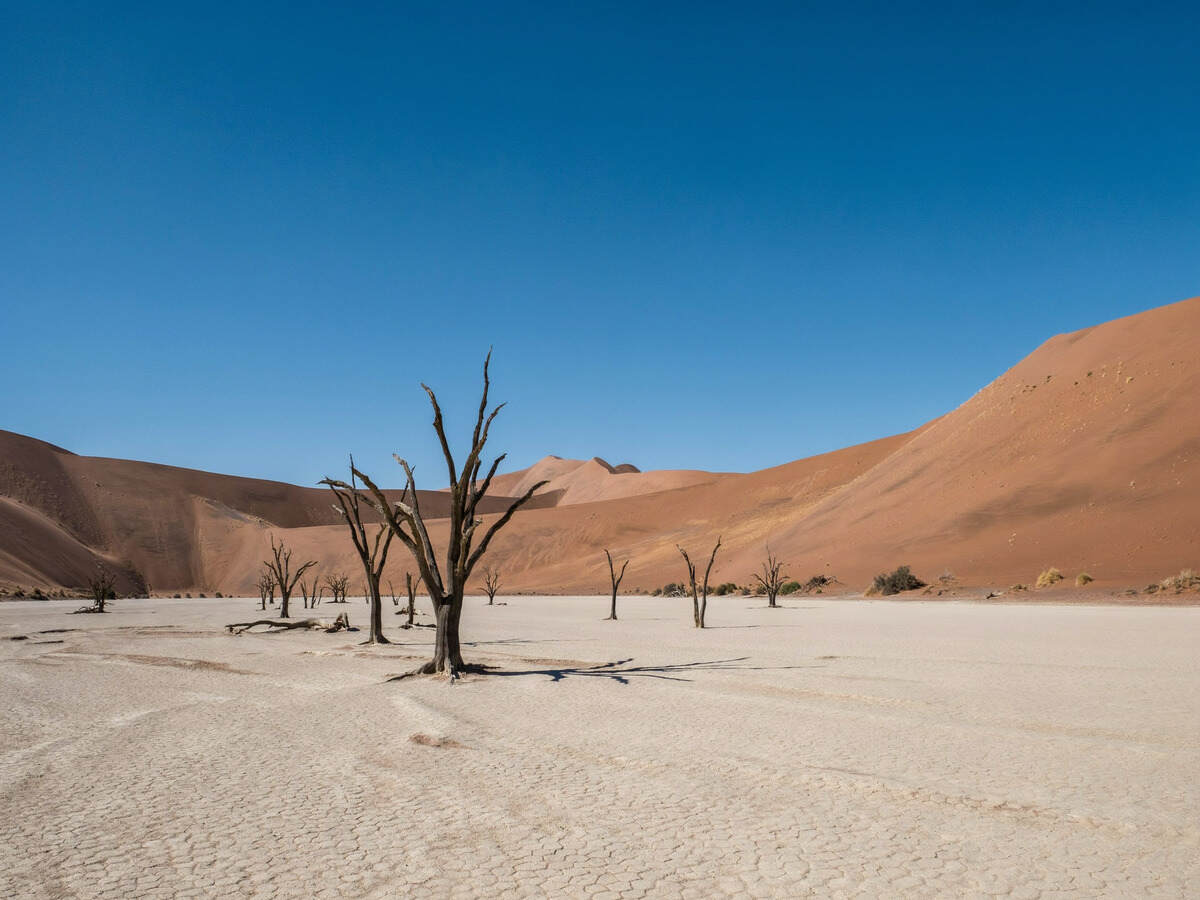
Namibia becomes another country in the continent alongside with Morocco and other African countries which are enhancing tourism through new flights and luxurious lodges. The tourism industry in Africa is taking off again in 2026 as Namibia follows suit to Morocco, South Africa, Botswana, Kenya, and Uganda to enhance international tourism through new air routes, road shows worldwide, luxury lodging, investment in infrastructure, and sustainable tourism. These countries are establishing themselves in the international tourism market through unique destination promotion, visitor infrastructures and building connections with foreign tour operators. Namibia is specifically focusing on exclusive desert retreats while Morocco is building up its hotel capacities and flight networks.
Namibia Strengthens African Tourism With Global Roadshows And Exclusive Desert Experiences
Namibia is emerging as an important destination in Africa’s 2026 tourism development landscape through a strategy focused on international promotion, improved accessibility and high-value travel experiences. The Namibia Tourism Board is organising overseas tourism campaigns to introduce the country’s extraordinary landscapes, wildlife attractions and distinctive hospitality offerings to international markets.
Rather than relying exclusively on conventional safari tourism, Namibia is positioning its vast deserts, peaceful wilderness and secluded accommodation as premium experiences. This approach is intended to attract travellers seeking privacy, natural beauty and responsible tourism.
The country is also expanding relationships with international travel companies, encouraging tourism investment and supporting local operators.
Advertisement
Advertisement
New Zurich–Windhoek Airline Connection Opens Fresh Opportunities For Namibia
One of Namibia’s significant tourism developments in 2026 is the introduction of Edelweiss Air’s direct Zurich–Windhoek connection in July.
The service improves accessibility between Switzerland and Namibia, supporting the country’s efforts to attract European travellers interested in wildlife safaris, desert holidays and luxury accommodation.
Advertisement
Advertisement
The Namibia Tourism Board has also collaborated with Edelweiss Air and Discover Airlines to strengthen international destination promotion.
A familiarisation programme brought 25 tourism professionals and journalists from Germany, Switzerland, Austria, Belgium, the Netherlands and the United Kingdom to Namibia.
Advertisement
Advertisement
Participants explored attractions across Etosha, Kunene, the Zambezi Region, Kavango, the coast and the Namib Desert.
These visits allow international travel specialists to gain practical destination knowledge and develop more detailed travel packages.
Namibia Targets China And Europe Through Major Tourism Roadshows
Namibia’s international marketing strategy extends beyond traditional European visitor markets.
The MEET NAMIBIA China Cities Roadshow, scheduled between 30 October and 11 November 2026, will target Beijing, Nanjing, Hangzhou and Shanghai.
Advertisement
Advertisement
The campaign is designed to build relationships with Chinese tourism businesses and introduce Namibia’s safari destinations, adventure experiences and premium accommodation.
Another European roadshow is scheduled for 23–26 November, covering Milan, Paris, Copenhagen and Warsaw.
These promotional activities aim to strengthen Namibia’s international distribution networks and increase destination awareness.
Germany, the United States, the United Kingdom, France and the Netherlands are already established overseas source markets for Namibia.
By engaging additional international buyers, the country hopes to broaden its tourism reach and create new commercial opportunities.
Exclusive Desert Retreats Place Namibia’s Luxury Tourism In The International Spotlight
Namibia’s luxury tourism strategy centres on the concept of space, silence and meaningful experiences in nature.
Advertisement
Advertisement
Exclusive properties such as &Beyond Sossusvlei Desert Lodge, Gmundner Lodge and establishments operated by Gondwana Collection Namibia demonstrate how premium accommodation can be integrated with conservation and environmental responsibility.
Grootberg Lodge provides another example of how community-focused tourism can support local livelihoods while offering visitors access to spectacular natural landscapes.
In July 2026, Gondwana Collection Namibia also introduced the Luna Namib Collection, expanding accommodation options.
The country’s distinctive tourism appeal is supported by attractions such as Sossusvlei, the Skeleton Coast, Etosha National Park, Damaraland and Fish River Canyon.
These destinations offer dramatic scenery, wildlife viewing, cultural experiences and opportunities for carefully managed wilderness exploration.
Luxury Travel Namibia 2026 Creates A New Platform For International Tourism Partnerships
Namibia is preparing to host Luxury Travel Namibia from 8 to 10 December 2026 at the Strand Hotel in Swakopmund.
Advertisement
Advertisement
The event will bring together international travel buyers, hospitality operators, tourism businesses and industry representatives.
Its main objective is to establish commercial partnerships that can strengthen Namibia’s position within the global premium travel market.
The programme includes buyer engagement, professional development opportunities and discussions involving luxury leisure travel and meetings, incentives, conferences and exhibitions.
Botswana and Zimbabwe have also been identified as regional partners in the initiative.
The event will provide Namibian businesses with opportunities to promote exclusive accommodation, conservation tourism and regional travel experiences.
Its commercial impact will depend on the partnerships and bookings generated after the event.
Advertisement
Advertisement
Morocco Accelerates Tourism Expansion Through New Hospitality Investments And Airline Connectivity
Morocco is advancing its tourism development programme through major investments in accommodation, transport connectivity and destination marketing.
The country’s 2023–2026 Tourism Roadmap establishes a framework for expanding tourism services, diversifying attractions and strengthening international competitiveness.
Its objectives include increasing hospitality capacity, upgrading existing accommodation and creating more varied travel experiences.
The roadmap originally targeted 17.5 million tourists by 2026, alongside the creation of 200,000 jobs and MAD 120 billion in foreign-exchange earnings.
These figures represent programme objectives rather than final 2026 results.
Morocco is also pursuing a longer-term ambition of attracting 26 million tourists annually by 2030.
Advertisement
Advertisement
Airline partnerships form an important part of this strategy, allowing more international visitors to access Moroccan destinations.
Marrakech, Agadir And Casablanca Support Morocco’s Tourism Growth
Morocco’s destination development approach incorporates cultural tourism, coastal holidays, luxury hospitality and urban travel.
Marrakech remains an important destination for heritage tourism, luxury riads, traditional markets and high-end hospitality.
Agadir supports the country’s beach tourism industry through coastal resorts, leisure facilities and Atlantic Ocean attractions.
Casablanca provides opportunities for business tourism, urban experiences and international transport connections.
Other destinations, including Rabat, Fez, Essaouira and Tangier, contribute to Morocco’s diversified tourism offering.
Advertisement
Advertisement
By promoting multiple regions rather than concentrating exclusively on established tourism centres, Morocco aims to encourage wider visitor movement and generate benefits across its tourism economy.
This geographic diversity is an important part of its tourism development strategy.
South Africa Expands Tourism Through International Flight Routes And Digital Visitor Services
South Africa is strengthening its tourism industry through improved aviation connectivity, destination marketing, digital travel services and tourism investment.
The country introduced several important international airline developments in 2026.
Air Europa launched its Madrid–Johannesburg service in June, while LATAM introduced flights between São Paulo and Cape Town in July.
Turkish Airlines also announced increased South African services beginning in October.
Advertisement
Advertisement
These developments are intended to improve international accessibility and support connections with major overseas travel markets.
South Africa’s Electronic Travel Authorisation initiative is another component of efforts to simplify entry arrangements for eligible visitors.
Tourism investment and safety programmes also feature in the country’s broader growth strategy.
Government figures reported more than 2.9 million inbound travellers during the first quarter of 2026, representing 12.6% growth compared with the corresponding period of 2025.
Cape Town, Johannesburg And Kruger National Park Strengthen South Africa’s Appeal
South Africa offers an extensive combination of metropolitan attractions, beaches, national parks, wildlife safaris and luxury accommodation.
Cape Town attracts visitors through Table Mountain, its coastline, culinary experiences and access to the surrounding wine regions.
Advertisement
Advertisement
Johannesburg remains important for business travel, cultural tourism and international connections.
Kruger National Park supports the country’s wildlife tourism industry through guided safaris, conservation experiences and premium lodges.
Durban and the Garden Route add coastal and adventure tourism opportunities.
South Africa’s national tourism strategy aims to increase international arrivals to 15 million annually by 2030.
The country’s investment initiatives and airline developments are intended to support this longer-term objective while creating economic opportunities across the visitor economy.
Botswana Boosts Safari Tourism With New Regional Flights And Conservation Investment
Botswana is advancing tourism growth in 2026 by strengthening regional flight connectivity, supporting safari investment and developing conservation-focused tourism infrastructure.
Advertisement
Advertisement
Proflight introduced a regional connection linking Maun, Livingstone and Lusaka in May 2026, initially operating three times weekly.
This route improves access between major Southern African travel destinations and creates opportunities for multi-country itineraries.
Botswana is also pursuing airport improvements at Maun and Kasane to support tourism operations in northern wildlife destinations.
The country’s 2026 budget identified tourism sites and concessions associated with approximately P362 million in envisaged investment.
Authorities are also working on initiatives to improve tourism circuits and encourage longer visitor stays.
These measures are intended to strengthen Botswana’s position in Africa’s safari tourism market.
Advertisement
Advertisement
Okavango Delta And Chobe National Park Drive Botswana’s Premium Travel Strategy
Botswana’s tourism industry benefits from internationally recognised wildlife destinations, particularly the Okavango Delta and Chobe National Park.
The Okavango Delta attracts travellers interested in water-based safaris, wildlife photography and exclusive wilderness accommodation.
Chobe National Park is particularly associated with elephant populations and river-based wildlife experiences.
Maun and Kasane function as important gateways for international safari visitors.
In August 2026, an EU-supported conservation initiative was launched to support the revitalisation of the Kalahari Transfrontier Park.
These projects highlight Botswana’s efforts to combine environmental protection with tourism development.
Advertisement
Advertisement
Together with Namibia’s luxury travel initiatives, Botswana’s safari strategy contributes to the growing appeal of Southern Africa for international nature-based travel.
Kenya Strengthens Tourism Through Global Marketing And Diverse Safari Experiences
Kenya is expanding its international tourism promotion through destination storytelling, conservation experiences and global events.
The country’s Experience Wonder campaign showcases attractions beyond its most famous safari circuits.
Destinations featured in its promotional efforts include Amboseli, the Aberdares, Borana, Kilifi, Hell’s Gate and the Gede Ruins.
Kenya is also using international conferences and tourism partnerships to strengthen destination visibility.
Government tourism information indicates that the country received approximately 2.7 million international arrivals in 2025.
Advertisement
Advertisement
Its diverse travel offering includes luxury safaris in the Maasai Mara, coastal holidays around Diani Beach and cultural tourism across several regions.
By marketing wildlife, adventure, heritage and beach experiences together, Kenya aims to appeal to a broader range of international travellers.
Uganda Expands Tourism With Infrastructure Projects, Global Buyers And Digital Innovation
Uganda is developing its tourism industry through infrastructure investment, international promotional events and digital innovation.
The Pearl of Africa Tourism Expo in May 2026 brought together more than 120 hosted international buyers and over 300 exhibitors, according to government information.
The event provided a platform for tourism businesses to establish relationships with overseas travel companies.
Uganda is also implementing tourism-related infrastructure projects under the World Bank-supported PIM-PLUS programme, which includes US$20 million allocated to four projects.
Advertisement
Advertisement
These cover museum development, hospitality training and roadside visitor facilities.
Construction began in July on a UGX 9.2 billion development at the Kikorongo Equator Monument.
The project is intended to improve visitor facilities and strengthen tourism infrastructure.
Uganda’s strategy also includes sustainable tourism standards and digital technology initiatives.
Gorilla Trekking And Wildlife Adventures Help Uganda Diversify African Tourism
Uganda’s natural attractions provide an important foundation for its international tourism development.
Bwindi Impenetrable National Park is internationally recognised for mountain gorilla trekking experiences.
Advertisement
Advertisement
Queen Elizabeth National Park and Murchison Falls offer wildlife viewing and nature-based excursions.
Jinja is associated with adventure tourism and activities around the Nile, while the Rwenzori Mountains attract hikers and mountain enthusiasts.
Uganda is also promoting cultural heritage and lesser-known destinations to diversify its tourism offering.
The country reported more than 1.6 million international visitor arrivals in 2025, with tourism earnings of approximately UGX 5.8 trillion.
By combining infrastructure improvements with international buyer engagement, Uganda is working to strengthen the competitiveness of its tourism industry.
African Tourism Development In 2026: Country-Wise Comparison
The following table summarises the principal tourism initiatives being pursued by the six countries and their significance for international travel.
Advertisement
Advertisement
| Country | Major tourism initiatives in 2026 | Key destinations | Main development focus |
|---|---|---|---|
| Namibia | Zurich–Windhoek flight, China and European roadshows, Luxury Travel Namibia, desert retreats | Sossusvlei, Swakopmund, Etosha, Skeleton Coast | Luxury wilderness tourism and international partnerships |
| Morocco | Tourism Roadmap, aviation development, hospitality investment and destination diversification | Marrakech, Agadir, Casablanca, Fez, Tangier | Cultural tourism, coastal resorts and hotel capacity |
| South Africa | New international flights, digital visitor services, tourism investment initiatives | Cape Town, Johannesburg, Kruger, Durban | International accessibility, safari tourism and business travel |
| Botswana | Regional flights, airport development plans, safari investment and conservation initiatives | Okavango Delta, Chobe, Maun, Kasane | Luxury safaris and sustainable wildlife tourism |
| Kenya | Experience Wonder campaign, international events and destination promotion | Maasai Mara, Amboseli, Nairobi, Diani Beach | Wildlife, coastal, adventure and heritage tourism |
| Uganda | Pearl of Africa Tourism Expo, tourism infrastructure projects and digital innovation | Bwindi, Murchison Falls, Jinja, Rwenzori Mountains | Gorilla trekking, ecotourism and infrastructure development |
New Airline Links And Tourism Roadshows Are Transforming Africa’s Global Travel Strategy
Across these six countries, improved international accessibility and stronger overseas marketing are becoming central tourism development priorities.
Namibia’s new Swiss air connection, South Africa’s international route additions and Botswana’s regional flight service illustrate different approaches to improving access.
At the same time, Namibia’s roadshows in China and Europe, Kenya’s promotional campaigns and Uganda’s international tourism exhibitions demonstrate the importance of direct engagement with travel buyers.
Morocco’s tourism roadmap adds another dimension by combining transport connectivity with investment in accommodation and visitor experiences.
These initiatives share a broad objective: making African destinations more accessible, commercially competitive and attractive to international travellers.
However, the countries are implementing separate national strategies, and their development programmes should not be interpreted as a single coordinated continental initiative.
Advertisement
Advertisement
Sustainable Tourism And Luxury Wilderness Travel Shape Africa’s Next Growth Phase
Conservation, community participation and environmentally responsible accommodation are increasingly prominent in African tourism development.
Namibia’s desert lodges demonstrate how privacy, wilderness and conservation can become defining elements of luxury hospitality.
Botswana continues to strengthen wildlife tourism through conservation investment and safari infrastructure.
Kenya promotes a combination of protected landscapes, cultural experiences and premium wildlife holidays.
Uganda’s gorilla trekking and national park tourism create opportunities to connect visitor spending with conservation and local economic activity.
South Africa and Morocco are simultaneously diversifying their tourism offerings through hospitality investment, heritage attractions and destination development.
Advertisement
Advertisement
The commercial challenge for these countries is to convert international interest into sustainable visitor spending while preserving the natural and cultural resources that make their destinations distinctive.
Africa’s Tourism Expansion In 2026 Signals Broader Opportunities For International Travellers
The tourism initiatives taking place across Namibia, Morocco, South Africa, Botswana, Kenya and Uganda demonstrate how different African destinations are responding to changing international travel demand.
For long-haul visitors, new airline connections and destination marketing may increase awareness of available travel experiences.
For tourism businesses, international roadshows, hosted buyer programmes and investment initiatives create opportunities to develop commercial partnerships.
For local communities, responsible tourism development can generate employment and support businesses connected to hospitality, transport, guiding and conservation.
Namibia’s emphasis on exclusive desert retreats provides a particularly distinctive element within this broader picture.
Advertisement
Advertisement
While Morocco advances hospitality and aviation development, South Africa expands international air access, Botswana strengthens safari connections, Kenya markets diverse attractions and Uganda invests in visitor infrastructure, Namibia is promoting the exceptional value of its remote landscapes.
Together, these developments highlight an important direction for African tourism in 2026: greater international connectivity, more diversified visitor experiences and growing attention to high-value, sustainable travel.
Namibia follows Morocco and other African countries in their efforts to develop their tourism industry through 2026 via international roadshows, new flights and luxury retreats in the desert.
The future success of these strategies relies on improvements that can be measured in terms of visitor numbers, spending, infrastructure development and employment.
Advertisement
