
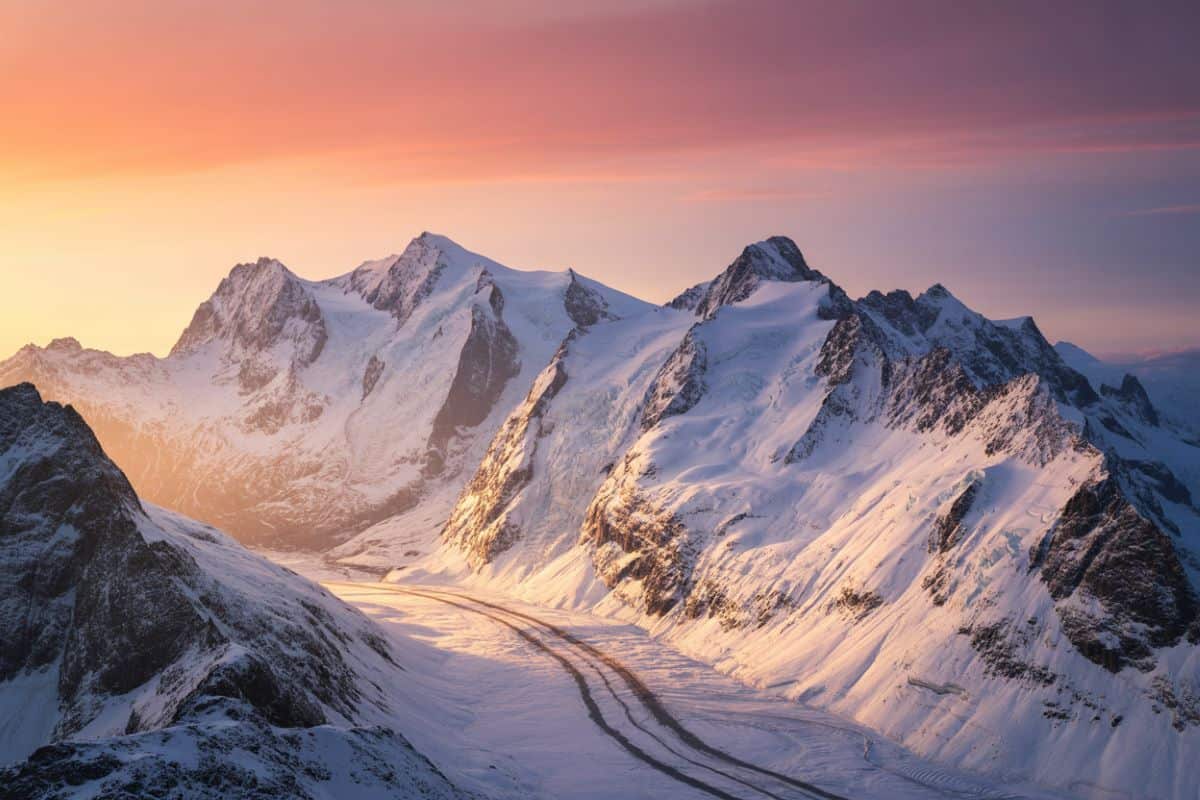
Image generated with Ai
Successive summer heatwaves across Southern Europe are reshaping travel patterns, with an increasing number of holidaymakers choosing cooler mountain regions instead of traditional beach destinations. The growing trend, widely known as “coolcations,” is encouraging travellers to swap crowded coastal resorts for alpine valleys, forested landscapes and higher-altitude destinations where temperatures remain more comfortable during the peak holiday season.
Among the destinations benefiting from this shift are Slovenia’s Soča Valley and Austria’s Innsbruck, both of which have experienced rising interest from travellers seeking outdoor adventure, fresh mountain air and nature-based experiences. Industry reports indicate that travellers are increasingly prioritising hiking, cycling, rafting and wellness holidays over conventional seaside vacations as Europe experiences more frequent periods of extreme summer heat.
Advertisement
The changing travel behaviour reflects broader consumer interest in sustainable tourism, active holidays and destinations offering a balance between relaxation and outdoor recreation.
Southern Europe has experienced another season of exceptionally high temperatures, with several countries recording prolonged heatwaves during the traditional summer travel period.
Advertisement
These weather conditions have prompted many travellers to reconsider holiday destinations, particularly families, older visitors and outdoor enthusiasts looking for more comfortable climates.
Travel companies and tourism analysts report growing demand for destinations offering cooler temperatures, mountain landscapes and opportunities for active recreation instead of prolonged exposure to extreme heat. The trend has strengthened bookings for alpine regions, northern European destinations and elevated mountain resorts.
Rather than abandoning European summer holidays altogether, travellers are simply changing where they spend them.
One of the strongest beneficiaries of this changing travel pattern is Slovenia’s Soča Valley, located within the Julian Alps.
Famous for its emerald-green river, dramatic mountain scenery and pristine natural environment, the valley has become one of Europe’s leading destinations for adventure tourism.
Visitors travel to the region for activities including:
Unlike crowded coastal destinations, the Soča Valley offers cooler daytime temperatures, shaded forests and alpine rivers that provide relief during the hottest months of the year.
Tourism operators across the region have reported growing interest in multi-day outdoor holidays centred around nature, wellness and sustainable travel experiences.
Across the border in Austria, Innsbruck has also strengthened its reputation as one of Europe’s premier summer mountain destinations.
Surrounded by the Alps, the city combines historic architecture with immediate access to hiking trails, cable cars, cycling routes and alpine lakes.
The cooler mountain climate allows visitors to enjoy outdoor activities throughout the day without the intense temperatures experienced in many Mediterranean destinations.
Summer tourism has increasingly become as important as the traditional winter ski season, with visitors seeking wellness retreats, mountain sports and scenic landscapes.
The city’s excellent rail and air connections also make it easily accessible for travellers from across Europe.
The popularity of coolcation destinations reflects wider growth in adventure tourism.
Travellers increasingly want holidays that combine physical activity with memorable natural experiences rather than simply relaxing at hotels or beaches.
Activities such as hiking, rafting, climbing, cycling and canyon exploration have become central attractions in many mountain destinations.
These experiences appeal to families, younger travellers, wellness tourists and environmentally conscious visitors looking to reconnect with nature.
Adventure tourism also encourages longer stays, as travellers often combine several outdoor activities within a single holiday.
Environmental awareness is becoming a more important consideration when travellers choose destinations.
Mountain regions often promote sustainable tourism through protected national parks, eco-friendly accommodation, locally produced food and responsible outdoor recreation.
Slovenia has earned international recognition for its sustainability initiatives, with tourism authorities encouraging environmentally responsible travel while protecting sensitive natural ecosystems.
The Soča Valley represents this approach by balancing visitor access with conservation efforts designed to preserve the region’s rivers, forests and wildlife.
These initiatives appeal to travellers seeking authentic experiences that minimise environmental impact.
The rise of coolcation travel creates important economic opportunities for mountain communities.
Hotels, guesthouses, restaurants, adventure guides, transport providers and local businesses all benefit from increased visitor numbers during the summer season.
Traditionally, many alpine regions depended heavily on winter tourism.
However, growing demand for summer outdoor activities is helping destinations generate income throughout the year while reducing seasonal fluctuations.
Community-based tourism also benefits as visitors explore local villages, regional cuisine and cultural traditions alongside outdoor recreation.
Transport infrastructure has played an important role in expanding tourism to cooler destinations.
Modern highways, rail services and regional airports allow travellers to reach mountain regions more quickly than ever before.
Digital booking platforms have also simplified holiday planning by allowing visitors to reserve accommodation, transport and outdoor activities through a single itinerary.
Improved accessibility has encouraged weekend breaks and shorter holidays, particularly among travellers living within Europe.
This flexibility has contributed to rising visitor numbers across many alpine destinations.
Tourism experts increasingly recognise climate as an important factor shaping future travel demand.
As extreme summer temperatures become more common in certain parts of Europe, cooler regions are expected to receive growing interest from travellers seeking comfortable holiday conditions.
International organisations have also noted that climate change is gradually influencing both the geography and seasonality of tourism, encouraging greater demand for higher-altitude and temperate destinations during peak summer months.
Rather than replacing traditional beach tourism, coolcation travel is expanding the range of choices available to holidaymakers.
The continuing popularity of coolcation holidays suggests that mountain tourism will remain one of Europe’s fastest-growing travel segments.
Destinations such as Soča Valley and Innsbruck are well positioned to benefit from growing interest in outdoor adventure, wellness, sustainable tourism and nature-based experiences.
Continued investment in hiking infrastructure, cycling routes, eco-tourism initiatives and regional transport will further strengthen the competitiveness of alpine destinations.
As travellers increasingly prioritise cooler climates, active holidays and authentic natural experiences, mountain regions across Europe are expected to attract even greater visitor numbers during future summer seasons.
The emergence of coolcation reflects more than a temporary travel trend. It signals a broader evolution in holiday preferences, where comfort, sustainability and outdoor exploration are becoming just as important as sunshine and beaches. For Slovenia’s Soča Valley, Austria’s Innsbruck, and many other alpine destinations, this transformation presents significant opportunities to expand tourism while promoting responsible and year-round visitor growth.
Advertisement
Advertisement
Advertisement












Saturday, September 5, 2026

Saturday, September 5, 2026
Saturday, September 5, 2026
Saturday, September 5, 2026
Saturday, September 5, 2026

Saturday, September 5, 2026

Saturday, September 5, 2026

Saturday, September 5, 2026



