
Egypt Follows Morocco and Eight Key Tourism Markets as Africa’s 123,846-Room Hotel Boom Redraws Travel Supply

Published
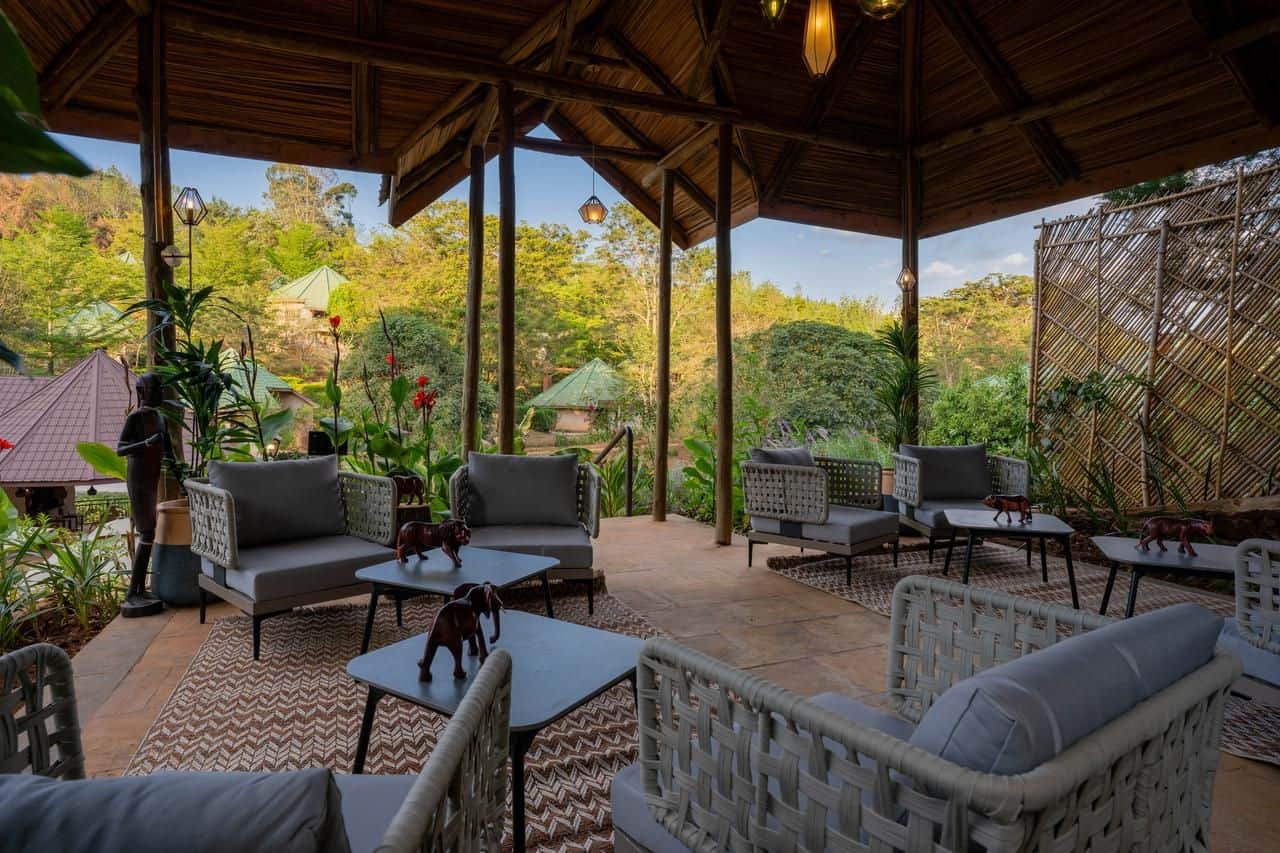
Africa is entering a powerful new phase of hotel expansion, with 675 hotels and resorts containing 123,846 rooms in the 2026 development pipeline. The figure represents an 18.6% annual increase, highlighting renewed confidence in the continent’s tourism economy. Yet the numbers conceal a striking geographical divide. Egypt alone accounts for 45,984 rooms, while Morocco, Nigeria, Kenya, Ethiopia, Tanzania, South Africa and Ghana add another 43,477 rooms. Together, these eight markets represent more than 72% of Africa’s entire branded hotel pipeline. For travellers, the expansion could bring more branded accommodation, new resorts and greater destination choice. However, the bigger story lies in what gets built, where construction is advancing, and whether future room supply matches actual tourism demand.
Africa’s Hotel Boom Has Become Highly Concentrated
The latest W Hospitality Group survey records development activity from 53 international and regional hotel chains across Africa. Its figures show that the continent’s pipeline has expanded from 80,291 rooms in 2022 to 123,846 rooms in 2026.
That represents a rise of about 54% in four years, although planned rooms do not equal completed rooms. The distinction matters because projects can face financing constraints, permitting delays, construction interruptions or changes in development plans.
North Africa has become the strongest growth engine. Its pipeline reached 62,630 rooms, compared with 61,216 rooms across sub-Saharan Africa. North Africa’s pipeline increased 27% year on year, while sub-Saharan Africa recorded 11% growth.
Advertisement
Advertisement
| African Market | Hotels | Pipeline Rooms | Rooms Under Construction | Construction Share |
|---|---|---|---|---|
| Egypt | 185 | 45,984 | 23,622 | 51.4% |
| Morocco | 75 | 10,606 | 6,859 | 64.7% |
| Nigeria | 57 | 8,480 | 3,328 | 39.2% |
| Kenya | 35 | 6,190 | 4,922 | 79.5% |
| Ethiopia | 34 | 5,964 | 4,768 | 79.9% |
| Tanzania | 29 | 4,159 | 3,222 | 77.5% |
| South Africa | 31 | 4,136 | 2,778 | 67.2% |
| Ghana | 26 | 3,942 | 2,196 | 55.7% |
The concentration is even more pronounced at the continental level. The ten largest national pipelines account for 79% of all rooms, according to the survey. Egypt and Morocco alone exceed 45% of the continent’s pipeline rooms.
This creates an important distinction for travellers. Africa is not experiencing one uniform hotel boom. Instead, several high-growth tourism markets are attracting a disproportionate share of new branded accommodation.
Advertisement
Advertisement
Egypt’s Scale Tells Only Half the Story
Egypt remains the continent’s dominant hotel development market by a considerable margin. Its 185 projects and 45,984 rooms represent more than one-third of Africa’s entire pipeline.
The scale becomes clearer when compared with Morocco. Egypt has more than four times Morocco’s pipeline rooms, despite Morocco ranking second. The average Egyptian project contains 249 rooms, substantially above the 141-room average in Morocco.
Advertisement
Advertisement
Greater Cairo is particularly significant. The metropolitan market has a pipeline of 22,111 rooms across 88 projects, making it one of the continent’s largest concentrations of future accommodation.
The Red Sea also remains central to Egypt’s development strategy. Sharm El Sheikh, Marsa Alam and Ain Sokhna feature prominently among the country’s resort-oriented expansion zones.
However, Egypt also illustrates why pipeline figures require caution. Around 60% of Egyptian projects were signed in 2022 or later, leaving many developments relatively young. The chains recorded only seven Egyptian openings in 2025, although 33 openings are anticipated during 2026.
For travellers, this means Egypt’s headline pipeline should not be interpreted as 46,000 rooms arriving immediately. A substantial portion remains somewhere between contractual agreement, planning and construction.
Advertisement
Advertisement
Morocco Builds a Different Growth Profile
Morocco’s 10,606-room pipeline presents a smaller but comparatively mature development picture. The country has 75 hotels in the pipeline, with 6,859 rooms already under construction.
That gives Morocco a construction ratio of 64.7%, significantly above Egypt’s 51.4%. The country’s pipeline also increased strongly over the past year.
The development story connects directly with Morocco’s broader tourism infrastructure. Marrakech, Casablanca, Rabat and coastal destinations remain important accommodation markets, while major international events are creating additional pressure for capacity.
The 2030 FIFA World Cup adds another strategic dimension. Morocco will co-host the tournament with Spain and Portugal, creating a long-term requirement for hotel rooms, transport links and destination infrastructure.
For travellers, the significance extends beyond the tournament itself. New properties can increase accommodation choice, distribute visitors across more neighbourhoods and destinations, and strengthen the country’s ability to handle peak travel periods.
Nigeria Reveals the Pipeline Delivery Problem
Nigeria offers perhaps the clearest warning against treating hotel announcements as finished supply. The country has 57 projects containing 8,480 rooms, making it Africa’s third-largest national pipeline.
Advertisement
Advertisement
Yet only 3,328 rooms are reported as under construction, representing 39.2% of the total. That is the lowest construction share among the eight markets examined here.
The contrast is striking. Nigeria has more pipeline rooms than Kenya and Ethiopia, but both East African markets have nearly four-fifths of their pipeline already under construction.
Lagos remains particularly important because of its enormous business, corporate and events economy. Abuja adds government, diplomatic and conference demand, while other Nigerian cities are gradually attracting branded accommodation.
For travellers, Nigeria’s future room supply will therefore depend heavily on project execution. A signed hotel deal can expand future choice, but it does not necessarily create a room available for booking.
East Africa Shows Stronger Construction Momentum
Kenya, Ethiopia and Tanzania collectively account for 16,313 pipeline rooms. More importantly, about 12,912 of those rooms are already under construction.
Kenya has 4,922 rooms under construction from a 6,190-room pipeline, giving it a 79.5% construction ratio. Ethiopia follows at 79.9%, while Tanzania reaches 77.5%.
Advertisement
Advertisement
This is one of the most consequential findings in the data. East Africa does not match Egypt’s enormous volume, but its projects are progressing through the development cycle at a much faster rate.
| East African Market | Pipeline Rooms | Under Construction | Share Moving Into Construction |
|---|---|---|---|
| Kenya | 6,190 | 4,922 | 79.5% |
| Ethiopia | 5,964 | 4,768 | 79.9% |
| Tanzania | 4,159 | 3,222 | 77.5% |
| Combined | 16,313 | 12,912 | 79.2% |
Kenya’s hotel expansion connects Nairobi’s business economy with safari and coastal tourism. Ethiopia’s pipeline is closely associated with Addis Ababa’s diplomatic, aviation and conference economy.
Tanzania brings a different demand mix. Zanzibar’s beach tourism sits alongside safari circuits covering some of Africa’s best-known wildlife destinations.
That diversity makes East Africa particularly important for travellers. New accommodation is not being developed solely for conventional city tourism. It is also supporting safari, leisure, business, meetings and Indian Ocean travel.
South Africa Adds Capacity to a Mature Market
South Africa has 31 projects and 4,136 rooms in the pipeline. Around 2,778 rooms are already under construction, equivalent to 67.2% of the total.
The country’s development cycle is occurring against a strong tourism recovery. South Africa welcomed 10.48 million international arrivals during 2025, a record level and a 17.6% increase over 2024.
Advertisement
Advertisement
The momentum continued in 2026. International arrivals reached 5.58 million between January and June, representing 12.3% growth year on year.
This creates a useful contrast with Egypt. South Africa’s pipeline is considerably smaller, but its existing tourism ecosystem is mature and its visitor base is already substantial.
Cape Town, Johannesburg and Durban therefore provide a different hospitality proposition. New hotels can serve leisure travellers, corporate visitors, events, conferences and regional African travel.
Ghana’s Expansion Centres on Business Travel
Ghana’s pipeline contains 26 projects and 3,942 rooms, with 2,196 rooms under construction. That represents a 55.7% construction ratio.
Accra remains the country’s natural hospitality centre because of its international airport, business activity and growing conference economy. The expansion of branded accommodation can therefore strengthen Ghana’s position as a West African gateway.
The traveller impact could extend beyond room availability. International hotel brands often bring loyalty programmes, recognised service standards and centralised booking platforms.
Advertisement
Advertisement
However, branded development should not automatically be equated with affordability. The current African pipeline remains weighted towards higher-end accommodation, leaving an important question around the supply of economy and midscale rooms.
The Luxury Question Matters to Travellers
The continent’s hotel expansion is not simply about adding beds. It is also changing the type of accommodation available.
Large resorts and upscale city properties dominate many major developments. Resort projects are generally larger than city hotels, making them particularly influential in markets such as Egypt and Tanzania.
This matters because a destination can add thousands of rooms without materially improving accommodation access for budget-conscious travellers.
A healthier tourism ecosystem requires a spectrum of products. Luxury resorts can attract high-spending visitors, while midscale and economy hotels can broaden access and encourage longer stays.
The next stage of Africa’s hotel development should therefore be assessed through room quality, price positioning, destination distribution and market accessibility, rather than room volume alone.
Advertisement
Advertisement
Global Hotel Brands Are Expanding Their Footprint
International operators remain central to the transformation. Marriott International leads the continental pipeline by rooms, followed by Hilton and Accor.
The five largest global groups — Marriott, Hilton, Accor, IHG and Radisson Hotel Group — collectively account for around 80% of Africa’s pipeline hotels and rooms.
This concentration gives major brands considerable influence over Africa’s future accommodation landscape. It also creates advantages for travellers who rely on loyalty programmes, recognised standards and international reservation systems.
Hilton separately announced plans in March 2026 to open more than 100 hotels across Africa, with more than half located in sub-Saharan Africa. The company said its African pipeline could generate more than 20,000 jobs.
At the same time, hotel expansion is increasingly moving into lifestyle and focused-service brands. That shift could eventually give travellers more alternatives between traditional luxury properties and independent accommodation.
Air Connectivity Will Decide What Gets Filled
Hotel construction cannot operate in isolation from aviation. A destination can build thousands of rooms, but occupancy depends on whether travellers can reach those rooms efficiently.
Advertisement
Advertisement
Africa recorded 74 million international tourist arrivals in 2024, according to UN Tourism and ICAO. That represented 7% growth above 2019 levels and 12% growth from 2023.
Air passenger traffic also strengthened. ICAO reported that international passenger traffic measured by revenue passenger-kilometres increased 36.6% from 2023 during the period highlighted by the two organisations.
This relationship is particularly important for Egypt, Kenya, Ethiopia, Morocco and Tanzania. Their hotel investment increasingly depends on strong international gateways and regional connections.
For travellers, better connectivity can ultimately matter as much as hotel construction. New routes, additional frequencies and improved airport capacity can determine whether newly developed destinations become genuinely accessible.
More Rooms Do Not Guarantee Lower Prices
The arrival of new hotels can increase consumer choice, but it does not automatically mean cheaper accommodation.
Hotel prices respond to demand, seasonality, currency movements, operating costs and the positioning of individual properties. A new luxury resort may increase room inventory while remaining outside the price range of most travellers.
Advertisement
Advertisement
The more significant long-term effect could be competition between brands. As more operators enter a destination, hotels may compete through loyalty benefits, packages, room upgrades, dining offers and experience-led products.
Travellers should therefore watch where new hotels open, not simply how many rooms are announced.
A new airport hotel may reduce transfer friction. A safari lodge may expand access to a remote circuit. A resort can create an entirely new leisure destination. Each development has a different practical effect.
The Pipeline Versus Reality Gap
The most important lesson from the 2026 data is simple. A hotel pipeline measures intention and progress, not guaranteed future supply.
W Hospitality Group expects more than 65,000 rooms to open during 2026 and 2027, including 31,768 rooms in 2026 and 33,381 rooms in 2027. Yet historical delivery patterns suggest actual openings can fall below forecasts.
That makes construction status a crucial indicator. Kenya, Ethiopia and Tanzania currently provide stronger evidence of near-term supply because around four-fifths of their pipeline rooms are already under construction.
Advertisement
Advertisement
Egypt presents the opposite dynamic. Its enormous pipeline could transform the country’s accommodation landscape, but much of that inventory remains at earlier development stages.
For travellers planning future trips, therefore, an announced hotel should be treated differently from a property with a confirmed opening date and active construction.
What This Means for Future Travellers
Africa’s hotel expansion should eventually provide greater destination choice, more international brands and a wider range of travel experiences. The strongest effects will appear in markets where hotel investment advances alongside aviation, infrastructure and tourism demand.
Egypt will remain central because of its exceptional scale. Morocco combines sizeable development with strong construction progress, while Kenya, Ethiopia and Tanzania stand out for the proportion of projects already advancing.
Nigeria’s figures demonstrate why pipeline size alone can mislead. South Africa and Ghana show how new supply can reinforce established business and leisure markets rather than simply create new destinations.
The bigger transformation is geographic. Africa’s hotel map is becoming more diversified, but investment remains concentrated in a relatively small group of countries.
Advertisement
Advertisement
Africa’s Next Hotel Cycle Takes Shape
The 2026 figures show a continent preparing for a much larger tourism economy, but the development story is uneven. 123,846 rooms across 675 projects represents substantial investment ambition, yet the most revealing figures concern construction progress and destination concentration.
Egypt controls more than one-third of the continental pipeline. Morocco adds another major North African development cluster, while Kenya, Ethiopia and Tanzania demonstrate unusually strong execution momentum.
Meanwhile, Nigeria highlights the distance between a signed project and a finished hotel. South Africa and Ghana show how established tourism markets are continuing to expand their accommodation base.
For travellers, the coming years should bring more branded properties, new resorts and greater choice across Africa. The real measure of the boom, however, will be how many planned rooms become operating hotels, how accessible they are, and whether tourism demand grows quickly enough to sustain them.
Advertisement
