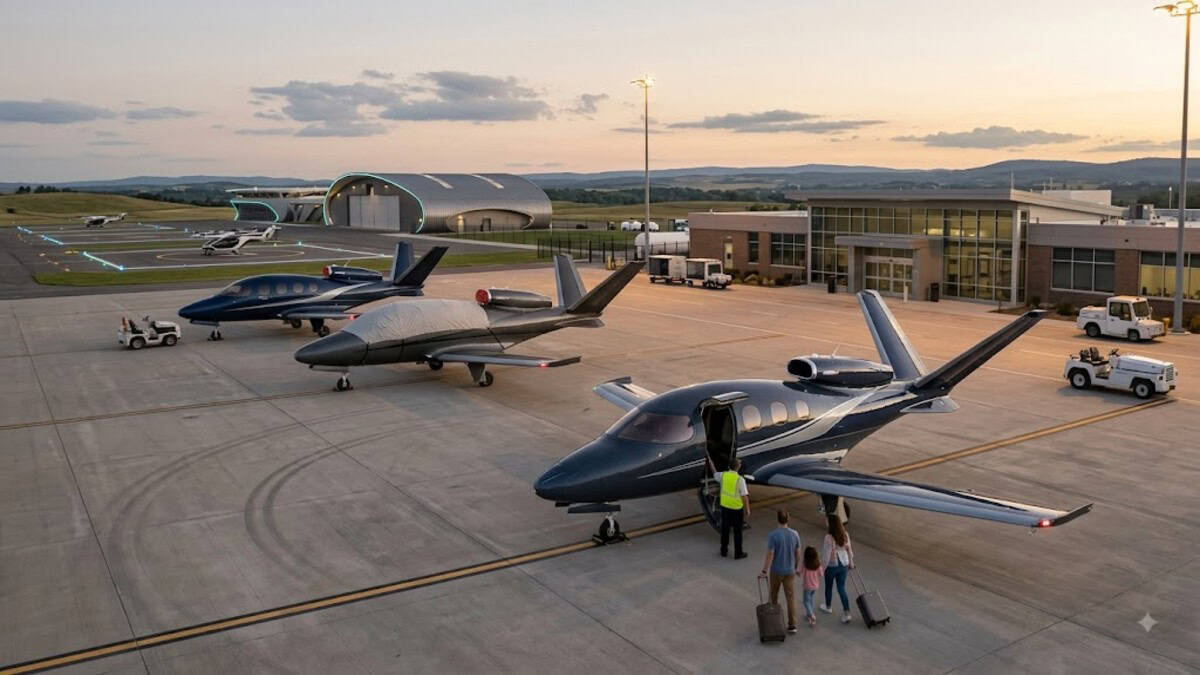
Image generated with Ai
Travelers are going to experience the happy feeling of easy travel, over long distances. Flyte is creating an air transportation system that connects different areas to help people get closer to remote and beautiful places.
The Federal Aviation Administration monitors and analyzes how aviation drives visitor spending and regional development. According to official reports from the United States Department of Transportation, advanced regional flight networks unlock vital access to remote natural landscapes. These flight routes revitalize small municipal airports. They boost local tourism spending by linking quiet communities straight to major city centers.
Flyte leads this skyway transformation. The company serves regional point-to-point routes under 500 miles. Airlines historically neglected these short paths due to inefficient flight routing models. By bridging these short gaps, Flyte helps leisure travelers bypass congested highway traffic and avoid long security lines at crowded hubs.
       [ Regional Travelers & Tourists ]
                       │
                       ▼
         [ Secondary / Regional Airports ]
                       │
        ┌──────────────┴──────────────┐
        ▼                             ▼
 [ Flyte Vision Jet Network ]   [ Future eVTOL Fleets ]
        │                             │
        └──────────────┬──────────────┘
                       ▼
    [ Direct Access to Underserved Destinations ]
                       │
                       ▼
       [ Local Economic & Tourism Growth ]
Instead of waiting years for electric vertical take-off and landing aircraft, Flyte relies on efficient Cirrus Vision Jets. Flyte is expanding its active fleet toward ten Cirrus Vision Jets. Plans are underway to operate fifteen aircraft across six major regional tourism markets over two years.
Advertisement
Federal safety guidelines established under FAA Part 135 regulations ensure charter operations meet strict standards. The aircraft feature advanced safety engineering, including the Cirrus Airframe Parachute System and Garmin Safe Return Autoland. These systems build passenger trust while keeping operating costs reasonable.
Flyte views its current operations as a smart operational bridge toward future electric aviation. Marc Sellouk, Chief Executive Officer at Flyte, noted in a company statement that market adaptation requires building a strong operational foundation first. He explained that establishing familiar flight habits among travelers today ensures a seamless transition when eVTOL aircraft enter commercial service.
Flyte uses artificial intelligence platforms to organize flight routes, crew shifts, and routine maintenance tasks. These modern tools reduce expenses and increase flight reliability for everyday vacationers.Strategy Component Flyte Current Network Future eVTOL Era Aircraft Type Cirrus Vision Jet Electric VTOL Aircraft Route Distance Under 500 miles Under 150 miles Primary Hubs Regional Airports Urban Vertiports Safety Features CAPS Parachute & Autoland Distributed Electric Propulsion Tourism Impact Direct regional access Quiet, low-emission sky transit
The Federal Aviation Administration emphasizes that Advanced Air Mobility will connect areas currently underserved by standard air carriers. Regional airports host thousands of underutilized runways across the country. Flyte utilizes these smaller airports to bring tourists closer to historic towns, coastal villages, and mountain parks.
Travelers avoid long layovers and tedious car drives. A journey that once took six hours on crowded highways now takes under sixty minutes in the air. This time savings allows tourists to spend more time exploring destinations rather than commuting.
Data published by the Federal Aviation Administration shows that general aviation produces catalytic economic gains through tourist expenditures. When visitors arrive at regional airports, they spend money at local hotels, restaurants, and family businesses. Flyte acts as a catalyst for small-town economic expansion by making remote regions accessible.
Local tour guides, cultural sites, and seasonal resorts benefit directly from increased visitor flow. Flyte provides reliable flight schedules that make weekend trips to distant recreational regions practical for busy families.
Passenger confidence remains essential for the future growth of regional air transportation networks. Federal Aviation Administration safety research focuses heavily on automated systems and pilot support technology. Flyte integrates proven safety innovations directly into its daily passenger services.
The Vision Jet features emergency landing technology capable of taking control if a pilot becomes incapacitated. Passengers gain peace of mind knowing advanced automation protects their journey. This builds public trust in automated flight systems long before electric air taxis fill urban skies.
National Aeronautics and Space Administration research indicates that small, optimized aircraft produce lower total trip emissions than idling in highway traffic. Flyte uses single-engine jet technology that burns less fuel than traditional multi-engine commercial planes on short routes.
This fuel efficiency lowers direct flight costs and minimizes environmental impact. As sustainable aviation fuels become widely available at regional airports, Flyte reduces its carbon footprint even further. Sustainable transit options appeal directly to eco-conscious tourists seeking green travel experiences.
Public transportation studies from state departments of transportation show that public-private partnerships accelerate mobility improvements. Flyte collaborates with regional airport managers to update ground facilities and passenger lounges. These investments improve the overall travel experience for regional visitors.
Upgraded terminal infrastructure prepares smaller airports to handle future electric charging stations for eVTOL aircraft. Flyte creates an operational environment where ground crew members learn to service advanced aircraft efficiently. This groundwork ensures local airports remain key economic drivers for their communities.
People plan vacations and weekend getaways in a whole new way because of direct air routes. They do not just think about places that’re close enough to drive to. With Flyte having lots of flights that go from one place to another people can easily go to beaches that are far away or to mountains for a retreat.
It is really easy for people to plan trips around where they live because there are ways to book flights. Families can book flights that fit their schedule so they do not have to change their plans to fit the schedule of the airline. This means people can travel often all year round.
Every trip is a chance for families to get closer to the people and places they care about the most. Flyte is changing the way people travel around their region so they can use their time to make memories with the people they love of waiting in long lines, at the airport. Flyte makes it easier for people to take trips with Flyte and have time to do the things they want to do.
Advertisement
Tags: eVTOL, Flyte, RAM network, Regional Air Mobility
Advertisement
Advertisement













Friday, September 4, 2026

Friday, September 4, 2026

Saturday, September 5, 2026

Friday, September 4, 2026

Thursday, September 3, 2026

Wednesday, September 2, 2026

Friday, September 4, 2026