

China Leads Taiwan and Others in Fueling Thailand Tourism With a Surge in Tourist Arrivals Over Nine Consecutive Months in 2026

Published
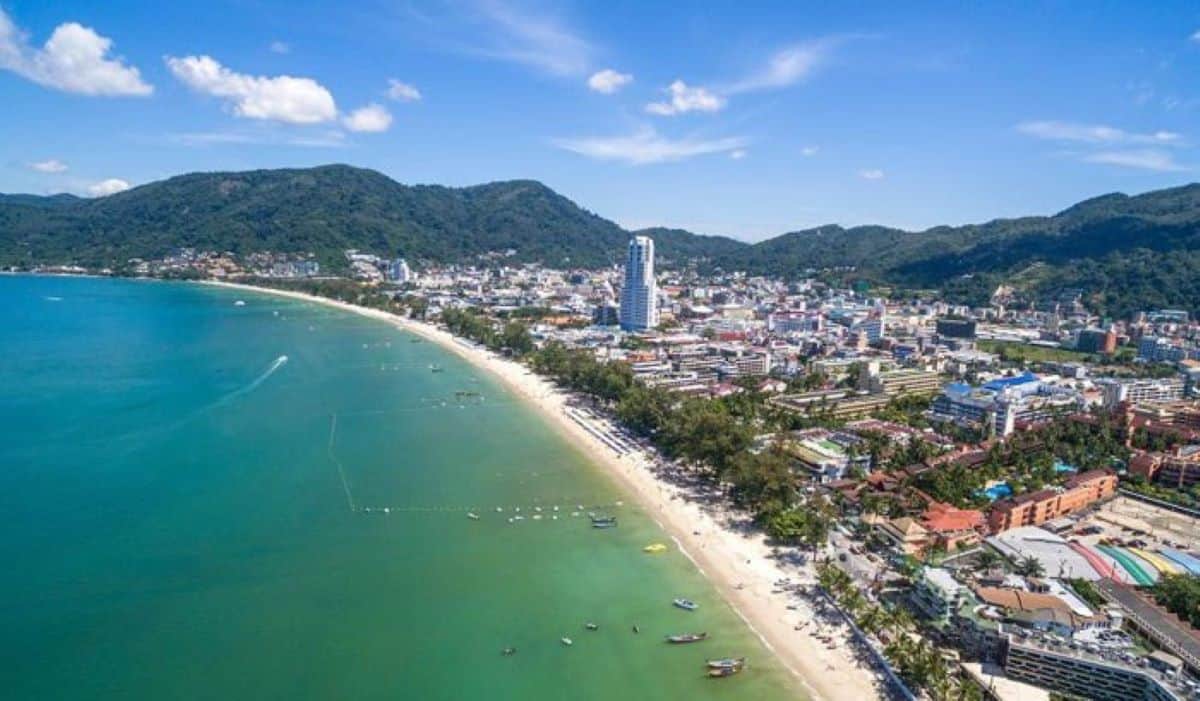
China leads Taiwan and other key international markets in fueling Thailand tourism with a surge in tourist arrivals over the first nine consecutive months of 2026, providing vital support to the country’s travel industry despite an overall decline in foreign visitors. Between January and September, China, Taiwan, Myanmar, Hong Kong and Israel collectively contributed more than 6.07 million tourist arrivals, driven by stronger holiday demand, established air connectivity, regional travel links and growing interest in Thailand’s beaches, cultural attractions and leisure destinations. China dominated with nearly 3.94 million arrivals, marking 15.2% growth, while Taiwan recorded 797,056 visitors, followed by positive gains from Myanmar, Hong Kong and Israel. These expanding markets helped Thailand offset falling arrivals from Malaysia, South Korea and other regional destinations, even as total international arrivals declined by 3.8% to approximately 23.2 million during the nine-month period.
Thailand Tourism Records 23.2 Million International Arrivals Despite Declining Regional Markets
Thailand entered 2026 seeking to rebuild visitor demand and strengthen its position as one of Asia’s established holiday destinations. However, the latest figures indicate that arrivals remain below the previous year’s level.
Advertisement
Advertisement
China has provided the largest contribution to growth among major international source markets. Its increase of 15.2% contrasts with declines of 15.2% from Malaysia and 25.4% from South Korea.
The figures also show differences within Southeast Asia. Myanmar recorded growth, while Indonesia, Vietnam, Laos and the Philippines reported fewer arrivals.
Advertisement
Advertisement
For Thailand’s tourism industry, these contrasting trends underline the importance of maintaining several source markets rather than depending heavily on a small number of countries.
Thailand’s Five Largest Growing Asian Tourism Source Markets in 2026
| Rank | Country / Market | Tourist arrivals | Market share | YoY growth |
|---|---|---|---|---|
| 1 | China | 3,935,434 | 17.0% | +15.2% |
| 2 | Taiwan | 797,056 | 3.4% | +7.9% |
| 3 | Myanmar | 526,140 | 2.3% | +9.1% |
| 4 | Hong Kong | 486,979 | 2.1% | +2.3% |
| 5 | Israel | 327,824 | 1.4% | +7.0% |
| Total | Five markets combined | 6,073,433 | 26.2% | — |
Source: Thailand international tourist arrivals by nationality, January–September 2026. Year-on-year changes compare the nine-month totals with the corresponding period in 2025.
Advertisement
Advertisement
China Leads Thailand Tourism With 3.94 Million Arrivals and 15.2% Growth
China has become the strongest contributor to Thailand’s international tourism growth in 2026, recording 3,935,434 arrivals between January and September, an increase of 15.2% compared with the previous year. Chinese visitors accounted for 17% of Thailand’s international arrivals, supporting hotels, restaurants, shopping centres and tourism businesses in Bangkok, Phuket, Pattaya and Chiang Mai. Direct air connections from major Chinese cities, established holiday packages and demand for cultural and leisure experiences continue to support the market. Thailand’s tourism authorities have also intensified promotional efforts around Chinese holiday periods, including the Mid-Autumn Festival and National Day Golden Week. China’s recovery is particularly important because its large visitor volume provides substantial support at a time when several neighbouring markets are contracting.
Chinese Holiday Demand Creates Opportunities for Thailand’s Tourism Revenue
The Tourism Authority of Thailand forecast approximately 250,000 Chinese visitors during the extended Golden Week period from 25 September to 7 October 2026, with potential revenue of 11.5 billion baht. The forecast represented increases of 24% in arrivals and 37% in revenue compared with the equivalent holiday period.
Advertisement
Advertisement
Search interest and advance bookings also indicated stronger demand, particularly from Shanghai, Guangzhou, Chengdu, Hangzhou and Chongqing. The figures were forecasts rather than confirmed final results, but they suggested opportunities for airlines, hotels and attractions during the late-September and early-October travel period.
Taiwan Strengthens Thailand Tourism With 797,056 Arrivals and 7.9% Growth
Taiwan emerged as Thailand’s second-largest growing Asian source market by visitor volume, contributing 797,056 arrivals during January–September 2026. The 7.9% annual increase demonstrates continued interest in Thailand among Taiwanese travellers seeking city breaks, cultural experiences, shopping and beach holidays. Bangkok remains an important entry point, while Chiang Mai, Phuket and coastal destinations offer alternatives for repeat visitors. Taiwan’s geographical proximity supports relatively convenient air travel, making shorter holidays and seasonal trips practical. September also provided evidence of improving short-haul demand, with Taiwanese arrivals increasing during the late-month holiday period. For Thailand, the market offers opportunities to strengthen hotel occupancy, restaurants, attractions and regional excursions without relying exclusively on long-haul tourism demand.
Taiwan’s Short-Haul Travel Demand Supports Thailand’s Hotels and Airlines
Taiwanese travel demand is particularly relevant to Thailand’s regional aviation network. Direct and connecting flight options allow visitors to reach Bangkok and other destinations, while tour operators can package cultural attractions, accommodation and transport into short leisure itineraries.
During the week of 20–26 September 2026, Thailand recorded 24,135 arrivals from Taiwan, representing a 33.25% increase from the preceding week. The rise coincided with regional holiday travel and contributed to stronger short-haul visitor arrivals. However, a weekly increase should not be interpreted as evidence of uninterrupted growth throughout the year.
Advertisement
Advertisement
Myanmar Adds 526,140 Arrivals as Cross-Border Travel Supports Thailand Tourism
Myanmar contributed 526,140 arrivals to Thailand during the first nine months of 2026, representing 9.1% annual growth and accounting for 2.3% of international arrivals. The increase demonstrates the importance of neighbouring countries to Thailand’s visitor economy, particularly through established land connections and regional travel networks. Bangkok, Chiang Mai, Mae Sot and other border-linked destinations receive travellers for different purposes, including family visits, shopping, healthcare, business and leisure. These movements support transport providers, accommodation businesses and local commercial activity. Myanmar’s positive performance contrasts with declines from several other Southeast Asian countries. However, arrivals by nationality do not distinguish conventional leisure tourists from visitors travelling for other purposes, making expenditure and length-of-stay statistics important for understanding the market’s economic contribution.
Border Connectivity Shapes Myanmar’s Contribution to Thailand Tourism
Myanmar’s tourism-related contribution differs from that of markets dominated by international holiday flights. Land connections, border commerce and family relationships influence travel patterns, particularly in northern and western Thailand.
This distinction matters when evaluating the market’s growth. Higher arrival numbers can benefit local accommodation, restaurants and transport services, but they do not necessarily generate the same spending per visitor as longer international holidays.
Security conditions, border operating arrangements and transport availability will influence future travel. Thailand’s ability to maintain safe, reliable entry procedures remains important for sustaining legitimate visitor movements and commercial activity.
Hong Kong Maintains Thailand Tourism Growth With 486,979 Arrivals
Hong Kong recorded 486,979 arrivals in Thailand during January–September 2026, an increase of 2.3% compared with the previous year. The market accounted for 2.1% of international arrivals and continued to support short-haul leisure tourism, particularly in Bangkok and Thailand’s coastal destinations. Shopping, restaurants, cultural attractions and resort holidays remain important reasons for Hong Kong residents to visit Thailand. The relatively modest annual increase suggests stable demand rather than rapid expansion, but the market’s established flight connections make it valuable to hotels, airlines and tour operators. Thailand also benefits from the possibility of repeat travel, with visitors able to choose different destinations during subsequent holidays. Future performance will depend on competitive airfares, convenient schedules and the attractiveness of travel packages.
Hong Kong Offers Opportunities for Repeat Visitors and Shorter Holidays
Hong Kong’s proximity to Thailand allows tourism businesses to market shorter holidays, including city breaks, resort stays and trips combining shopping with cultural attractions.
Advertisement
Advertisement
Bangkok is an established destination for food, retail and urban tourism, while Phuket, Pattaya and other coastal areas appeal to travellers seeking longer leisure stays.
The market’s 2.3% annual growth indicates that Thailand retained its appeal despite competition from other Asian destinations. However, the comparatively small increase also means that future demand could be sensitive to changes in airline fares, consumer spending and the availability of alternative holiday destinations.
Israel Contributes 327,824 Arrivals as Thailand Records 7% Tourism Growth
Israel provided 327,824 arrivals to Thailand between January and September 2026, representing 7% growth compared with the same period in 2025. The market accounted for 1.4% of total international arrivals and remained an important source of longer-distance leisure travel. Israeli visitors are associated with beach holidays, island itineraries, backpacking experiences and cultural exploration. Bangkok, Phuket, Koh Samui, Koh Phangan and northern Thailand offer different experiences for travellers organising extended visits. These journeys can support accommodation providers, restaurants, local transport companies and excursion operators, although the available nationality statistics do not confirm average spending or length of stay. Israel’s positive growth stands out against declines from several other Middle Eastern markets. Future demand will depend on flight availability, travel conditions and regional security developments.
Israeli Travel Supports Thailand’s Island Tourism and Independent Holiday Market
Thailand’s islands and coastal destinations remain important to Israeli holidaymakers, particularly travellers seeking flexible itineraries combining beaches, outdoor recreation and local experiences.
Visitors may divide their time between several destinations, generating demand for ferries, domestic flights, guesthouses, hotels and tourism activities.
The 7% annual increase suggests that the market remained resilient during the first nine months of 2026. However, geopolitical developments and changes in international air services can affect travel decisions. Tourism operators will need to monitor airline connectivity and booking patterns rather than assume that the nine-month increase guarantees continued growth.
Advertisement
Advertisement
China and Taiwan Lead the Largest Absolute Gains Among Growing Asian Markets
China’s importance extends beyond its high percentage growth. Its nearly 3.94 million arrivals represent a substantially larger source market than those of Taiwan, Myanmar, Hong Kong and Israel individually.
Taiwan provided the second-largest volume among the five growing markets, while Myanmar recorded a higher growth rate from a smaller visitor base.
The market composition indicates that China remains particularly important to Thailand’s national arrival totals. Changes in Chinese travel demand can therefore have a greater effect on the country’s tourism performance than similar percentage changes in smaller markets.
Thailand’s Tourism Growth Remains Uneven Across Asian Source Markets
Despite gains from the five countries and territories, Thailand continues to face declining arrivals from several established Asian markets.
| Source market | January–September 2026 arrivals | YoY change |
|---|---|---|
| Malaysia | 2,950,327 | −15.2% |
| South Korea | 848,647 | −25.4% |
| Japan | 769,970 | −4.2% |
| Singapore | 636,116 | −7.3% |
| Laos | 554,625 | −19.1% |
| Philippines | 468,289 | −8.8% |
| Indonesia | 466,969 | −23.0% |
| Vietnam | 463,768 | −10.9% |
Source: Thailand international tourist arrivals data, January–September 2026.
Malaysia remained Thailand’s second-largest overall source market despite its annual decline. South Korea and Indonesia also recorded substantial reductions, indicating weakness across markets traditionally important to Thailand’s regional tourism industry.
Advertisement
Advertisement
The reductions illustrate why growth in China alone has not produced a national increase in arrivals. Thailand’s tourism authorities will need to examine the reasons for weaker demand in individual countries, including transport costs, airline capacity, competing destinations and changing travel preferences.
Thailand Tourism Revenue Outlook Depends on Higher Spending and Longer Stays
Thailand’s tourism industry faces the challenge of translating arrivals into sustainable revenue. The Ministry of Tourism and Sports reported more than 1.10 trillion baht in international visitor spending by 26 September 2026, despite the decline in total arrivals.
For hotels, attractions and transport companies, the value of a source market depends on more than the number of people entering the country. Length of stay, accommodation choices, transport use and spending on local businesses all affect its economic contribution.
China’s substantial visitor volume makes it particularly important, while Taiwan, Hong Kong and Israel offer opportunities to develop different travel products. Myanmar contributes through a broader mix of regional travel purposes.
Tourism authorities are also seeking to encourage travellers to explore destinations beyond Bangkok, Phuket and Pattaya, potentially spreading spending across more provinces.
Thailand Tourism Outlook for the Final Quarter of 2026
The final three months of 2026 will be important for Thailand as it enters the main winter travel season.
Advertisement
Advertisement
Chinese holiday demand around Golden Week provides an early opportunity, while Taiwan and Hong Kong remain useful short-haul markets. Israel contributes longer-distance tourism demand, and Myanmar continues to support regional travel activity.
However, Thailand’s ability to reverse the national decline will depend on performance across its wider source-market portfolio.
Airline capacity, travel costs, visitor confidence and destination competitiveness will influence the outcome. The final annual figures will show whether stronger Chinese demand and growth from other markets have been sufficient to narrow the gap with 2025.
China leads Taiwan and others in fueling Thailand tourism with a surge in tourist arrivals over nine consecutive months in 2026, driven by stronger holiday demand, improved air connectivity and growing interest in Thai destinations.
Conclusion
China leads Taiwan and others in fueling Thailand tourism with a surge in tourist arrivals over the first nine months of 2026, driven by stronger holiday demand, improved air connectivity, regional travel links and growing interest in the country’s cultural and leisure destinations. China, Taiwan, Myanmar, Hong Kong and Israel collectively contributed more than 6.07 million visitors between January and September, helping Thailand counter declining arrivals from several major Asian markets. Although overall international arrivals remained below 2025 levels, growth across these five markets strengthened Thailand’s tourism industry, supported hotels, airlines and local businesses, and highlighted the importance of diversified international visitor demand. Their continued performance will play a crucial role in Thailand’s tourism recovery during the final quarter of 2026.
Advertisement
