
The Ultimate Guide to Whale Shark Season in Baja California: Conservation & Travel Tips

Published
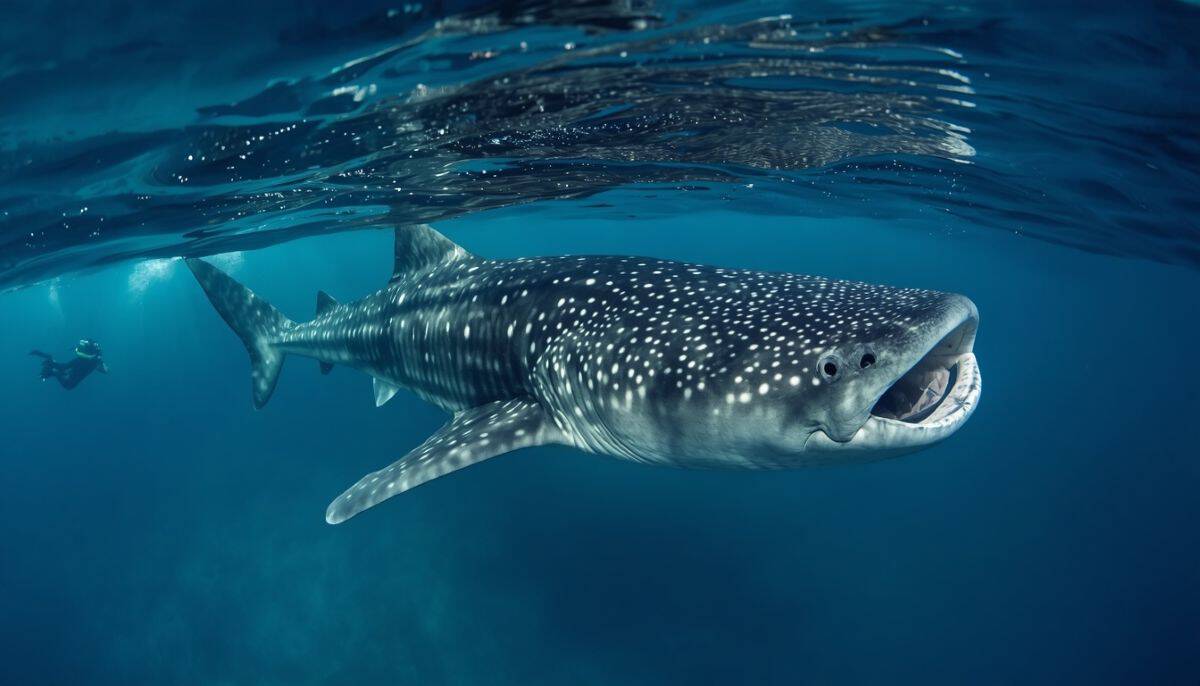
Image generated with Ai
It is more important than ever for the modern traveller to learn about the fragile relationship of marine ecotourism and wildlife preservation in Baja California. With global interest in vulnerable ocean species on the rise, would-be tourists are looking for clear guidance on how to enjoy awe-inspiring whale shark tourism experiences without degrading habitat. This comprehensive overview takes into account traveller intent by providing official government mandates, seasonal migration patterns and sustainable interaction protocols established by the regional authorities. Read the full guide here to ensure a compliant and memorable expedition.
The Ecological Significance of Baja California’s Gentle Giants
Baja California’s coastal waters serve as a vital seasonal sanctuary for the world’s largest fish, the whale shark (Rhincodon typus). Recognized globally on International Whale Shark Day, these gentle filter-feeders migrate to the nutrient-rich inlets of the Sea of Cortez and the Bay of La Paz to feed on dense concentrations of plankton. In response to increasing environmental pressures, the Baja California Secretariat of Tourism has officially reaffirmed its unwavering commitment to protecting the species. Strict regulatory frameworks are enforced to mitigate anthropogenic disruptions, ensuring that natural feeding behaviours remain uninterrupted by heavy vessel traffic.
Advertisement
Advertisement
Why Responsible Tourism Is Necessary for Marine Conservation
The rapid commercialization of wildlife viewing has historically placed immense strain on fragile marine ecosystems. Without stringent guardrails, unregulated tourism introduces severe ecological risks that can permanently alter the natural behaviour and survival rates of vulnerable species.
- Mitigating Vessel Strikes and Physical Trauma: Monitoring data from the Sea of Cortez reveals that a significant percentage of juvenile whale sharks bear physical scars from boat propellers due to overcrowding and reckless driving. Responsible tourism enforces strict speed limits and vessel caps to keep these majestic creatures safe from fatal collisions and lacerations.
- Preventing Behavioural Displacement and Starvation: When too many watercraft crowd a feeding zone, whale sharks are frequently forced to dive prematurely, disrupting their critical daily caloric intake. Sustainable tourism ensures that feeding patterns remain natural, allowing animals to forage without chronic stress.
- Protecting Habitat Integrity: Unregulated human interaction degrades local water quality and damages the delicate benthic environments of the bay. Responsible travel frameworks ensure that tourism revenue directly funds ongoing conservation, water testing, and marine park enforcement.
- Combating Over-Tourism Pressures: Unchecked visitor volume can exhaust local resources and degrade the overall experience for travelers. Implementing capacity caps protects both the local environment and the long-term economic viability of the region.
What Tourists Can Do to Practise Responsible Tourism
Experiencing the ocean’s gentle giants is a privilege that comes with active environmental responsibilities. Travelers can minimize their personal footprint and champion local conservation by adopting specific behavioural standards during their visit.
Advertisement
Advertisement
- Book Exclusively with Certified Operators: Always verify that your tour provider holds active permits from federal environmental agencies such as SEMARNAT and CONANP. Certified operators strictly adhere to vessel entry limits and employ trained marine naturalists who educate guests on proper etiquette.
- Observe Strict Spatial Distancing: Maintain a minimum distance of three metres from the shark’s head and body and four metres from its tail. Never block an animal’s forward path, corner it against a vessel, or attempt to touch, ride, or chase it under any circumstances.
- Comply with In-Water Rotation Rules: Respect the legal limits that restrict group sizes in the water—typically allowing only a small number of swimmers with a single guide per animal at any given moment. This prevents the animal from becoming surrounded or panicked.
- Eliminate Chemical Pollution: Refrain from wearing conventional sunscreens, which leave harmful chemical films on the water’s surface that choke plankton and damage coral reefs. Instead, choose physical barrier clothing like UV-protective rash guards or mineral-based reef-safe alternatives.
- Support Local Conservation Initiatives: Choose eco-lodges, restaurants, and souvenir vendors that actively reinvest their profits into community education and marine protection programmes, ensuring that your travel dollars benefit the local ecosystem.
Navigating the Annual Viewing Season Responsibly
The official viewing season brings a surge of eco-conscious travelers eager to experience close encounters with marine megafauna. Adherence to these protocols is strictly monitored by environmental protection agencies, sometimes enforced by national security forces to guarantee absolute compliance. Travelers who respect these boundaries ensure that local economic benefits directly fund ongoing conservation and scientific research initiatives.
Advertisement
