
Croatia Gains International Attention in Eco-Tourism with Locations Such as Dubrovnik and More

Published
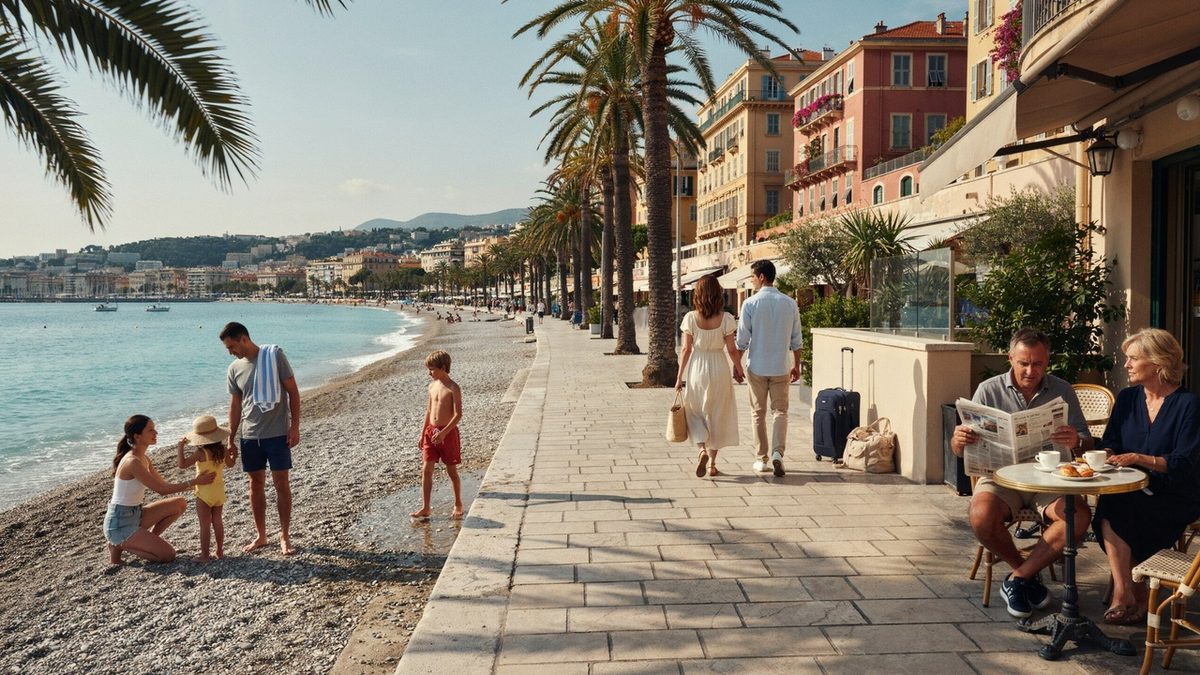
Image generated with Ai
Croatia is gaining international attention in the sustainable tourism movement, led by Dubrovnik and supported by destinations including Lošinj, Nin, Krk, Sveti Ivan Zelina, Zagreb and other environmentally focused regions. Dubrovnik holds the strongest position in 2026 after securing a nomination for World’s Leading Sustainable Destination 2026, following its victory in the category in 2025. The city has also been named the 2026 European Green Pioneer of Smart Tourism. Elsewhere, Croatian destinations are earning recognition through Green Destinations programs, European smart tourism initiatives and national sustainability awards. Together, these developments show how Croatia is moving beyond visitor growth toward tourism that protects communities, landscapes, heritage and quality of life.
Croatian Cities and Destinations Leading Sustainable Tourism
| Croatian city/destination | Major sustainable recognition | Year/status | Key sustainability strengths | Why it matters for tourism |
|---|---|---|---|---|
| Dubrovnik | World’s Leading Sustainable Destination – WSTHA | 2026 nominee; 2025 winner | Visitor-flow management, heritage protection, AI forecasting, cruise management, Dubrovnik Pass, resident-focused tourism | Croatia’s strongest current global sustainable-destination contender |
| Dubrovnik | European Green Pioneer of Smart Tourism | 2026 winner | Sustainable mobility, digitalisation, energy efficiency, heritage conservation, visitor management | European Commission recognition makes Dubrovnik a European sustainability benchmark |
| Mali Lošinj / Lošinj Islands | Green Destinations Top 100 | Repeated recognition; included again in 2025 programme | Forest conservation, walking routes, marine protection, cultural heritage, community involvement | One of Croatia’s longest-established internationally recognised green destinations |
| Mali Lošinj / Lošinj Islands | Green Destinations Silver Award | Awarded 2022 | Independently assessed destination management, environment, climate, culture and quality of life | Provides standards-based evidence rather than purely promotional sustainability claims |
| Nin | Croatian Sustainable Tourism Award – coastal/island destination | 2025 finalist | Coastal resources, heritage, local destination management | Nationally recognised among Croatia’s leading sustainable coastal destinations |
| Krk Island | Croatian Sustainable Tourism Award – coastal/island destination | 2025 finalist | Island destination management and sustainability initiatives | Demonstrates Croatia’s shift towards sustainable island tourism |
| Sveti Ivan Zelina | Green Destinations Top 100 Destination Story | 2025 selection | Sustainable events, waste reduction and greener management of Kestenijada | Important example of sustainability beyond Croatia’s Adriatic coast |
| Zagreb | European Capital of Smart Tourism | 2023 shortlisted | Accessibility, digitalisation, sustainability, cultural heritage and creativity | Shows sustainable-tourism recognition extending to Croatia’s capital |
| Pula | Earlier international green-destination recognition | Earlier Green Destinations recognition | Environmental management, heritage and destination planning | Part of Croatia’s longer-term sustainable-destination movement |
| Drniš | Green destination recognition | Earlier international recognition | Rural tourism, local heritage, nature and responsible destination development | Shows the potential of inland Croatia for lower-impact tourism |
Why Is Dubrovnik Leading Croatia’s Sustainable Tourism Transformation?
Dubrovnik has become the centerpiece of Croatia’s sustainable tourism strategy after years of confronting the pressures created by its enormous international popularity. Heavy cruise traffic, crowded historic streets and concentrated seasonal demand once made overtourism one of the city’s biggest challenges.
Advertisement
Advertisement
The response has gradually shifted tourism management toward controlling visitor flows rather than simply attracting more arrivals.
Dubrovnik’s Respect the City initiative has played an important role in this transition. Authorities have introduced visitor monitoring, cruise scheduling, tourist bus management and technology-based planning. The city has also used carrying-capacity research and digital tools to understand when pressure on the historic center becomes excessive.
Advertisement
Advertisement
These measures have helped Dubrovnik reposition itself internationally.
The city won the World’s Leading Sustainable Destination category at the World Sustainable Travel & Hospitality Awards in 2025. In 2026, Dubrovnik has again been nominated for the title.
Advertisement
Advertisement
That makes its sustainability strategy particularly significant for Croatia’s international tourism image.
Why Does Dubrovnik’s 2026 European Recognition Matter?
Dubrovnik’s sustainability credentials extend beyond one international award program. The city has also been selected as the 2026 European Green Pioneer of Smart Tourism, giving Croatia another important position within Europe’s sustainable travel movement.
Advertisement
Advertisement
The European initiative recognizes destinations that combine environmental responsibility with practical tourism management.
For Dubrovnik, managing visitor concentration remains central. Measures highlighted by European tourism authorities include controls on cruise activity, digital visitor monitoring and efforts to distribute tourism more effectively.
The city has also invested in cleaner transportation. Its public transport modernization includes electric buses, while renewable energy initiatives and environmental measures are being introduced around public and heritage infrastructure.
Green areas represent another component. Protection of nearby Lokrum Island and urban tree planting help connect tourism management with environmental preservation.
Advertisement
Advertisement
These projects matter because Dubrovnik cannot simply stop tourism. Its economy and international identity remain deeply connected to visitors.
Instead, the challenge is to make one of Europe’s most famous historic destinations more manageable for residents and travelers simultaneously.
How Is Technology Helping Dubrovnik Control Overtourism?
Technology has become one of Dubrovnik’s most important tools for managing tourism pressure.
Rather than waiting for overcrowding to become visible inside the Old City, authorities increasingly use data to understand visitor movements and anticipate periods of extreme demand. Artificial intelligence and forecasting systems can help predict how many people could enter heavily visited areas at particular times.
Cruise management also plays a major role.
Large ships can deliver thousands of travelers within short periods. When several arrive simultaneously, streets, transport services and major attractions can experience substantial pressure. Better scheduling can spread these arrivals and reduce sudden congestion.
Advertisement
Advertisement
The Dubrovnik Pass adds another digital layer by integrating access to attractions and public transportation.
The wider objective is straightforward: tourism should operate within the destination’s physical and social limits.
This represents a major change from older tourism strategies that measured success primarily through arrival numbers. Dubrovnik’s approach increasingly emphasizes visitor distribution, infrastructure capacity, resident quality of life and heritage protection alongside economic performance.
Why Has Lošinj Become Another Major Croatian Sustainability Example?
Lošinj offers a different model from Dubrovnik.
While Dubrovnik must manage intense demand around a compact historic center, Mali Lošinj and the wider Lošinj Islands have built their sustainability reputation around forests, walking routes, biodiversity, health tourism and responsible island management.
The destination has received recognition through the international Green Destinations program, including Silver-level recognition.
Advertisement
Advertisement
Its environmental assets are central to its tourism identity. Forests, coastal landscapes and marine environments create opportunities for outdoor travel while also requiring careful protection.
One prominent initiative is Via Apsyrtides, a long-distance walking network connecting natural landscapes, settlements and cultural attractions across the islands.
Lošinj has also been recognized through Green Destinations’ Top 100 Destination Stories. Its sustainability work involving the protected Čikat forest demonstrates how tourism infrastructure and natural-resource protection can operate together.
For travelers, the result is a tourism model based less on high-volume sightseeing and more on nature, wellness, walking and longer engagement with the destination.
What Makes Nin an Emerging Sustainable Coastal Destination?
Nin demonstrates that Croatia’s sustainable tourism transformation is not limited to globally famous cities.
The historic coastal destination became a finalist in Croatia’s national sustainable tourism awards, placing it alongside prominent destinations including Dubrovnik and Krk.
Advertisement
Advertisement
Nin possesses a sensitive combination of cultural and natural resources. Its compact historic center sits within a distinctive coastal environment where beaches, shallow lagoons and natural landscapes form an important part of the visitor experience.
That creates both tourism opportunities and environmental responsibilities.
Smaller destinations can face serious pressure when visitor numbers rise quickly during the summer. Parking demand, waste, water consumption and overcrowding can strain infrastructure even when absolute arrival numbers remain far below those of larger cities.
Sustainable management therefore becomes essential before overtourism reaches critical levels.
Nin’s recognition is significant because it illustrates how Croatia can spread visitors beyond established tourism centers while avoiding the mistakes associated with uncontrolled expansion.
That approach could help smaller communities benefit economically without sacrificing their character.
Advertisement
Advertisement
Why Is Krk Important to Croatia’s Green Island Tourism Strategy?
Krk represents another important piece of Croatia’s sustainability story.
The island was among the finalists in Croatia’s sustainable tourism recognition program, highlighting its role in the country’s transition toward more responsible coastal tourism.
Island destinations face distinctive environmental challenges. Tourism dramatically increases seasonal populations, creating additional demand for electricity, water, transport and waste management. These pressures can become particularly visible during the summer.
Krk has therefore become an important testing ground for greener destination management.
Its tourism offer also supports diversification. Visitors can combine beaches with historic settlements, cycling, walking, local food and cultural attractions. Encouraging these activities can spread travelers geographically and extend tourism beyond short periods of intense coastal demand.
That matters economically as well as environmentally.
Advertisement
Advertisement
Longer tourism seasons can provide steadier income while reducing dependence on a few overcrowded summer weeks.
Krk’s sustainability recognition consequently reflects a broader Croatian objective: protecting Adriatic island environments while maintaining tourism as an important source of employment and local economic activity.
How Is Sveti Ivan Zelina Taking Sustainable Tourism Beyond the Adriatic?
Croatia’s sustainability story is increasingly moving inland.
Sveti Ivan Zelina, located away from the country’s heavily visited Adriatic coast, has gained recognition through the Green Destinations Top 100 Destination Stories program.
Its inclusion demonstrates how sustainability can apply to events and community tourism, not simply beaches, hotels or protected landscapes.
One notable example involves Kestenijada, a local chestnut festival. Sustainability initiatives connected with the event have focused on reducing environmental impacts and improving the way local celebrations are organized.
Advertisement
Advertisement
This approach is strategically important for Croatia.
International tourism remains heavily concentrated along the coast, particularly during summer. Developing responsible inland tourism can distribute visitors across a wider geographical area and throughout different seasons.
Wine tourism, gastronomy, festivals, walking and rural experiences can provide alternative reasons to explore the country.
For smaller communities, tourism can generate revenue without requiring massive resort development.
Sveti Ivan Zelina therefore represents another direction for Croatia: using local identity and community events to build lower-impact tourism.
Where Does Zagreb Fit Into Croatia’s Sustainable Tourism Movement?
Zagreb provides the urban counterpart to Croatia’s coastal and rural sustainability initiatives.
Advertisement
Advertisement
The Croatian capital was previously shortlisted for the European Capital of Smart Tourism, a European initiative examining sustainability alongside accessibility, digitalization, cultural heritage and creativity.
These factors are increasingly interconnected.
For major cities, sustainable tourism does not only mean reducing emissions. It also involves transportation, pedestrian access, digital visitor services, cultural preservation and ensuring tourism remains compatible with everyday urban life.
Zagreb has an advantage because its tourism economy is less dependent on beaches and summer travel. Museums, architecture, gastronomy, events and seasonal attractions can draw visitors throughout the year.
That helps create a more balanced tourism calendar.
The city also acts as a gateway to other parts of Croatia. Better connections between Zagreb and lesser-visited destinations could encourage travelers to explore beyond the Adriatic hotspots.
Advertisement
Advertisement
Its smart-tourism recognition therefore strengthens Croatia’s broader strategy of building a more geographically and seasonally diversified visitor economy.
Which Other Croatian Destinations Are Building Strong Green Credentials?
Croatia’s sustainability transformation extends beyond individual cities.
The Green Destinations Top 100 Destination Stories 2025 included several Croatian destinations and protected areas, demonstrating the breadth of the country’s environmental tourism initiatives.
| Destination | Sustainability recognition or focus | Main tourism strength |
|---|---|---|
| Dubrovnik | World sustainability awards and European Green Pioneer | Heritage and smart visitor management |
| Lošinj Islands | Green Destinations recognition | Forests, wellness and responsible island tourism |
| Nin | Croatian sustainable tourism finalist | Coastal nature and cultural heritage |
| Krk | Croatian sustainable tourism finalist | Island tourism and destination management |
| Sveti Ivan Zelina | Green Destinations Top 100 story | Events, rural tourism and local culture |
| Zagreb | European smart tourism recognition | Urban tourism, culture and digitalization |
| Krka National Park | Green Destinations Top 100 story | Water, biodiversity and protected landscapes |
| Plitvice Lakes National Park | Green Destinations Top 100 story | Forests, lakes and environmental education |
| Međimurje | Green Destinations Top 100 story | Community heritage and rural tourism |
The range is important. Croatia is not pursuing one universal sustainability model. Coastal cities, islands, national parks and inland communities require different solutions.
What Does Croatia’s Sustainable Shift Mean for Travelers?
For travelers, sustainable tourism in Croatia increasingly means more than choosing an environmentally friendly hotel.
Destination management can directly influence how a holiday feels.
Advertisement
Advertisement
Better cruise scheduling can mean fewer extreme crowding periods in Dubrovnik. Walking and cycling networks can create alternatives to car travel. Protected forests and national parks can provide better-managed outdoor experiences. Digital systems can make attraction access easier, while tourism dispersal can introduce visitors to communities beyond famous coastal hotspots.
Travelers can also contribute.
Visiting during spring or fall reduces pressure during peak summer periods. Staying overnight rather than arriving only for a few hours can increase local economic benefits. Choosing local restaurants, guides and independently produced goods keeps more tourism spending within communities.
Exploring places such as Lošinj, Nin, Krk, Međimurje or Sveti Ivan Zelina can also spread demand.
Sustainability, therefore, does not necessarily mean traveling less. It increasingly means making better decisions about where, when and how people travel.
Can Croatia Turn Sustainable Tourism Recognition Into Long-Term Change?
Croatia now has an opportunity to convert international recognition into lasting tourism reform.
Advertisement
Advertisement
Dubrovnik’s position is particularly powerful. Its 2025 global sustainable destination victory, 2026 European Green Pioneer title and new global nomination give the country an internationally visible example of how a heavily visited destination can change direction.
But awards alone cannot guarantee sustainability.
Croatian destinations will need continued investment in public transportation, renewable energy, waste systems, water management, heritage protection and visitor monitoring. Local residents must also remain central to tourism planning.
The broader pattern is encouraging because sustainability initiatives are appearing across very different destinations.
Lošinj emphasizes nature. Krk focuses on responsible island development. Nin combines heritage with sensitive coastal environments. Sveti Ivan Zelina demonstrates the potential of community-led inland tourism. Zagreb brings smart urban management into the picture.
Together, these destinations show Croatia moving toward a tourism model that measures success not only through visitor numbers, but through environmental resilience, community benefits and the preservation of places travelers come to experience.
Croatia’s growing sustainability recognition is the result of destinations confronting overtourism, environmental pressure and seasonal crowding with practical solutions. Dubrovnik provides the clearest example through smarter cruise management, cleaner transportation, digital visitor controls and heritage protection. Lošinj, Nin, Krk, Zagreb and Sveti Ivan Zelina broaden that transformation through nature conservation, community tourism and responsible destination planning. The answer to Croatia’s tourism challenge is increasingly clear: growth must work alongside environmental protection and local communities. International recognition now gives the country greater visibility. More importantly, these initiatives could protect Croatia’s extraordinary landscapes while creating better experiences for residents and future travelers.
Advertisement
