

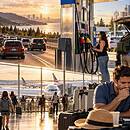
Image generated with Ai
As the 2026 FIFA World Cup approaches, Mexico is not only preparing to welcome football fans but also a new category of tourists: remote workers. With the global rise of remote work, many professionals are choosing to spend extended periods in Mexico, combining their careers with a love for football. The World Cup, one of the largest sporting events globally, offers an exciting opportunity for individuals to travel, explore new cultures, and experience the football atmosphere while continuing their work remotely. This trend has sparked a new kind of tourism in Mexico that blends business with pleasure in a way never seen before.
Mexico is one of the three host nations for the 2026 FIFA World Cup, alongside the United States and Canada. It has always been a popular tourist destination, known for its vibrant culture, picturesque landscapes, and historical significance. However, this year, Mexico is expected to see an increase in travel not just from football fans attending matches but also from remote workers who are capitalizing on the World Cup’s unique timing.
Advertisement
The World Cup 2026 is scheduled to take place from June 8 to July 3, 2026, during which time football enthusiasts from around the world will flock to Mexico. In addition to traditional tourism, the event is fueling a new trend—remote working vacations. Many digital nomads and remote professionals from around the world, especially from countries with robust remote work policies like the U.S. and European nations, are extending their stays in Mexico. They aim to experience the electric atmosphere of the tournament while continuing their work commitments, creating a symbiotic relationship between remote work and football tourism.
Several key cities across Mexico are becoming hotspots for remote workers during the World Cup. Cities like Mexico City, Guadalajara, and Monterrey are well positioned to capitalize on this new wave of tourism, offering a mix of affordable accommodations, vibrant coworking spaces, and access to football matches.
Advertisement
Advertisement
These cities have become attractive destinations for those who wish to mix business with leisure, enjoying the football frenzy and spending quality time in a culturally rich and affordable location.
One of the biggest appeals of working remotely from Mexico during the World Cup is the cost-effectiveness. Compared to North America and Europe, living costs in Mexico are significantly lower, allowing remote workers to enjoy a higher quality of life at a fraction of the price. This includes affordable housing, food, and entertainment. Furthermore, Mexico boasts an extensive digital infrastructure, including fast internet and a variety of coworking spaces, making it a practical destination for remote professionals.
Mexico’s attractive visa policies also play a role in the increase of remote workers during the World Cup. Mexico offers a temporary resident visa that allows individuals to stay for up to four years, with the possibility of working remotely during their stay. This type of visa makes it easier for digital nomads to spend extended periods in the country, adding another layer of appeal for remote workers looking for a base during the World Cup.
Mexico has seen a significant rise in coworking spaces in recent years, especially in Mexico City, Tulum, and Playa del Carmen, making it easier for remote workers to find a comfortable working environment. These spaces cater to digital nomads, offering high-speed internet, ergonomic furniture, and a vibrant community of like-minded professionals.
Advertisement
Advertisement
In addition to coworking spaces, many remote workers are opting for serviced apartments, mid-term rentals, and vacation homes. These types of accommodations offer a perfect blend of comfort and convenience, allowing workers to stay for several weeks or even months without the hassle of long-term contracts.
The coworking scene in Mexico also provides an excellent opportunity for networking and socializing. As digital nomads converge in Mexico during the World Cup, it creates an influx of professional meetups, workshops, and events that foster a sense of community among remote workers.
Remote working has become a driving force behind Mexico’s tourism sector. According to the Mexico Tourism Board, the influx of remote workers has led to an increase in demand for long-term stays, especially in cities with established digital nomad communities. Many remote workers who come to Mexico during the World Cup are likely to stay beyond the tournament, extending their stays as they continue to work and explore the country. This is a departure from the traditional tourist model where visitors typically stay for a week or two and only engage in sightseeing and leisure activities.
In addition to accommodation, local businesses such as restaurants, cafes, and service providers are also benefiting from this new category of tourism. Remote workers tend to spend more locally, frequenting cafes for work, supporting local shops, and exploring attractions outside of the football matches. This increased spending is injecting much-needed revenue into the local economy, further solidifying Mexico’s position as a leading tourism destination.
As remote work continues to grow in popularity and the World Cup 2026 draws near, Mexico is expected to remain a key destination for digital nomads and remote workers. The combination of affordable living costs, good internet infrastructure, and the vibrant cultural experience makes Mexico an ideal place for individuals seeking to blend work with leisure.
Looking ahead, Mexico’s tourism industry is likely to see sustained growth in this sector, particularly with other major sporting events and festivals on the horizon. Additionally, with the continued rise of remote work policies globally, Mexico will remain a top destination for remote workers seeking new experiences while continuing their professional careers.
The World Cup 2026 is not only driving an influx of traditional football fans but also fueling the growth of a new type of tourism in Mexico. By combining remote work with the excitement of the World Cup, Mexico has positioned itself as a global hub for digital nomads. As the event approaches, it is clear that this trend will continue to shape the country’s tourism landscape in new and exciting ways, offering opportunities for both visitors and local businesses alike.
Advertisement
Tags: affordable living in Mexico, digital nomads in Mexico, Mexico City Tourism, Mexico coworking spaces, mexico tourism
Advertisement
Advertisement













Saturday, September 5, 2026

Friday, September 4, 2026
Saturday, September 5, 2026

Saturday, September 5, 2026
Saturday, September 5, 2026

Thursday, September 3, 2026

Saturday, September 5, 2026

Saturday, September 5, 2026


