

Alberta and British Columbia Face Peak Summer Travel Challenges as Wildfires and Smoke Force US National Park Closures and Visitor Route Changes in 2026: New Update

Published
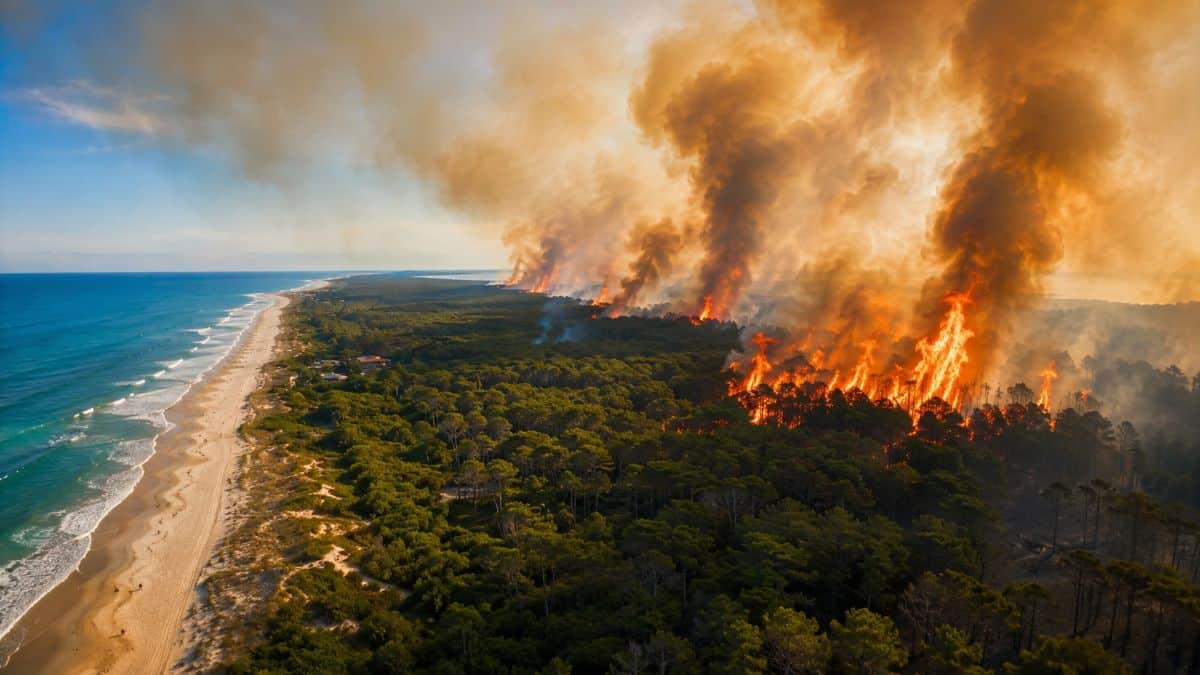
Peak summer travel across western regions of the United States and Canada is being affected by widespread wildfires and deteriorating air quality, prompting temporary closures, restricted access and revised visitor plans at several national parks and protected areas. As fire activity intensifies and smoke spreads across large parts of North America, park authorities are taking precautionary measures to protect visitors, employees and local communities.
The wildfire season has arrived during one of the busiest periods of the year for outdoor recreation. Families, international tourists and domestic travellers who had planned hiking, camping, sightseeing and wildlife experiences are increasingly being advised to monitor local conditions before travelling. Park managers continue to assess fire behaviour, weather conditions and air quality while making operational decisions that prioritise public safety.
Advertisement
Advertisement
Government agencies in both countries are encouraging visitors to remain flexible and stay informed through official alerts before entering national parks or travelling through affected regions.
Wildfire Activity Continues Across Western North America
Wildfires are a recurring natural hazard across western North America, particularly during periods of prolonged heat, dry vegetation and strong winds.
Advertisement
Advertisement
This year’s fire activity has affected forests, grasslands and protected natural areas across several U.S. states and Canadian provinces. Smoke from active fires has travelled hundreds of kilometres, reducing visibility and affecting air quality well beyond the immediate fire zones.
Fire management agencies continue deploying firefighters, aircraft and emergency personnel to contain active incidents while protecting communities and important natural resources.
Advertisement
Advertisement
Authorities emphasise that wildfire conditions can change rapidly depending on weather, making continuous monitoring essential.
National Parks Adjust Operations
National parks remain among the most popular destinations during the summer holiday season.
Advertisement
Advertisement
However, park authorities may temporarily close specific trails, campgrounds, roads or visitor facilities whenever wildfire risks increase or smoke creates unsafe conditions.
These operational changes help reduce risks to visitors while allowing emergency personnel to respond more effectively to developing situations.
Some parks continue operating with limited access, while others may restrict entry to particular areas until conditions improve.
Visitors are advised to check official park notices before travelling, as operating conditions may change daily.
Advertisement
Advertisement
Smoke Creates Additional Challenges
Even where fires are not directly threatening tourism infrastructure, wildfire smoke can significantly affect visitor experiences.
Poor air quality may limit outdoor activities such as hiking, cycling, wildlife viewing and photography.
Individuals with respiratory conditions, older adults and young children are particularly encouraged to exercise caution when air quality deteriorates.
Government health agencies continue issuing air quality advisories whenever smoke reaches levels that may affect public health.
Travellers are encouraged to review local air quality forecasts before participating in outdoor recreation.
Popular Parks Experience Increased Operational Pressure
Several internationally recognised national parks attract millions of visitors every year during the summer months.
Advertisement
Advertisement
Destinations across western Canada and the western United States often experience their highest visitor numbers between June and September.
When wildfire conditions require temporary closures or access restrictions, tourism operators, accommodation providers and transport services may also experience operational changes.
Visitors are increasingly adjusting itineraries by choosing alternative parks, nearby communities or indoor attractions until outdoor conditions improve.
Flexible travel planning has become increasingly important during wildfire season.
Tourism Businesses Adapt to Changing Conditions
Hotels, tour operators, campgrounds and visitor attractions continue adapting to rapidly changing environmental conditions.
Many tourism businesses are offering flexible booking arrangements while providing updated information to guests regarding park accessibility and local safety measures.
Advertisement
Advertisement
Tour operators are also modifying excursion programmes to avoid affected areas whenever necessary.
Destination management organisations continue promoting alternative attractions in regions that remain safely accessible.
These efforts help maintain visitor activity while supporting local tourism economies.
Government Agencies Focus on Public Safety
Wildfire management remains a coordinated effort involving multiple government organisations.
In the United States, agencies such as the National Park Service (NPS), U.S. Forest Service, National Interagency Fire Center (NIFC) and state emergency authorities continue monitoring fire activity and implementing safety measures.
In Canada, Parks Canada, provincial wildfire services and emergency management agencies work together to manage affected protected areas and provide updated public information.
Advertisement
Advertisement
These organisations regularly issue travel advisories, closure notices and operational updates to assist visitors in making informed travel decisions.
Travellers Encouraged to Prepare Carefully
Government agencies recommend that travellers remain flexible when visiting wildfire-prone destinations during summer.
Before departure, visitors should:
- Check official park alerts.
- Review current wildfire conditions.
- Monitor local weather forecasts.
- Follow air quality advisories.
- Prepare alternative travel plans if necessary.
- Respect all fire restrictions and evacuation instructions.
Travellers are also reminded not to enter closed areas or ignore emergency warnings, as wildfire behaviour can change rapidly.
Responsible travel helps protect both visitors and emergency response personnel.
Wildfires Highlight Climate and Tourism Challenges
Increasing wildfire activity continues influencing tourism planning across many regions.
Advertisement
Advertisement
Longer fire seasons and changing weather patterns require destinations to strengthen emergency preparedness while improving visitor communication systems.
Many park authorities have expanded digital alert services, emergency notification systems and visitor information platforms to improve safety during periods of elevated fire risk.
Tourism operators are also investing in contingency planning to minimise disruption whenever natural hazards affect visitor destinations.
Looking Ahead
Despite current challenges, national parks throughout the United States and Canada continue welcoming millions of visitors each year while balancing tourism with environmental protection and public safety.
Government agencies remain committed to protecting natural landscapes while restoring access as soon as conditions allow.
As wildfire conditions evolve throughout the summer, travellers who remain informed, flexible and prepared will be better positioned to enjoy safe and rewarding outdoor experiences.
The continued collaboration between wildfire management agencies, park authorities and tourism organisations demonstrates the importance of coordinated planning in protecting visitors while preserving some of North America’s most treasured natural destinations during an increasingly complex wildfire season.
Advertisement
