
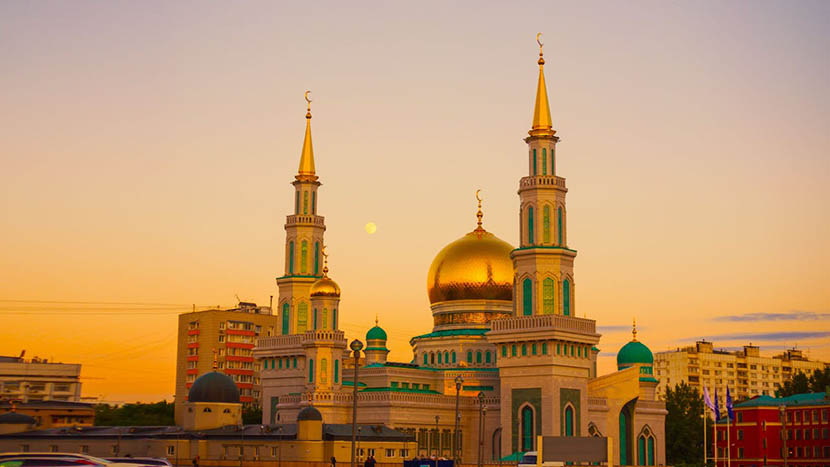
Image generated with Ai
Mosques are not just places of worship but are profound symbols of cultural identity, architectural innovation, and spiritual sanctity. Across the Islamic world, mosques tell stories of faith, power, and community, each reflecting the unique heritage of its land. From the intricate tilework of Central Asia to the majestic domes of Southeast Asia and the ornate calligraphy of the Middle East and North Africa, the beauty of these mosques transcends mere aesthetics, inviting believers and travelers alike into a world of devout serenity and architectural grandeur.
Uzbekistan: Bibi-Khanym Mosque, Samarkand
Advertisement
In the historic city of Samarkand, the Bibi-Khanym Mosque stands as a monument to love, ambition, and architectural brilliance. Commissioned by Timur (Tamerlane) in the 15th century, this mosque was intended to be the jewel of his empire. Despite suffering damage over the centuries, the mosque’s restoration has brought back to life its magnificent portal, vast courtyard, and the grandiose main dome, adorned with intricate blue and turquoise tiles. The mosque’s sheer size and the story behind its construction make it a must-visit for those exploring the Silk Road’s rich history.
Malaysia: The Crystal Mosque, Terengganu
Advertisement
The Crystal Mosque, located in the Islamic Heritage Park on Wan Man Island in Terengganu, is a marvel of modern Islamic architecture. Constructed from steel, glass, and crystal, this mosque exudes a futuristic allure, especially when it is illuminated at night, reflecting off the waters that surround it. Opened in 2008, it combines traditional Islamic design with contemporary materials, creating a space that is both awe-inspiring and welcoming to worshippers and visitors from around the world.

Image generated with Ai
Brunei: Sultan Omar Ali Saifuddien Mosque, Bandar Seri Begawan
Named after the 28th Sultan of Brunei, the Sultan Omar Ali Saifuddien Mosque is a symbol of Islamic faith in Brunei’s capital. This mosque is renowned for its golden dome, the main dome is covered in pure gold, and the minarets and lagoons surrounding it create a serene and reflective environment. The mosque’s design incorporates Mughal and Italian architectural elements, making it one of the most photographed mosques in the Asia Pacific.

Image generated with Ai
Indonesia: Istiqlal Mosque, Jakarta
Advertisement
Advertisement
Istiqlal Mosque, located in the heart of Jakarta, stands as a symbol of Indonesia’s independence and religious harmony. As the largest mosque in Southeast Asia, Istiqlal’s modern and minimalistic design features a unique spherical dome supported by twelve massive columns. The mosque was designed by Frederich Silaban, a Christian architect, emphasizing the nation’s principle of unity in diversity. The spacious prayer hall and the open courtyard reflect the mosque’s capacity to welcome thousands of worshippers, making it a focal point for Eid celebrations in Indonesia.

Image generated with Ai
Azerbaijan: Heydar Aliyev Mosque, Baku
The Heydar Aliyev Mosque in Baku represents a blend of traditional Islamic architecture with modern Azerbaijani elements. Opened in 2014, it is one of the largest mosques in the Caucasus, featuring a spacious interior that includes two prayer halls and the ability to accommodate up to 1,500 worshippers. The mosque’s exterior is adorned with traditional Azerbaijani stone carving, while the interior decoration includes Islamic calligraphy, showcasing the country’s rich cultural heritage.

Image generated with Ai
Turkey: Sultan Ahmed Mosque (Blue Mosque), Istanbul
The Sultan Ahmed Mosque, famously known as the Blue Mosque, is a masterpiece of Ottoman architecture and one of Istanbul’s most iconic landmarks. Constructed between 1609 and 1616 during the reign of Sultan Ahmed I, its name derives from the blue tiles surrounding its interior walls. With its six minarets, spacious courtyard, and impressive domes, the mosque creates a sense of grandeur and tranquility. The Blue Mosque remains a functioning mosque while also welcoming millions of tourists from around the globe, serving as a bridge between the past and the present, the sacred and the worldly.

Image generated with Ai
Morocco: Hassan II Mosque, Casablanca
Situated on the edge of the Atlantic Ocean, the Hassan II Mosque is a testament to Moroccan craftsmanship and Islamic architectural achievement. Completed in 1993, it is the largest mosque in Africa and features the world’s tallest minaret. The mosque’s design, incorporating hand-carved stone and wood, intricate marble flooring, and a retractable roof, showcases the finest Moroccan artisanship. The mosque not only serves as a place of worship but also as a symbol of Morocco’s religious devotion and architectural ambition.

Image generated with Ai
Each mosque described above stands as a beacon of faith, reflecting the diverse traditions, cultures, and architectural styles of the Islamic world. From the historic Silk Road cities of Uzbekistan to the bustling metropolises of Southeast Asia and the grand capitals of the Middle East and North Africa, these mosques are not just places of worship but landmarks of human achievement and divine inspiration. Whether you are drawn by spiritual quest or architectural curiosity, visiting these mosques offers a window into the soul of the countries they grace, making them essential destinations for travelers seeking to immerse themselves in the beauty and diversity of the Islamic world.
Advertisement
Advertisement
Advertisement













Saturday, September 5, 2026

Friday, September 4, 2026
Saturday, September 5, 2026

Saturday, September 5, 2026

Thursday, September 3, 2026

Wednesday, September 2, 2026
Saturday, September 5, 2026