Angana Dutta
Angana Dutta
Angana Dutta

Image generated with Ai
Travelers are beginning to revaluate where they will travel to with the ongoing conflicts with the Middle East and Russia and Ukraine. Safe travel destinations for 2026 will comprise of Iceland, New Zealand, Japan, Portugal, and Singapore. These countries are also the safest and most reliable to visit. This trend is important because it combines the disruption of travel, global worries and where people will travel for business, leisure, and with their family.
The global travel industry is experiencing a shift. Safety, stability and confidence are becoming as important as beaches, attractions and cultural experiences. Tourists are increasingly researching countries that offer predictable travel conditions during a period of international uncertainty.
Advertisement
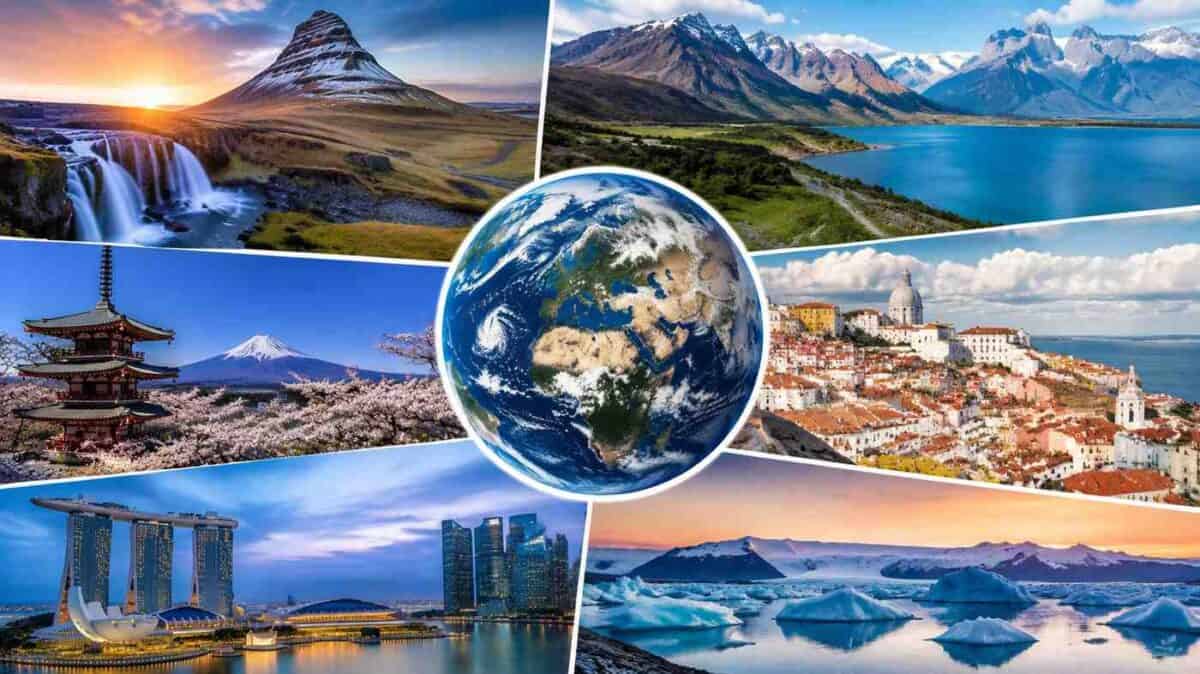
Image generated with Ai
The demand for safe countries to travel during war has increased as multiple geopolitical challenges affect international mobility.
The Russia Ukraine conflict continues to influence European security discussions, while tensions in the Middle East have created concerns around air routes, regional stability and possible travel disruptions.
Advertisement
Advertisement
Although most popular tourist destinations remain open, travellers are becoming more cautious about:
According to the Global Peace Index, countries with strong institutions, low internal conflict and limited militarisation continue to perform better in global safety rankings.
The latest peace rankings highlight countries such as Iceland, New Zealand, Ireland, Switzerland, Portugal, Singapore and Japan among destinations offering some of the strongest safety conditions worldwide.
For tourists, the message is clear: destinations with peace, stability and resilience are becoming increasingly valuable in uncertain times.
Advertisement
Advertisement

Image generated with Ai
Iceland remains one of the strongest examples of a country benefiting from its reputation for safety and stability.
The country consistently ranks as one of the world’s most peaceful nations due to:
For travellers, Iceland offers a unique combination of security and adventure tourism.
Popular experiences include:
During a period when many travellers are concerned about global instability, Iceland’s remote location in the North Atlantic has strengthened its image as a peaceful holiday sanctuary.
However, visitors must still consider natural risks such as volcanic activity, earthquakes and severe weather conditions.

Image generated with Ai
New Zealand is emerging as one of the most attractive destinations for travellers seeking distance from global conflicts.
Its geographical location in the South Pacific provides significant separation from major geopolitical hotspots.
The country attracts visitors through:
New Zealand’s tourism strength is supported by its reputation for political stability and safe travel conditions.
The country remains popular among travellers seeking long-haul escapes where security and nature experiences combine.
For many international visitors, New Zealand represents more than a holiday destination. It represents a place associated with calm, isolation and stability.

Image generated with Ai
Japan continues to attract millions of international visitors because of its safety standards, advanced infrastructure and world-class tourism system.
The country offers:
Japan has become one of Asia’s strongest tourism recovery stories, welcoming record numbers of international visitors in recent years.
Major attractions include:
While Japan remains highly safe for travellers, visitors are advised to monitor regional developments involving East Asian security issues, including tensions around the Korean Peninsula and Taiwan Strait.

Image generated with Ai
Portugal has become one of Europe’s most attractive destinations for travellers seeking stability.
Its advantages include:
Cities such as Lisbon and Porto continue attracting international visitors, while regions including Algarve and Madeira offer leisure tourism opportunities.
Portugal’s Atlantic location provides travellers with a sense of distance from some continental European security concerns.
The country is also benefiting from growing demand among digital nomads, long-stay travellers and families searching for stable European destinations.

Image generated with Ai
Singapore remains one of the world’s most secure urban destinations.
Its tourism advantage comes from:
Singapore’s position as a major international aviation hub makes it important for global tourism.
The country continues attracting:
While regional geopolitical developments can influence aviation routes, Singapore itself remains recognised for stability and traveller confidence.
| Country | Main Safety Advantage | Key Tourism Appeal | Traveller Consideration |
|---|---|---|---|
| Iceland | Extremely peaceful environment | Northern Lights, glaciers, nature tourism | Weather and volcanic conditions |
| New Zealand | Remote location and stability | Adventure, landscapes, outdoor tourism | Long-haul travel distance |
| Japan | Strong infrastructure and low crime | Culture, food, technology, nature | Regional security monitoring |
| Portugal | Stable European destination | Beaches, heritage, city tourism | Summer crowds and heat |
| Singapore | Secure global city | Business, luxury and family tourism | Regional flight conditions |
| Switzerland | Neutral reputation and stability | Alps, luxury, rail tourism | High travel costs |
| Ireland | Political stability and safety | Heritage, landscapes | Weather conditions |
| Slovenia | Peaceful European alternative | Lakes, mountains, nature | Smaller tourism infrastructure |
The modern traveller is not only choosing destinations based on attractions.
Travel decisions are increasingly influenced by:
Conflicts can indirectly affect tourism through:
Even countries far from conflict zones can experience travel impacts because international aviation networks are interconnected.
This is why destinations with strong stability and reliable infrastructure are becoming more attractive.
The travel industry is entering a new phase where safety reputation has become a competitive advantage.
Destinations that combine:
are positioned to benefit from changing traveller priorities.
Tourism boards worldwide are increasingly highlighting safety, sustainability and quality experiences to attract cautious travellers.
The future traveller is expected to consider not only where they want to go but also how secure they feel while travelling there.
Travellers planning journeys during periods of global uncertainty should follow practical safety steps.
Important actions include:
Travellers should also save:
Preparation can reduce stress if international conditions change suddenly.
Countries including Iceland, New Zealand, Japan, Portugal and Singapore are among the destinations receiving attention for their peaceful environments, stability and strong tourism infrastructure.
Generally, destinations located away from active conflict areas may face fewer direct security risks. However, travellers should still check official advisories, flight conditions and regional developments before travelling.
Global conflicts can influence tourism indirectly through flight disruptions, insurance changes, airspace restrictions and traveller confidence. However, many stable destinations continue operating normally and remain open to visitors.
The growing demand for safest travel destinations 2026 reflects a major change in global tourism behaviour. Travellers are no longer choosing destinations only for attractions and affordability. In an uncertain world, peace, stability and confidence are becoming powerful tourism assets. Countries such as Iceland, New Zealand, Japan, Portugal and Singapore demonstrate how safety can become one of the strongest reasons for visitors to choose a destination.
As global uncertainty continues, destinations offering security and memorable experiences may define the next chapter of international travel.
Advertisement
Advertisement
Advertisement













Saturday, September 5, 2026

Friday, September 4, 2026

Saturday, September 5, 2026

Saturday, September 5, 2026

Thursday, September 3, 2026

Wednesday, September 2, 2026

Saturday, September 5, 2026