
Turkey Steps Up With Qatar And More Middle East Countries On Tension Reduction Efforts To Support Tourism Future

Published
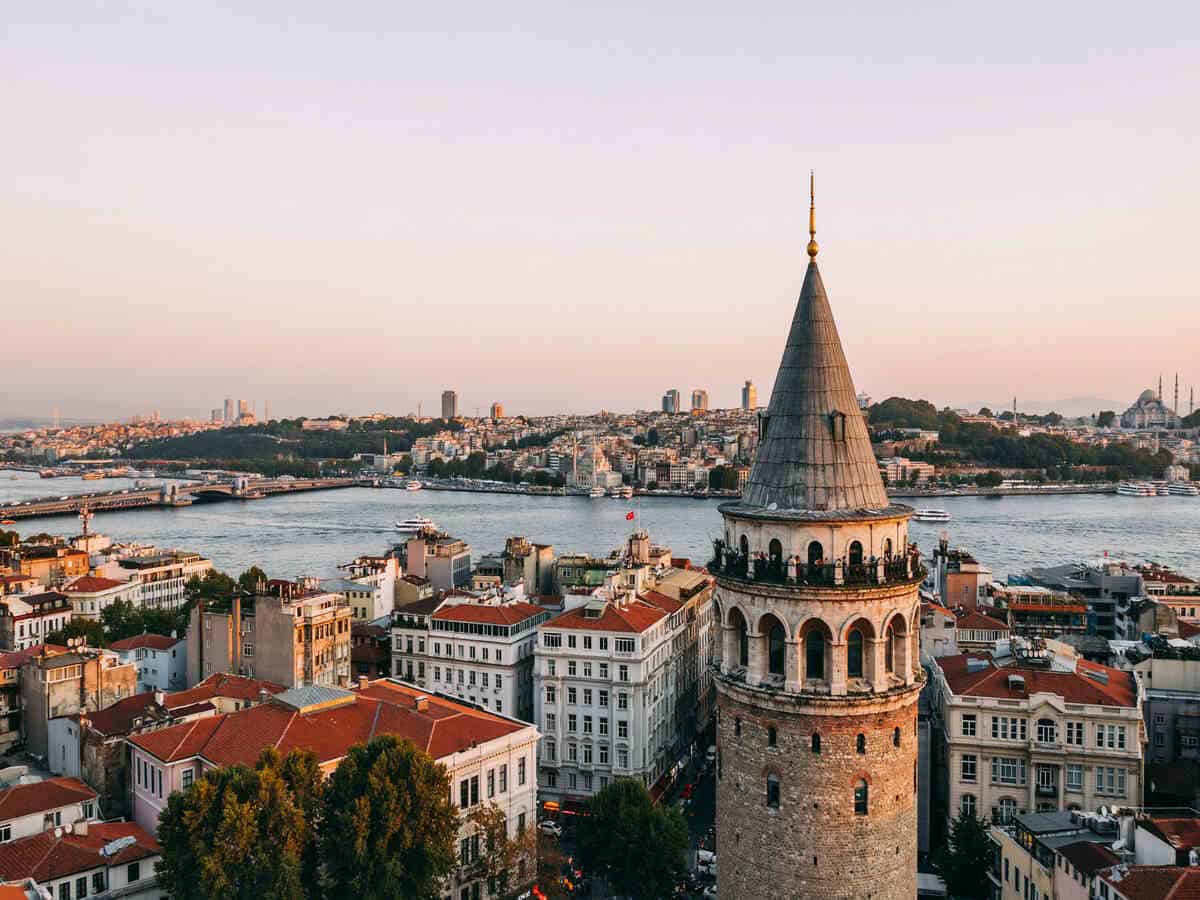
Image generated with Ai
Tourism peace efforts from Turkey, Qatar, and Middle Eastern nations enhance touristic stability and safety. Turkey, Qatar, and some Middle Eastern countries have increased diplomatic work that will help in lowering tensions within the region, bringing a new dawn of peace, economic stability, and future of tourism within the region. Countries like Qatar, Oman, Saudi Arabia, Egypt, Pakistan, and Türkiye are working towards increasing communication channels in order to avoid more instability within the region.
The Middle East remains one of the world’s most important tourism and aviation regions, connecting millions of travellers through major hubs, cultural destinations and luxury resorts. However, rising tensions can affect traveller confidence, airline operations, investment decisions and tourism growth.
As diplomatic efforts continue, these countries are attempting to create a more stable environment where tourism, hospitality, aviation and international business can continue expanding.
Turkey Strengthens Regional Diplomacy To Encourage Dialogue And Stability
Türkiye has become an important regional player in efforts focused on reducing tensions and encouraging diplomatic engagement between Middle Eastern nations. The country has maintained communication with different regional partners while supporting political solutions to security challenges.
Advertisement
Advertisement
Turkey’s position gives it a unique role because it connects Europe, Asia and the Middle East. The country’s influence comes from its geography, economic relationships and long-standing diplomatic presence in regional affairs.
Advertisement
Advertisement
Ankara has focused on strengthening cooperation with countries such as Qatar, Saudi Arabia, Egypt and Pakistan while supporting broader discussions about regional security.
For tourism, Turkey’s stability is closely connected with the wider Middle East travel environment. Millions of international visitors travel to Istanbul, Antalya, Cappadocia and other destinations every year. A calmer region supports stronger air connectivity, international tourism confidence and future investment.
Turkey’s efforts also highlight the importance of protecting travel corridors between Europe, the Gulf and Asia, where aviation networks depend on predictable and secure regional conditions.
Qatar Uses Mediation And Communication To Reduce Gulf Tensions
Qatar has emerged as one of the most visible diplomatic actors working to reduce tensions in the Gulf. Doha has continued promoting dialogue and communication between countries during periods of uncertainty.
The country’s diplomatic approach focuses on maintaining channels between regional and international stakeholders, encouraging negotiations and supporting peaceful solutions.
Advertisement
Advertisement
Qatar’s role is especially significant because the country is a major global aviation and tourism hub. Doha’s position as an international transit centre depends heavily on regional stability.
Through its airport, airlines and hospitality sector, Qatar connects travellers from Asia, Europe, Africa and the Americas. Any improvement in regional security conditions can strengthen confidence among visitors and support tourism expansion.
The country has also invested heavily in tourism infrastructure, events and international visitor experiences. A peaceful Gulf environment is considered essential for protecting these long-term tourism ambitions.
Oman Continues Its Traditional Role As A Neutral Gulf Bridge
Oman has historically maintained a balanced diplomatic approach and has often positioned itself as a country capable of supporting communication between competing sides.
The nation’s geographical location near the Strait of Hormuz gives it strategic importance in regional discussions. Stability around maritime routes remains a major concern because the area is vital for global trade and energy movement.
Advertisement
Advertisement
Oman’s diplomatic style has focused on quiet engagement, dialogue and reducing misunderstandings between countries.
Beyond politics, Oman is building its tourism identity around peaceful experiences, including heritage sites, mountains, deserts and coastal attractions. International visitors are increasingly seeking authentic and culturally rich destinations, making stability a key requirement for Oman’s tourism growth.
A reduction in regional tensions could help Oman attract more visitors, expand tourism partnerships and strengthen international connectivity.
Saudi Arabia Balances Security Cooperation With Tourism Expansion
Saudi Arabia is also playing a major role in regional efforts to support stability and dialogue. The Kingdom has increased diplomatic engagement while focusing on economic transformation and tourism development.
Saudi Arabia’s Vision 2030 strategy places tourism at the centre of economic diversification. The country is developing new destinations, entertainment projects, heritage attractions and luxury tourism facilities.
Advertisement
Advertisement
However, international tourism growth depends strongly on global perceptions of safety and stability.
Saudi Arabia’s diplomatic approach aims to protect regional security while creating conditions for investment and economic growth. Cooperation with countries including Turkey, Egypt and Pakistan reflects a wider effort to strengthen regional coordination.
A more stable Middle East could accelerate Saudi Arabia’s ambition to attract millions of international visitors and establish itself as a major global tourism destination.
Egypt Promotes Regional Dialogue Through Diplomatic Channels
Egypt remains one of the most influential countries in Middle East diplomacy because of its strategic location, political importance and historical role in regional affairs.
Cairo has supported efforts aimed at reducing tensions and encouraging negotiations between different regional actors. Egypt has used diplomatic engagement to promote stability and prevent conflicts from expanding.
Advertisement
Advertisement
The country’s importance also comes from its control of the Suez Canal, one of the world’s most important trade routes. Regional instability can influence shipping, global commerce and travel confidence.
Tourism is a central part of Egypt’s economy. Millions of travellers visit the country for its ancient heritage, archaeological sites, Nile experiences and Red Sea resorts.
Greater regional calm would support Egypt’s tourism sector by improving traveller confidence and strengthening international tourism flows.
Pakistan Builds Diplomatic Connections Between Regional Partners
Pakistan has increasingly participated in diplomatic efforts connected with Middle East stability. The country maintains relationships with Gulf nations as well as Iran, giving it a position as a potential communication bridge.
Pakistan has supported dialogue and cooperation as a way to reduce tensions and avoid wider regional disruption.
Advertisement
Advertisement
The country’s engagement reflects the importance of preventing instability from affecting neighbouring regions, trade routes and economic relationships.
Although Pakistan is not a Gulf tourism hub, its diplomatic involvement supports broader regional stability, which benefits aviation links and travel connections between South Asia and the Middle East.
Stronger cooperation between Pakistan and Gulf countries can also contribute to business travel, religious tourism and economic exchanges.
China Supports Wider Regional Stability Through Diplomacy
China has also become involved in Middle East diplomatic discussions by encouraging dialogue and supporting regional stability.
Beijing has expanded economic and diplomatic relations with several Middle Eastern countries, including investment partnerships and infrastructure cooperation.
Advertisement
Advertisement
China’s involvement reflects the global importance of Middle East stability. The region plays a major role in international energy markets, shipping networks and aviation connectivity.
Stable conditions are beneficial not only for regional countries but also for international tourism markets that depend on reliable transport links.
How Middle East Peace Efforts Could Transform Tourism Growth
The tourism industry is among the sectors most influenced by geopolitical conditions. Travellers usually consider safety, transport reliability and regional stability before choosing destinations.
Successful diplomatic efforts could create several positive outcomes:
- Increased international visitor confidence.
- Stronger airline connectivity between continents.
- More investment in hotels, resorts and tourism infrastructure.
- Greater opportunities for cultural and heritage tourism.
- Improved conditions for business and leisure travel.
The Middle East has become one of the fastest-developing tourism regions, with countries investing billions in airports, attractions, resorts and events.
Advertisement
Advertisement
From Qatar’s aviation network and Saudi Arabia’s mega tourism projects to Oman’s heritage experiences and Turkey’s global destinations, regional growth depends on stability.
Regional Cooperation Creates Hope For The Future Of Middle East Travel
The combined efforts of Turkey, Qatar, Oman, Saudi Arabia, Egypt and Pakistan demonstrate a growing regional focus on diplomacy and cooperation.
While political challenges remain, these nations are attempting to reduce tensions through communication, partnerships and diplomatic engagement.
For the travel industry, these efforts represent more than political developments. They represent the possibility of stronger aviation connections, safer travel conditions and renewed confidence among international visitors.
A stable Middle East would allow tourism destinations across the region to continue growing, attracting travellers, supporting businesses and strengthening the region’s position as one of the world’s most important travel crossroads.
The future of Middle East tourism will depend not only on new attractions and investments but also on the success of diplomatic efforts designed to create lasting peace and stability.
Advertisement
