
Sri Lanka’s Hidden Mattala Airport Could Become A Major Tourism Gateway With New Oman Aviation Push

Updated
Published
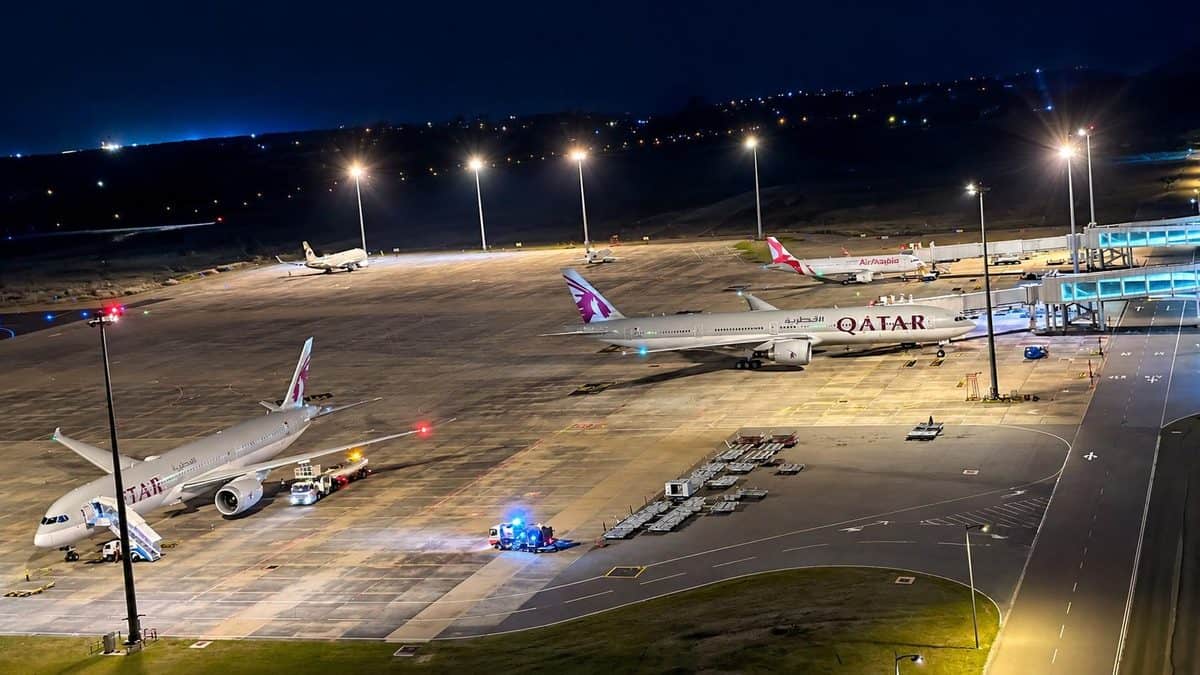
The development of Mattala Airport in Sri Lanka could boost Sri Lanka’s tourism further. This is possible after the Sri Lanka-Oman aviation talks on airport development, direct air links, and comprehensive air services in September 2026. The talks occurred at the 61st Conference of Directors-General of Civil Aviation, Asia and Pacific Region, in Kuala Lumpur. Officials examined the prospects of Mattala Rajapaksa International Airport, SriLankan Airlines, Oman Air, and SalamAir. The development of Mattala Airport will be an advantage as it lies close to Sri Lanka’s wildlife and southern region, and beaches. It will also act as an alternative to Colombo for international visitors.
Mattala Airport emerges at the centre of Sri Lanka’s next tourism opportunity
Sri Lanka’s aviation landscape may be entering a new stage as Mattala Rajapaksa International Airport receives renewed attention through discussions with Oman’s aviation authorities.
The airport, located near Hambantota in southern Sri Lanka, has long been viewed as an infrastructure asset with significant unused potential. Now, fresh talks between Sri Lanka and Oman have placed the facility back into the regional aviation conversation.
The discussions focused on strengthening civil aviation cooperation, examining the future operation and development potential of Mattala Airport, improving air connectivity and expanding links between the two countries.
Advertisement
Advertisement
The meeting was held between Sri Lanka’s Civil Aviation Authority leadership and Oman’s Civil Aviation Authority President during the 61st Conference of Directors General of Civil Aviation, Asia and Pacific Region (DGCA/61) in Kuala Lumpur.
Advertisement
Advertisement
The discussions included possible steps to restore direct air links through SriLankan Airlines, explore the possible return of Oman Air services, and increase existing SalamAir operations.
However, no new routes have been officially launched yet. The discussions represent future cooperation opportunities rather than confirmed flight announcements.
Why Mattala Airport matters for Sri Lanka tourism growth
Mattala Airport is different from Sri Lanka’s main international gateway at Bandaranaike International Airport near Colombo.
Advertisement
Advertisement
While Colombo remains the country’s largest aviation hub, Mattala provides direct access to the southern tourism region.
The airport is located close to several major visitor attractions:
Advertisement
Advertisement
- Yala National Park, one of Sri Lanka’s most famous wildlife destinations.
- Bundala National Park, known for birdwatching and wetlands.
- Hambantota’s coastal areas.
- Southern beach destinations.
- Cultural and religious sites around Kataragama.
The official Sri Lanka tourism portal describes Mattala Rajapaksa International Airport as the country’s second international airport and highlights its location in the developing southern region near Hambantota. (Sri Lanka Tourism)
A stronger international presence at Mattala could create opportunities for travellers who want to combine wildlife, beaches and cultural experiences without travelling through Colombo first.
A large airport designed for international aviation
Mattala was developed as a major aviation infrastructure project with facilities designed to handle wide-body aircraft.
According to Airport and Aviation Services Sri Lanka, the airport has a 3,500-metre runway capable of supporting large aircraft operations, including ICAO Code F aircraft. (Airport.lk)
The airport includes:
Advertisement
Advertisement
| Feature | Details |
|---|---|
| Airport | Mattala Rajapaksa International Airport |
| Location | Hambantota District, southern Sri Lanka |
| Operator | Airport and Aviation Services (Sri Lanka) |
| Runway length | 3,500 metres |
| International role | Second international airport of Sri Lanka |
| Nearby tourism assets | Yala, Bundala, southern coastline |
The infrastructure gives Sri Lanka flexibility as international tourism demand continues recovering.
Sri Lanka’s tourism recovery creates new demand for connectivity
The renewed focus on Mattala comes as Sri Lanka continues rebuilding its tourism sector.
Official data from the Sri Lanka Tourism Development Authority shows international arrivals recovered strongly after the pandemic period. Sri Lanka recorded 2,053,465 tourist arrivals in 2024, according to the Department of Census and Statistics’ Economic Statistics publication, based on SLTDA data. (Statistics Sri Lanka)
The country continued tracking visitor performance through monthly arrival reports published by SLTDA. (SLTDA)
Tourism remains one of Sri Lanka’s most important foreign exchange sectors. The government has highlighted tourism as a major contributor to economic recovery, with official statements reporting record visitor numbers and increased tourism earnings in recent years. (Ministry of Foreign Affairs Sri Lanka)
Advertisement
Advertisement
Growing visitor demand increases pressure on aviation infrastructure. A second international gateway could support a wider distribution of tourism activity.
Oman connection opens a new Gulf travel opportunity
The Sri Lanka–Oman discussions create a potential pathway for stronger Gulf connectivity.
Oman is an important aviation market because of its regional location, international airline network and large expatriate community.
Improved links between Oman and Sri Lanka could support:
- Leisure travel.
- Family visits.
- Business tourism.
- Cultural exchange.
- Regional holiday packages.
For Sri Lanka, Gulf markets offer opportunities beyond traditional source regions in Europe and Asia.
Advertisement
Advertisement
A stronger Oman connection could also help southern Sri Lanka attract travellers who may prefer direct access to wildlife and coastal destinations.
Airline opportunities could reshape southern Sri Lanka access
The aviation discussions involved several airline possibilities.
Officials discussed:
- The resumption of direct services between Sri Lanka and Oman through SriLankan Airlines.
- Possible Oman Air operations between Muscat and Sri Lanka.
- Increasing SalamAir frequency.
These discussions highlight how airline decisions can influence destination development.
Air connectivity is often the first step before hotels, tour operators and local businesses expand capacity.
Advertisement
Advertisement
For southern Sri Lanka, better international access could encourage tourism companies to design more packages focused on:
- Safari holidays.
- Beach escapes.
- Nature tourism.
- Luxury resort stays.
- Long-stay experiences.
Government initiatives supporting Sri Lanka’s tourism expansion
The renewed attention on Mattala Airport comes as Sri Lanka continues implementing strategies aimed at increasing tourism competitiveness and improving visitor experiences.
The Sri Lanka Tourism Development Authority (SLTDA) has focused on expanding tourism beyond traditional destinations and encouraging visitors to explore different regions of the country.
Southern Sri Lanka has become a key area in this strategy because it combines wildlife, beaches, cultural attractions and emerging hospitality developments.
Government tourism planning has increasingly highlighted the importance of:
Advertisement
Advertisement
- Developing regional destinations.
- Improving transport access.
- Attracting international visitors throughout the year.
- Supporting sustainable tourism practices.
The development of aviation infrastructure plays an important role in these goals because airports influence where visitors can travel and how quickly they can reach emerging destinations.
Mattala’s location gives it strategic importance because it connects international travellers directly with Sri Lanka’s southern tourism circuit.
Airport development could support regional tourism growth
The future role of Mattala Airport is closely connected with wider development plans in the Hambantota region.
Hambantota has seen investment in tourism, logistics and infrastructure projects over recent years.
The region includes:
Advertisement
Advertisement
- Wildlife tourism zones.
- Coastal tourism areas.
- Religious destinations.
- Nature-based attractions.
A stronger airport operation could support businesses operating outside Colombo and help distribute tourism income more widely.
For local communities, increased visitor activity can create opportunities in:
- Hospitality.
- Transport services.
- Food businesses.
- Tour operations.
- Handicraft industries.
However, tourism growth also requires careful planning. Regional development must balance visitor numbers with environmental protection, particularly around sensitive wildlife areas.
Economic impact of stronger aviation links
Tourism is a major contributor to Sri Lanka’s economy.
The sector supports employment across hotels, restaurants, transport companies, attractions and small businesses.
Advertisement
Advertisement
According to the Sri Lanka Tourism Development Authority, tourism earnings are closely monitored as a key economic indicator because the industry generates foreign exchange and supports thousands of livelihoods.
Improved aviation connectivity can influence economic activity in several ways:
| Sector | Possible benefit from stronger connectivity |
|---|---|
| Airlines | More route opportunities and passenger demand |
| Airports | Increased international operations |
| Hotels | Higher occupancy potential |
| Tour operators | New travel packages |
| Local businesses | More visitor spending |
| Communities | Employment opportunities |
The impact of an international airport is not limited to aircraft movements. It affects the wider tourism economy surrounding the destination.
Impact on airlines and aviation partners
The discussions between Sri Lanka and Oman show how aviation cooperation can support tourism expansion.
For airlines, new or restored routes depend on several factors, including:
Advertisement
Advertisement
- Passenger demand.
- Commercial viability.
- Aircraft availability.
- Airport facilities.
- Government agreements.
SriLankan Airlines could benefit from stronger links with Gulf markets if future operations are confirmed.
Oman-based carriers could also gain access to travellers seeking connections between the Gulf and South Asia.
SalamAir’s existing presence shows that Oman-Sri Lanka connectivity already exists, and discussions about increasing frequencies indicate interest in strengthening this market.
At this stage, travellers should wait for official airline announcements before making booking decisions.
What travellers need to know about Mattala Airport
For international visitors, the possible expansion of Mattala Airport could change how they plan Sri Lanka holidays.
Advertisement
Advertisement
Currently, many international travellers arrive through Colombo before travelling to southern destinations by road.
A stronger Mattala network could provide:
- Faster access to Yala and Hambantota.
- More convenient wildlife holidays.
- Alternative entry options.
- Greater flexibility for southern itineraries.
Travellers should note:
- No new Oman routes have been officially launched through this announcement.
- Flight schedules will depend on future airline decisions.
- Entry requirements remain subject to Sri Lankan immigration rules.
Visitors planning trips should check official airline announcements and Sri Lanka immigration guidance before booking.
The role of Gulf travellers in Sri Lanka’s tourism future
The Oman discussions highlight a broader opportunity for Sri Lanka to strengthen Gulf tourism markets.
Advertisement
Advertisement
Gulf travellers often seek destinations offering:
- Nature experiences.
- Luxury accommodation.
- Family-friendly activities.
- Cultural attractions.
Sri Lanka’s combination of beaches, wildlife and heritage sites fits many of these travel preferences.
A stronger aviation connection could help promote destinations outside the traditional Colombo–Kandy–Galle route.
Southern Sri Lanka, especially areas around Hambantota and Yala, could gain more international visibility if direct access improves.
Future outlook based on official aviation discussions
The future of Mattala Airport will depend on official decisions by governments, aviation authorities and airlines.
Advertisement
Advertisement
The Sri Lanka–Oman discussions created a foundation for further cooperation but did not confirm new services or investment agreements.
Future developments may include:
- Further aviation negotiations.
- Airline route evaluations.
- Airport development discussions.
- Increased regional connectivity planning.
The Sri Lankan government and aviation authorities continue to identify connectivity as an important factor in tourism growth.
Frequently Asked Questions
1. Is Mattala Airport getting new flights from Oman?
No confirmed new flights have been announced yet. Sri Lanka and Oman discussed possible future connectivity improvements, including potential airline service expansion.
2. Why is Mattala Airport important for travellers?
Mattala Airport provides access to southern Sri Lanka, including destinations such as Yala National Park, Hambantota and coastal attractions. It could offer an alternative arrival point for visitors exploring the region.
Advertisement
Advertisement
3. Will travellers be able to fly directly to Yala through Mattala Airport?
Mattala Airport is located closer to southern attractions than Colombo, but travellers must wait for confirmed airline schedules before planning direct international arrivals through the airport.
Conclusion
The Mattala Airport in Sri Lanka is drawing interest again because aviation talks with Oman said the airport has the potential to be a tourism gateway. They discussed development of the airport, better intercontinental-connectivity, and the likely payoff of adding additional airlines. While no new flights have been announced, the interest in the aviation infrastructure reflects the interest in potential regional development. Mattala has a lot of potential as Sri Lanka’s tourism industry continues to grow as long as officials finalize their plans and airlines are able to figure out how to profitably operate there.
Official Sources
Sri Lanka Tourism Development Authority (SLTDA)
https://sltda.gov.lk/
Airport and Aviation Services (Sri Lanka) Limited
https://www.airport.lk/
Civil Aviation Authority of Sri Lanka
https://www.caa.lk/
International Civil Aviation Organization (ICAO) Asia Pacific
https://www.icao.int/APAC/Pages/default.aspx
Advertisement
