
Puerto Vallarta Leads Ensenada and Others in Witnessing Swift Tourism Growth as Mexico Builds a New Cruise Tourism Powerhouse in 2026

Published
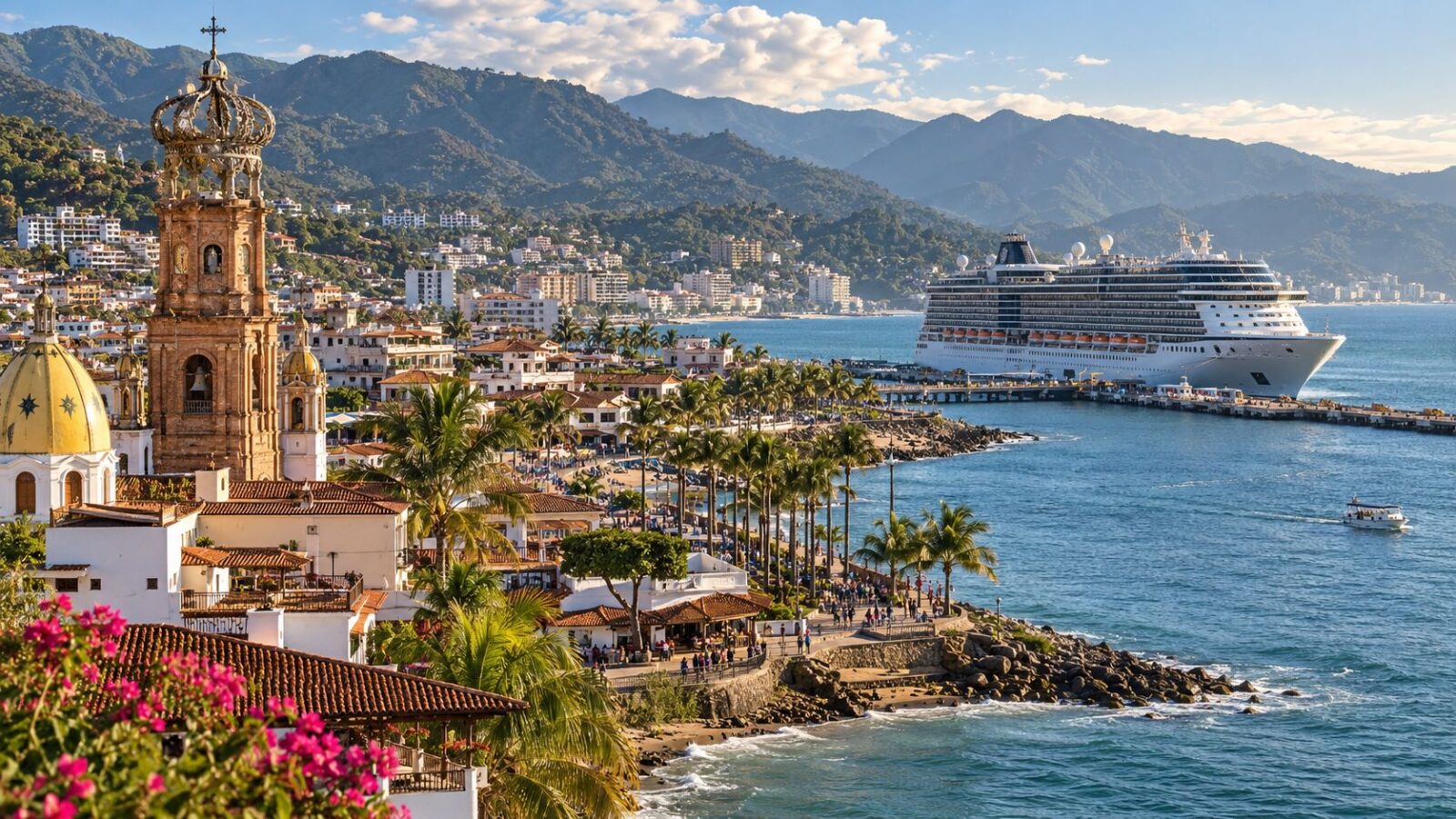
Puerto Vallarta leads Ensenada and others in witnessing swift tourism growth as Mexico builds a new cruise tourism powerhouse in 2026, driven by homeport investment, expanding port capacity, rising cruise calls and stronger passenger demand.
The most ambitious move is unfolding in Puerto Vallarta, where Mexico is preparing a new international cruise homeport designed to capture far more tourism value than a traditional port call. At the same time, Ensenada is expanding cruise infrastructure, Mazatlán is recording rapid passenger growth, Acapulco is rebuilding its cruise business and established ports such as Cozumel and Cabo San Lucas continue drawing large international visitor flows.
Together, these developments show Mexico moving beyond simply welcoming cruise ships. The country is increasingly trying to control a larger share of the cruise journey itself.
Mexico’s Major Cruise Tourism Growth Centres in 2026
| Destination | 2026 Cruise Direction | Key Tourism Role |
|---|---|---|
| Puerto Vallarta | New international homeport development | Future embarkation and disembarkation hub |
| Ensenada | New terminal and berth capacity | Expanding Pacific cruise infrastructure |
| Mazatlán | Strong increase in calls and passengers | Fast-growing Mexican Riviera stop |
| Cabo San Lucas | Established high-volume destination | Premium leisure and excursions |
| Acapulco | Cruise recovery and infrastructure renewal | Rebuilding international cruise demand |
| Cozumel | Major Caribbean cruise traffic | Mexico’s established high-volume cruise centre |
| Progreso | Wider port and tourism expansion | Gateway to Mérida and Yucatán |
Puerto Vallarta Leads Mexico Into a New Homeport Era
Puerto Vallarta is at the centre of Mexico’s cruise transformation because its new terminal is designed to do something fundamentally different. Instead of passengers arriving for several hours before sailing away, the city aims to become a place where entire cruises begin and end.
Advertisement
Advertisement
The project covers approximately 95,172 square metres and includes 3 cruise berths within the homeport concession. Passenger check-in, baggage handling, customs, ship servicing and tourism-related commercial areas are expected to form part of the operation.
That changes the economics significantly. A cruise passenger starting a voyage in Puerto Vallarta may arrive one or two days early, stay in a hotel, dine locally and use airport transfers. Others may remain after the cruise, turning one cruise passenger into several days of destination spending.
Advertisement
Advertisement
Puerto Vallarta Homeport Snapshot
- Total project area: 95,172.11 sq m
- Land component: 38,445.22 sq m
- Water component: 56,726.89 sq m
- Cruise berths: 3
- Concession period: 17 years
- Tender process: 2026–2027
- Main objective: Full cruise embarkation and disembarkation
Puerto Vallarta Could Create Growth Beyond the Waterfront
The homeport’s biggest effect may be felt outside the cruise terminal. Hotels could gain pre- and post-cruise stays, airlines may see additional demand on embarkation days and transport companies could benefit from regular airport-port transfers.
Ship provisioning creates another economic layer. Vessels starting voyages require food, beverages, technical supplies and operational services before departure.
Advertisement
Advertisement
This means Puerto Vallarta could evolve from a destination that primarily earns money when passengers walk ashore into a city supporting the entire cruise ecosystem.
For the wider tourism economy, that is a much deeper model of growth.
Ensenada Expands as Another Pacific Cruise Powerhouse
Ensenada is also investing heavily in cruise infrastructure, strengthening its position as one of Mexico’s most important Pacific ports.
A planned terminal development includes additional berthing capacity and commercial tourism areas, helping the destination accommodate more ships and potentially larger vessels.
Advertisement
Advertisement
Ensenada already benefits from its proximity to Southern California. Short cruise itineraries from Los Angeles and other west-coast ports frequently include the Baja California city.
That geography gives Ensenada a different strength from Puerto Vallarta. Puerto Vallarta is positioning itself as a future homeport, while Ensenada can continue building high-frequency port-of-call traffic from the enormous California cruise market.
Mazatlán Turns Passenger Growth Into Tourism Momentum
Mazatlán is one of the clearest examples of rapid cruise tourism expansion in 2026.
The destination is moving towards approximately 157 cruise calls and around 560,000 passengers during the year. A large share of those passengers leave the ships to explore the city, giving local restaurants, shops, guides and excursion providers direct access to international spending.
| Mazatlán Cruise Indicator | 2026 Outlook |
|---|---|
| Cruise calls | Around 157 |
| Passenger volume | Around 560,000 |
| Estimated disembarkation share | Around 71% |
| Main tourism model | Port of call |
Mazatlán demonstrates that Mexico does not need every cruise destination to become a homeport. Strong port-of-call tourism can still create substantial economic value when visitors are encouraged to spend beyond the terminal.
Cabo San Lucas Strengthens Mexico’s Premium Cruise Appeal
Cabo San Lucas remains one of the strongest names on the Mexican Riviera.
Advertisement
Advertisement
Its beaches, resorts, marine activities and premium tourism infrastructure make it a natural cruise stop, particularly for itineraries operating from California.
Cabo could also become one of the biggest beneficiaries of Puerto Vallarta’s homeport ambitions. Future voyages beginning in Puerto Vallarta could naturally include Cabo before continuing towards the United States or returning south.
This means Puerto Vallarta and Cabo may become complementary parts of a wider Pacific cruise network rather than competing destinations.
Acapulco Begins Building Its Cruise Comeback
Acapulco represents the recovery side of Mexico’s cruise story.
After losing significant cruise traffic over previous years, the destination is working to rebuild international confidence through port improvements and renewed cruise-line interest.
Its advantage remains global recognition. Acapulco was once one of the defining names in Mexican tourism, giving it a tourism identity that many emerging cruise destinations do not possess.
Advertisement
Advertisement
The challenge in 2026 is turning that recognition into repeat ship calls. Improved infrastructure, reliable operations and stronger passenger experiences will determine whether Acapulco can reclaim a meaningful position within the Mexican Pacific cruise circuit.
Cozumel Remains the Volume Giant
While Puerto Vallarta may represent Mexico’s most strategic new cruise development, Cozumel remains the country’s heavyweight in passenger scale.
The Caribbean island receives huge volumes of passengers from cruises originating in Florida, Texas and other US markets.
Its tourism economy is built around beaches, diving, shopping and excursions designed specifically for visitors with limited time ashore.
The difference between Cozumel and Puerto Vallarta is therefore fundamental. Cozumel dominates the traditional port-of-call model, while Puerto Vallarta is attempting to capture higher-value embarkation and disembarkation activity.
Both models can coexist and strengthen Mexico’s overall cruise position.
Advertisement
Advertisement
Progreso Uses Cruise Tourism to Spread Visitors Across Yucatán
Progreso’s strength lies in its ability to move cruise passengers beyond the port itself.
Travellers arriving there can continue towards Mérida, archaeological attractions and other parts of Yucatán, helping distribute cruise spending across a much wider regional economy.
Broader port expansion gives Progreso additional capacity to support tourism while also strengthening commercial operations.
For Yucatán, cruise tourism is therefore not simply about attracting more ships. It is about using the port as a gateway to cultural, heritage and regional travel experiences.
Mexico Is Building Different Cruise Models at the Same Time
Mexico’s cruise strategy is becoming stronger because each destination does not need to perform the same function.
- Puerto Vallarta is moving towards homeporting.
- Ensenada is expanding terminal capacity.
- Mazatlán is accelerating passenger growth.
- Cabo San Lucas remains a premium itinerary stop.
- Acapulco is rebuilding cruise activity.
- Cozumel continues operating at massive scale.
- Progreso distributes cruise visitors deeper into Yucatán.
This creates a more diversified national cruise network.
Advertisement
Advertisement
New Pacific Routes Could Transform Mexico’s Cruise Geography
Puerto Vallarta’s homeport could eventually make new itinerary structures possible.
A future voyage could potentially begin in Puerto Vallarta, visit Mazatlán and Cabo San Lucas, then continue towards Southern California. The reverse could also work.
Such routes would be significant because Mexico would no longer simply sit between US departure ports and cruise passengers. It could become an origin point for the voyage itself.
That creates greater opportunities for Mexican hotels, airlines and tourism companies to earn revenue before passengers ever board the ship.
Cruise Tourism Can Drive Hotel and Aviation Growth
A homeport creates demand that ordinary cruise calls cannot.
Potential beneficiaries include:
Advertisement
Advertisement
- Hotels offering pre- and post-cruise packages
- Airlines adding capacity around sailing days
- Restaurants serving arriving passengers
- Airport transfer companies
- Baggage and logistics operators
- Food and beverage suppliers
- Tour operators building cruise extensions
- Retail businesses around terminals
The ability to connect aviation, accommodation and cruising is one reason Puerto Vallarta could become so important to Mexico’s wider tourism strategy.
Mexico Is Moving From Cruise Destination to Cruise Powerhouse
Mexico already receives millions of cruise passengers, but 2026 is showing a more ambitious direction.
Puerto Vallarta’s homeport plans, Ensenada’s infrastructure growth, Mazatlán’s expanding passenger numbers and the continuing strength of Cabo San Lucas, Cozumel, Progreso and other ports are creating a more sophisticated cruise economy.
The biggest change is strategic.
Mexico has traditionally been extremely successful at persuading cruise lines to bring passengers into the country. Now it is trying to capture a larger share of what happens before and after the ship arrives.
Puerto Vallarta is leading that shift. Ensenada and Mazatlán are strengthening the Pacific network around it, while Cozumel and Progreso keep Mexico firmly established in the Caribbean and Gulf cruise markets.
Advertisement
Advertisement
That combination could make 2026 an important turning point, with Mexico no longer functioning simply as a collection of popular cruise stops but increasingly emerging as a connected cruise tourism powerhouse.
Puerto Vallarta leads Ensenada and others in witnessing swift tourism growth as Mexico builds a new cruise tourism powerhouse in 2026, driven by homeport expansion, rising passenger demand and stronger port investment.
In conclusion, Puerto Vallarta leads Ensenada and others in witnessing swift tourism growth as Mexico builds a new cruise tourism powerhouse in 2026, driven by homeport development, expanding terminals, rising cruise calls and stronger passenger demand. With Puerto Vallarta moving towards a higher-value embarkation model and other ports strengthening capacity, Mexico is building a more connected cruise economy that can spread tourism spending across hotels, airlines, restaurants, excursions and regional destinations.
Advertisement
