
Sydney Along with Melbourne and Others Transform Australia’s Weekend Hotel Economy Through Saturday Night Cultural Events

Published
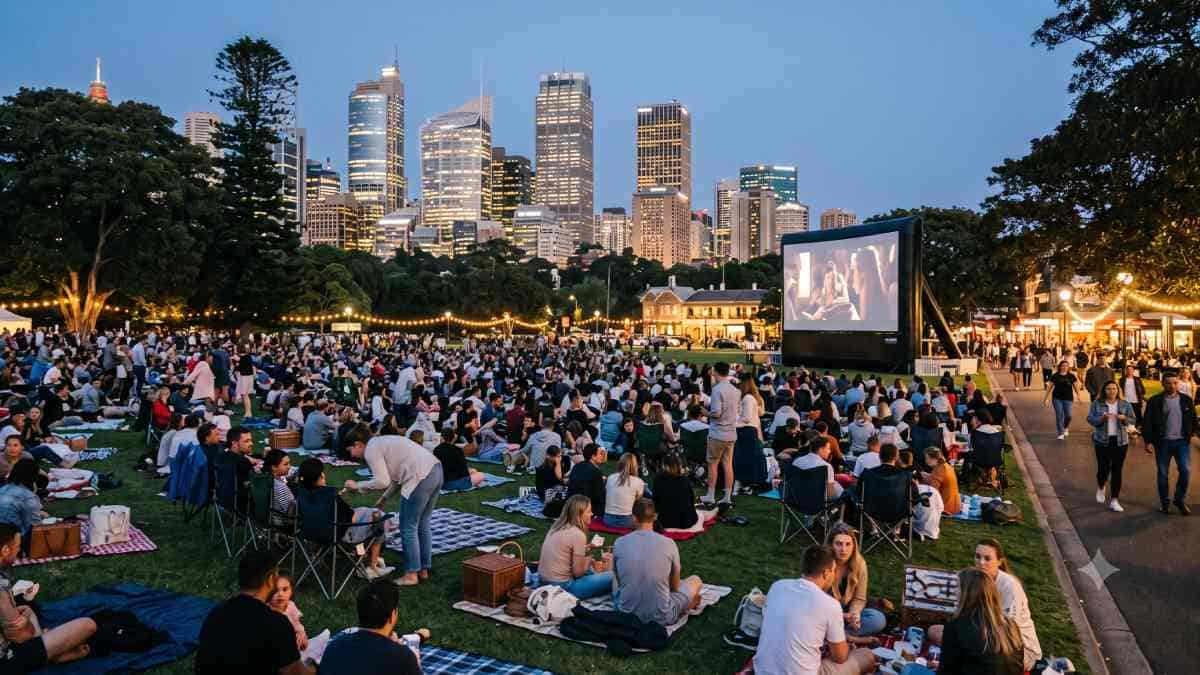
There is an emerging reconfiguration in terms of metropolitan governance of tourism as the established models for attracting tourists are being consciously adjusted by leading world cities. Whereas the traditional destination marketing considered free civic arts as subsidised municipal entertainment, the progressive policies are using creative programs consciously to attract commercially productive capital. Day trip tourists are transformed into highly profitable hotel guests by metropolitan municipalities through the conscious re-scheduling of the key cultural landmarks during weekends. The state support to arts is linked with commercial expenditure in cities through this re-scheduling process, generating significant economic effects through the dining, transportation, and hospitality sectors.
The Structural Evolution of Free Cultural Programming in Gateway Cities
For several decades, an artificial separation between municipal cultural investments and commercial tourism marketing was maintained by metropolitan economic development strategies. Major sporting fixtures, commercial exhibitions, and ticketed international arena performances were historically designated as the principal drivers of overnight leisure visitation. Conversely, free public arts festivals, open-air cinematic screenings, and civic celebrations were primarily treated as domestic amenity provisions, funded through local council rates or small departmental community grants to service immediate resident populations.
Advertisement
Advertisement
Under this legacy approach, major public cultural gatherings were predominantly scheduled on Sunday afternoons or public holidays. Municipal cost mitigation was heavily focused upon by the operational reasoning behind this convention: traffic congestion management was reduced, municipal overtime expenditures were minimized, and regional families seeking daytime leisure were catered to by Sunday programming. However, severe economic leakages were generated by this scheduling from an urban tourism economics perspective. Self-contained provisions were brought by attendees commuting from suburban fringes or regional centres, minimal food and beverage transactions were generated, and return journeys were completed prior to nightfall so that preparation for the standard Monday working week could take place.
The vulnerability of this fragmented model became acute during the post-pandemic recovery era. Persistent structural shifts within central business districts—characterized by widespread hybrid working arrangements, depressed midweek retail trading, and an escalating reliance on discretionary leisure spend—were faced by Tier-1 gateway cities. Simultaneously, prohibitive financial escalations associated with securing commercial mega-events through competitive bidding wars were confronted by public authorities. In response, the commercial value of civic cultural assets began to be re-evaluated by progressive destination marketing organisations.
Advertisement
Advertisement
It was recognized by urban tourism economists that deep public brand equity and mass participation are commanded by world-class, free civic cultural institutions and long-standing arts festivals. Despite tens of thousands of participants being drawn, their capacity to generate commercial hotel bookings had remained largely unexploited due to inefficient temporal placement. The development of cultural yield optimization—a strategic discipline wherein the temporal, spatial, and financial architecture of public events is re-engineered to maximize private commercial capture across the wider urban economy—was catalyzed by this realization. It was discovered by destination planners that the friction of day-tripper dispersion could be dismantled and high-yield, multi-night hospitality expenditure directly captured by realigning premier free arts programming to occupy prime Saturday night slots.
Microeconomic Dynamics of Cultural Yield Optimization and Dwell Time
The microeconomic mechanism underpinning this structural shift centers on the sharp expenditure divergence observed between domestic day excursionists and overnight visitors. The profound commercial disparity that exists between these two visitor segments across metropolitan regions is underscored by official empirical data compiled by Tourism Research Australia.
Advertisement
Advertisement
In New South Wales, record expenditure was generated by domestic day-trippers in the year to June 2026, driven by a growing public preference for shorter, frequent domestic excursions. Yet, per-capita spending remains intensely restricted among day-trippers. Across metropolitan Sydney, average domestic day-trip expenditure is allocated primarily to vehicle fuel, basic transit fares, and low-margin convenience dining.
In sharp contrast, a profoundly higher economic yield for the destination is represented by domestic overnight travellers. It is revealed by the National Visitor Survey and Domestic Tourism Statistics from Tourism Research Australia that broader financial interactions with the destination are maintained by domestic overnight travellers across multiple commercial categories, including commercial accommodation providers, licensed restaurants, late-night entertainment venues, and urban transit systems.
The single most impactful lever for destination value creation is represented by achieving overnight visitor conversion. A unique psychological advantage in unlocking this conversion is possessed by free public cultural events. Because admission to the core artistic presentation is completely free of charge, an immediate reduction in perceived trip expense is experienced by attendees. An unallocated household budget buffer is effectively created by the absence of an upfront commercial box-office charge. This surplus is routinely reallocated by visitors toward premium hospitality experiences, high-tier dining, and central accommodation bookings.
Through the deliberate implementation of cultural anchor tourism, this consumer psychology is leveraged by destination authorities. An emotional catalyst to justify a full weekend trip is provided to out-of-town visitors by anchoring the weekend around a globally celebrated, free cultural gathering. Direct admission revenue is effectively traded by the destination for high-margin, distributed spending across the broader commercial hospitality network.
Case Analysis: Tropfest’s Landmark Saturday Night Realignment at The Domain
A clear illustration of this strategic pivot emerged in October 2026, when the return of Tropfest to Sydney’s central public parkland, The Domain, scheduled for Saturday, 13 February 2027, was announced by the New South Wales Government together with the Tropfest Foundation.
Having been founded in 1993 in a Darlinghurst cafe, Tropfest was expanded over three decades into the world’s largest short film festival, serving as a talent incubator for Australian actors, writers, and directors. Following a seven-year hiatus, an initial return was staged in February 2026 at Centennial Park. When held on Sunday, 22 February 2026, as an open-air event running from midday to late evening, over 700 film submissions were attracted and tens of thousands of attendees were drawn to the parkland.
Advertisement
Advertisement
However, notable commercial limitations were highlighted by the Sunday operational model at Centennial Park. Rapid post-event crowd dispersion was produced by staging a major gathering in an outer parkland on a Sunday night. Event grounds were exited by attendees immediately following the final awards presentation to prepare for work the following morning, whereby late-night dining spillovers were dampened and minimal weekend accommodation demand was generated.
A multi-year funding commitment over three years was announced by the NSW Government to support Tropfest’s return to The Domain on Saturday, 13 February 2027, in recognition of the opportunity to align the festival with broader economic objectives. The fact that the festival will take place on a Saturday evening marks the first such occurrence in its 34-year history.
| Strategic Operational Parameter | Centennial Park Deployment (February 2026) | The Domain Historic Realignment (February 2027) |
| Scheduling Realignment | Sunday operational window (midday to late evening) | Saturday scheduling (afternoon into late evening) |
| Calendar Strategic Positioning | Standalone late-summer Sunday | Opening weekend of Sydney Mardi Gras Festival season |
| Spatial Urban Geography | Outer-urban parkland (Centennial Park / Moore Park precinct) | Core metropolitan parkland (The Domain, adjacent to CBD core) |
| Institutional State Funding | Project-specific transitional grants | Multi-year direct government funding agreement |
| Hotel Precinct Proximity | Distant from central hotel clusters; low walkability | Direct walking access to core CBD hotel inventory |
| Night-Time Economy Interface | Dispersed residential catchment; strict acoustic curfews | Seamless integration with Special Entertainment Precincts and CBD corridors |
| Primary Economic Objective | Local community foot traffic and civic participation | Cultural yield optimization and multi-night visitor hotel conversion |
A vital role in this economic strategy is played by the physical geography of The Domain. Easy pedestrian flow between open-air event spaces and commercial hospitality infrastructure is enabled by The Domain, situated directly alongside the Art Gallery of New South Wales, the Royal Botanic Garden, and the central downtown hotel corridor. Next-day work constraints are removed by shifting the festival to a Saturday night, whereby overnight stays and participation in the city’s evening economy are encouraged among regional and interstate audiences.
The institutional rationale behind this investment was underlined during the announcement at The Domain by NSW Premier Chris Minns, who stated that Tropfest was an Australian cultural institution and a launchpad for filmmakers for more than three decades. It was noted by the Premier that the festival was one of the drawcard free events during the summer, that its return to The Domain was proudly supported by the Government, and that backing was being provided to support local creative talent and showcase New South Wales to the world.
This economic perspective was supported by Minister for Jobs and Tourism Steve Kamper, who stated that Tropfest was one of Sydney’s most iconic cultural events and that its status as a major drawcard for visitors was ensured by this investment while another great free event was provided for Sydneysiders each summer. It was remarked by the Minister that strong demand for Tropfest’s return was demonstrated by the large crowd attracted to Centennial Park, that excitement was felt regarding its return to The Domain, and that Sydney’s reputation as a vibrant, world-class destination would continue to be grown through locked-in three-year support while audiences were attracted from across New South Wales and beyond.
The Mechanics of the Saturday-Night Hotel Conversion Multiplier
Booking behavior in urban destination planning is largely dictated by the day of the week on which an event is scheduled. Immediate travel friction is faced by out-of-town attendees when an open-air cultural festival concludes late on a Sunday night: leave from work on Monday morning is required if an overnight hotel stay is booked, whereas late-night driving or public transit is required if a return home is undertaken. Consequently, same-day return travel is chosen by the vast majority of visitors, leaving Sunday night hotel occupancy across metropolitan centers subdued.
Advertisement
Advertisement
Conversely, weekend travel habits are naturally aligned with when the same cultural event is scheduled on a Saturday evening. The pressure of work the following morning is removed when an open-air film program concludes late on Saturday night, encouraging overnight accommodation to be secured rather than late-night transit being navigated.
This dynamic underpins the 48-Hour Weekend Stacking Model, an operational phenomenon observed across major metropolitan hotel markets. A single Saturday night is rarely booked in isolation when premier Saturday cultural events are attended by out-of-town visitors from regional hubs—such as Newcastle, Wollongong, and the Hunter Valley—or interstate travelers from Melbourne and Brisbane. Afternoon festival programming and transit schedules conflict with standard afternoon hotel check-in times. Leisure time is maximized by visitors who frequently arrive on Friday afternoon or evening, dine in central entertainment precincts, attend the Saturday festival, and explore urban retail and dining corridors on Sunday prior to departure.
Hotel yield management is substantially altered and RevPAR uplift (Revenue Per Available Room) is driven by this extended stay. Saturday is demonstrated by City of Sydney economic data to be the highest consumer spend day of the week for retail and hospitality spending. Robust occupancy levels and Average Daily Rate premiums above mid-week levels are commanded across Central Sydney properties on major event weekends.
High-yield leisure demand is reinforced without corporate weekday travel being displaced when major free cultural anchors are positioned on Saturday nights by tourism authorities. A dependable demand signal is provided by the festival, enabling minimum two-night length-of-stay restrictions to be implemented by revenue managers, weekend rate structures to be stabilized, and high-margin commercial bookings to be captured across the metropolitan accommodation market.
Creative Incubators and Talent Pipelines as Tourism Infrastructure
An important evolution in public cultural finance is represented by the operational integration of artistic programming into destination marketing frameworks. Traditionally, government arts grants and commercial tourism promotion were administered through separate bureaucratic channels. Subsidies were awarded by cultural agencies to foster artistic expression, with success being evaluated on audience diversity, artist employment, and peer review. Simultaneously, significant budgets were spent by destination marketing authorities in acquiring commercial sporting rights or running external brand campaigns.
Under the Minns Labor Government, this framework was consolidated through the establishment of the Department of Creative Industries, Tourism, Hospitality and Sport (DCITHS). The state’s 10-year policy strategy, Creative Communities, is implemented by this integrated portfolio structure, wherein creative industries are explicitly treated as foundational economic infrastructure supporting the broader visitor economy.
Advertisement
Advertisement
Addressing the nation’s creative trade deficit is a primary focus of the Creative Communities policy. It is highlighted by official state assessments that international cultural content is consumed far more rapidly by Australia than domestic creative work is exported. A dual purpose is served by public funding for creative incubators—including the Tropfest CommBank Emerging Filmmakers Fund and the Roughcut professional development masterclasses: emerging creative talent is nurtured while destination brand identity is projected to global audiences.
This interconnected policy approach was emphasized by Acting Minister for the Arts Jenny Aitchison, who stated that the careers of many Australian filmmakers, writers, and actors had been launched by Tropfest and that a notable contribution was made by the festival to the state’s creative industries and visitor economy. It was observed by the Acting Minister that what was possible through continued investment in great public events and cultural experiences—which brought communities together and helped creative industries thrive—was shown by the return of Tropfest.
Minister for the Arts John Graham similarly highlighted how the state’s international profile is enhanced by domestic talent development, stating that amazing news was represented for filmmakers and for Sydney. It was remarked by the Minister that the world was reminded by Tropfest that New South Wales was Australia’s screen industry powerhouse and home to incredible storytellers. Tropfest was described by the Minister as a hotbed for local filmmaking talent that had catapulted the careers of many actors, writers, and directors, and great excitement was expressed regarding its return to action.
Soft power and authentic cultural appeal are projected by the destination when emerging cinematic talent is provided with a premier, globally livestreamed platform. Rather than reliance being placed on generic tourism marketing campaigns, an active cultural incubator is presented by the city. Culturally engaged domestic and international visitors who prioritize authentic, place-based experiences over standard commercial attractions are attracted by this creative environment.
The Night-Time Economy Spillover and Spatial Urban Integration
Substantial support to the urban night-time economy is provided by Saturday-night cultural anchors, with economic benefits extending well beyond hotel room nights. How after-dark activity contributes to metropolitan economic output is demonstrated by comprehensive data published by the NSW Office of the 24-Hour Economy Commissioner.
According to the NSW Government’s State of the Night report, extensive economic value across New South Wales is generated by the night-time economy, with tens of thousands of businesses supported and a substantial portion of the state workforce employed between the evening and early morning hours. In-person night-time spending accounts for a significant share of overall state expenditure.
Advertisement
Advertisement
It is noted in the State of the Night report that robust expansion has been recorded within the cinema and screen category alongside increased museum and heritage engagement across New South Wales, even while discretionary pressures affected broader spending. Simultaneously, late-night public transport journeys grew considerably across the network.
The decision to reposition Tropfest at The Domain is supported by these figures. A strong willingness to engage with communal screen experiences is shown by consumers, even amid broader spending caution. This preference is met by free cultural events through the provision of accessible entertainment that naturally leads into post-event dining and hospitality spending.
This commercial spillover is driven particularly effectively by the urban layout surrounding The Domain. Because The Domain is positioned directly between the cultural precinct and the commercial center, audiences exiting Saturday-night screenings flow naturally into Macquarie Street, Circular Quay, and downtown entertainment venues. Nearby Special Entertainment Precincts established under the NSW Vibrancy Reforms—wherein trading and acoustic rules were eased to support late-night activity—benefit directly from this foot traffic.
The role of integrated night reporting in guiding precinct policy was highlighted by NSW 24-Hour Economy Commissioner Michael Rodrigues, who stated that the story of the night could now be told with clarity through the State of the Night report alongside quarterly reporting, allowing progress to be tracked, recovery to be celebrated, and new opportunities to strengthen participation and vibrancy at night to be identified.
How public spaces support broader city life was underscored by Minister for Planning and Public Spaces Paul Scully, who observed that proof was provided by Tropfest’s return that opportunities were created for artists, audiences, and the city itself when great public spaces were maintained and a willingness to see fun return to the city was embraced. It was affirmed by the Minister that invaluable benefits were delivered not only to Sydney but to all parts of the state by having great public spaces where people could gather, play, and enjoy iconic events like Tropfest.
Active foot traffic is maintained well beyond the conclusion of the formal program when open-air public spaces are connected with adjacent hospitality districts during Saturday-night events.
Advertisement
Advertisement
Policy Implications and Governance Models for Tourism Authorities
Valuable insights for municipal governance and tourism management are offered by the use of free cultural anchors to drive private hospitality spending. With public budgets facing ongoing scrutiny, it must be ensured by tourism authorities that measurable economic returns across the urban economy are generated by civic investments.
Three key structural areas must be addressed by destination authorities to adapt this model effectively:
Unified Portfolio Governance
Economic impact is often hindered by traditional administrative divisions between arts funding bodies and tourism marketing agencies. When independent operation is maintained by these departments, cultural programming and tourism promotion risk working at cross-purposes. A useful framework for inter-agency coordination is offered by the consolidated structure adopted by DCITHS, wherein arts, screen, tourism, hospitality, and regulatory oversight are brought together. Public grants are allowed by this alignment to be evaluated both on artistic contribution and on their ability to drive hotel occupancy and evening precinct spending.
Shift from Attendance Numbers to Commercial Yield
An incomplete assessment of economic value is provided when public events are evaluated solely by total crowd size. Limited commercial spending for surrounding hospitality businesses is often produced by large gatherings of local day-trippers. Conversely, substantial returns across the accommodation and hospitality sectors are generated by an event that draws a targeted regional and interstate audience and converts a meaningful share into overnight visitors. Metrics such as RevPAR growth, hotel length of stay, and evening dining activity should be incorporated into tourism evaluation frameworks alongside overall attendance figures.
Modernizing Night-Time Regulations and Land-Use Rules
Modern and flexible regulatory frameworks are required when major public events are staged on Saturday evenings. The commercial activity that naturally follows major civic events can be restricted by overly strict noise regulations and outdated licensing rules. How local hospitality venues can be safely enabled to accommodate event audiences late into the evening is demonstrated by initiatives like the NSW Vibrancy Reforms through tailored regulatory adjustments, such as designated entertainment precincts and simplified outdoor licenses.
Future Outlook and Strategic Scalability for Metropolitan Destinations
The need to optimize public assets and encourage sustainable urban tourism will continue to grow as cities look toward the 2030s. Steady increases in staging costs alongside shifting patterns in business and leisure travel are faced by major gateway cities. An efficient, sustainable method to drive leisure travel without exclusive reliance on expensive mega-event acquisitions is provided by repositioning free, high-profile cultural anchors to Saturday evenings.
Advertisement
Advertisement
An important reference point for destination planners is offered by Tropfest’s move to The Domain as February 2027 and the next milestones under the NSW Visitor Economy Strategy 2035 approach. A dense weekend program is created by its placement alongside the opening weekend of the Sydney Mardi Gras Festival, illustrating how citywide travel demand can be reinforced by complementary events.
At the same time, careful operational planning is required when scaling this approach:
- Acoustic Management in Mixed-Use Precincts: Modern audio engineering and ongoing perimeter monitoring are required to manage sound levels between open-air event spaces and nearby residential areas.
- Weather and Climate Planning: Clear contingency strategies and flexible venue setups are required because outdoor parkland events remain exposed to summer heat and storm activity.
- Managing Accommodation Capacity: Mid-tier hotels and transport corridors must be promoted by destination marketing to avoid excessive rate compression during peak weekends when central hotel occupancy is elevated.
Ultimately, it is illustrated by the repositioning of free arts and film festivals into prime Saturday-night anchors that passive advertising can be moved beyond by destination marketing. Sustained economic returns and lasting urban vibrancy can be generated by forward-looking cities through the recognition of creative culture as vital civic infrastructure and the alignment of public programming with commercial hospitality demand.
A structural innovation in contemporary destination economics occurs due to the institutional reorientation of free cultural festivals for the general public. Commercial value that has never been seen before out of civic resources is achieved by major metropolises via the rejection of traditional Sunday timeslots and inclusion of public creativity activation in Saturday evening time slots. The suburban guests who come there for a few hours become profitable overnight commercial tourists due to the change, thus boosting central business districts in their expenses on hospitality, restaurants, and transport. In the context of increasing importance of creative subsidies for municipalities and states as economic infrastructure, the hotel industry at weekends in major global urban gateways will be forever changed due to this.
Advertisement
