
Maryland Blackwater Autumn Wildlife Turns Chesapeake Wetland Into a Birdwatcher Destination
Published
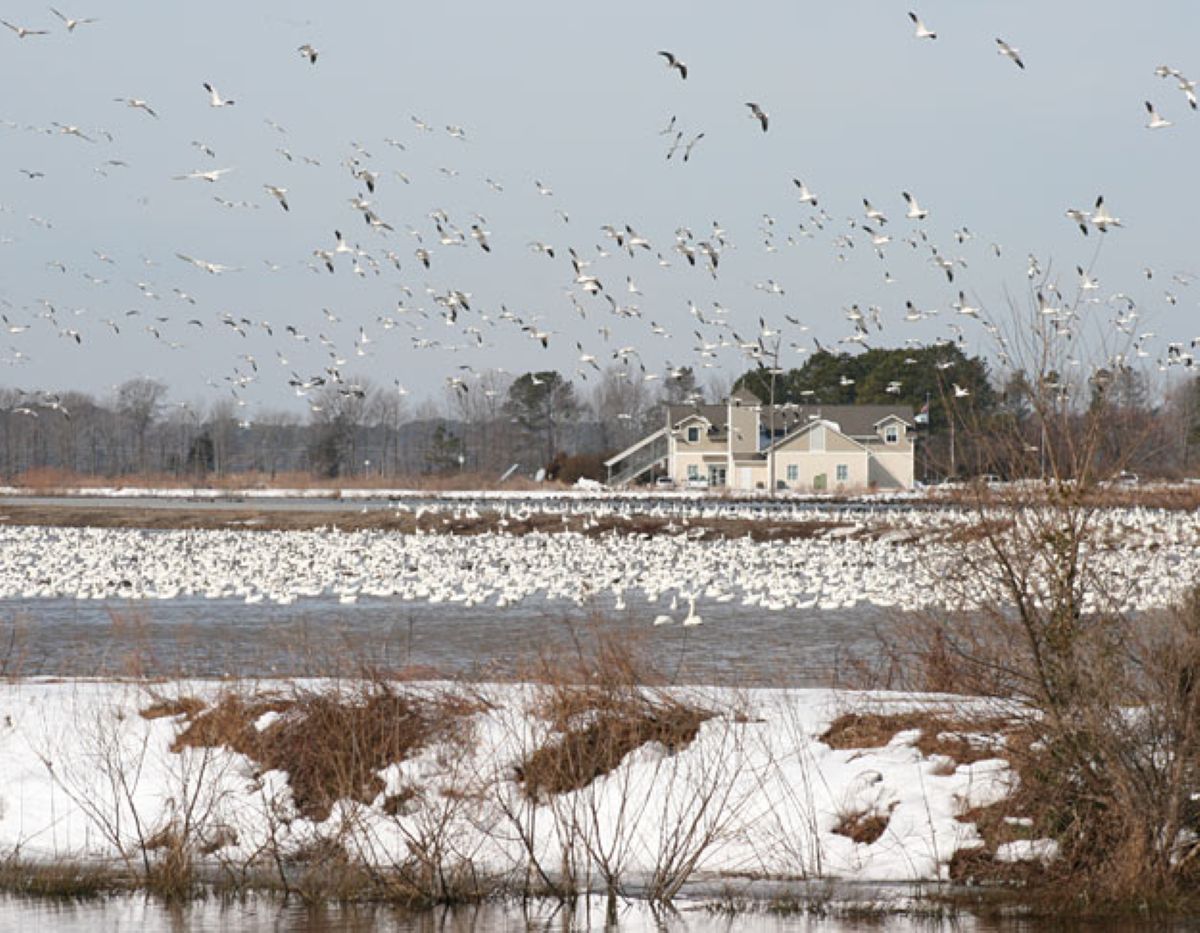
Image Credit: friendsofblackwater
In autumn, Maryland’s Blackwater National Wildlife Refuge becomes a place of movement. Birds arrive from the north. Geese call over the marsh. Ducks gather on the water. Eagles circle above the trees. The flat Chesapeake landscape may look quiet at first. But it is full of life.
Blackwater sits about 12 miles south of Cambridge on Maryland’s Eastern Shore. It was created in 1933 as a safe place for migratory birds travelling along the Atlantic Flyway. Today, it gives travellers a close view of one of North America’s great seasonal wildlife journeys.
This is why Blackwater becomes special in autumn. It is not simply a place to walk outside. It is a living stopover for birds on a long migration route. For birdwatchers, photographers and families, that makes the wetland a strong travel destination.
A Vast Wetland With a Big Wildlife Role
Blackwater National Wildlife Refuge covers more than 33,000 acres. It has tidal marshes, shallow water, forests and managed freshwater wetlands. These different habitats provide food, shelter and resting places for many species.
The refuge contains about one-third of Maryland’s tidal wetlands. That makes it important not only for visitors but also for the health of the Chesapeake region. Wetlands help wildlife feed and rest. They also create a landscape that changes with the seasons, tides and weather.
Blackwater is one of the key wintering areas for Canada geese using the Atlantic Flyway. It is also an important resting and feeding place for migrating waterfowl. When northern areas become colder, many birds move south to find open water and food.
Visitors see the result of this natural movement. A marsh that felt calm in summer can become louder and more active in autumn. The wildlife is not staged. It arrives because the refuge provides the habitat it needs.
Mid-October Opens the Best Waterfowl Season
The best waterfowl viewing period at Blackwater runs from mid-October to mid-March. This gives autumn travellers a long window, but the experience changes as the weather turns colder.
In October, blackbirds are among the last songbirds moving through the refuge. Duck and goose numbers begin to rise. The exact number of birds depends on conditions farther north. A sudden cold spell can push more waterfowl towards Maryland.
Visitors may see Canada geese, snow geese and tundra swans. More than 20 duck species use the refuge in the wider autumn and winter season. Common birds include mallards, black ducks, blue-winged teal, green-winged teal, wigeon and pintails.
Tundra swans usually arrive in early November after travelling from north-west Canada. Their white bodies and long necks stand out against the darker marsh and water. Snow geese often become a bigger spectacle later in autumn and winter, especially when colder weather reaches the north.
This is what makes Blackwater exciting for repeat visitors. There is no single fixed wildlife show. The season unfolds slowly. Each week can bring new birds, different weather and a new view of the marsh.
Advertisement
Advertisement
Eagles Deer and Rare Wildlife Add to the Autumn Draw
Blackwater is famous for more than waterfowl. It supports one of the highest concentrations of nesting bald eagles on the Atlantic coast. In autumn and winter, eagle numbers increase as migrants arrive from the north.
Bald eagles can be seen throughout the year. Yet cooler months provide an especially strong chance of seeing them over the marshes and waterways. They may be flying, resting in trees or searching for food near the water.
Visitors should also look for white-tailed deer and sika deer. Both breed from October to December. Sika deer are smaller than white-tailed deer and are known for their distinctive calls. Seeing one in the marsh landscape can feel like a real wildlife discovery.
The refuge also protects the Delmarva Peninsula fox squirrel. This large, grey squirrel was once endangered. Blackwater now holds the largest remaining natural population. Its presence shows why habitat protection matters. A birdwatching trip here can also become a lesson in wider conservation.
The Wildlife Drive Makes Nature More Accessible
The four-mile Wildlife Drive is one of the simplest ways to explore Blackwater. Visitors can drive, cycle or walk along the paved route. Pull-offs allow people to stop safely and look across the marsh.
The drive includes observation areas, trails and a photo blind. It is useful for serious birdwatchers carrying long lenses. It is also good for families who want to enjoy wildlife without a long hike.
The visitor centre has refuge exhibits, an observation area and information on wildlife. Outdoor public areas are open every day from dawn to dusk. The visitor centre operates from Tuesday to Sunday, although travellers should check current hours before setting out.
Visitors must stay in designated public areas. Wildlife needs space. People should use pull-offs, avoid blocking roads and never approach birds or deer too closely. Quiet observation gives everyone a better experience and protects the animals.
Some parts of the Wildlife Drive may close during autumn and winter deer management activity. In 2026, major closures are scheduled for 22 and 23 October. This is an important planning point for anyone building an October itinerary.
Cambridge Adds Heritage to the Wildlife Journey
Cambridge is the natural base for a Blackwater trip. The town gives visitors accommodation, restaurants and a gateway to the Eastern Shore. It can turn a few hours of birdwatching into a full weekend break.
Blackwater also sits close to the Harriet Tubman Underground Railroad Visitor Center. The refuge landscape is deeply connected to the wider history of Dorchester County. Visitors can combine nature with heritage and better understand the waterways, woods and marshes that shaped the area.
This pairing makes the destination more powerful. One part of the trip explains the living Chesapeake landscape. The other explains the human stories connected to that landscape.
Blackwater shows that autumn travel does not need crowds, bright lights or large buildings. A wetland can become the main attraction. In October, the call of geese, the sight of an eagle and the changing marsh light create a travel experience that feels calm, dramatic and completely real.
Advertisement
Advertisement
Advertisement
