
Maryland Renaissance Festival Turns October Into a Powerful Tourism Economy

Published
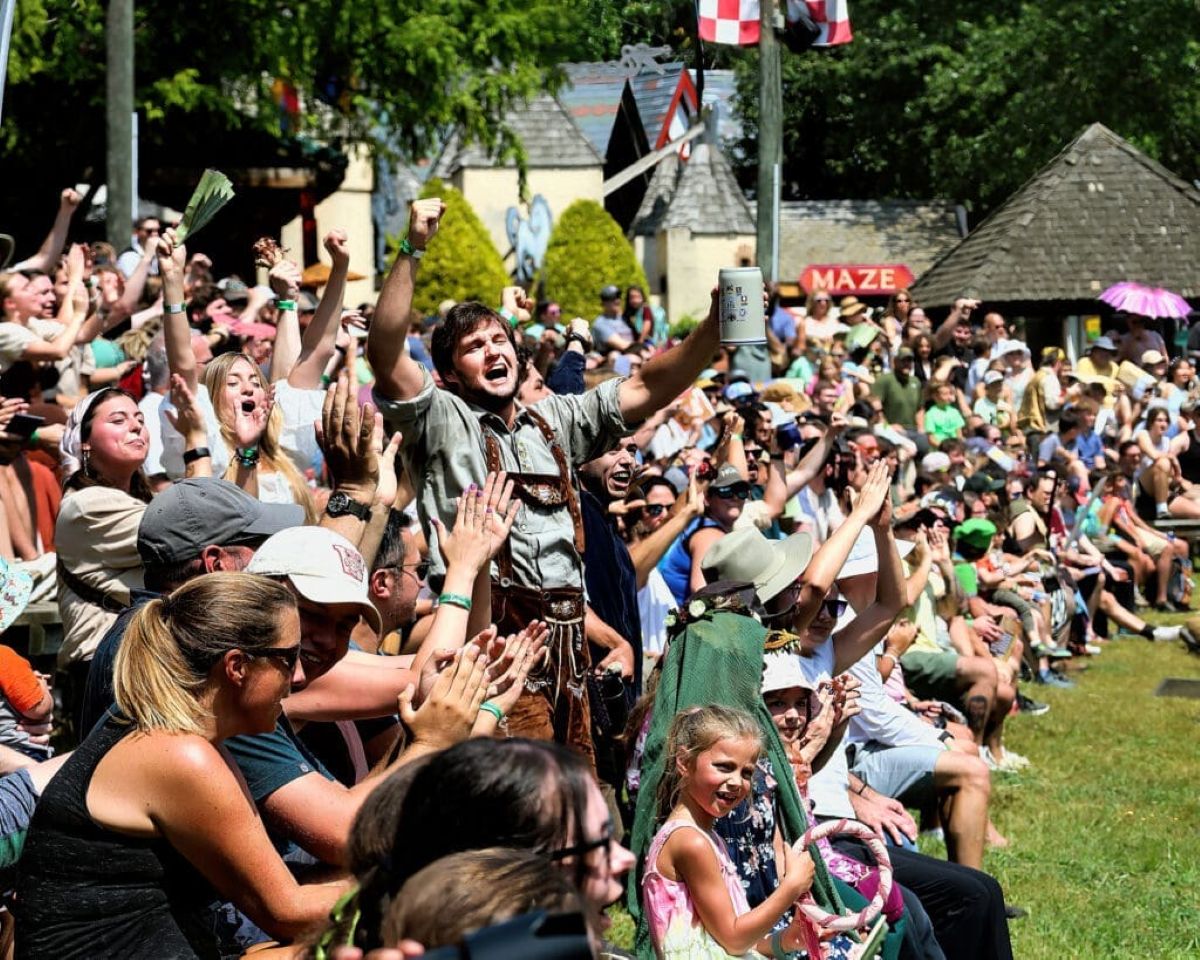
Image Credit: rennfest
Every autumn, a quiet wooded corner of Maryland changes its rhythm. Crownsville becomes Revel Grove. Modern life gives way to a lively 16th-century village. Costumes, music, jousting, food, crafts and storytelling draw visitors from across the region. The Maryland Renaissance Festival does more than offer a fun day out. It creates a strong October travel season for Annapolis and Anne Arundel County.
The festival runs from late August to late October. In 2026, its final four weekends fall fully in October. This timing matters. Families, couples and friendship groups are already looking for autumn breaks. The event gives them one clear reason to plan a trip. It turns a normal weekend into a booked experience.
Advertisement
Advertisement
October Gives Visitors a Reason to Plan Ahead
The Maryland Renaissance Festival is held at Revel Grove in Crownsville, near Annapolis. It is a 27-acre village built around a Tudor-era theme. Visitors enter a world of royal courts, colourful costumes, games, live music and comic acts.
The 2026 season marks the festival’s 50th year. It runs on Saturdays and Sundays until 25 October. There are more than 200 performers across ten stages. Jousting, street theatre, craft stalls and tavern entertainment are included in the festival experience.
October is the busiest point of the autumn travel calendar. Cool weather makes outdoor events more comfortable. Trees begin to change colour. Families look for school-holiday activities. Adults plan day trips with friends. The festival brings these groups into one destination at the same time.
The event uses date-specific tickets. Tickets are sold online, and popular days can sell out. This changes how people travel. Visitors cannot simply arrive and hope to enter. They need to choose a date, buy early and plan the rest of their weekend. That creates a more organised form of visitor demand.
A Festival Day Can Become an Annapolis Weekend
Crownsville is close to Annapolis. This gives the festival a wider tourism role. Visitors can spend the day at Revel Grove, then stay in Annapolis. They can explore the waterfront, historic streets, restaurants and shops. Some may also visit museums, take a harbour cruise or enjoy Chesapeake Bay food.
This is important for hotels and local businesses. A large event can bring people into an area. But the bigger economic value comes when visitors stay longer, eat locally and spend beyond the festival gates.
The local tourism body presents the festival as part of a wider getaway. This is a sensible travel message. A family can combine the festival with a hotel stay. A group of friends can turn it into a food and nightlife break. A couple can mix autumn scenery with a historic city visit.
Maryland’s visitor economy is already large. Visitors spent US$21.2 billion across the state in 2024. Food and drink was one of the fastest-growing spending areas. Lodging also grew. These figures do not measure the festival alone. Yet they show why big seasonal events matter. They support the businesses that serve travellers before, during and after an attraction visit.
Advertisement
Advertisement
Food and Drink Turn Theatre Into Spending
The festival experience is built around more than performances. Food is a major part of the day. Visitors eat roast turkey legs, pastries, scotch eggs and other themed dishes. They can also buy mead and other drinks.
This creates a form of spending that is both practical and emotional. People do not just buy lunch. They buy part of the story. A drink in a tavern or a shared meal after a joust becomes part of the memory of the trip.
October also adds harvest-season appeal. Revel Grove uses seasonal decorations and autumn performances under its Harvest Hollow theme. The change gives repeat visitors a fresh reason to return. It also lets first-time travellers pair the festival with the broader seasonal mood of Maryland.
The festival advises people to carry cash because some vendors and drinks sales may not accept cards. This is a small but useful travel detail. It shows how a themed event has its own local economy inside the gates, from food counters to artisans and entertainers.
Handmade Crafts Keep Money Moving Through Small Businesses
The festival includes handmade goods sold by craftspeople. Visitors may buy clothing, jewellery, home items, artwork and themed keepsakes. These purchases give the festival a role beyond entertainment.
A major theme-park visit can sometimes feel the same everywhere. A renaissance festival feels more personal. Guests meet makers. They see goods being displayed in a themed village. This makes the shopping experience part of the attraction.
For small traders, autumn weekends can mean steady customer traffic. For travellers, buying a handmade item gives the trip a longer life. The festival becomes something they remember after returning home.
This is one reason October creates a different kind of tourism economy. Spending is spread across tickets, food, drink, crafts, hotels, transport and nearby attractions. The visitor is not only watching a show. The visitor is taking part in a temporary world.
What Travellers Should Know Before Visiting
The best advice is simple. Book early. Popular dates can sell out. Tickets are not sold at the gate. Visitors should use the official ticket route and avoid unauthorised resale listings.
Plan for a full day. There are many performances, food stalls, shops and activities. Comfortable walking shoes are important. Autumn weather can change quickly, so layers and a light waterproof jacket are useful.
Visitors should also decide whether they want a day trip or an overnight stay. An Annapolis hotel can make the experience more relaxed. It also allows more time for the city after the festival.
The Maryland Renaissance Festival proves that autumn tourism does not depend only on leaves and cooler weather. A strong event can create a reason to travel. It can turn a weekend into a planned holiday. In October, Revel Grove becomes more than a stage. It becomes a powerful engine for Maryland visitor spending, local discovery and seasonal travel excitement.
Advertisement
