
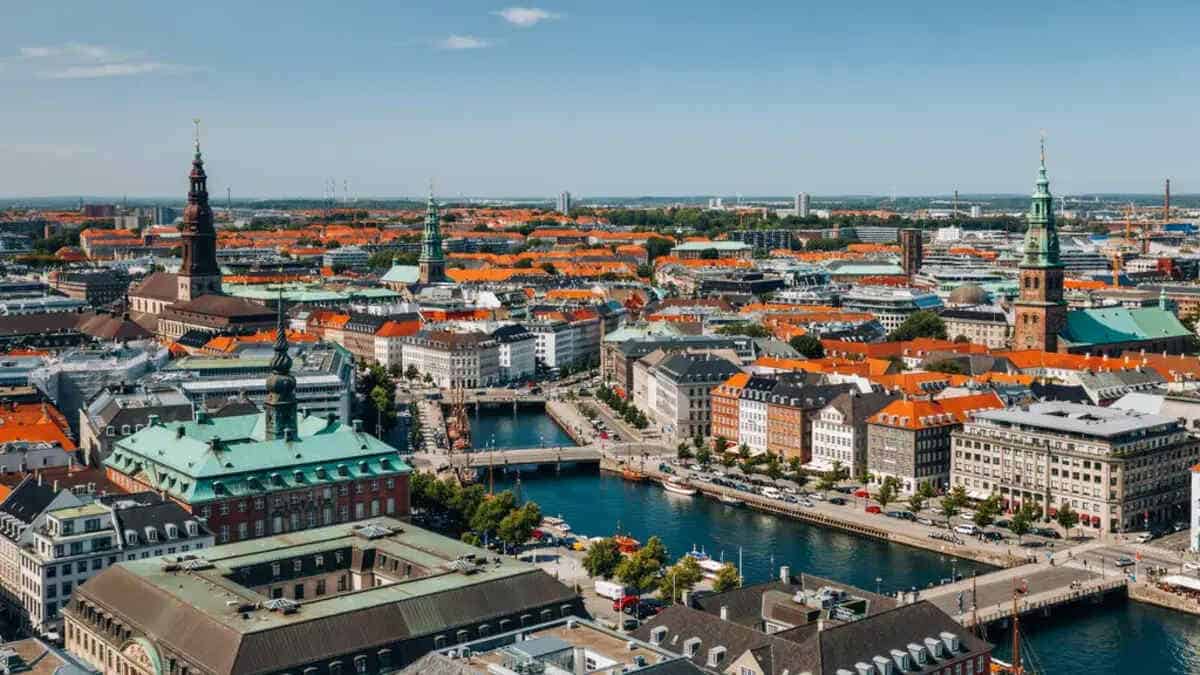
Image generated with Ai
Sweden and Italy are set to lead Denmark’s tourism growth as the country’s overseas visits rise to a new peak in 2026. As the number of overnight stays hits a record high in Denmark in the first half of 2026, visitors from abroad continue to dominate the surge in international travel. With 26.1 million – including 2.2% more overnight stays in Denmark in the first half of 2026 compared with the same period last year, it was up 4% for visitors from abroad, while domestic visits were up a more modest 0.5%.
The latest performance highlights a major shift in Denmark’s tourism landscape. Instead of depending heavily on the traditional July and August summer season, the destination is attracting visitors across more months of the year. This change is strengthening hotels, attractions, restaurants and regional tourism businesses during periods that were previously quieter.
Advertisement
With international markets expanding and new visitor groups discovering Danish cities, coastal landscapes and cultural experiences, Denmark is positioning itself as a year-round European destination. The rise is being powered by strong performances from Sweden, Italy, the United States, Turkey, China and several other important source markets.
Denmark’s latest tourism figures demonstrate that foreign visitors are now playing the leading role in strengthening the country’s visitor economy. During January to June 2026, international travellers accounted for more than half of all overnight stays, with 13.2 million nights recorded from overseas visitors.
Advertisement
Advertisement
The increase in international demand has helped Denmark reduce its dependence on peak-season travel. Traditionally, the country experiences its highest tourism activity during the summer months, when visitors arrive for coastal holidays, outdoor activities and city breaks.
However, the latest growth pattern shows that travellers are increasingly choosing Denmark for spring, autumn and early-year experiences. This development supports a more balanced tourism model, allowing businesses to maintain employment and revenue for a longer period.
Hotels have been among the strongest beneficiaries of this growth, with international city-break demand supporting accommodation performance. Copenhagen, Aarhus, Odense and other urban destinations have continued attracting travellers seeking culture, architecture, gastronomy and Nordic lifestyle experiences.
The rise of Swedish visitors highlights the importance of regional Nordic connectivity. Denmark benefits from its close geographical relationship with Sweden through road, rail and ferry connections, making it an attractive destination for short breaks and frequent leisure trips.
Advertisement
Advertisement
Swedish travellers are increasingly exploring Denmark beyond Copenhagen, with interest spreading towards coastal areas, cultural destinations and nature-based attractions.
The growth also reflects a wider Nordic travel trend, where visitors are seeking authentic experiences, sustainable tourism options and destinations that combine urban attractions with easy access to nature.
Copenhagen remains a major attraction for Swedish visitors because of its design reputation, culinary scene, historic neighbourhoods and cycling culture. At the same time, destinations across Denmark are benefiting from increased demand for slower-paced travel experiences.
Italian travellers are showing stronger interest in Nordic experiences, moving beyond traditional Mediterranean holiday patterns and exploring destinations known for culture, architecture and lifestyle.
Denmark’s appeal among Italian visitors has been strengthened by:
The growth from Italy reflects a broader European travel shift, where visitors are increasingly searching for cooler destinations, authentic local experiences and year-round city escapes.
Denmark’s combination of modern cities, historic heritage and natural landscapes is helping it compete more strongly within Europe’s changing tourism market.
US visitors are increasingly attracted to Denmark’s reputation as a premium European destination offering culture, safety, sustainability and distinctive experiences.
American travellers are particularly drawn towards:
Improved international connectivity and growing interest in Scandinavian destinations have helped strengthen Denmark’s position among long-haul travellers.
The United States market is especially valuable because long-haul visitors often stay longer and contribute strongly to tourism spending through accommodation, dining, shopping and attractions.
Although Turkey remains smaller compared with Denmark’s largest European source markets, the sharp increase highlights expanding awareness of Denmark among Turkish travellers.
The growth is being supported by increasing interest in European cultural travel, business connections and international city breaks.
Turkish visitors are increasingly exploring destinations beyond traditional European hotspots, creating new opportunities for countries such as Denmark to diversify their tourism markets.
This rapid expansion demonstrates Denmark’s ability to attract emerging visitor groups while strengthening its position as a global destination.
China remains strategically important for Denmark because Chinese travellers often contribute significant tourism spending through longer stays, cultural activities and premium experiences.
The renewed growth reflects increasing international mobility and stronger demand for European travel.
Denmark’s appeal among Chinese visitors is linked to:
As Asian tourism continues recovering, Denmark is positioned to capture a larger share of international travel flows.
Several European markets also delivered steady growth:
These markets provide important stability because they combine geographical accessibility with consistent travel demand.
Dutch and Norwegian visitors, in particular, are valuable for Denmark’s regional tourism areas because many travellers explore beyond major cities.
While most priority markets recorded growth, France experienced a decline.
The decline pushed France behind Italy among Denmark’s leading inbound markets.
The weaker performance highlights the need for renewed destination promotion aimed at French travellers, particularly around:
France remains an important European market, and future campaigns could help restore growth by highlighting Denmark’s unique travel experiences.
Denmark’s 2026 tourism performance shows a transformation from a summer-focused destination into a more balanced international travel market. The growth of overseas visitors is helping spread tourism activity throughout the year while creating stronger economic opportunities across cities and rural regions.
The country’s strategy is increasingly focused on attracting travellers who value sustainability, culture, nature and authentic experiences.
Sweden, Italy, the United States, Turkey and China are among the markets strengthening Denmark’s international position, while neighbouring European countries continue providing stable visitor demand.
Although June recorded a temporary decline of 3.2% compared with June 2025, the first-half performance remained positive, confirming continued resilience in Denmark’s tourism sector.
Sweden, Italy and other countries are helping to drive Denmark’s tourism boom, as overnight stays by foreign visitors jumped 4 percent in the first quarter of 2016, and demand from European countries, the United States, Turkey and China helps drive the growth.
Driven by both international visitors and new domestic demand, Denmark is set to become one of Europe’s first truly balanced tourist destinations, in terms of spreading out visits more evenly throughout the year.
Advertisement
Tags: Denmark tourism growth, Europe travel demand, international tourism trends, Sweden travel market
Advertisement
Advertisement













Saturday, September 5, 2026

Saturday, September 5, 2026

Saturday, September 5, 2026

Saturday, September 5, 2026
Saturday, September 5, 2026

Thursday, September 3, 2026

Saturday, September 5, 2026

Saturday, September 5, 2026



