
Netherlands Pushes The Tourism Industry To The Edge With A Reckless VAT Hike That Could Trigger An Unprecedented Crisis

Published
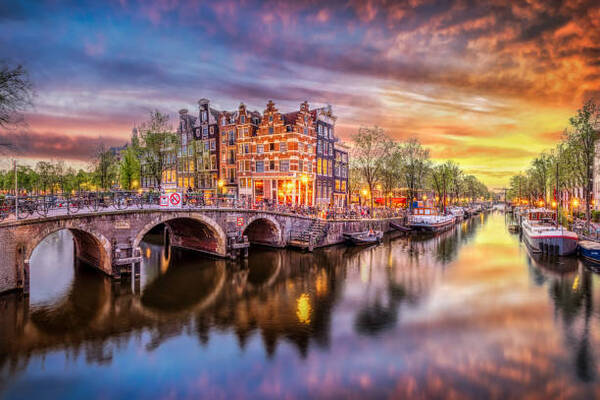 Image generated with Ai
The Netherlands is set to implement a controversial VAT hike on hotels and holiday parks, raising the tax from 9% to 21% starting in January 2026. While the government expects this move to generate an additional €1.2 billion annually, economists and tourism experts warn that the increase could severely harm the country’s tourism industry. The hike may drive away both international and domestic tourists seeking more affordable alternatives, leading to a potential economic crisis. With neighboring countries offering lower VAT rates, the Netherlands risks losing its competitive edge in the global travel market, resulting in job losses and a downturn in local economies reliant on tourism.
The Netherlands is gearing up for a significant policy change that could have far-reaching consequences for its tourism sector. In January 2026, the government plans to raise the value-added tax (VAT) on hotels and holiday parks from a relatively modest 9% to a staggering 21%. While the aim is to boost government revenues by €1.2 billion annually, many economists are sounding the alarm, warning that this increase could backfire and harm the Dutch tourism industry, potentially costing jobs and even reducing overall government tax revenues.
Advertisement
Advertisement
A Calculated Gamble on VAT
The Dutch government’s logic behind this policy is straightforward: increase the VAT on all accommodation services—including hotels, hostels, and holiday parks—to 21%, and reap the rewards of an additional €1.2 billion per year. Of this, €910 million is expected to come from hotel stays, while €302 million would be generated from other types of overnight accommodations. However, a deeper analysis by ABN AMRO, one of the Netherlands’ leading banks, casts doubt on these optimistic projections. According to their research, based on data from the Central Bureau of Statistics (CBS), only a third of hotel revenue will be subject to the increased VAT rate. The majority of hotel income comes from business clients who can reclaim VAT, and extra spending, such as meals, is often excluded from the VAT increase. As a result, the government may see only a fraction of the projected tax boost, with estimates suggesting a more modest €285 million, assuming hotels do not cut prices to remain competitive.
The potential for significant losses doesn’t stop there. The impact on the profitability of hotels could be severe. In 2022, Dutch hotels made a modest €571 million in profits. However, after the VAT increase, many of them might find themselves in the red, facing losses that could total €147 million. These losses could lead to reduced corporate tax contributions and hinder hotels’ ability to invest in crucial areas such as sustainability initiatives and improving working conditions. With fewer profits to be taxed, the government might ultimately find itself in a worse financial position than it was before implementing the VAT hike.
Advertisement
Advertisement
A Blow to Dutch Tourism
The consequences of the VAT hike could be felt in empty hotel rooms and a drop in foreign visitors. ABN AMRO predicts a 6.75% decrease in hotel stays as a result of the price increase, especially if hotel owners attempt to absorb some of the costs. However, Dutch tourism experts believe the damage could be even worse. Foreign visitors, particularly those from neighboring countries like Germany and Belgium, are expected to look for cheaper alternatives. Tourism in border areas could be hit hardest, with some experts estimating a loss of up to €511 million in VAT revenue from tourists who choose to travel elsewhere.
The effect won’t be limited to foreign visitors either. Domestic travelers may also choose to vacation abroad, especially with neighboring countries offering lower VAT rates. For example, Belgium’s VAT on accommodation is only 6%, making it an attractive option for Dutch travelers looking to save money. Industry groups, such as the Koninklijke Horeca Nederland (KHN), are warning that the VAT hike could lead to a 30% drop in overnight stays, particularly in areas like Limburg, Gelderland, and Zeeland, where proximity to international borders makes them highly sensitive to changes in price. The resulting decline in tourism could lead to reduced revenues from tourist taxes, plummeting hotel values, and a rise in property taxes, exacerbating the negative economic impact.
Advertisement
Advertisement
Widespread Economic Consequences
Tourism in the Netherlands doesn’t just benefit the hotel industry—it has a ripple effect on various sectors, including restaurants, museums, car rentals, and even agriculture. Fewer tourists could mean less spending in shops and fewer visitors to the country’s iconic attractions, such as flower fields and cheese tours. In parts of the eastern Netherlands, as much as 10% of retail revenue comes from tourism. A significant downturn in tourism could lead to empty shelves and layoffs, further hurting the local economy.
Hotel owners, already struggling with the aftermath of the COVID-19 pandemic, are particularly vulnerable to the VAT increase. With rising energy costs, inflation, and labor pressures, many businesses in the hospitality sector are on the brink of collapse. “The industry is barely recovering from the pandemic and now faces another financial blow that could put a lot of pressure on them,” says ABN AMRO’s Stef Driessen. Trade groups, unions, and even banks are voicing their concerns, warning that this policy could price the Netherlands out of the tourism market.
Advertisement
Advertisement
Reevaluate the Strategy
ABN AMRO’s analysis presents a dire outlook, claiming that the VAT increase will do “real damage” to the Dutch tourism industry and the broader economy. With neighboring countries like Germany and Belgium offering more competitive prices, the Netherlands risks losing its place as a top travel destination. As the proposed VAT hike looms closer, industry leaders are urging both the Dutch government and the European Union to reconsider the policy. Will they change course to safeguard the €20 billion tourism industry, or will they push ahead, risking long-term economic consequences? As the debate intensifies, the future of Dutch tourism hangs in the balance, and many are concerned that the government is heading toward a potential crisis.
Advertisement
