
New Orleans Shrimp Festival 2025 Ensures 100% Local Gulf Shrimp, Supporting Louisiana’s Seafood Industry and Enhancing Tourism
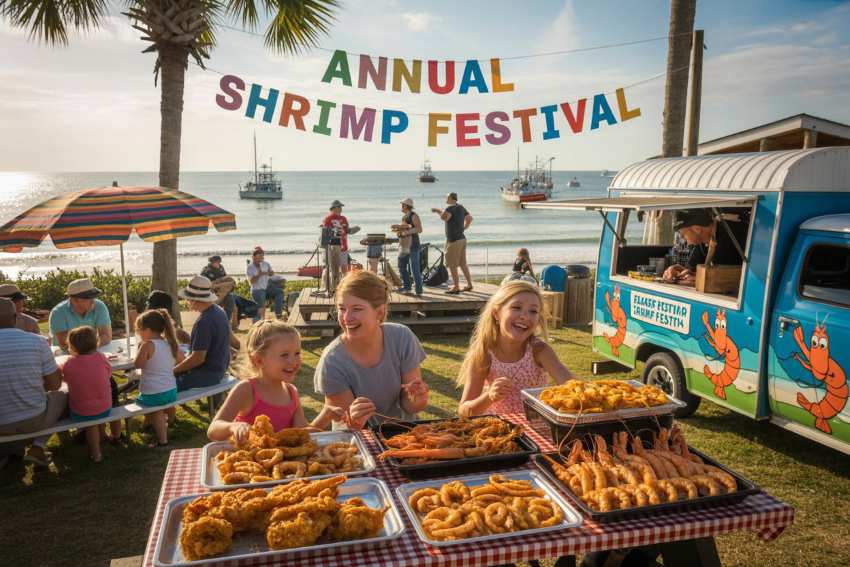 Image generated with Ai
The Louisiana Shrimp Festival & Shrimp Aid in New Orleans, one of the city’s most anticipated food events, has once again passed a key test for authenticity. For the second consecutive year, every food vendor at the festival was verified as serving local, wild-caught Gulf shrimp, thanks to rapid DNA testing conducted on-site during the mid-October event. This year’s festival stands as a beacon for sustainability, transparency, and support for local Louisiana shrimpers, ensuring that visitors to the event can enjoy genuine local fare while simultaneously contributing to the region’s thriving tourism and seafood industries.
The event, which celebrates the cultural heritage of New Orleans and the broader Louisiana region, has become synonymous with fresh seafood, particularly Gulf shrimp. Over the years, it has attracted both local food lovers and tourists eager to experience one of the finest culinary traditions of the southern United States. This year, the festival has again demonstrated its commitment to offering an authentic gastronomic experience for attendees while supporting the local economy and its shrimping communities.
Ensuring Authenticity with Rapid DNA Testing
The DNA testing conducted by SeaD Consulting, which markets a rapid genetic test known as RIGHTTest, marked a significant development in verifying the authenticity of the shrimp being served at the festival. Each food vendor was sampled, and the results were returned in under two hours, confirming that all shrimp served at the festival were indeed sourced from local Gulf waters, and not imported or farm-raised shrimp as seen in some previous festivals across the South.
This verification process represents a critical effort to preserve the integrity of local seafood and protect the livelihoods of Louisiana shrimpers who have struggled with the influx of imported shrimp that often undermines the market for wild-caught Gulf shrimp. The fact that the festival achieved 100% compliance in 2025 speaks volumes about the growing commitment to quality, authenticity, and local sourcing within the culinary community.
Advertisement
Advertisement
Last year, the same genetic testing initiative uncovered widespread mislabeling of imported, farm-raised shrimp as “Gulf-caught”, not only in New Orleans but at several other southern festivals. This mislabeling was part of a larger issue where foreign shrimp began to flood the market, threatening the financial stability of local shrimping communities. The discrepancy between authentic Gulf shrimp and their imported counterparts has also led to concerns over the environmental sustainability of farmed shrimp and the health benefits associated with wild-caught seafood.
In response to these findings, the National Shrimp Festival in Gulf Shores, Alabama, introduced a “chief shrimp investigator” to ensure the accuracy of shrimp sourcing and hired SeaD to carry out the same DNA testing at its event. Vendors found to be selling non-compliant products faced fines and temporary sales bans.
Advertisement
Advertisement
Supporting the Local Seafood Industry
The festival’s ongoing push for authentic Gulf shrimp is deeply tied to the preservation of local shrimpers and the Louisiana seafood industry. Over the years, Louisiana shrimpers have witnessed a decline in their market share due to an influx of imported shrimp, often at lower prices. This has been compounded by environmental challenges, such as rising sea temperatures and hurricanes, which have severely impacted local shrimping operations.
The efforts made at the New Orleans Shrimp Festival are a direct response to the challenges faced by these local fishermen. By ensuring that only locally sourced Gulf shrimp are served, the festival helps promote sustainability and supports shrimpers who rely on the Gulf’s natural resources for their livelihood. This initiative is not only about protecting the integrity of the food served but also about supporting the broader economic ecosystem that depends on these resources, from shrimpers and fishers to local markets and restaurants.
Advertisement
Advertisement
The festival also serves as an excellent example of how food festivals can serve a dual purpose — they not only provide a fun and festive atmosphere for tourists but also play a critical role in promoting local businesses and economic development. It emphasizes the importance of supporting sustainable practices and maintaining a close connection between food sourcing and local culture.
The Role of the Festival in Boosting Tourism
The New Orleans Shrimp Festival has become more than just a local food event; it has evolved into a major tourism draw for both domestic and international visitors. New Orleans, a city already renowned for its vibrant food scene and rich cultural history, has used this festival as a way to showcase its culinary traditions and promote Gulf seafood as an integral part of the region’s tourism appeal.
For tourists, the festival is an opportunity to experience the best of New Orleans’ food culture while also contributing to the region’s economic vitality. The event highlights the importance of locally sourced ingredients, celebrating Gulf shrimp as a cornerstone of the region’s cuisine. In doing so, it attracts food lovers, chefs, and culinary tourists who are eager to indulge in authentic New Orleans cuisine and Louisiana seafood.
Moreover, the festival’s focus on sustainability and authenticity makes it a particularly appealing event for tourists who are increasingly concerned with ethical food practices and the environmental impact of their culinary choices. This growing awareness of food sourcing and sustainability is part of a larger trend in global tourism, where travelers are seeking experiences that align with their values and contribute to positive change.
Advertisement
Advertisement
The success of the New Orleans Shrimp Festival is a testament to the power of food tourism and its ability to foster cultural exchange while supporting local economies. For New Orleans, the festival acts as a gateway to other tourist attractions, offering visitors a deeper connection to the city’s cultural heritage and its culinary roots.
A Model for Other Festivals and Events
The success of the New Orleans Shrimp Festival in ensuring 100% compliance with local seafood sourcing sets a high standard for other festivals across the country. The genetic testing and commitment to authenticity are now seen as critical tools for ensuring transparency in food sourcing. Other food festivals across the U.S. and globally may follow suit by incorporating similar testing protocols to maintain the integrity of their events and support local economies.
The model set by the New Orleans Shrimp Festival can also be extended to other types of food events, such as those focusing on local agriculture, sustainable farming, and wild-caught fish. By creating more avenues for transparency and promoting ethical sourcing, these festivals can not only ensure the quality of food being served but also raise awareness about the importance of supporting local producers.
As the popularity of the New Orleans Shrimp Festival continues to grow, the event could become a leader in the food tourism sector, attracting tourists from around the world who are eager to sample authentic local dishes and learn about the importance of food sustainability. With its emphasis on Gulf shrimp, the festival highlights the unique flavors and cultural significance of this local product, making it a must-visit event for food enthusiasts and travelers alike.
Conclusion
The New Orleans Shrimp Festival continues to serve as an essential event for both the local community and tourists seeking a genuine taste of Louisiana cuisine. By ensuring that only wild-caught Gulf shrimp are served, the festival not only supports local shrimpers but also promotes sustainable practices and raises awareness about the importance of authentic food sourcing. The festival’s focus on food transparency and local sourcing has made it a standout example of how cultural tourism and sustainable practices can go hand in hand to create a memorable experience for visitors while benefiting the local economy.
As food tourism continues to rise in popularity, the New Orleans Shrimp Festival stands as a prime example of how festivals can play a crucial role in supporting local industries, promoting sustainability, and providing unique cultural experiences for tourists. This event, which celebrates the flavors and heritage of New Orleans, also serves as a powerful reminder of the impact that local sourcing and ethical practices can have on the broader tourism and food industries.
Advertisement
Advertisement
The Louisiana Shrimp Festival & Shrimp Aid in New Orleans, one of the city’s most anticipated food events, has once again passed a key test for authenticity. For the second consecutive year, every food vendor at the festival was verified as serving local, wild-caught Gulf shrimp, thanks to rapid DNA testing conducted on-site during the mid-October event. This year’s festival stands as a beacon for sustainability, transparency, and support for local Louisiana shrimpers, ensuring that visitors to the event can enjoy genuine local fare while simultaneously contributing to the region’s thriving tourism and seafood industries.
The event, which celebrates the cultural heritage of New Orleans and the broader Louisiana region, has become synonymous with fresh seafood, particularly Gulf shrimp. Over the years, it has attracted both local food lovers and tourists eager to experience one of the finest culinary traditions of the southern United States. This year, the festival has again demonstrated its commitment to offering an authentic gastronomic experience for attendees while supporting the local economy and its shrimping communities.
Ensuring Authenticity with Rapid DNA Testing
The DNA testing conducted by SeaD Consulting, which markets a rapid genetic test known as RIGHTTest, marked a significant development in verifying the authenticity of the shrimp being served at the festival. Each food vendor was sampled, and the results were returned in under two hours, confirming that all shrimp served at the festival were indeed sourced from local Gulf waters, and not imported or farm-raised shrimp as seen in some previous festivals across the South.
This verification process represents a critical effort to preserve the integrity of local seafood and protect the livelihoods of Louisiana shrimpers who have struggled with the influx of imported shrimp that often undermines the market for wild-caught Gulf shrimp. The fact that the festival achieved 100% compliance in 2025 speaks volumes about the growing commitment to quality, authenticity, and local sourcing within the culinary community.
Last year, the same genetic testing initiative uncovered widespread mislabeling of imported, farm-raised shrimp as “Gulf-caught”, not only in New Orleans but at several other southern festivals. This mislabeling was part of a larger issue where foreign shrimp began to flood the market, threatening the financial stability of local shrimping communities. The discrepancy between authentic Gulf shrimp and their imported counterparts has also led to concerns over the environmental sustainability of farmed shrimp and the health benefits associated with wild-caught seafood.
Advertisement
Advertisement
In response to these findings, the National Shrimp Festival in Gulf Shores, Alabama, introduced a “chief shrimp investigator” to ensure the accuracy of shrimp sourcing and hired SeaD to carry out the same DNA testing at its event. Vendors found to be selling non-compliant products faced fines and temporary sales bans.
Supporting the Local Seafood Industry
The festival’s ongoing push for authentic Gulf shrimp is deeply tied to the preservation of local shrimpers and the Louisiana seafood industry. Over the years, Louisiana shrimpers have witnessed a decline in their market share due to an influx of imported shrimp, often at lower prices. This has been compounded by environmental challenges, such as rising sea temperatures and hurricanes, which have severely impacted local shrimping operations.
The efforts made at the New Orleans Shrimp Festival are a direct response to the challenges faced by these local fishermen. By ensuring that only locally sourced Gulf shrimp are served, the festival helps promote sustainability and supports shrimpers who rely on the Gulf’s natural resources for their livelihood. This initiative is not only about protecting the integrity of the food served but also about supporting the broader economic ecosystem that depends on these resources, from shrimpers and fishers to local markets and restaurants.
The festival also serves as an excellent example of how food festivals can serve a dual purpose — they not only provide a fun and festive atmosphere for tourists but also play a critical role in promoting local businesses and economic development. It emphasizes the importance of supporting sustainable practices and maintaining a close connection between food sourcing and local culture.
The Role of the Festival in Boosting Tourism
The New Orleans Shrimp Festival has become more than just a local food event; it has evolved into a major tourism draw for both domestic and international visitors. New Orleans, a city already renowned for its vibrant food scene and rich cultural history, has used this festival as a way to showcase its culinary traditions and promote Gulf seafood as an integral part of the region’s tourism appeal.
For tourists, the festival is an opportunity to experience the best of New Orleans’ food culture while also contributing to the region’s economic vitality. The event highlights the importance of locally sourced ingredients, celebrating Gulf shrimp as a cornerstone of the region’s cuisine. In doing so, it attracts food lovers, chefs, and culinary tourists who are eager to indulge in authentic New Orleans cuisine and Louisiana seafood.
Advertisement
Advertisement
Moreover, the festival’s focus on sustainability and authenticity makes it a particularly appealing event for tourists who are increasingly concerned with ethical food practices and the environmental impact of their culinary choices. This growing awareness of food sourcing and sustainability is part of a larger trend in global tourism, where travelers are seeking experiences that align with their values and contribute to positive change.
The success of the New Orleans Shrimp Festival is a testament to the power of food tourism and its ability to foster cultural exchange while supporting local economies. For New Orleans, the festival acts as a gateway to other tourist attractions, offering visitors a deeper connection to the city’s cultural heritage and its culinary roots.
A Model for Other Festivals and Events
The success of the New Orleans Shrimp Festival in ensuring 100% compliance with local seafood sourcing sets a high standard for other festivals across the country. The genetic testing and commitment to authenticity are now seen as critical tools for ensuring transparency in food sourcing. Other food festivals across the U.S. and globally may follow suit by incorporating similar testing protocols to maintain the integrity of their events and support local economies.
The model set by the New Orleans Shrimp Festival can also be extended to other types of food events, such as those focusing on local agriculture, sustainable farming, and wild-caught fish. By creating more avenues for transparency and promoting ethical sourcing, these festivals can not only ensure the quality of food being served but also raise awareness about the importance of supporting local producers.
As the popularity of the New Orleans Shrimp Festival continues to grow, the event could become a leader in the food tourism sector, attracting tourists from around the world who are eager to sample authentic local dishes and learn about the importance of food sustainability. With its emphasis on Gulf shrimp, the festival highlights the unique flavors and cultural significance of this local product, making it a must-visit event for food enthusiasts and travelers alike.
Conclusion
The New Orleans Shrimp Festival continues to serve as an essential event for both the local community and tourists seeking a genuine taste of Louisiana cuisine. By ensuring that only wild-caught Gulf shrimp are served, the festival not only supports local shrimpers but also promotes sustainable practices and raises awareness about the importance of authentic food sourcing. The festival’s focus on food transparency and local sourcing has made it a standout example of how cultural tourism and sustainable practices can go hand in hand to create a memorable experience for visitors while benefiting the local economy.
As food tourism continues to rise in popularity, the New Orleans Shrimp Festival stands as a prime example of how festivals can play a crucial role in supporting local industries, promoting sustainability, and providing unique cultural experiences for tourists. This event, which celebrates the flavors and heritage of New Orleans, also serves as a powerful reminder of the impact that local sourcing and ethical practices can have on the broader tourism and food industries.
Advertisement
