
Can Phnom Kulen Overcome Reputation Challenges? A New Path for Cambodia Tourism

Published
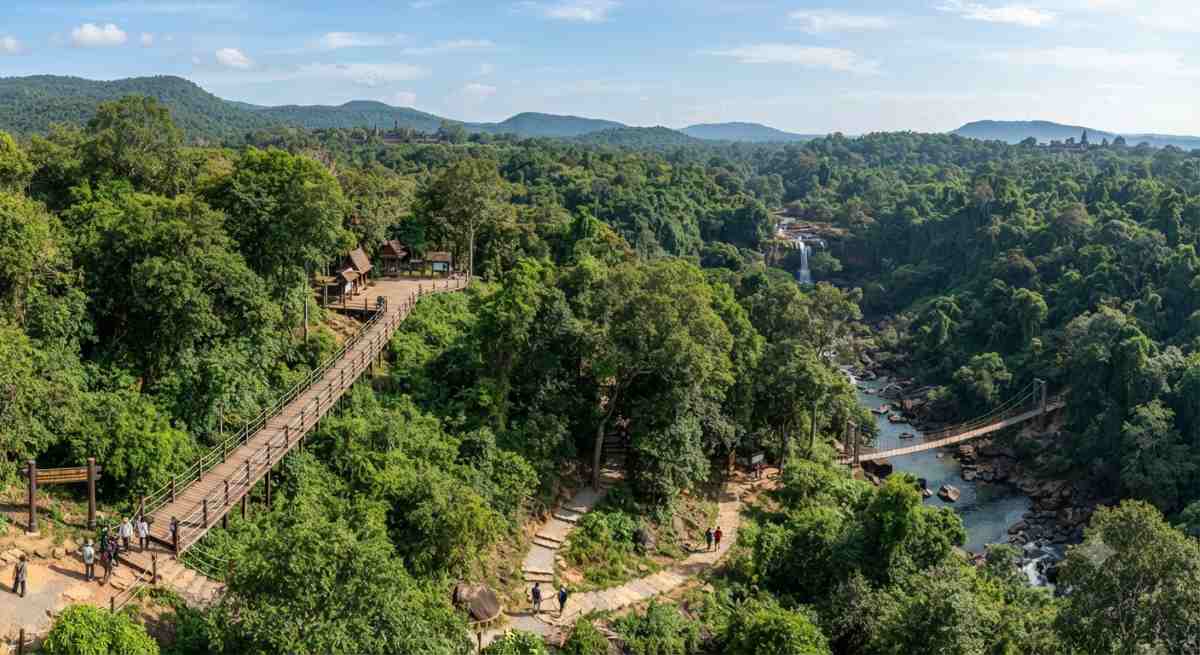
Image generated with Ai
The Royal Government of Cambodia is launching an ambitious strategic roadmap. This plan seeks to reconfigure the national tourism landscape. At the heart of this effort lies the Preah Jayavarman-Norodom National Park. This site is widely known as Phnom Kulen.
The nation aims to move beyond a total dependency on the Angkor Archaeological Park. Consequently, Phnom Kulen is being positioned as a premier nature tourism destination. This effort is part of the broader Beyond Angkor initiative. The government hopes to diversify the national tourism product. Ultimately, it encourages longer, more immersive stays for international visitors.
The urgency of this project was highlighted recently. A consultative meeting occurred in Siem Reap on July 3, 2026. During this session, stakeholders reviewed the Draft Key Measures for Tourism Development in Phnom Kulen 2026–2028. This group included senior government officials and the APSARA National Authority. This policy serves as a vital pillar of the Siem Reap Tourism Development Master Plan 2021–2035. It ensures that the mountain’s development remains both sustainable and competitive.
Impact on Travellers and Sustainable Tourism
For the international traveller, this transition promises improved experiences. The park holds great spiritual and historical significance. It features the ancient Thousand Lingas riverbed and the Preah Ang Thom monastery. Therefore, the area is being prepared for a more structured influx of visitors.
Advertisement
Advertisement
Planned infrastructure upgrades are currently underway. These include:
- Construction of environmentally sensitive wooden walkways.
- Implementation of improved transport access routes.
- Development of clear, guided trekking paths.
However, the reputation of the country remains a challenge. Despite the natural beauty of the site, travel decisions are often influenced by perceptions of Cambodia. The persistence of reports regarding online scams has created apprehension. Trust and safety are viewed as essential factors for visitors. While the government emphasizes security progress, the shadow of these reports still affects tourist confidence. Achieving Sustainable Tourism requires addressing these trust barriers directly.
Advertisement
Advertisement
Industry Insights: Economic Recovery and Beyond
The industry is navigating a period of Economic Recovery. It faces global economic uncertainty and rising airfare costs. Experts note that visitor declines are not only due to the pandemic. They are also linked to a damaged international reputation. This was caused by criminal activity in the region.
Industry analysts suggest that the Beyond Angkor strategy requires more than just infrastructure. Cambodia must prioritize:
- Enhanced promotional materials.
- The removal of various service barriers.
- A more robust approach to safety communication.
The economic implications remain significant. The closure of many tour operators has left the industry vulnerable. Consequently, Phnom Kulen is viewed as a vital economic lifeline. This project aims to redistribute tourism revenue to rural communities. It is expected to drive significant local growth. By focusing on Southeast Asia Travel trends, the sector hopes to regain its footing.
Practical Information: Implementing the 2026–2028 Strategy
The 2026–2028 strategy focuses on eight core priority areas. These include enhancing the park’s appeal and reinforcing visitor safety. It also emphasizes the diversification of tourism products.
Visitors can expect several new options:
- Organized eco-adventure trekking.
- Designated mountain cycling pathways.
- Managed, safe camping grounds.
Furthermore, strict measures are being introduced to preserve the landscape. Carrying capacity limits are now enforced at the Phnom Kulen waterfalls. This prevents overcrowding and environmental damage. Dedicated plastic-free zones are also being established near water sources. Additionally, the government has provided financial support to local communities. This includes specialized gear for conservation during the green season. These actions ensure that local residents remain active participants in the value chain.
Advertisement
Advertisement
Comparison with Previous Policies
Previous attempts at destination management were often fragmented. They frequently lacked the support of a long-term master plan. Coordination between local communities and the government was also limited.
The current framework is different. It is directly aligned with directives from Prime Minister Hun Manet. These were issued at the 19th Government–Private Sector Forum. The mandate is clear: elevate Phnom Kulen into a world-class, sustainable destination.
Whereas past policies focused on basic maintenance, the new strategy is comprehensive. It emphasizes the inclusion of indigenous communities. It also seeks a balance between heritage conservation and high-end infrastructure. By connecting to the Visit Siem Reap Campaign, the government is moving forward. It is shifting away from ad-hoc projects. Instead, it is building a consolidated strategy. This aims to help Cambodia compete with elite travel hotspots throughout Southeast Asia Travel markets.
Advertisement
