
Sumatra Alongside Bali, Java and More in Indonesia Transform Culinary Tourism Through Legendary Flavours, Spice Heritage and Authentic Food Journeys: All You Need to Know

Published
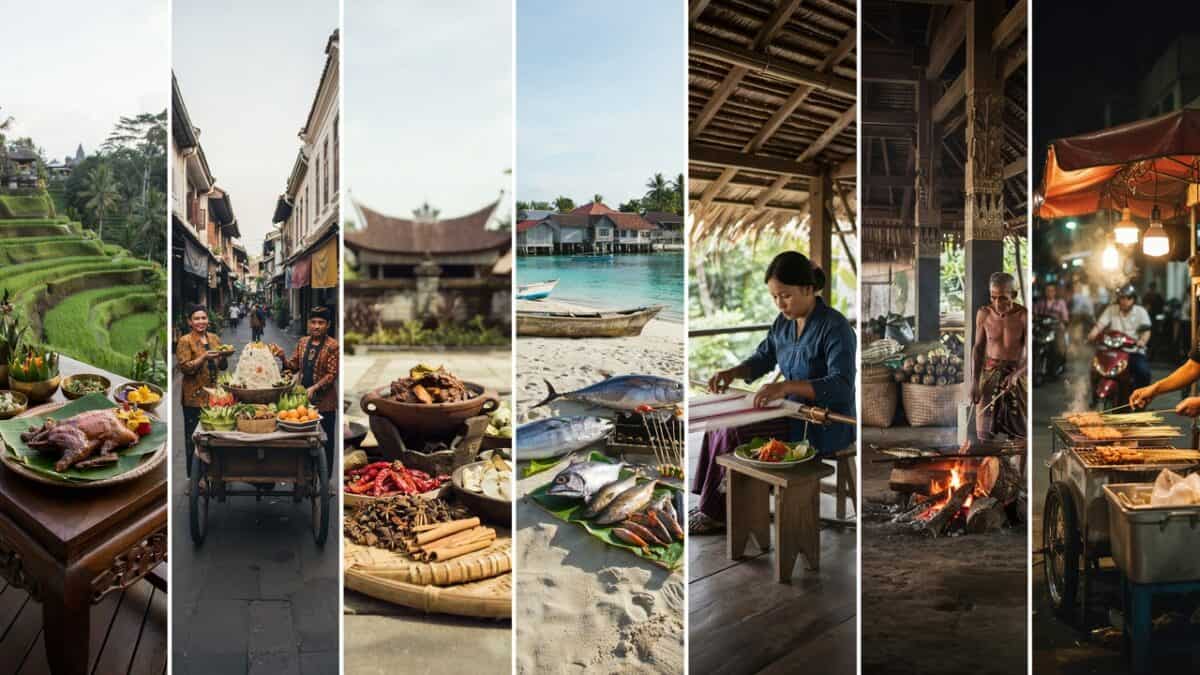
Indonesia is emerging as one of Asia’s most fascinating culinary travel destinations, where food is not simply a meal but a journey through history, culture and regional identity.
The world’s largest archipelagic country offers an extraordinary variety of flavours shaped by thousands of islands, hundreds of ethnic communities and centuries of cultural exchange. From spicy dishes in Sumatra to seafood traditions in Sulawesi and ceremonial cuisine in Bali, every region presents a different story through food.
Advertisement
Advertisement
For modern travellers, Indonesian cuisine provides a deeper way to explore the country. Visitors are increasingly moving beyond beaches and famous landmarks to discover local markets, family kitchens, traditional restaurants and community-based food experiences.
Indonesia’s tourism authorities have promoted culinary tourism as an important part of destination development, highlighting regional dishes and local food experiences as ways to introduce visitors to the country’s cultural diversity.
Advertisement
Advertisement
| Culinary Tourism Element | Traveller Experience |
|---|---|
| Traditional dishes | Discover regional heritage |
| Spice-based cuisine | Experience Indonesia’s historic flavours |
| Local markets | Connect with communities |
| Cooking experiences | Learn traditional techniques |
| Food trails | Explore destinations through taste |
Why Indonesian Food Has Become a Global Tourism Attraction?
Indonesia’s culinary identity comes from a unique combination of indigenous traditions and international influences developed through centuries of trade and cultural interaction.
The country’s cuisine uses distinctive ingredients including:
Advertisement
Advertisement
- Coconut milk
- Chilli
- Local herbs
- Seafood
- Rice
- Tropical fruits
- Aromatic spices
Dishes such as Rendang, Nasi Goreng, Satay, Soto and Gado-Gado have become internationally recognized examples of Indonesia’s diverse food culture. Regional variations allow travellers to experience completely different interpretations of similar dishes across the archipelago.
| Famous Indonesian Dish | Origin / Association | Travel Appeal |
|---|---|---|
| Rendang | West Sumatra | Slow-cooked spice tradition |
| Nasi goreng | Nationwide favourite | Iconic Indonesian comfort food |
| Satay | Various regions | Popular grilled food experience |
| Soto | Multiple provinces | Regional soup traditions |
| Gado-gado | Java | Traditional vegetable dish |
Food tourism allows visitors to understand Indonesia beyond sightseeing. A dish often represents the landscape, history and lifestyle of the people who created it.
Bali Combines Island Beauty with World-Class Culinary Experiences
Bali has long been recognised as one of Indonesia’s most popular tourism destinations, but its attraction extends far beyond beaches and cultural landmarks.
The island offers travellers a unique culinary journey combining traditional Balinese cuisine, local ingredients and modern gastronomy.
Popular food experiences include:
| Bali Culinary Experience | Highlights |
|---|---|
| Traditional warungs | Authentic local meals |
| Balinese cooking classes | Hands-on cultural learning |
| Organic farms | Fresh local ingredients |
| Seafood dining | Coastal flavours |
| Ubud food experiences | Wellness and gastronomy connection |
Ubud, surrounded by rice terraces and traditional villages, has become particularly popular among travellers seeking food experiences connected with nature and local culture.
Advertisement
Advertisement
Balinese cuisine reflects the island’s religious traditions and community lifestyle. Ceremonial dishes, spice combinations and traditional preparation methods continue to influence the island’s food identity.
Java Reveals Indonesia’s Cultural Heart Through Traditional Cuisine
Java represents one of Indonesia’s most important cultural and culinary regions. The island combines historic cities, traditional markets and diverse regional dishes.
Destinations such as Jakarta, Yogyakarta and Surakarta offer travellers opportunities to explore food connected with history and local customs.
| Java Destination | Famous Food Experience |
|---|---|
| Jakarta | Betawi cuisine, street food and traditional dishes |
| Yogyakarta | Gudeg and Javanese flavours |
| Surakarta | Traditional royal-inspired cuisine |
| Bandung | Snacks and Sundanese food |
Yogyakarta is especially known for gudeg, a traditional dish made from young jackfruit cooked with coconut milk and spices. The city’s food culture reflects Javanese traditions, creativity and hospitality.
Food tours in Java allow visitors to explore markets, heritage districts and family-run restaurants while learning about local cooking traditions.
Sumatra Showcases Powerful Spice Traditions Through Legendary Cuisine
Sumatra has played an important role in Indonesia’s culinary reputation, especially through its famous spice-rich dishes.
Advertisement
Advertisement
West Sumatra’s Minangkabau cuisine has gained global recognition through rendang, a dish known for its complex preparation and deep flavours.
| Region | Culinary Identity |
|---|---|
| West Sumatra | Rendang and spice-based cuisine |
| Aceh | Strong herbal and spice influences |
| North Sumatra | Diverse Batak and Malay flavours |
The island’s food reflects Indonesia’s historical relationship with spices. For centuries, valuable spices attracted traders from different parts of the world, influencing the country’s culinary development.
Today, travellers exploring Sumatra can discover traditional kitchens, local markets and regional food experiences connected with generations of knowledge.
Jakarta Creates an Urban Culinary Adventure with Traditional and Modern Flavours
Indonesia’s capital Jakarta provides a contrast between modern city life and traditional food culture.
The city offers thousands of dining experiences, from street food stalls to historic restaurants and contemporary culinary destinations.
Visitors can explore:
Advertisement
Advertisement
- Soto Betawi
- Gado-gado
- Nasi uduk
- Traditional snacks
- Modern Indonesian fusion cuisine
Jakarta’s food scene demonstrates how Indonesian cuisine continues evolving while maintaining connections with heritage.
Sulawesi and Lombok Add New Dimensions to Indonesia’s Food Tourism Map
Beyond the famous islands, destinations such as Sulawesi and Lombok are gaining attention among travellers seeking less-explored culinary experiences.
Sulawesi offers seafood-focused cuisine influenced by its maritime geography, while Lombok is known for spicy dishes and traditional Sasak flavours.
| Destination | Culinary Highlights |
|---|---|
| Sulawesi | Seafood, regional spices and local dishes |
| Lombok | Spicy cuisine and traditional recipes |
| Flores | Local ingredients and island flavours |
These destinations provide travellers with opportunities to experience food traditions that remain closely connected with local communities.
How Culinary Tourism Benefits Indonesian Communities?
Food tourism creates opportunities beyond restaurants. It supports farmers, fishermen, producers, chefs and local entrepreneurs.
| Community Benefit | Tourism Impact |
|---|---|
| Supports local producers | Increases demand for regional ingredients |
| Protects traditions | Preserves heritage recipes |
| Creates employment | Expands tourism opportunities |
| Encourages regional travel | Reduces concentration in major destinations |
Culinary tourism also helps visitors understand the cultural importance behind traditional dishes.
Advertisement
Advertisement
A cooking lesson, market visit or family meal can create stronger memories than simply visiting a landmark.
Indonesia’s Future as a Global Gastronomy Destination
Indonesia’s culinary future is closely connected with experiential travel. Visitors increasingly want authentic activities rather than passive sightseeing.
Future opportunities include:
- Regional food trails
- Sustainable farm experiences
- Traditional cooking workshops
- Heritage restaurants
- Community-based tourism
Indonesia’s diverse culinary landscape gives it a strong advantage in global tourism. Each island offers different flavours, stories and traditions, allowing travellers to return multiple times and discover something new.
Frequently Asked Questions
1. Why is Indonesia becoming popular for culinary tourism?
Indonesia is gaining attention because of its regional food diversity, spice heritage and authentic cultural dining experiences.
2. What are the most famous Indonesian dishes for international travellers?
Rendang, nasi goreng, satay, soto and gado-gado are among the best-known Indonesian dishes worldwide.
Advertisement
Advertisement
3. Is Bali only known for beaches and resorts?
No. Bali also offers rich culinary experiences through traditional cuisine, cooking classes, local markets and farm-based food tourism.
4. Which Indonesian islands offer the best food experiences?
Bali, Java, Sumatra, Lombok and Sulawesi each offer unique culinary traditions and regional specialties.
5. How does food tourism help local communities in Indonesia?
It supports farmers, small businesses, traditional cooks and local producers while helping preserve cultural heritage.
6. What makes Indonesian cuisine unique?
The combination of regional diversity, tropical ingredients and centuries of spice influences makes Indonesian cuisine one of the world’s most varied food traditions.
Conclusion: Indonesia Turns Food into a Gateway for Cultural Discovery
Indonesia’s culinary tourism journey demonstrates how food can become one of the strongest ways to understand a destination.
From Bali’s island flavours and Java’s historic cuisine to Sumatra’s legendary spices and Sulawesi’s seafood traditions, every region offers travellers a different story.
The future of Indonesian tourism will increasingly depend on experiences that create emotional connections. Food provides exactly that opportunity. It connects visitors with communities, preserves heritage and transforms every journey into a memorable cultural adventure.
Advertisement
