

Australia Travel Planning Changes as Nattai National Park and Nearby NSW Reserves Close for Aerial Pest Control

Published
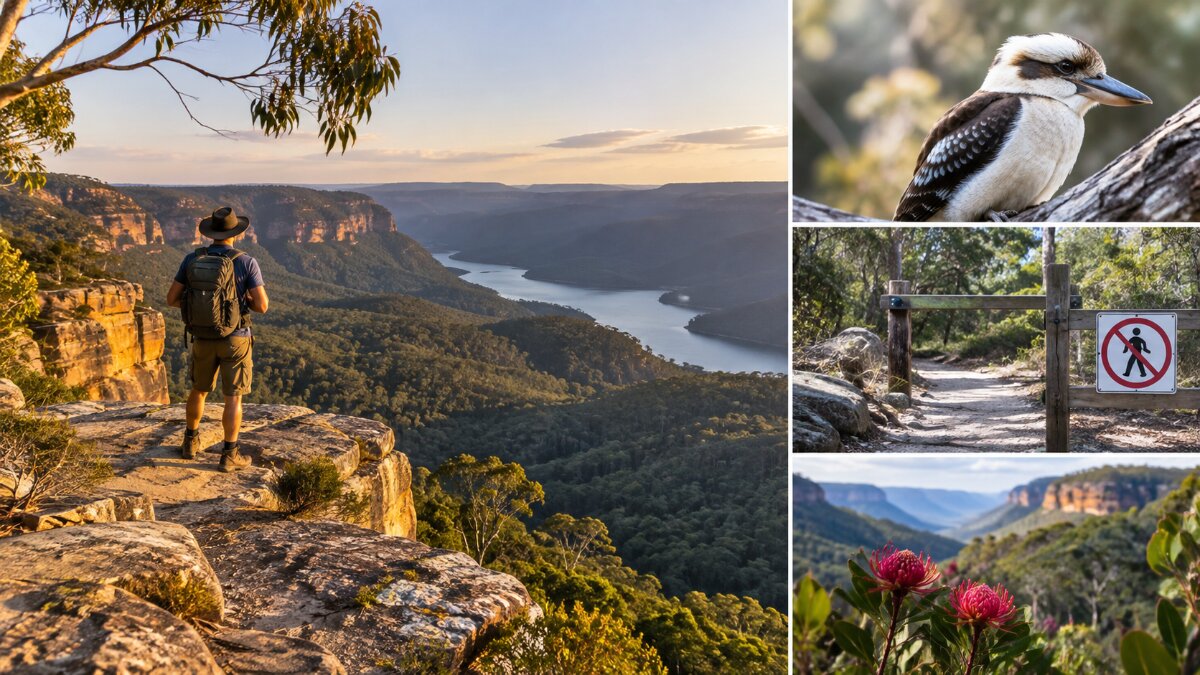
Australia’s New South Wales National Parks and Wildlife Service (NPWS) has introduced temporary weekday visitor closures across Nattai National Park and ten other reserve or land areas from 12 to 23 October 2026 to carry out aerial pest control operations. The restrictions affect bushwalking, sightseeing, nature excursions and planned outdoor activities across parts of the Southern Highlands and surrounding conservation landscapes. According to the official NSW National Parks closure notice, weekends and public holidays are excluded from the closure period, but other park-specific safety restrictions remain relevant.
The development is a significant travel planning alert because several popular destinations fall within the same temporary operating restrictions. Visitors cannot assume that changing from one nearby national park to another will solve the problem. Some alternative walking routes cross park boundaries, while separate fire restrictions and pest-management activities create additional conditions for October travel.
For the tourism industry, the immediate challenge is to manage access without unnecessarily cancelling complete regional itineraries. Travel companies, accommodation providers, outdoor guides and self-drive visitors can reduce disruption by identifying officially accessible alternatives, checking individual walking tracks and distinguishing temporary weekday exclusions from longer-running conservation controls.
NSW National Park Closures Extend Beyond Nattai’s Main Walking Areas
The notice covers eleven park, reserve and land units. Visitors around Picton, Mittagong and Bargo cannot assume adjoining conservation areas remain available on restricted weekdays.
Advertisement
Advertisement
| Area named in the official closure | Practical travel implication |
|---|---|
| Nattai National Park | Do not schedule weekday entry or wilderness walks |
| Nattai State Conservation Area | Remove planned weekday reserve visits |
| Burragorang State Conservation Area | Weekday access restricted; check the separate lookout exception |
| Joadja Nature Reserve | No weekday visitor entry during the operation |
| Jellore Flora Reserve | Exclude from weekday field itineraries |
| Wollondilly River Nature Reserve | Avoid weekday access and river excursions |
| Bangadilly National Park | No weekday visits within the closure period |
| Guula Ngurra National Park | Do not use its walks as an alternative |
| Mount Penang Part 11 lands | Include these managed lands in access screening |
| Upper Nepean State Conservation Area | Restriction includes Stage 2 lands north of Tourist Road |
| Barrallier WaterNSW freehold lands | Treat identified land as closed, not public access space |
Penalties apply. These are not eleven national parks; the list also includes conservation areas and other managed land.
October 2026 Closure Calendar Changes Weekday and Weekend Planning
The alert runs from midnight on 12 October until 7pm on 23 October, excluding weekends and public holidays. According to the NSW Government public holiday calendar, Labour Day fell on 5 October, leaving ten affected weekdays.
Advertisement
Advertisement
| Dates | Operational position for the named areas |
|---|---|
| 12–16 October, Monday to Friday | Weekday restrictions apply |
| 17–18 October, Saturday and Sunday | Excluded from this particular closure; check other alerts |
| 19–23 October, Monday to Friday | Weekday restrictions apply again; notice ends at 7pm on 23 October |
Weekend exemptions do not override other park alerts. Overnight hikers must check access for their entire journey, including the exit date.
Popular Nattai Bushwalking Routes Are Not Simple Day-Trip Detours
Nattai’s Couridjah Corridor walk is a grade-four, 14km return route crossing Nattai National Park and Thirlmere Lakes National Park. NPWS allows four to six hours and recommends some bushwalking experience. The section outside Nattai does not make the full route a weekday alternative.
Starlights trail, Wollondilly lookout and remote river areas also draw visitors. During restricted periods, operators should remove affected stops, not divert groups onto unverified fire trails or closed reserves.
A Separate Feral-Cat Closure Continues Beyond 23 October
A separate feral-cat management closure runs in southern Nattai from 14 September to 13 November 2026. It covers land between Warrels Fire Trail, O’Brien’s Road and W4 Fire Trail. The Felixer programme uses 1080 cartridges to protect native wildlife, particularly the endangered brush-tailed rock-wallaby.
This differs from October’s aerial operation, whose notice does not specify pest species, chemicals or aircraft techniques. The end of the weekday closure will not automatically reopen southern Nattai.
Wildlife Protection Matters in a World Heritage Landscape
Nattai forms part of the Greater Blue Mountains World Heritage Area and is traditional Dharawal and Gundungarra Country. Its wilderness supports native species and important Aboriginal cultural landscapes.
Advertisement
Advertisement
Temporary access restrictions separate recreational activities from conservation work. Businesses selling wildlife experiences must distinguish broad park openings from smaller controlled areas.
Alternative NSW Walking Routes That Can Keep Itineraries Moving
Three NPWS destinations outside the specified closure areas offer substitute experiences. These are conditional choices: check their own alerts, weather and road access before departure.
Thirlmere Lakes, Bargo and Morton National Park Alternatives
| Alternative | Official visitor detail | Planning limitation |
|---|---|---|
| Thirlmere Lakes walking track | 6km grade-four loop; approximately 1.5–2.5 hours; lakes, wetland habitat and birdwatching | Use Slades Road rather than vehicle-closed Pumphouse Road; verify the Couridjah precinct |
| Bargo State Conservation Area, Little River trail area | Bushwalking and birdwatching near Buxton; access towards the trailhead via West Parade and Wilson Drive | Fire-ban requirements remain; confirm individual paths and conditions |
| West Rim walking track, Morton National Park | 3.5km return near Fitzroy Falls; approximately 1.5–2.5 hours; waterfall and gorge views | Check track alerts and Fitzroy Falls parking; normal park entry charges may apply |
West Rim’s page reports no track-specific alert, but neighbouring Budderoo National Park has separate overnight restrictions. Check any added stops independently.
Thirlmere Roadworks and Burragorang’s Weekend Access Need Care
At Thirlmere Lakes, Pumphouse Road remains closed to vehicles and Slades Road is the published alternative. Earlier Lake Couridjah precinct works included parking restrictions and an end date of 2 October subject to further notice. Confirm facilities before booking groups.
Burragorang lookout is a weekend option under this closure notice. Standard hours are 7am–7pm, with A$4 vehicle entry. Its normal opening hours do not cancel weekday restrictions.
NSW National Parks Tourism Figures Show Why Access Information Matters
The statewide visitor economy explains the stakes but does not establish losses from this closure. The official 2024–25 survey recorded 65,590,112 domestic park visits. An April 2026 government release estimated A$19.5 billion in annual activity, 62,000 jobs and 37 million visits outside Greater Sydney.
Advertisement
Advertisement
| Official NSW indicator | Figure and reporting basis |
|---|---|
| Domestic national park visits | 65,590,112 in 2024–25 |
| Adult and child domestic visits | 53,091,099 adults; 12,499,013 children |
| Overseas visitors entering at least one NSW national park | 72% of international NSW visitors, 2024–25 |
| International national park visits | Approximately 4.6 million, reported April 2026 |
| Visits to Morton National Park | 1,889,384 during 2024–25 |
| Statewide contribution and employment | A$19.5 billion annually; 62,000 jobs, government estimate |
Official statistical references: NSW Park Visitor Survey and NSW Government, 19 April 2026.
These are statewide statistics, not Nattai visitor figures or evidence of October 2026 financial losses.
The same government visitor survey found that 44% of park visitors considered a park their only reason for making a trip, while another 17% regarded it as their main reason. That finding helps explain why a closure can change a full day of touring rather than just a brief scenic stop. The survey also recorded 89% overall visitor satisfaction in 2024–25. Clear communication about substitute routes matters because visitors may judge a rescheduled experience against an original trip built around one particular natural attraction. Again, these results measure park tourism statewide, not the response to Nattai’s October restrictions.
Park Infrastructure Investment Adds an Access Management Dimension
The NSW Government’s April 2026 announcement reported more than A$352 million invested in national park visitor infrastructure, including trails, lookouts, camping areas and facilities. The expenditure provides a broader backdrop for keeping nature travel both appealing and manageable. Investment in new visitor assets does not eliminate short-term wildlife operations or weather-related closures. For regional tourism planners, a useful measure of infrastructure resilience is whether alternative authorised experiences can absorb a changed itinerary without exceeding carpark capacity, access conditions or trail suitability. No specific share of that statewide investment is attributed here to the eleven affected areas.
Tour Operators Face Licensing and Rebooking Responsibilities
Commercial guides must consider Parks Eco Pass permissions. Licence conditions differ by activity and location; NPWS must approve site amendments and requests submissions at least two weeks before changes.
Operators should check whether replacement routes are already authorised. Short-notice options include approved alternative activities, non-park visits or rescheduling. Explain changes in walk grade, distance, transport and fees before departure.
Advertisement
Advertisement
Fire Bans and Bushwalking Safety Remain Separate Travel Alerts
A Hawkesbury–Nattai park fire ban runs from 1 October 2026 to 31 March 2027 unless changed. Campfires and solid-fuel cookers are prohibited; gas or electric equipment has conditions. Total fire bans may be stricter.
NPWS advises at least two litres of water per person, weather-appropriate clothing, navigation tools and first aid. Remote walkers should carry a personal locator beacon where appropriate, use offline maps and share return plans.
Original Analysis: This Is a Cross-Boundary Itinerary Management Test
The most important operational issue is not simply that Nattai is closed on certain days. It is that the closure touches multiple adjacent park units while leaving some nearby attractions outside the notice. A traveller who substitutes Guula Ngurra for Nattai has not solved the access problem, whereas a properly checked route inside Bargo or Morton may preserve an outdoor experience.
A second issue is the overlap of different management periods. The aerial-control notice is limited to two working weeks, yet the southern Nattai feral-cat exclusion lasts into November and the regional fire ban extends into 2027. A tour company that reads only one closure end date could mistakenly advertise access that remains restricted for another reason.
A third issue concerns the product being sold. A remote wilderness hike, a lakeside birdwatching circuit and a managed waterfall viewpoint offer different durations, physical demands and visitor expectations. Treating them as equivalent may reduce immediate cancellations but create safety or service problems. More resilient itinerary design starts by checking the exact land boundary, licensing conditions, visitor suitability and transport plan before offering a substitute.
No official notice reviewed provides cancellation totals or a financial impact assessment. Claims of widespread tourism losses would therefore go beyond the available evidence.
Advertisement
Advertisement
Critical Travel Agent and Tour Operator Actions for October 2026
- Remove affected weekday entries from itineraries for 12–16 and 19–23 October.
- Check weekend openings against all independent park alerts, especially the southern Nattai closure.
- Verify alternative track grades, parking, road access and any park-entry charges.
- Confirm commercial licensing covers each replacement destination or activity.
- Notify booked customers of revised meeting points, timing, walking distances and risks.
- Apply park fire-ban rules and prepare emergency contacts, offline maps and suitable equipment.
- Recheck NSW National Parks alerts immediately before travel and obey on-site signs.
Conservation Access Planning Will Shape Future Nature Tourism
The 23 October endpoint does not guarantee unrestricted access. Southern Nattai controls continue into November and fire precautions last longer. Travellers must check live NPWS notices before setting out.
Long term, flexible itineraries and clear notices can help Australia protect wildlife without abandoning regional tourism. Legal operations, realistic route substitutions and accurate customer information support visitor trust and surrounding businesses.
Advertisement
