
Oman Follows Sri Lanka as Asia’s Expanding Wellness Landscape Gains Momentum With Luxury Retreats and Ayurveda

Published
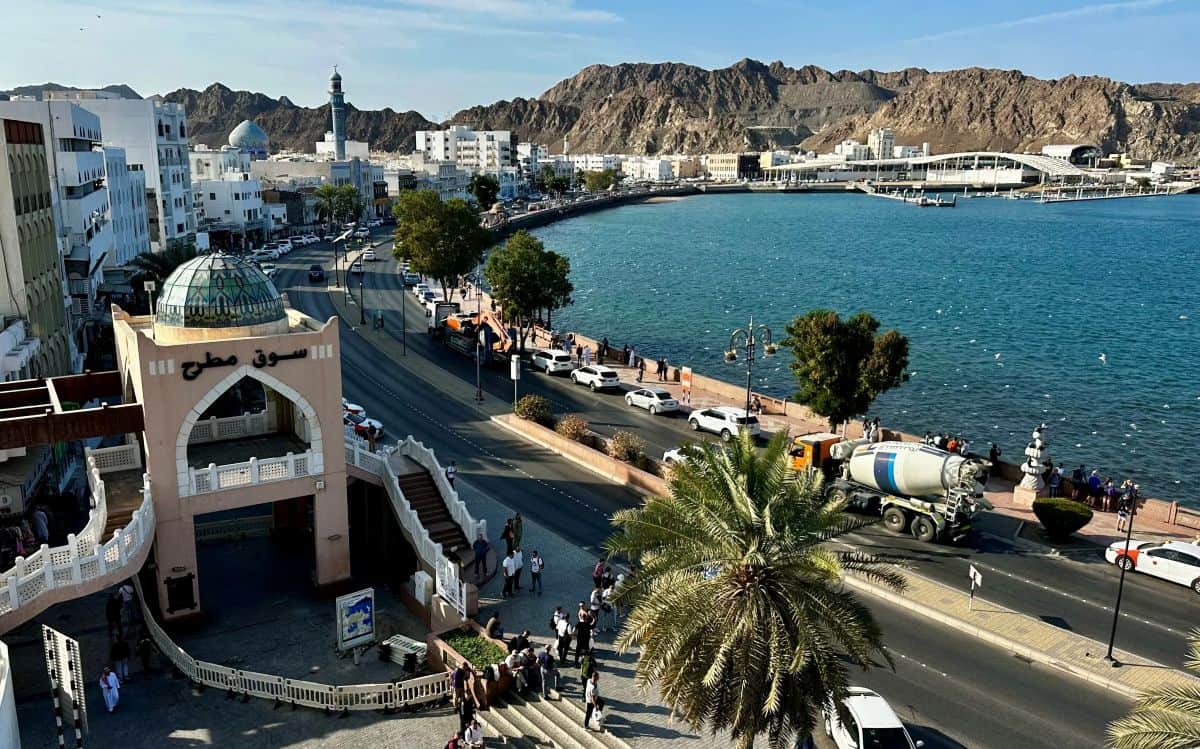
Oman is building a nature-led wellness proposition as Asia’s restorative-travel market expands beyond conventional spa holidays. Sri Lanka brings a mature Ayurveda and treatment-led model, while Malaysia combines extensive spa infrastructure with medical and holistic programmes. The contrast is significant because wellness travellers often stay longer and spend more than conventional holidaymakers. Global Wellness Institute data shows wellness travellers made 1.24 billion trips in 2024, accounting for 17.6% of global tourism spending. Asia-Pacific also became the world’s largest wellness-travel region by trip volume. The three destinations therefore reveal different ways to capture a growing, higher-value travel segment. Their models range from mountain retreats and traditional healing to integrated hospitality and preventive health experiences.
A New Geography of Restorative Travel
Wellness is no longer confined to a treatment room inside a luxury hotel. Travellers increasingly combine accommodation, nutrition, movement, traditional therapies, mindfulness and nature within one journey. That shift is encouraging destinations to develop complete wellness ecosystems rather than isolated spa facilities.
Advertisement
Advertisement
The wider market provides substantial evidence of that transition. Global Wellness Institute research values global wellness tourism expenditure at $894 billion in 2024, while wellness trips represented 8.3% of all tourism trips. The spending share reached 17.6%, showing that wellness travellers represent a disproportionately valuable segment of tourism demand.
| Global Wellness Indicator | Latest Figure |
|---|---|
| Global wellness economy, 2024 | $6.8 trillion |
| Global wellness tourism spending, 2024 | $894 billion |
| Wellness trips, 2024 | 1.24 billion |
| Share of all tourism trips | 8.3% |
| Share of tourism spending | 17.6% |
| Projected wellness economy, 2029 | Nearly $9.8 trillion |
Asia-Pacific has become particularly important within this shift. The region recorded 175% of its 2019 wellness-trip level in 2024, according to the Global Wellness Institute. China and India together account for nearly three-quarters of wellness trips in the region, creating a substantial demand base for neighbouring destinations.
Advertisement
Advertisement
That regional momentum gives Oman, Sri Lanka and Malaysia a wider commercial backdrop. Yet their propositions differ sharply, which makes the comparison more useful than a conventional ranking of wellness resorts.
Oman Builds Its Nature-Led Retreat Proposition
Oman’s wellness strategy is still developing, but the country has begun building a distinctly premium proposition around mountains, coastlines, privacy and outdoor experiences. The Ministry of Heritage and Tourism identified 73 four- and five-star establishments with spa facilities during a 2024 assessment of medical and wellness tourism readiness.
Advertisement
Advertisement
The figure matters because Oman is approaching wellness as a destination-development opportunity. Its government has discussed regulation, healthcare partnerships, investment, accreditation and service quality alongside tourism infrastructure. That approach places wellness within the country’s broader economic diversification strategy rather than treating it solely as hotel amenity.
Oman’s wider accommodation market is also expanding. Official statistics show 5.1 million hotel guests in 2025, up 16.6% from 2024, while hotel revenues increased 22.3% to approximately OMR359 million. The country recorded 1,475 hotels during the year, although the official hotel count covers the broader accommodation market and cannot be treated as a measure of wellness capacity.
Advertisement
Advertisement
| Oman Tourism Indicator | 2024 | 2025 |
|---|---|---|
| Hotel guests | 4.4m | 5.1m |
| Growth in hotel guests | — | 16.6% |
| Hotel revenue | — | OMR359m |
| Hotel revenue growth | — | 22.3% |
| Hotels | 1,031 | 1,475 |
The development pipeline adds another layer. OMRAN Group is partnering with Santani Wellness Resorts on a retreat at Jabal Shams, designed around nature, tranquillity and sustainable development. Earlier project material identified a proposed 70-room resort, demonstrating the shift towards smaller, experience-intensive properties rather than conventional high-volume accommodation.
For travellers, Jabal Shams represents a different proposition from an urban spa break. Mountain scenery, hiking, quiet surroundings, nutrition, meditation and personalised treatments can become part of one integrated stay. Muscat and Salalah, meanwhile, offer more accessible combinations of luxury accommodation, coastal experiences and resort-based wellness.
Sri Lanka Turns Ayurveda Into A Longer Stay
Sri Lanka’s proposition rests on a much deeper cultural foundation. Ayurveda is not simply marketed as a spa treatment, but operates through a recognised tourism and healthcare framework involving Ayurvedic hotels, healthcare centres and registered wellness establishments.
The country’s tourism authority recognises Ayurvedic hotels and spa and wellness centres within its tourism-registration structure. Ayurvedic establishments can provide treatments including massage, steam baths, meditation and yoga under Ayurvedic medical guidance. Sri Lanka has also established separate criteria for mindful and spiritual retreats, reflecting the expansion of wellness beyond conventional Ayurveda.
Advertisement
Advertisement
The demand numbers reveal why this matters. Sri Lanka recorded 2,362,521 international tourist arrivals in 2025, a 15.1% increase over 2024. Tourism revenue reached approximately $3.22 billion, while average overall visitor duration stood at about 8.3 nights.
The more revealing figure concerns health and Ayurveda visitors. Their average stay reached 14.7 days, compared with 8.7 days for pleasure and holiday travel. That difference gives treatment-led tourism a potentially important commercial role because a smaller specialist segment can generate considerably more room nights per visitor.
| Sri Lanka Travel Purpose | Average Stay, 2025 |
|---|---|
| Health / Ayurveda | 14.7 days |
| Visiting friends and relatives | 11.0 days |
| Pleasure / vacation | 8.7 days |
| Sports | 8.0 days |
| MICE | 7.6 days |
| Overall | 8.1 days |
Sri Lanka therefore illustrates an important distinction in wellness travel. A resort guest seeking a two-hour massage has a different economic profile from a visitor undertaking a structured Ayurvedic programme for two weeks.
For travellers, that difference also affects planning. Longer treatment stays require greater attention to practitioner credentials, programme structure, dietary arrangements, accommodation standards and the distinction between wellness services and medical care. Visitors should check whether a property is properly registered and whether treatments are delivered by qualified practitioners.
Malaysia Adds Scale To The Wellness Equation
Malaysia approaches wellness from another direction. Its advantage lies in combining a large international visitor base with extensive spa infrastructure, multicultural therapeutic traditions and an established healthcare-travel ecosystem.
Tourism Malaysia reported 365 registered spas in 2024, covering Malaysian massage, hot-stone treatments, aromatherapy, hydrotherapy, herbal baths and Ayurveda. The country’s government also operates a grading system for spa, wellness and massage premises, giving travellers a formal mechanism to check recognised establishments.
Advertisement
Advertisement
Malaysia’s health-tourism numbers add further scale. The country recorded 584,468 health tourists during the first half of 2024, while the sector was projected to generate RM2.4 billion during the full year. In 2023, health tourism generated RM2.25 billion from more than one million health travellers.
The wider tourism economy is considerably larger. Malaysia welcomed 42.2 million international visitors in 2025, an 11.2% increase from the previous year. Tourism-related industries generated RM323 billion of value added, equal to 15.9% of national GDP.
| Malaysia Tourism Indicator | Latest Figure |
|---|---|
| International visitors, 2025 | 42.2m |
| Visitor growth | 11.2% |
| Tourism industry value added | RM323bn |
| Tourism contribution to GDP | 15.9% |
| Inbound tourism expenditure | RM124.8bn |
| Registered spas | 365 |
| Health tourists, H1 2024 | 584,468 |
This creates a major structural advantage for Malaysia’s wellness proposition. Travellers can combine a spa retreat with urban tourism, rainforest experiences, island holidays or healthcare services without entering an entirely separate destination ecosystem.
Malaysia has also broadened the definition of wellness. In 2024, Tourism Malaysia launched 42 health and wellness packages through 18 travel agencies. The programmes combined attractions with traditional massage, Tai Chi breathing, forest bathing and holistic spa treatments.
Tourism Malaysia Director-General Datuk Manoharan Periasamy said on 31 October 2024 that Malaysia offered a combination of “world-class medical treatment and holistic wellness experiences”. The statement reflected the country’s effort to connect healthcare, leisure and restorative travel rather than market spas in isolation.
Three Models With Different Traveller Profiles
The comparison becomes clearer when infrastructure and visitor behaviour are placed together. None of the three destinations uses exactly the same definition of wellness, so raw facility counts should not be interpreted as a league table.
Advertisement
Advertisement
| Market | Core Wellness Model | Infrastructure Signal | Visitor Proposition |
|---|---|---|---|
| Oman | Nature-led luxury | 73 four/five-star properties with spas | Retreats, mountains, coast, privacy |
| Sri Lanka | Ayurveda-led treatment | Registered Ayurvedic hotels and wellness centres | Longer programmes, traditional healing |
| Malaysia | Integrated spa and health | 365 registered spas | Spa, holistic, medical and leisure combinations |
Oman is building high-value, low-density experiences around dramatic landscapes. Sri Lanka has a more treatment-oriented proposition where Ayurveda can underpin a longer itinerary. Malaysia operates at much greater tourism scale and can connect wellness with its existing hospitality and healthcare networks.
This difference also explains why the three countries should not be judged by visitor numbers alone. Malaysia’s 42.2 million visitors reflect its entire tourism market, not wellness travellers specifically. Sri Lanka’s 14.7-day health and Ayurveda stay, meanwhile, demonstrates the value of looking at duration rather than arrivals alone.
Hotels Are Becoming Wellness Ecosystems
The hotel itself is changing within this market. A conventional resort may offer massages and a gym, but newer wellness properties increasingly integrate accommodation with food, movement, sleep, mindfulness, nature and structured programmes.
Oman’s emerging mountain projects exemplify this low-density model. Sri Lanka’s Ayurvedic properties often go further by organising accommodation around treatment schedules and dietary routines. Malaysia spans both approaches, from resort spas to integrated healthcare and wellness packages.
For travellers, the distinction matters because the word “wellness” can describe very different products. A hotel spa may sell individual treatments, while a dedicated retreat may require a multi-night programme with scheduled therapies.
The most useful booking question is therefore not whether a property has a spa. Travellers should examine who delivers treatments, what qualifications apply, whether consultations are included, how programmes are structured and whether dietary or activity components form part of the package.
Advertisement
Advertisement
Demand Is Moving Beyond The Spa
The strongest commercial opportunity lies in the convergence of several travel categories. Spa tourism, preventive health, traditional medicine, fitness, mindfulness, nature travel and medical tourism increasingly overlap.
That convergence is already visible in Malaysia’s health and wellness packages. It is also visible in Sri Lanka’s separate registration pathway for mindful and spiritual retreats. Oman is similarly exploring links between tourism establishments and healthcare institutions.
The shift creates an important opportunity for destinations seeking higher-value visitors. A traveller who books accommodation, treatments, wellness activities, specialist food and guided experiences can generate spending across several tourism businesses.
However, destinations need credible standards to protect that value. Wellness claims can become difficult to distinguish from medical claims, especially when traditional therapies are marketed internationally. Clear practitioner qualifications, safety standards and transparent treatment descriptions therefore matter as much as luxury design.
Sustainability Will Shape The Next Resort Cycle
Nature is central to all three propositions, but it also creates the sector’s biggest development challenge. Mountains, forests, coastlines, water resources, herbs and quiet landscapes form the raw material of wellness tourism.
Oman’s Jabal Shams development explicitly links wellness with sustainable design and nature-based experiences. Sri Lanka’s Ayurveda ecosystem depends partly on plant-based ingredients and traditional knowledge. Malaysia’s rainforest and island resorts similarly depend on natural environments that attract visitors.
Advertisement
Advertisement
That makes carrying capacity increasingly important. A wellness destination can lose its appeal if construction, congestion, noise or environmental degradation undermines the restorative experience it sells.
The next phase of competition will therefore depend less on adding spas and more on protecting the landscapes, cultural practices and service standards that make those spas meaningful.
What Travellers Should Compare Before Booking
The three destinations offer different practical choices, so travellers should match the destination with the type of experience they actually want. Oman suits itineraries built around privacy, landscape and premium resort experiences, while Sri Lanka has greater depth for visitors seeking structured Ayurveda-led stays.
Malaysia offers the broadest combination of conventional spa treatments, traditional therapies, healthcare services and mainstream tourism. Its formal spa grading system also gives visitors an additional reference point when assessing establishments.
| Traveller Priority | Destination Model To Examine |
|---|---|
| Mountain retreat and privacy | Oman |
| Traditional Ayurveda programme | Sri Lanka |
| Long treatment-oriented stay | Sri Lanka |
| Large choice of spa services | Malaysia |
| Wellness combined with healthcare | Malaysia |
| Nature-led luxury retreat | Oman |
| Wellness combined with mainstream sightseeing | Malaysia |
| Holistic and spiritual retreat | Sri Lanka |
These distinctions also help travellers avoid a common mistake. A luxury hotel with a spa is not necessarily a dedicated wellness resort, just as an Ayurvedic property should not automatically be treated as a medical facility.
A Three-Way Blueprint For Asia’s Wellness Future
Oman, Sri Lanka and Malaysia are approaching the same expanding travel economy through distinctly different routes. Oman is building a landscape-first luxury model, Sri Lanka is leveraging Ayurveda and longer treatment stays, while Malaysia is connecting spa infrastructure with a vast tourism and healthcare ecosystem.
The wider market suggests that this diversification has substantial room to grow. Wellness travellers already account for 17.6% of global tourism spending, while Asia-Pacific has emerged as the world’s largest region by wellness-trip volume. For travellers, that means more specialised choices and increasingly sophisticated programmes. For destinations, the prize is not simply more arrivals, but longer stays, broader spending and stronger links between hospitality, culture, nature and wellbeing. The most durable models will be those that combine credible standards with genuinely distinctive local experiences.
Advertisement
