
Spain Follows Germany And Other European Hotspots As Autumn 2026 Emerges As A Powerful Tourism Season Driven By Harvest And Culinary Adventures

Published
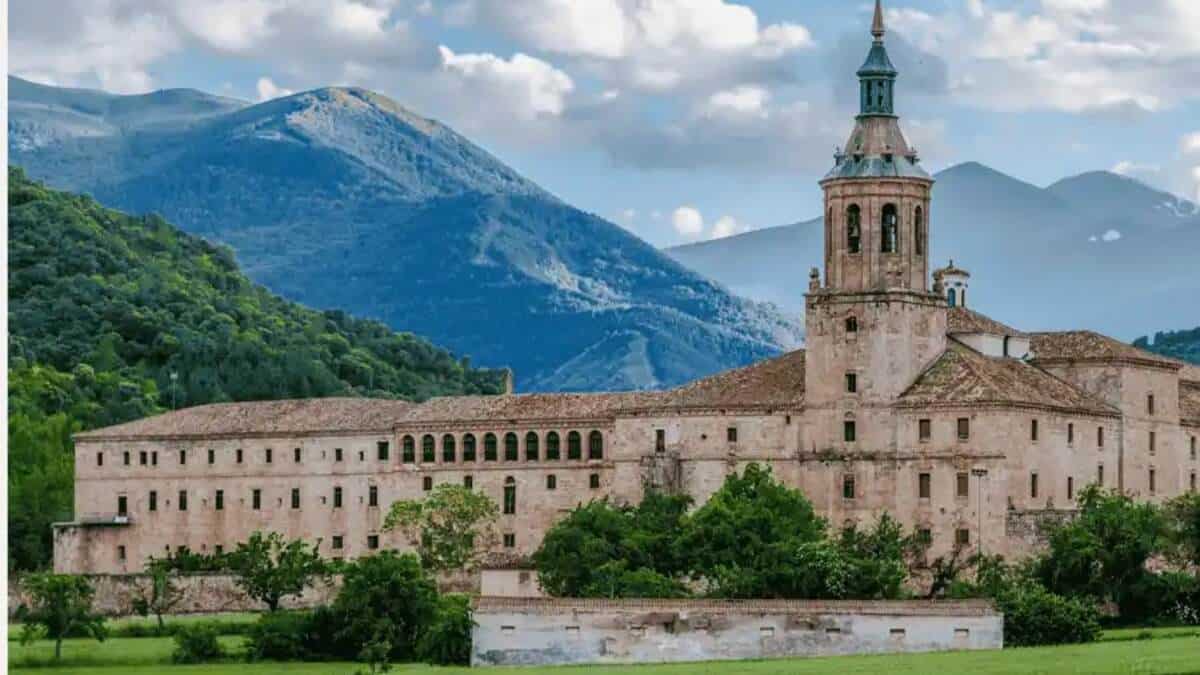
Spain’s La Rioja, Germany’s Palatinate, Austria’s SalzburgerLand and Croatia’s Istria will turn their autumn festivals into major wine and food events from 2026. From Germany’s Dürkheimer Wurstmarkt, and Austria’s Bauernherbst to the San Mateo Harvest and Rioja Wine Festival in Spain, these regions are bringing their rural traditions, food, wine and agricultural products to the tourism spotlight. From the 19th to the 25th of September 2026, tourism boards across Europe will compete for the attention of visitors looking for autumn activities beyond wine and harvest. Autumn provides travellers the opportunity to experience rural and less populated regions of Europe in the off-peak season.
European agricultural and rural traditions help celebrate the transition of the season and extend the tourist season. Besides agriculture and wine, rural traditions also encompass a myriad of cultural activities ranging from medieval fairs to winter celebrations and sacred music. Instead of going to cities to see landmarks, tourists enjoy wine making and harvest activities in rural and mountain areas. Seasonal activities and off peak tourism help achievement of the 2030 sustainable development goals of member states.European agriculture and tourism have a mutual synergistic benefit in generating income and showcasing cultural traditions.
Europe’s Autumn Tourism Growth Driven By Authentic Local Traditions And Seasonal Experiences
Autumn tourism is becoming a major part of Europe’s cultural travel economy because it offers visitors experiences that cannot be replicated throughout the year.
The season brings together several unique tourism themes:
Advertisement
Advertisement
- Wine harvesting in Spain, Germany and France
- Alpine cattle traditions in Austria
- White truffle hunting and culinary festivals in Croatia
- Rural markets featuring regional products
- Local music, crafts and traditional performances
These celebrations are deeply connected with agricultural calendars rather than being created only for visitors. This connection gives travellers an opportunity to experience the real cultural character of each destination. Europe’s autumn destinations are also benefiting from changing travel patterns. Many visitors now prefer travelling outside the traditional summer holiday period because of comfortable weather conditions and opportunities to explore smaller communities.
Advertisement
Advertisement
According to the latest seasonal travel trends, autumn is becoming a key period for food, wine and cultural tourism across Europe, with destinations such as La Rioja, Istria and Alpine Austria attracting travellers through harvest-based experiences.
Spain’s Logroño Places Rioja Wine Heritage At The Centre Of Autumn Travel In 2026
The city of Logroño in Spain’s La Rioja region will become one of Europe’s leading wine tourism destinations during the San Mateo Festivities and 69th Rioja Wine Harvest Festival from 19 to 25 September 2026. Known as the capital of Rioja wine culture, Logroño combines traditional harvest rituals, gastronomy and public celebrations to create one of Spain’s most important autumn tourism events.
The festival features more than 350 official events, turning the city into a major cultural destination for domestic and international visitors. Events take place across key locations including:
Advertisement
Advertisement
- Plaza del Ayuntamiento
- Paseo del Espolón
- Casco Antiguo historic district
- Calle Laurel and Calle San Juan culinary areas
The celebration officially begins with the traditional El Chupinazo rocket launch from Plaza del Ayuntamiento. One of the most important cultural moments is the historic Pisado de la Uva, or grape stomping ceremony.
During this tradition, two children dressed in regional costumes crush freshly harvested grapes barefoot inside a large wooden container known as a tina. The first grape juice, called mosto, is collected and blessed before being dedicated to the Virgin of Valvanera. The ceremony represents the beginning of the new wine season and reflects the deep relationship between La Rioja’s communities and vineyard heritage.
Advertisement
Advertisement
Logroño Tourism Highlights During San Mateo Festival
| Experience | Tourism Importance |
|---|---|
| Traditional grape crushing | Represents the start of Rioja’s wine harvest |
| First must ceremony | Connects wine production with regional heritage |
| Food and wine tastings | Introduces visitors to Riojan cuisine |
| Peñas celebrations | Provides community-based cultural experiences |
| Historic streets | Combines festival tourism with city exploration |
The festival also creates major opportunities for culinary tourism. Local groups known as peñas organise daily food and wine tastings featuring regional specialities, including grilled dishes and traditional Riojan recipes.
For international travellers, Logroño offers strong connectivity. Direct train services connect the city with Madrid and Zaragoza, while its location allows visitors to combine vineyard experiences with coastal tourism in San Sebastián and the Basque Country. The combination of wine, gastronomy and heritage makes La Rioja one of Europe’s strongest autumn travel destinations.
Germany’s Bad Dürkheim Attracts Global Wine Travellers With The Historic Wurstmarkt Festival
Germany’s Palatinate region will welcome wine enthusiasts during the Dürkheimer Wurstmarkt in Bad Dürkheim from 11–15 September and 18–21 September 2026. Despite its name, which translates as “sausage market”, the event is internationally recognised as one of the world’s largest wine festivals. The festival has historic origins dating back to 1417 and has developed into a major tourism attraction along Germany’s famous Wine Route.
The event transforms Wurstmarktplatz into a large festival area featuring:
- Traditional wine stands
- Regional food producers
- Fairground attractions
- Historic wine villages
- Local vineyard showcases
More than 300 Palatinate wines and sparkling wines are presented during the celebration. A major part of the experience is the traditional Dubbeglas, the region’s distinctive dimpled wine glass commonly used during festivals. Visitors can also experience Weinschorle, a popular drink combining wine with mineral water.
Advertisement
Advertisement
Why Bad Dürkheim Is Becoming A Wine Tourism Hub
| Feature | Tourism Value |
|---|---|
| World-famous wine festival | Attracts international visitors |
| German Wine Route location | Supports longer regional journeys |
| Vineyard landscapes | Encourages cycling and road trips |
| Local producers | Creates authentic wine experiences |
Beyond the festival, Bad Dürkheim serves as a gateway for exploring the wider Palatinate wine region. Travellers can continue towards Neustadt, Landau and other vineyard communities, discovering wineries, historic villages and countryside landscapes. The destination is accessible through regional transport connections from Mannheim, Frankfurt and Heidelberg, making it convenient for international travellers planning European autumn itineraries.
Austria’s SalzburgerLand Creates Alpine Tourism Attraction With Farmers’ Autumn Celebrations
Austria’s SalzburgerLand is offering one of Europe’s most distinctive autumn tourism experiences through Bauernherbst, meaning “Farmers’ Autumn”. Running across the autumn season, the celebration connects more than 70 Alpine villages through traditional farming events, food markets and cultural activities. The highlight is the famous Almabtrieb, the traditional cattle return from high mountain pastures.
During summer, cattle graze in Alpine meadows known as Almen. At the end of the season, farmers bring the animals back to valley farms. When the summer period passes safely without accidents, leading cows are decorated with colourful Alpine flowers, ribbons, mirrors and large bells known as Kuhglocken. This tradition creates a unique tourism experience where visitors witness the connection between mountain communities, farming and nature.
SalzburgerLand Autumn Experiences
- Alpine cattle drives
- Farmers’ markets
- Mountain cheese tastings
- Traditional music performances
- Folk dancing
- Regional food experiences
Visitors can taste products including:
- Almkäse mountain cheese
- Traditional smoked meats
- Rye bread
- Regional spirits
Travellers can stay in Salzburg city or regional bases such as Zell am See, St Johann and Maria Alm before exploring surrounding villages. The destination demonstrates how rural traditions can become powerful tourism assets while protecting local culture.
Advertisement
Advertisement
Croatia’s Istria Builds Culinary Tourism Momentum With White Truffles And Wine Festivals
Croatia’s Istrian peninsula is emerging as one of Europe’s most attractive autumn culinary destinations with its combination of vineyards, forests, olive landscapes and white truffle experiences. The region’s seasonal tourism calendar begins with grape celebrations and continues through November with major food festivals.
Major Istrian Autumn Events 2026
| Festival | Date | Location |
|---|---|---|
| Grape Days | 18–20 September | Buje |
| Zigante Truffle Days | Weekends from 3 October–1 November | Livade |
| Teran and Truffle Festival | 17–18 October | Motovun |
| Tuber Food Fest | 24–25 October | Livade |
The biggest attraction is the rare white truffle, harvested in the damp oak forests of the Mirna River Valley. Livade has become internationally recognised as the truffle capital of Istria, especially after the discovery of the record-breaking “Millennium” white truffle weighing 1.31 kilograms in 1999.
Visitors can experience traditional Istrian cuisine featuring freshly shaved truffles served with homemade pasta varieties such as:
- Fuži
- Pljukanci
These dishes are paired with regional wines including:
- Malvazija Istarska white wine
- Teran red wine
The surrounding medieval hill towns of Motovun and Grožnjan provide additional tourism appeal through historic architecture, forests and countryside landscapes. Northern Istria is best explored by car, with access available from Trieste Airport in Italy and Pula and Zagreb airports in Croatia.
Advertisement
Advertisement
France Adds Autumn Wine Tourism Appeal Through Quieter Seasonal Travel
France remains another important autumn destination as travellers explore wine regions and cultural attractions outside the summer peak period. October provides opportunities for vineyard tours, regional food experiences and countryside travel. French wine regions including Burgundy, Bordeaux and the Loire Valley become attractive for visitors interested in harvest landscapes and wine heritage.
Paris also offers a different autumn atmosphere, with areas such as Montmartre highlighting the connection between urban culture and historic vineyard traditions. The quieter season allows travellers to experience France’s cultural attractions while enjoying regional cuisine and seasonal events.
Europe Autumn Festival Travel Planning Guide 2026
| Destination | Main Attraction | Best Visit Period | Transport Hub | Recommended Pairing |
|---|---|---|---|---|
| Logroño, Spain | Rioja wine harvest | September | Madrid/Bilbao | San Sebastián |
| Bad Dürkheim, Germany | Wine festival | September | Frankfurt/Mannheim | Heidelberg |
| SalzburgerLand, Austria | Alpine traditions | September–October | Salzburg/Munich | Alpine lakes |
| Istria, Croatia | Truffles and wine | October weekends | Trieste/Pula | Rovinj and Poreč |
Travel Advisory For Autumn Europe Journeys
Travellers planning multi-country European trips should check transport conditions before departure. Temporary internal Schengen border checks remain active across some European borders, including routes involving Germany, Austria and neighbouring countries. Visitors travelling by train or car should carry valid passports and identification documents and allow additional time for possible checks.
Accommodation planning is also important because many rural festival locations have limited hotel capacity. Destinations such as Bad Dürkheim and Motovun often experience high demand during major festival periods, with boutique hotels and guesthouses booking months in advance.
Europe’s Autumn 2026 Travel Season Connects Culture, Food And Heritage
The way people in Europe spend their autumns is changing. Instead of seeing it as the end of the travel season, more and more people want to see how different areas of the continent celebrate the harvest. From the vineyards of Rioja to the Alps to Croatia, there are lots of unique and interesting harvest celebrations.
Advertisement
Advertisement
The best part is that tourists can actually learn about the various agricultural and cultural traditions that make each area of Europe unique. Many tourists want to experience off-the-beaten path things to do and see. The 2026 harvest will allow tourists to do just that and give local areas a way to promote their region.
Advertisement
