
Saudi Arabia Teams Up With UAE and Other Nations to Boost Luxury Tourism Aviation

Published
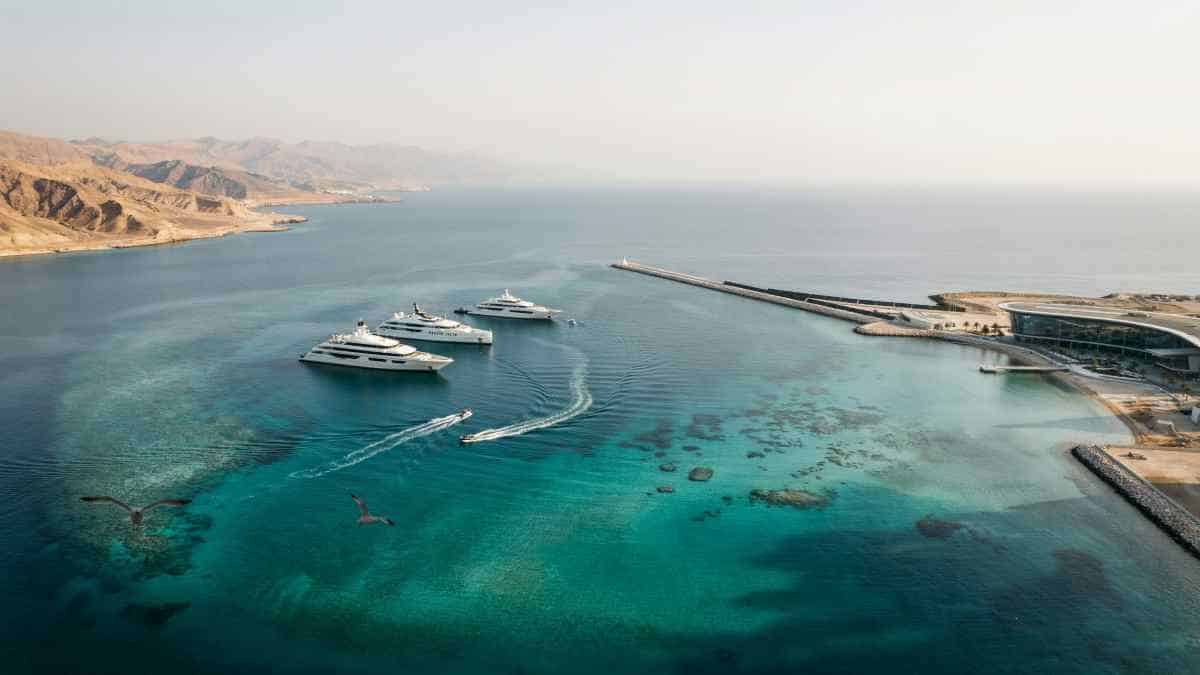
Saudi Arabia partners with UAE and other states to promote luxury tourism aviation. See how Saudi Arabia collaborates with UAE and other states to promote luxury tourism aviation by pioneering regional airline development. As a result, the bold initiative disrupts traditional benchmarks of premium worldwide travel.
Saudi Arabia partners with UAE and other states to promote luxury tourism aviation by pioneering regional airline development. In addition, forward-thinking economic diversification schemes fuel this groundbreaking regional airline revolution. Above all, major international network carriers launch direct flights to hitherto inaccessible ecological coastal destinations. Besides, luxury business travellers gain immediate access to upscale leisure hubs in the Middle East. Most crucially, these landmark international alliances propel premium hospitality infrastructure while at the same time catapulting regional connectivity to soaring new heights.
Advertisement
Advertisement
Driven by massive national economic diversification projects, unprecedented luxury destination airports are opening up, prompting international network airlines to launch dedicated service into previously untouched ecological coastal regions.
You can access official national photo galleries directly through the Saudi Photos Hub.
Advertisement
Advertisement
How is Saudi Arabia pioneering eco-gateways?
Saudi Arabia is rapidly opening ultra-modern specialized gateways specifically designed to run on renewable microgrids and cater to high-end sustainable tourism. The flagship Red Sea International Airport serves as a prime testament to this visionary green transformation.
Advertisement
Advertisement
The Kingdom aims to shift away from traditional mass transit hubs by establishing bespoke entry points that prioritize renewable energy sources and environmental preservation. This strategic focus ensures that luxury tourism growth aligns seamlessly with national ecological commitments under broader development frameworks.
What role do UAE carriers play?
United Arab Emirates network carriers are establishing early footholds by scheduling direct weekly links from regional hubs straight into these newly minted coastal giga-projects. Major operators are securing vital landing rights to funnel long-haul international wealth directly into remote leisure destinations.
These early operational connections create dependable air bridges that eliminate complicated multi-stop itineraries for high-net-worth travelers seeking immediate coastal access. Consequently, regional carriers act as indispensable facilitators of the wider Middle Eastern luxury tourism pipeline.
Advertisement
Advertisement
Why does Thailand serve as a benchmark?
Thailand serves as a comparative benchmark for massive leisure scalability, frequently increasing multi-daily frequencies to accommodate heavy regional tourism demand. Established coastal hotspots demonstrate how mature aviation sectors successfully balance dense passenger throughput with enduring local hospitality standards.
Emerging destinations closely monitor these high-capacity operational models to understand how to scale tourist infrastructure without degrading fragile coastal ecosystems. This comparative analysis provides vital lessons in managing long-term visitor volume effectively.
Advertisement
Advertisement
“This unprecedented wave of cross-border cooperation marks a monumental turning point for global high-end mobility. By merging visionary eco-infrastructure with strategic airline partnerships, these nations are successfully redefining the future of sustainable luxury tourism. Accessing remote coastal paradises has never felt more seamless or environmentally conscious. Furthermore, these collaborative efforts establish an exceptional benchmark for regional development across the entire Middle East. Ultimately, forward-thinking investments in specialized green aviation corridors guarantee long-term economic prosperity while simultaneously preserving fragile coastal ecosystems for future generations of discerning international travelers worldwide.”
— Anup Kumar Keshan, Founder and Editor-in-Chief, Travel And Tour World
How are Kuwaiti carriers expanding footprints?
Kuwait is expanding its regional footprint with agile carriers launching pioneering routes into developing emerging markets across East Africa and the Middle East. These nimble operators utilize flexible scheduling to connect secondary economic zones directly to main trunk routes.
Such strategic routing empowers smaller airlines to capture lucrative niche leisure segments that larger mainline carriers frequently overlook. This dynamic expansion ultimately reinforces the interconnectedness of regional aviation markets.
Rapid economic diversification requires new sources of income beyond traditional fields like oil. As a result, governments were quick to develop high-end coastal giga-projects to satisfy the wealthiest global consumers. Eco-airports are now able to link remote destinations with international transportation hubs. Such a dynamic can be explained by the fact that leading cross-border airline alliances can offer to bypass multiple destinations and provide global coverage. A similar effect is seen when major premium carriers dominate the market due to their ability to occupy lucrative markets with luxury tourism. As a result, this development will have a beneficial effect on the economy and ensure long-term prosperity for the local environment.
The rapid growth of high-end regional airlines is a sign of a fundamental change in the international tourist industry. Cross-border airline alliances are successful in linking remote ecological destinations with major global transportation hubs. At the same time, such a partnership model sets a benchmark for high-class tourism and sustainable development worldwide. Finally, an increase in the number and capabilities of airlines will allow remote coastal locations to be more conveniently integrated into the global tourism system. For this reason, the regional tourism market enjoys a good prognosis in terms of long-term sustainability and prosperity.
Advertisement
