
Madrid Joins London, Berlin and More as Pride Celebrations Boost European City Tourism: All You Need to Know

Published
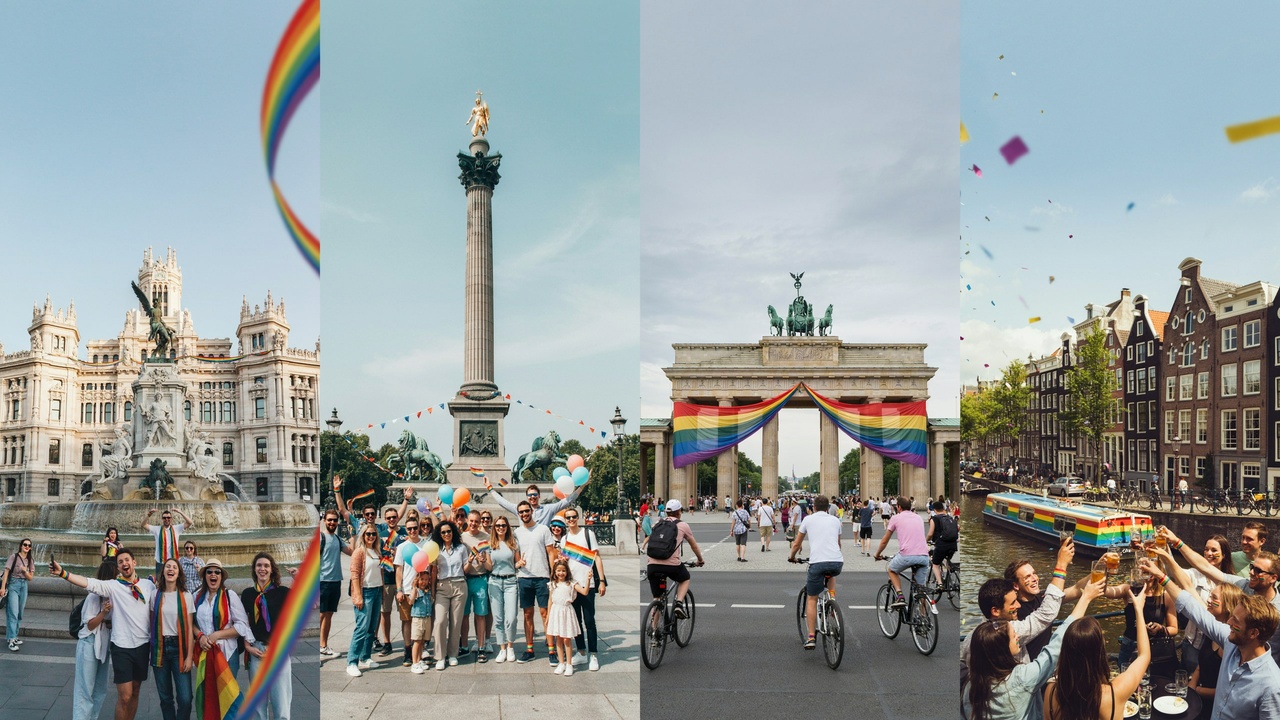
Across Europe, Pride celebrations have evolved into some of the most recognised cultural events on the international travel calendar. Cities such as Madrid, London, Berlin and Amsterdam have developed strong identities around their annual celebrations, attracting visitors through a combination of festivals, performances, community events, nightlife, heritage experiences and urban exploration.
Pride events are no longer limited to a single parade day. Many destinations now organise extended programmes featuring concerts, exhibitions, discussions, cultural activities and city-wide experiences that encourage visitors to explore local attractions while attending celebrations.
Advertisement
Advertisement
For the tourism sector, these events create opportunities for city hotels, restaurants, transport services, cultural venues and local businesses. The celebrations also highlight how major European cities use cultural events to strengthen their international tourism appeal.
| City | Country | Main Pride Attraction | Tourism Appeal |
|---|---|---|---|
| Madrid | Spain | Madrid Pride celebrations | Large-scale festival atmosphere, culture and nightlife |
| London | United Kingdom | Pride in London | Historic landmarks, entertainment and diverse experiences |
| Berlin | Germany | Christopher Street Day | Alternative culture, history and creative scene |
| Amsterdam | Netherlands | Pride Amsterdam | Canal events, heritage and city experiences |
Why are Madrid London Berlin and Amsterdam becoming major Pride travel destinations?
These four European cities have built global recognition through a combination of accessibility, cultural reputation and established event infrastructure.
Advertisement
Advertisement
Visitors are attracted not only by the celebrations but also by the wider destination experience.
Key reasons include:
Advertisement
Advertisement
| Tourism Factor | Visitor Benefit |
|---|---|
| International transport connections | Easy access from global markets |
| Strong hospitality sectors | Wide choice of accommodation |
| Cultural landmarks | Additional sightseeing opportunities |
| Established event organisation | Structured visitor experiences |
| Diverse entertainment options | Longer city stays |
Modern travellers increasingly combine major events with traditional tourism activities. A Pride trip can include museums, historic districts, local cuisine, shopping areas and cultural attractions.
Madrid strengthens its position as one of Europe’s biggest Pride destinations
Madrid has become one of Europe’s most recognised Pride destinations, with its celebrations centred around the Chueca neighbourhood and surrounding areas.
The Spanish capital combines a major public event with its wider tourism strengths, including museums, architecture, gastronomy and nightlife. Madrid’s Pride programme has historically attracted both domestic and international visitors, making it an important period for the city’s hospitality sector.
| Madrid Travel Experience | Visitor Interest |
|---|---|
| Chueca district | Cultural and social hub |
| Historic city centre | Architecture and heritage |
| Museums | Art and history tourism |
| Spanish cuisine | Food-focused travel |
| Nightlife | Entertainment experiences |
Beyond the celebrations, visitors can explore landmarks such as the Royal Palace, Prado Museum and historic neighbourhoods, creating a complete city-break experience.
Madrid’s combination of cultural heritage and large-scale events has helped establish the city as a key European destination for festival-based tourism.
London combines Pride celebrations with global city attractions
London offers a unique Pride experience because the event takes place within one of the world’s most internationally recognised cities.
Advertisement
Advertisement
The British capital provides visitors with a wide range of attractions beyond the celebration itself, including museums, theatres, historic landmarks, shopping districts and culinary experiences.
| London Attraction | Tourism Value |
|---|---|
| Westminster area | Historic landmarks |
| British Museum | Cultural tourism |
| West End theatres | Entertainment |
| Borough Market | Food experiences |
| River Thames | City sightseeing |
Pride in London has become part of the city’s broader cultural calendar, bringing together public events, performances and community activities.
For international travellers, London provides the advantage of combining a major cultural celebration with one of Europe’s strongest tourism ecosystems.
Berlin delivers a distinctive Pride experience through history culture and creativity
Berlin’s Pride celebrations reflect the city’s reputation for creativity, alternative culture and historical significance.
Known as Christopher Street Day, Berlin’s event combines celebration with cultural expression and draws visitors interested in the city’s unique atmosphere.
The German capital offers travellers a different experience compared with traditional European city breaks.
Advertisement
Advertisement
| Berlin Experience | Why Visitors Explore It |
|---|---|
| Brandenburg Gate | Iconic city landmark |
| Museum Island | World heritage attractions |
| Street art districts | Creative tourism |
| Historic neighbourhoods | Local culture |
| Nightlife areas | Entertainment |
Berlin’s appeal comes from its ability to connect contemporary culture with important historical locations.
The city attracts visitors who want both event participation and deeper exploration of Germany’s capital.
Amsterdam combines Pride celebrations with canals history and cultural tourism
Amsterdam has developed one of Europe’s most distinctive Pride experiences by connecting celebrations with the city’s famous canal landscape and cultural identity.
The city’s canal-based events create a unique visual experience that separates Amsterdam from many other destinations.
| Amsterdam Feature | Visitor Appeal |
|---|---|
| Historic canals | Iconic European scenery |
| Museums | Art and cultural tourism |
| Cycling culture | Local exploration |
| Waterfront experiences | Unique event atmosphere |
| Historic districts | Heritage discovery |
Amsterdam’s compact design allows visitors to combine event participation with walking tours, museum visits, canal cruises and local dining.
The city’s established reputation as an international cultural destination continues to support its position among Europe’s leading Pride travel locations.
Advertisement
Advertisement
How Pride events support European tourism economies
Large cultural events contribute to tourism by increasing demand across multiple sectors.
The impact extends beyond event venues.
| Tourism Sector | Possible Benefits |
|---|---|
| Hotels | Increased accommodation demand |
| Restaurants | Higher visitor spending |
| Transport | More passenger activity |
| Retail | Increased shopping opportunities |
| Attractions | Additional tourist visits |
Cities often use major events to encourage visitors to stay longer and discover more of the destination.
This approach supports city tourism strategies focused on cultural experiences rather than only traditional sightseeing.
Why travellers are choosing event-based city breaks in Europe
Event tourism is becoming increasingly important because visitors want experiences connected to culture, communities and local identity.
Instead of visiting a destination only for landmarks, many travellers now plan trips around festivals, exhibitions, concerts and international events.
Advertisement
Advertisement
Pride celebrations represent this broader shift by combining:
- Cultural participation
- Entertainment
- City exploration
- Social experiences
- Local discovery
European cities benefit because these events encourage visitors to experience destinations beyond peak holiday seasons.
The future of Pride tourism across Europe
The growth of Pride-related travel demonstrates how cultural events can strengthen destination identities.
Madrid, London, Berlin and Amsterdam show different approaches to attracting visitors:
- Madrid focuses on large-scale celebration and urban culture.
- London combines global city tourism with major events.
- Berlin connects Pride with creativity and history.
- Amsterdam integrates celebrations with heritage and unique city landscapes.
As travellers continue searching for meaningful experiences, European cities are expected to place greater focus on cultural events as part of their tourism strategies.
Frequently Asked Questions
1. Which European cities are famous for Pride celebrations?
Madrid, London, Berlin and Amsterdam are among Europe’s most recognised Pride destinations because of their large events, cultural attractions and international visitor appeal.
Advertisement
Advertisement
2. Is Pride tourism only about attending the parade?
No. Many visitors combine Pride events with sightseeing, food experiences, museums, nightlife and cultural exploration.
3. Which city offers a historic Pride travel experience?
London and Berlin offer strong historical connections through their landmarks, museums and cultural backgrounds.
4. Why is Amsterdam popular among Pride travellers?
Amsterdam attracts visitors through its canal-based celebrations, compact city layout, museums and international tourism reputation.
5. What makes Madrid attractive during Pride season?
Madrid combines a major celebration with Spanish culture, gastronomy, nightlife and famous city attractions.
6. Can families visit cities during Pride events?
Yes. Many Pride programmes include cultural activities, performances and public events designed for diverse audiences.
7. How do Pride events benefit tourism?
They increase visitor numbers, support local businesses and encourage travellers to explore destinations through cultural experiences.
Conclusion
Madrid, London, Berlin and Amsterdam have transformed Pride celebrations into powerful tourism experiences that connect culture, entertainment and city discovery. These destinations demonstrate how international events can create new reasons for travellers to visit while strengthening local economies. As cultural tourism continues to expand, Pride celebrations remain an important part of Europe’s evolving travel landscape.
Advertisement
