
Experience the Magic of Oman’s Sarb Season: Why Dhofar’s Post-Monsoon Paradise is Your Ultimate 2026 Escape

Published
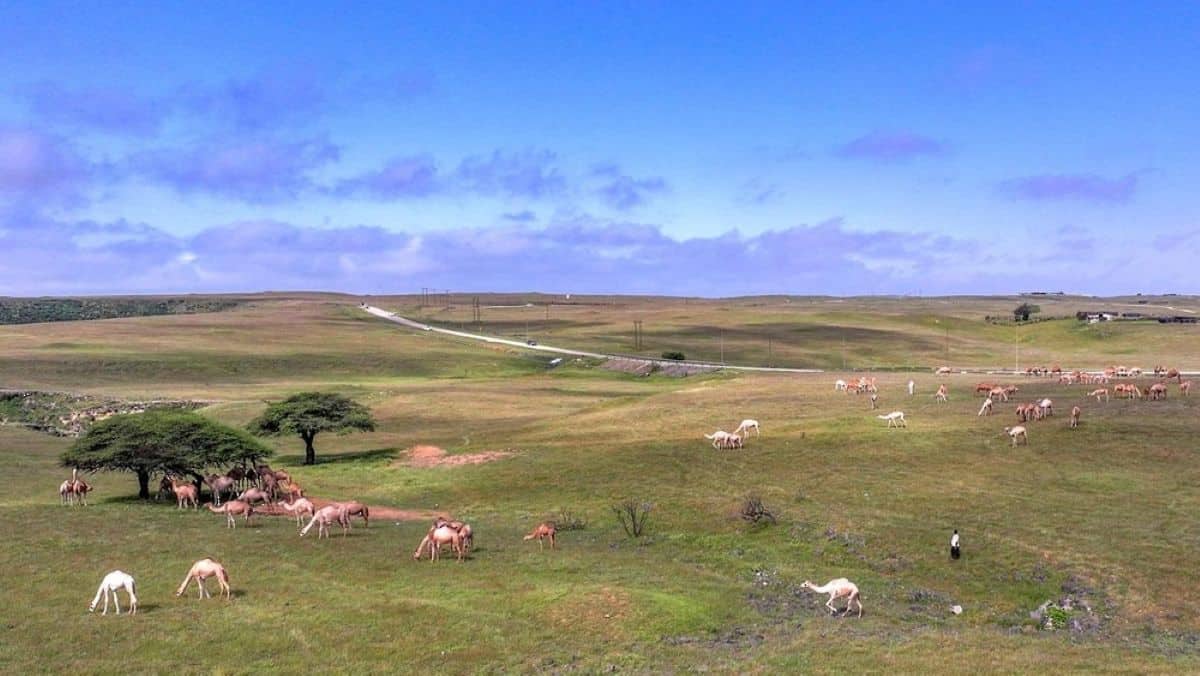
The astronomical beginning of Sarb marks the beginning of a season of special beauty and tranquillity in the Sultanate of Oman, especially in the Dhofar Governorate. The mighty power of the Khareef monsoon slowly fades away, and the southern part of the Arabian Peninsula undergoes a major change. This in-between period is a rare combination of temperate weather, emerald landscapes, and tranquil seclusion for travellers fleeing the unrelenting heat of neighbouring countries and throngs of peak tourist seasons. This is a change that anyone planning a sophisticated Middle Eastern itinerary will have to understand as the landscape shifts from misty downpours to crystal clear skies, vibrant valleys and an atmosphere of peaceful reflection.
The Meteorological and Astronomical Shift of Sarb
The transition from the height of the monsoon to the Sarb season is governed by precise astronomical changes that dictate the seasonal rhythm of the Arabian Sea and the southern coast of Oman. Officially marking the shoulder season that bridges the heavy precipitation months and the dry winter, Sarb brings a gradual clearing of the skies while retaining the vital moisture captured during the previous weeks. According to meteorological data provided by Oman’s Civil Aviation Authority (CAA), temperatures during this period stabilize comfortably, hovering in the pleasant mid-20s to low 30s Celsius, creating an ideal outdoor environment.
This meteorological shift is characterized by a dramatic reduction in dense fog, replaced instead by gentle morning mists that evaporate by midday to reveal brilliant, unbroken sunshine. Official tourism data from the Ministry of Heritage and Tourism highlights that this precise window attracts discerning travelers who prefer tranquil exploration over the bustling peak-season rush. The ecosystem responds immediately to the delicate balance of lingering soil moisture and abundant sunlight, prompting local flora to flourish in vibrant shades of green that contrast sharply against the rugged limestone cliffs of the Dhofar mountain range.
Ecological Rebirth and Landscape Transformation
During the Sarb season, the topography of Dhofar undergoes a remarkable ecological metamorphosis that captivates nature lovers and photographers alike. The seasonal streams, locally known as wadis, continue to flow with crystal-clear water, fed by the deep aquifers and subterranean springs thoroughly replenished during the preceding Khareef months. Valleys such as Wadi Darbat become prime examples of this natural phenomenon, where cascading waterfalls gradually slow down into tranquil, mirror-like pools flanked by dense vegetation and grazing wildlife.
Advertisement
Advertisement
Official environmental reports from the Environment Authority emphasize that this post-monsoon period is critical for biodiversity preservation in southern Oman. Migratory birds begin to frequent the coastal lagoons, sabkhas, and inland wadis, making the region a premier destination for ornithologists and wildlife enthusiasts. The rich pastures, nurtured by months of continuous mist, provide abundant grazing for local camels and cattle, painting a pastoral picture that remains entirely unexpected for travelers accustomed to traditional desert landscapes. Furthermore, the agricultural terraces of Salalah burst into productivity, yielding abundant harvests of tropical fruits such as papayas, coconuts, bananas, and the famous Dhofari frankincense trees, which have thrived in this unique microclimate for millennia.
Advertisement
Advertisement
Cultural Heritage and Slow Travel Experiences
Beyond its undeniable natural splendour, the Sarb season offers an unparalleled backdrop for cultural immersion and heritage tourism. With fewer crowds populating historical sites and archaeological parks, visitors are afforded a contemplative environment to explore the rich history of the region without distraction. The Land of Frankincense sites, recognized universally as UNESCO World Heritage locations, including the ancient port of Al Baleed and the archaeological ruins of Sumhuram, can be explored at a leisurely, immersive pace.
Government-backed cultural preservation initiatives actively encourage travelers to engage respectfully with local traditions, artisan markets, and heritage villages. The relaxed pace of Sarb allows for deeper connections with local communities, where traditional crafts, indigenous music, and authentic coastal cuisine take centre stage. Visitors are routinely encouraged to sample local culinary delicacies infused with wild herbs that sprout exclusively during this specific post-monsoon window. By prioritizing sustainable, slow travel practices during Sarb, visitors contribute directly to the local economy while preserving the delicate ecological and cultural balance of the Dhofar Governorate for future generations to come.
Practical Planning Tips for Your Sarb Journey
Dhofar is a great place to visit during the Sarb season. But it needs to be planned to get the most comfort and enjoyment from the changing landscape. Bring light layers because mornings in the mountains may bring a brisk breeze and afternoons may stay warm and sunny. Renting a four-wheel-drive vehicle is highly advised for travelers wishing to venture off the main paved highways to explore remote mountain passes, hidden wadis, and coastal cliffs.
And it’s a good idea to book your accommodation well ahead of time, since Salalah’s boutique eco-lodges and luxury resorts are in high demand from regional visitors who know the unique value of this seasonal window. Follow local customs and environmental guidelines in protected nature reserves and support local artisan cooperatives for a deeply rewarding and ethical travel experience. Sarb oozes with its understated charm, inviting each visitor to slow down, inhale deeply and experience a side of Arabia that is like an undiscovered secret.
Advertisement
