
Tanzania Follows Mozambique and More As Australia Expands Travel Advisory With New Safety Alerts On Protests And Border Risks

Published
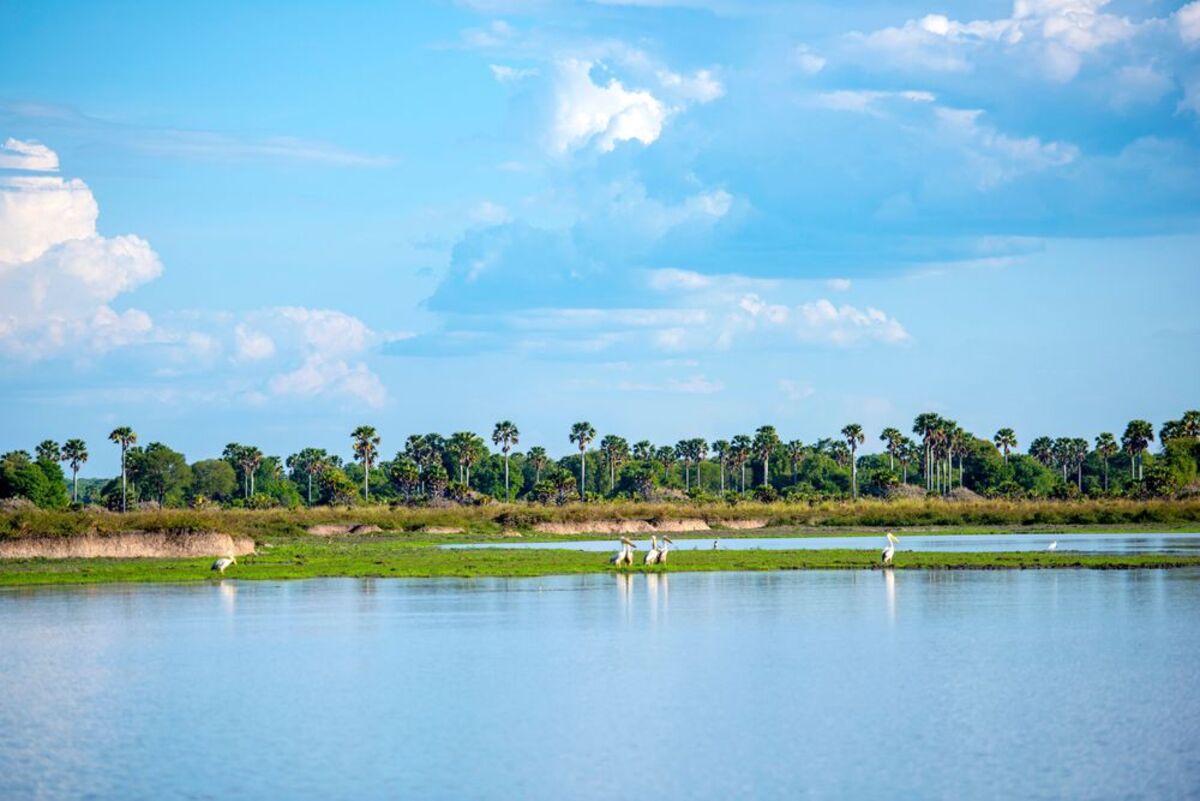
Tanzania, Mozambique and others get new travel warnings from Australia over growing dangers. Australian government has issued new travel alerts to several popular destinations, warning citizens and visitors of potential security threats, protests, extreme weather, border issues and other factors affecting safety. Tanzania, Colombia, Mozambique and Brazil are among the countries which received warning from the authorities, with tourists being urged to pay attention to the evolving security situation, avoid risky areas and follow the guidance of the local representatives.
The advisory does not mean all travel is restricted, but it highlights situations that could affect tourists, including sudden unrest, crime, terrorism threats, natural disasters and transport disruptions. Travellers planning holidays, wildlife adventures, coastal trips or business visits to these destinations are encouraged to prepare carefully before departure.
Advertisement
Advertisement
Tanzania Travel Warning Grows As Tourists Face Protest Risks, Crime Concerns And Border Security Threats
Tanzania remains one of East Africa’s most popular tourism destinations, attracting millions of visitors with attractions such as Serengeti National Park, Mount Kilimanjaro and Zanzibar’s beaches. However, Australia’s updated travel advice highlights several risks that tourists should understand before visiting.
Travellers have been advised to avoid protests and demonstrations because gatherings can become violent with little warning. Tourists should monitor local news, remain away from large crowds and follow guidance from security authorities during periods of unrest.
Advertisement
Advertisement
Security concerns are also linked to terrorism risks. Authorities warn that attacks could happen unexpectedly, including in locations visited by foreign travellers. Extra caution is advised in areas where security incidents have previously occurred.
The Tanzania-Mozambique border area in the Mtwara region is a major concern. Travellers are advised not to enter areas close to the border because of security incidents involving armed groups and possible militant activity.
Advertisement
Advertisement
Crime is another important issue for visitors. Theft, armed robbery, carjacking and home invasions have been reported, particularly in Dar es Salaam and some areas around Arusha. Tourists are advised to remain alert in crowded locations, protect personal belongings and avoid unnecessary risks after dark.
Digital activity is also highlighted in the advisory. Visitors should be careful when sharing online content, especially material that could be considered politically sensitive or unlawful under local regulations.
Advertisement
Advertisement
Weather conditions can also affect travel plans. During rainy seasons, floods may block roads and disrupt transport networks. Coastal and island areas may experience monsoon conditions, while cyclones can affect some coastal regions.
Tourists travelling to Tanzania should also understand entry and health requirements. Visitors may need visas before arrival, and health screenings or vaccination certificates may apply depending on travel history and origin countries.
Mozambique Travel Advisory Warns Tourists About Terrorism, Kidnapping Risks And Natural Disasters
Mozambique remains a growing tourism destination known for its beaches, islands and marine experiences. However, Australia’s advisory highlights security challenges, especially in northern regions.
Terrorism remains a concern in areas including Cabo Delgado and parts of Nampula and Niassa provinces. Violent clashes between militant groups and security forces have occurred, and visitors are advised to avoid affected areas.
Advertisement
Advertisement
Foreign visitors and international interests may face increased attention from criminal and extremist groups. Kidnapping risks also remain a concern in certain locations, requiring travellers to carefully assess destinations before visiting.
Tourists should also be cautious during demonstrations and strikes. Public gatherings can disrupt roads, airports and transport services, creating unexpected challenges for visitors.
Crime remains another concern, especially after dark. Travellers are advised to avoid isolated areas, stay in secure locations and take precautions when moving around cities and tourist areas.
Mozambique is also vulnerable to natural hazards. Flooding, cyclones, mudslides and earthquakes can disrupt transport, damage infrastructure and affect holiday plans.
Visitors travelling through Mozambique should also understand border and entry requirements. Visa rules, documentation requirements and health regulations can change, making it important to confirm information before departure.
Marine travellers should remain aware of safety conditions because piracy risks exist in parts of the Indian Ocean. Boat operators and visitors planning coastal journeys should follow safety guidance.
Advertisement
Advertisement
Colombia Travel Alert Highlights Security Issues, Unrest And Regional Travel Disruptions
Colombia continues to attract international visitors with destinations such as Cartagena, Bogotá, Medellín and Tayrona National Park. However, Australia’s travel advice highlights several security concerns that tourists should consider when planning their journey.
Recent clashes involving illegal armed groups have increased security measures in Santa Marta and surrounding areas. These incidents may affect travel routes, including roads used by visitors heading towards popular natural attractions.
Tourists are advised to monitor local information and remain prepared for sudden changes to travel plans. If unrest or violence occurs, visitors should leave the area when safe or remain in a secure location until conditions improve.
Some regions of Colombia carry higher security risks because of criminal activity and armed group presence. Travellers are advised to reconsider trips to certain areas, including parts of Chocó and Nariño, as well as some border regions near Ecuador, Venezuela, Brazil and Peru.
The advisory also highlights continuing terrorism risks in areas including Cauca and Valle del Cauca. Visitors should remain alert, avoid affected locations and follow instructions from local authorities.
Violent crime and gang-related activity remain concerns in some parts of Colombia. Criminal groups may target visitors through robbery and scams, while some criminals have reportedly used methods to incapacitate victims.
Advertisement
Advertisement
Tourists exploring remote areas should take additional precautions. Hiking routes, adventure activities and isolated locations may carry increased risks, making it important to use trusted operators and experienced guides.
Brazil Travel Advisory Highlights Crime Risks, Weather Disruptions And Tourist Safety Concerns
Brazil continues to attract millions of international visitors every year with famous destinations including Rio de Janeiro, São Paulo, the Amazon region and beach resorts. However, Australia’s travel advice highlights several safety issues tourists should consider.
Violent crime, including robbery, mugging and carjacking, remains a concern in some major cities. Visitors are advised to avoid isolated locations, remain cautious at night and take extra care in crowded tourist areas.
Certain neighbourhoods with high crime levels should be avoided by visitors. Tourists should research areas carefully before travelling and use reliable transport options.
Large protests can occur unexpectedly in Brazil. These gatherings may affect roads, public transport and city movement. Travellers should monitor local information and avoid demonstrations.
Weather conditions can also create challenges. Heavy rainfall, flooding and landslides may affect transport networks, while severe storms can cause travel delays.
Advertisement
Advertisement
Tourists should also pay attention to local entry requirements. Visa rules and border procedures may change, so travellers should confirm requirements before departure.
Global Travel Message Encourages Preparation, Awareness And Responsible Tourism
The latest travel advisory covering Tanzania, Colombia, Mozambique and Brazil highlights a wider message for international travellers: preparation remains essential.
Tourists can reduce risks by researching destinations before travelling, purchasing comprehensive insurance, keeping emergency contacts available and respecting local laws and instructions.
From African wildlife destinations to South American cultural hotspots, these countries continue to offer unforgettable experiences. However, travellers should remain aware of changing conditions, especially when visiting areas affected by security concerns, extreme weather or local disruptions.
Tanzania, Colombia and more get new travel warnings from Australia as issues like protests, weather hazards, and security challenges mount, with an advisory urging caution, avoiding troubled areas as well as preparing for possible disruptions for those visiting.
Being informed can help both residents as well as visitors as they look to engage in various activities. The advisory makes it clear that being informed is a necessary component of any well-rounded, contemporary travel experience.
Advertisement
