
Pacific Tourism Surges in 2026 as Fiji, Cook Islands, Samoa, Vanuatu and French Polynesia Transform Global Travel With Award Recognition, Luxury Resorts and Authentic Island Adventures

Updated
Published
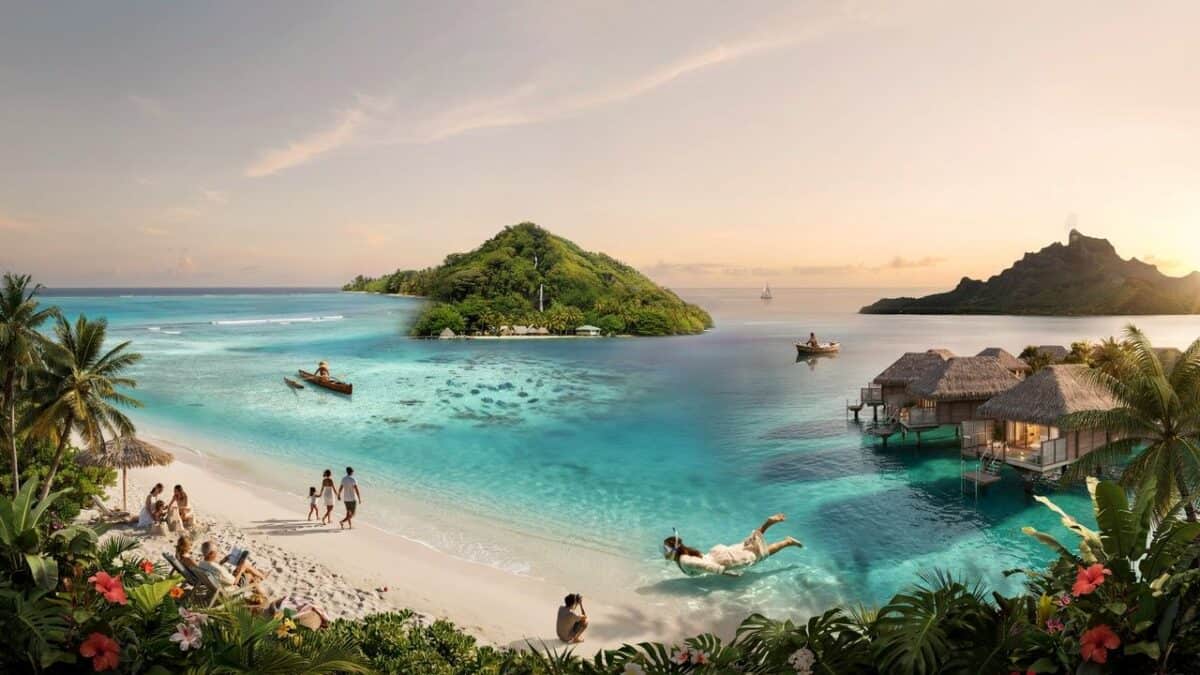
The Pacific Islands are entering a powerful new chapter in global tourism as destinations such as Fiji, Cook Islands, Samoa, Vanuatu and French Polynesia gain increasing attention through major international travel awards and industry recognition. In 2026, these island destinations are being highlighted for their luxury resorts, natural beauty, cultural experiences and unique visitor offerings. The growing recognition shows how the Pacific is becoming one of the most exciting tourism regions in the world.
International travel awards are placing more focus on island destinations that offer authentic experiences, responsible tourism and unforgettable landscapes. The 2026 World Travel Awards Oceania nominations include several Pacific destinations and tourism businesses competing across important categories, reflecting the region’s rising influence in global travel.
Advertisement
Advertisement
For decades, Pacific Islands were viewed mainly as remote beach destinations. Today, they are becoming complete travel experiences. Visitors are searching for culture, adventure, wellness, marine activities and sustainable escapes. This shift is helping Pacific nations strengthen their position in the competitive international tourism market.
Fiji Leads Pacific Tourism Momentum With Global Travel Recognition
Fiji continues to stand as one of the strongest tourism forces in the Pacific. The destination has built a global reputation through its tropical islands, warm hospitality, luxury resorts and rich cultural traditions. In 2026, Fiji properties and tourism operators are receiving international attention through leading travel award platforms.
Advertisement
Advertisement
The 2026 World Travel Awards Oceania nominations feature multiple Fiji entries across tourism categories. These include leading resorts and travel experiences that represent the country’s premium tourism sector.
Fiji’s tourism success comes from its ability to combine natural beauty with meaningful cultural connections. Travellers are attracted to its white-sand beaches, coral reefs, diving experiences, island villages and traditional celebrations.
Advertisement
Advertisement
The country is also expanding beyond traditional holiday tourism. Fiji is attracting honeymoon travellers, luxury visitors, wellness seekers and adventure tourists. Resorts are creating experiences that connect visitors with local communities and the natural environment.
This approach is helping Fiji maintain its position as a leading South Pacific destination while creating stronger competition among Pacific island nations.
Cook Islands Builds Strong Global Appeal Through Authentic Island Experiences
The Cook Islands is another Pacific destination gaining attention in international tourism circles. The islands are known for their peaceful atmosphere, Polynesian culture, turquoise lagoons and boutique hospitality experiences.
The Cook Islands has been included among the Pacific destinations recognised through the 2026 World Travel Awards Oceania programme. The country continues to promote itself as a destination for travellers seeking authentic island experiences away from crowded tourism centres.
Unlike larger tourism markets, the Cook Islands focuses on personalised travel experiences. Visitors can explore traditional villages, enjoy marine adventures and experience local island life.
The destination’s appeal is growing among travellers who want slower, more meaningful journeys. Many visitors are now choosing destinations that offer connection, nature and cultural discovery rather than only luxury facilities.
Advertisement
Advertisement
The Cook Islands benefits from this global travel trend. Its smaller scale allows it to offer a more intimate island experience while maintaining high-quality hospitality standards.
French Polynesia Remains a Luxury Tourism Giant in the Pacific
French Polynesia continues to represent the luxury side of Pacific tourism. Famous locations such as Tahiti and Bora Bora remain among the world’s most recognised island destinations.
The region has gained international attention through luxury resort recognition and tourism award nominations. Properties including The St. Regis Bora Bora Resort have appeared among 2026 World Travel Awards Oceania nominees, showing the continued strength of French Polynesia’s luxury tourism sector.
French Polynesia attracts travellers searching for premium experiences. Overwater villas, crystal-clear lagoons, marine activities and romantic escapes continue to define its global image.
However, the destination is also focusing on cultural and environmental tourism. Modern travellers increasingly want experiences that respect local communities and protect fragile island ecosystems.
French Polynesia’s combination of luxury, nature and heritage keeps it among the Pacific’s most powerful tourism brands.
Advertisement
Advertisement
Samoa Highlights Culture and Community-Based Tourism Growth
Samoa represents the cultural heart of Pacific tourism. The island nation is known for its traditions, hospitality and strong connection between communities and visitors.
Samoa has gained recognition through regional tourism platforms and continues to appear among Pacific destinations receiving global attention. The country’s tourism model focuses heavily on cultural experiences, local communities and authentic island lifestyles.
Travellers visiting Samoa can experience traditional villages, historic sites, natural attractions and local customs. These experiences provide something different from conventional beach holidays.
The global tourism industry is increasingly valuing destinations that preserve identity. Samoa benefits from this trend because its culture remains one of its strongest tourism assets.
The country demonstrates how smaller Pacific nations can compete internationally by offering experiences that cannot easily be copied elsewhere.

Vanuatu Strengthens Its Position as an Adventure Tourism Destination
Vanuatu is gaining attention as an emerging adventure tourism destination in the Pacific. The island nation offers volcanic landscapes, underwater attractions, forests and cultural experiences.
Advertisement
Advertisement
Vanuatu is included among destinations represented in the 2026 World Travel Awards Oceania programme. Its tourism industry continues to promote nature-based travel and adventure experiences.
The country attracts travellers looking for unique experiences beyond traditional resort holidays. Activities such as diving, exploring volcanic areas and discovering local communities contribute to Vanuatu’s growing appeal.
Adventure tourism is becoming an important part of global travel demand. Many travellers now prefer destinations where they can explore nature while learning about local traditions.
Vanuatu’s natural environment gives it a strong opportunity to become one of the Pacific’s most exciting emerging tourism destinations.
Pacific Islands Compete Through Sustainable and Experience-Based Tourism
The rise of Pacific Islands in global tourism recognition is not only linked to beautiful beaches and luxury resorts. A major reason behind their growing popularity is the shift towards meaningful travel experiences.
Travellers in 2026 are looking for destinations that offer more than sightseeing. They want cultural connections, nature-based activities and responsible tourism choices. Pacific island nations are responding to this demand by developing tourism models that protect local traditions and natural resources.
Advertisement
Advertisement
Fiji, Cook Islands, Samoa, Vanuatu and French Polynesia are all benefiting from this global change in travel behaviour. Each destination offers a different experience. Together, they represent the diversity of the Pacific tourism market.
Fiji attracts visitors through luxury resorts and adventure activities. Cook Islands focuses on peaceful escapes and authentic Polynesian experiences. French Polynesia remains a symbol of premium island travel. Samoa highlights culture and community. Vanuatu promotes adventure and nature exploration.
This variety gives the Pacific a strong advantage in the global tourism industry. The region is no longer competing only as a beach holiday destination. It is becoming a complete travel region offering different experiences for different types of travellers.
Tourism Awards Increase Global Visibility for Pacific Destinations
International tourism awards play an important role in helping destinations gain worldwide attention. Recognition through respected travel platforms helps countries showcase their strengths to travellers, airlines, investors and tourism businesses.
The 2026 World Travel Awards Oceania programme highlights strong competition among Pacific destinations and tourism operators. Categories covering resorts, hotels, experiences and destinations demonstrate the growing importance of the region in the international tourism market.
For island nations, global recognition can create major opportunities. Many Pacific countries depend heavily on tourism as an important contributor to employment, business growth and economic development.
Advertisement
Advertisement
When destinations receive international attention, they become more visible to travellers searching for new holiday experiences. Increased visibility can support airline connectivity, hotel investment and tourism partnerships.
The recognition also helps smaller island nations compete with larger and more established destinations.
Pacific Islands are proving that size is not the only factor that determines tourism success. Strong identity, unique experiences and quality hospitality can create powerful global appeal.
Luxury Travel Growth Creates New Opportunities Across the Pacific
Luxury tourism is becoming one of the strongest areas of growth across Pacific island destinations.
High-value travellers are increasingly searching for private escapes, exclusive resorts and personalised experiences. This trend is supporting destinations such as Fiji and French Polynesia, where luxury hospitality has become a key part of the tourism economy.
Fiji has developed a strong luxury resort sector with world-class properties located across its islands. These resorts combine premium accommodation with activities such as diving, sailing, wellness programmes and cultural experiences.
Advertisement
Advertisement
French Polynesia continues to attract luxury travellers through its iconic island landscapes and famous overwater accommodation experiences.
The Cook Islands is also benefiting from demand for boutique and exclusive travel. Its smaller resorts and peaceful environment appeal to visitors seeking privacy and relaxation.
This growth shows how Pacific destinations are moving towards higher-value tourism. Instead of focusing only on increasing visitor numbers, many islands are targeting quality experiences that generate stronger economic benefits.
Cultural Tourism Becomes a Powerful Attraction Across Pacific Islands
Culture is becoming one of the biggest strengths of Pacific tourism.
Modern travellers increasingly want to understand the places they visit. They are searching for local traditions, history, food and community experiences.
Pacific nations have a major advantage because their cultural heritage remains deeply connected to everyday life.
Advertisement
Advertisement
Samoa is a strong example of this approach. The country promotes traditional customs, village experiences and local hospitality as important parts of its tourism offering.
Fiji also combines tourism with cultural discovery. Visitors can experience traditional ceremonies, local cuisine and community activities during their stay.
The Cook Islands provides opportunities to explore Polynesian traditions and island lifestyles.
This focus on culture helps Pacific destinations create experiences that cannot be easily replicated by other tourism markets.
As global competition increases, cultural identity is becoming one of the strongest tools for attracting international travellers.

Sustainability Shapes the Future of Pacific Tourism
Environmental protection is becoming a central priority for Pacific tourism growth.
Advertisement
Advertisement
Island destinations face unique environmental challenges. Climate change, rising sea levels and pressure on natural resources require careful tourism planning.
Many Pacific destinations are increasing their focus on sustainable travel practices. Hotels and tourism operators are introducing measures to protect marine environments, reduce waste and support local communities.
Nature-based tourism is also growing. Visitors are increasingly interested in experiences that allow them to enjoy natural beauty while supporting conservation efforts.
Vanuatu’s adventure tourism appeal is closely connected with its natural landscapes. Fiji promotes marine conservation and responsible tourism experiences. French Polynesia continues to protect its fragile lagoon environments.
Sustainable tourism is not only an environmental responsibility. It is also becoming a competitive advantage.
Travellers are making more conscious choices. Destinations that protect their environment and respect local communities are gaining stronger international appeal.
Advertisement
Advertisement
Pacific Tourism Growth Supports Local Economies and Communities
Tourism remains a vital economic sector for many Pacific island nations.
The growth of international recognition can create opportunities for local businesses, hospitality workers and communities.
Hotels, restaurants, transport providers, tour operators and small businesses all benefit when visitor demand increases.
Community involvement is especially important in Pacific tourism. Many destinations are using tourism to support local traditions and create income opportunities for residents.
Cultural tourism allows communities to share their heritage while generating economic benefits.
The expansion of tourism also encourages investment in infrastructure. Improved airports, transport networks and hospitality facilities help destinations welcome more visitors.
Advertisement
Advertisement
However, Pacific countries continue to focus on balanced growth. Protecting natural resources and maintaining cultural identity remain essential as tourism expands.
Pacific Islands Prepare for a Stronger Global Tourism Future
The tourism outlook for Pacific island destinations remains positive. Global travellers are showing increasing interest in unique, remote and authentic destinations.
Recognition through international tourism awards and industry programmes is helping Pacific Islands strengthen their global reputation.
Fiji, Cook Islands, Samoa, Vanuatu and French Polynesia demonstrate how different island nations can succeed by highlighting their own strengths.
The future of Pacific tourism will likely focus on sustainability, cultural experiences, luxury travel and adventure tourism.
These destinations are no longer seen only as distant holiday locations. They are becoming important players in the global tourism industry.
Advertisement
Advertisement
As airlines expand connectivity and travellers continue searching for meaningful experiences, the Pacific Islands are positioned for continued growth.
Conclusion: Pacific Islands Create a New Global Tourism Success Story
Pacific Islands are entering a remarkable period of global tourism growth as destinations including Fiji, Cook Islands, Samoa, Vanuatu and French Polynesia gain international recognition through leading travel award platforms and industry attention.
The region’s success comes from its unique combination of natural beauty, cultural heritage, luxury hospitality and sustainable tourism development.
Fiji continues to lead the Pacific tourism movement with strong global visibility. Cook Islands attracts travellers seeking authentic island experiences. French Polynesia maintains its luxury tourism reputation. Samoa showcases cultural strength. Vanuatu builds its adventure tourism appeal.
Together, these destinations are creating a powerful new image for Pacific tourism.
The future of the region will depend on protecting its environment, supporting local communities and continuing to offer unforgettable experiences.
In 2026, the Pacific Islands are proving that small nations can make a major impact on the world tourism stage.
Advertisement
