
Anse La Raye Teams Up With Laborie and More as Saint Lucia’s Seafood Secrets Tempt Global Travellers

Published
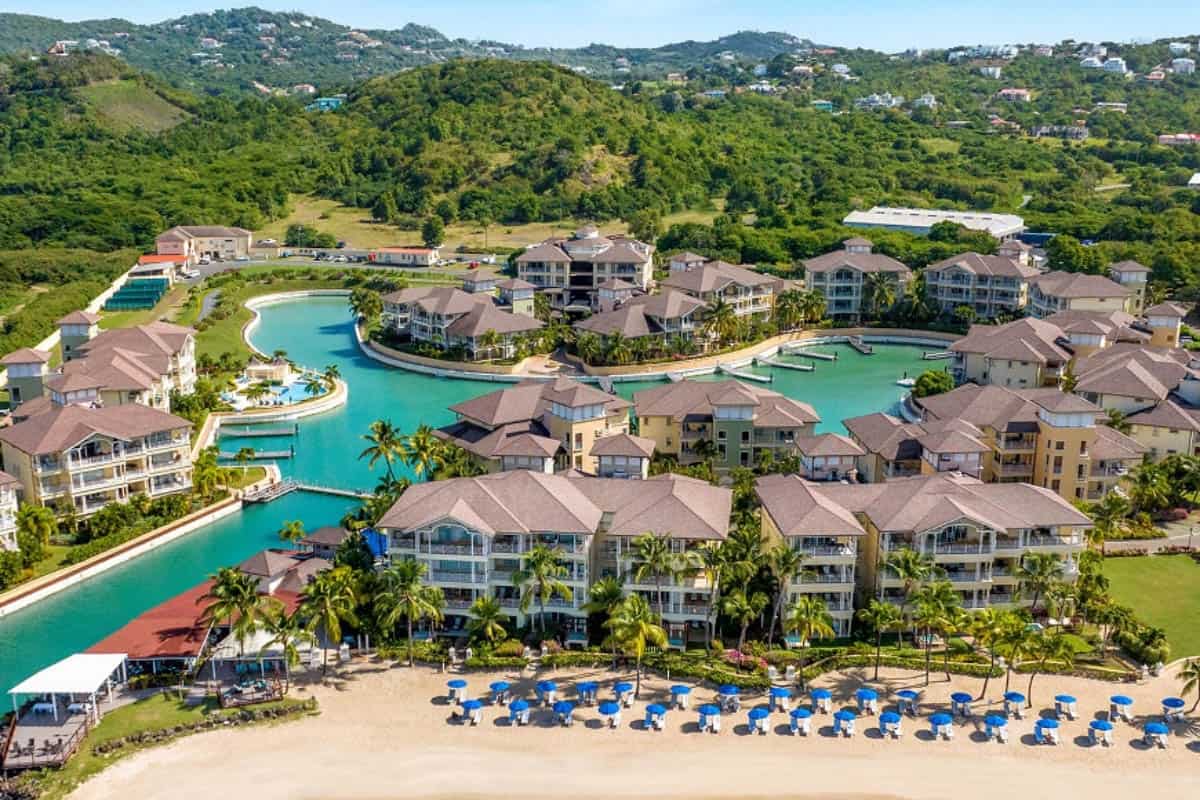
Anse La Raye Teams Up With Laborie and more as Saint Lucia reveals seafood secrets that tempt global travellers. Anse La Raye brings coastal charm, while Laborie adds local flavours and relaxed island moments. Together, these destinations showcase Saint Lucia beyond its famous resorts. Moreover, seafood secrets, community experiences and authentic Caribbean traditions give global travellers fresh reasons to explore. Saint Lucia continues to attract travellers seeking memorable food and culture. Therefore, Anse La Raye, Laborie and more deserve attention from curious visitors. Travel And Tour World urges readers to continue through this story and discover how Saint Lucia’s seafood secrets tempt global travellers with unforgettable experiences.
Saint Lucia Beyond the Pitons: 6 Underrated Destinations, Visitor Data and a Detailed Island Travel Guide
Saint Lucia’s tourism story is becoming broader than its famous Pitons, luxury resorts and volcanic attractions. The island’s official tourism strategy is increasingly highlighting communities, local food, craft, nature and less-visited coastal areas. The Saint Lucia Tourism Authority describes several smaller destinations as places where travellers can experience a quieter and more intimate side of the island.
Advertisement
Advertisement
The following extension is designed as a practical research-led travel guide. It combines official visitor statistics with destination-level information from the Saint Lucia Tourism Authority and the Government of Saint Lucia.
Saint Lucia Visitor Arrivals: Five-Year Data Comparison
The latest figures from Saint Lucia’s Central Statistical Office show that the island recorded 1,136,111 total visitor arrivals in 2025, including 426,676 stay-over visitors, 668,086 cruise passengers and 41,349 yacht arrivals.
Advertisement
Advertisement
The statistics need to be read carefully because “total visitor arrivals” includes several visitor categories. A stay-over visitor is more relevant when assessing travellers who actually spend nights on the island, while cruise arrivals represent passengers visiting primarily as part of cruise itineraries.
Saint Lucia Visitor Arrivals, 2021–2025
| Year | Total visitor arrivals | Stay-over arrivals | Cruise passengers | Yacht arrivals | Year-on-year total change |
|---|---|---|---|---|---|
| 2021 | 301,675* | 199,347 | 93,610 | 4,666 | — |
| 2022 | 729,063 | 356,237 | 349,922 | 22,904 | +141.7% |
| 2023 | 1,036,066 | 380,791 | 614,980 | 40,295 | +42.1% |
| 2024 | 1,202,481 | 435,659 | 723,869 | 42,953 | +16.1% |
| 2025 | 1,136,111 | 426,676 | 668,086 | 41,349 | -5.5% |
*The 2021 total comes from the Government of Saint Lucia’s Economic and Social Review, which records 301,675 total arrivals. The current Central Statistical Office series displays missing values for 2021.
Advertisement
Advertisement
The table demonstrates why headline visitor numbers should not automatically be interpreted as overnight tourism performance.
Stay-over arrivals increased from 199,347 in 2021 to 426,676 in 2025, representing an increase of approximately 114% across the period. The strongest annual improvement occurred between 2021 and 2022, when stay-over arrivals rose by about 78.7%.
By comparison, total arrivals more than doubled between 2021 and 2022 because cruise activity returned strongly. Cruise passengers increased from 93,610 in 2021 to 349,922 in 2022 and then reached 614,980 in 2023.
Stay-Over Tourism Shows a Different Five-Year Pattern
| Year | Stay-over visitors | Change from previous year | Share of recorded total arrivals |
|---|---|---|---|
| 2021 | 199,347 | — | 66.1% |
| 2022 | 356,237 | +78.7% | 48.9% |
| 2023 | 380,791 | +6.9% | 36.8% |
| 2024 | 435,659 | +14.4% | 36.2% |
| 2025 | 426,676 | -2.1% | 37.6% |
These percentages are calculated from official arrival totals and illustrate the changing composition of Saint Lucia’s visitor economy. They should not be interpreted as hotel occupancy rates.
The Government of Saint Lucia reported that August 2024 alone produced 34,895 total arrivals, while year-to-date stay-over arrivals through August were 18% higher than the corresponding 2023 period and 3% above the comparable 2019 benchmark.
The island therefore entered 2025 from a comparatively strong overnight-tourism position.
Advertisement
Advertisement
The Saint Lucia Tourism Authority subsequently reported that 2024 visitor numbers reached about 435,000, with the United States remaining the leading market. The United Kingdom accounted for 19% of the tourist market in 2024, while Canadian visitors represented approximately 8%.
Saint Lucia Tourism Market Data: What International Travellers Should Know
| Tourism indicator | Latest official information |
|---|---|
| Total arrivals, 2025 | 1,136,111 |
| Stay-over arrivals, 2025 | 426,676 |
| Cruise passengers, 2025 | 668,086 |
| Yacht arrivals, 2025 | 41,349 |
| Total arrivals, 2024 | 1,202,481 |
| Stay-over arrivals, 2024 | 435,659 |
| Cruise passengers, 2024 | 723,869 |
| Stay-over arrivals, 2019 | 423,736 |
| Total arrivals, 2019 | 1,288,111 |
| UK share of tourist market in 2024 | 19% |
| Canadian share of tourist market | About 8% |
| UK arrivals in 2024 | 80,391 |
| Average UK stay reported for 2025 | 11 nights |
| US stay-over arrivals, Jan–Jul 2025 | More than 160,000 |
| Stay-over visitors Jan–Jul 2025 | More than 263,000 |
Sources: Saint Lucia Central Statistical Office, Government of Saint Lucia and Saint Lucia Tourism Authority.
The 2025 statistics also show that Saint Lucia’s overnight market remained close to its 2019 level. The 2025 figure of 426,676 stay-over arrivals was slightly above the 2019 figure of 423,736, while total arrivals remained below the 2019 total because cruise volumes were lower.
This distinction matters for travellers because communities and accommodation providers outside the major resort centres are particularly relevant to overnight tourism.
6 Lesser-Known Saint Lucia Destinations for Travellers Seeking a Different Island Experience
1. Anse La Raye: Saint Lucia’s Seafood and Fishing-Village Escape
Anse La Raye is one of the island’s strongest choices for travellers who want to combine food, fishing culture and a relaxed coastal atmosphere. The village sits on the west coast, roughly 25 minutes from Castries according to the Saint Lucia Tourism Authority. Its identity has traditionally been connected with fishing, small boats and waterfront community life.
The main attraction is not a conventional monument. It is the village itself.
Advertisement
Advertisement
Travellers should plan around the Friday Night Fish Fry, when the waterfront becomes an informal food and entertainment area. Official tourism information says the event features freshly prepared seafood, local Creole dishes, music and drinks. Depending on availability and season, visitors can find snapper, mahi-mahi, lobster, crab and other seafood.
For daytime exploration, travellers can walk around the waterfront, observe fishing activity and explore the surrounding coastline. The Anse La Raye Wall is also listed by the Saint Lucia Tourism Authority as a diving location, with depths ranging from approximately 60 to 110 feet.
What to do: Explore the fishing village, attend the Fish Fry, snorkel or dive, photograph the waterfront and combine the visit with west-coast sightseeing.
Where to visit: Anse La Raye waterfront, local fishing areas and the nearby west-coast coastline.
What to eat: Fresh snapper, mahi-mahi, lobster when in season, crab, breadfruit, rice, fried plantain and Creole seafood preparations.
Where to eat: The official tourism authority specifically highlights the waterfront Fish Fry and local food vendors rather than positioning the village around formal fine dining.
Advertisement
Advertisement
Where to stay: Travellers can stay in the west-coast area or choose Castries or Marigot Bay as a base. The official accommodation directory also provides smaller accommodation options across Saint Lucia.
Best travel style: Food, culture, photography, diving and community tourism.
2. Canaries: A Quiet West-Coast Village Between Forest and Sea
Canaries provides a contrasting experience to the busier resort areas of northern Saint Lucia. The small fishing community is set between steep green hills and the Caribbean Sea. The Saint Lucia Tourism Authority describes it as a place where daily life remains strongly connected with the harbour, fishing and local cooking.
The village is particularly useful for travellers who want to slow down during a Saint Lucia road trip.
Canaries also has a connection with cassava production and local chocolate. The Saint Lucia Tourism Authority identifies Plas Kassav at Anse La Verdure and the Cacoa Ste. Lucie chocolate factory at Belvedere among local attractions. River bathing areas also form part of the community’s visitor experience.
Travellers can combine Canaries with a west-coast route covering Anse Cochon, Soufrière and the Pitons. The official tourism authority recommends a car or driver because the roads between west-coast communities are winding and steep. Soufrière is approximately 45 minutes from Hewanorra International Airport, while Canaries is approximately one hour away.
Advertisement
Advertisement
What to do: Explore the village, experience local food production, visit cocoa-related attractions and enjoy the coastal scenery.
Where to visit: Canaries harbour, Anse La Verdure and Belvedere.
What to eat: Fresh seafood, cassava-based foods, local Creole dishes and Saint Lucian chocolate.
Where to eat: Look for community food vendors and local cooking experiences. Travellers should check operating days before visiting.
Where to stay: Canaries itself has fewer accommodation choices than the principal resort districts. A practical strategy is to base yourself in nearby Soufrière or elsewhere along the west coast.
Best travel style: Slow travel, food, culture, photography and rural experiences.
Advertisement
Advertisement
3. Laborie: A Southern Fishing Village With a Local Rhythm
Laborie offers one of the most accessible ways to experience southern Saint Lucia without staying inside a large resort environment.
The village lies on the southern coast and is known for its fishing heritage, community life and Laborie Beach. The official tourism authority describes the beach as calm and suitable for swimming, while the village itself provides a more local atmosphere.
Laborie also has historical depth. The Saint Lucia Tourism Authority records that the area was once known as Quartier de l’Isle Caret and later took its present name from Baron de Laborie, a French governor. The village has long connections with agriculture, fishing, education and cultural activity.
A visitor can make Laborie a half-day stop or spend several nights there.
Morne Le Blanc provides a panoramic perspective over the village and surrounding area. Rudy John Beach Park is another useful stop for travellers looking for a relaxed seaside environment.
Food is central to the experience. Fresh seafood and Caribbean dishes are natural choices, while the official tourism site also identifies La Bouchè Beach Bar as a Laborie option for Caribbean food and seaside dining.
Advertisement
Advertisement
What to do: Swim, walk the village, explore the waterfront, visit Rudy John Beach Park and seek panoramic views.
Where to visit: Laborie Beach, Rudy John Beach Park and Morne Le Blanc.
What to eat: Fresh seafood, Creole dishes, local sides and Caribbean-style beach food.
Where to eat: La Bouchè Beach Bar and local village dining options.
Where to stay: The Saint Lucia Tourism Authority accommodation directory lists Chalet La Mar in Laborie, while nearby southern destinations offer additional choices.
Best travel style: Local life, beach relaxation, food and slow travel.
Advertisement
Advertisement
4. Choiseul: The Craft Heartland of Southern Saint Lucia
Choiseul is particularly interesting for travellers who want to take home something more meaningful than a conventional souvenir.
The community is located in southwestern Saint Lucia and has a long association with pottery, basketry, canoe-making and other forms of traditional craftsmanship. The Saint Lucia Tourism Authority describes Choiseul as the island’s craft capital.
The destination combines cultural tourism with scenic landscapes.
The Choiseul Arts & Crafts Centre is one of the principal stops for visitors interested in traditional skills. Official tourism information identifies pottery, woven baskets, woodwork, jewellery and locally produced artwork among the crafts visitors can encounter.
Choiseul is also connected with fishing and agriculture.
For travellers, the destination works particularly well as part of a southern road trip. It can be paired with Laborie, Balenbouche and the Soufrière region.
Advertisement
Advertisement
The official accommodation directory lists Balenbouche Estate under Choiseul. The estate is described as a family-run plantation guesthouse surrounded by historic buildings, gardens, orchards, ponds and nature trails.
Travellers seeking a more private stay can also investigate villas and holiday apartments in the area.
What to do: Visit craft workshops, explore the Arts & Crafts Centre, photograph the landscape and learn about traditional island skills.
Where to visit: Choiseul Arts & Crafts Centre, local craft communities and nearby Balenbouche.
What to eat: Local Creole food, seafood, root vegetables, plantain and locally sourced ingredients.
Where to eat: Choose community restaurants and locally operated food establishments rather than travelling back to major resort districts for every meal.
Advertisement
Advertisement
Where to stay: Balenbouche Estate is an official tourism-directory option. Villas and apartments are also available around Choiseul.
Best travel style: Culture, crafts, heritage, photography and slow travel.
5. Micoud and LaTille Falls: A Rainforest-Focused East-Coast Detour
Micoud is a useful choice for travellers wanting to explore Saint Lucia’s Atlantic side. The eastern region is more rugged than the calmer Caribbean-facing west coast. The official tourism authority describes the east as an area of cliffs, strong Atlantic waves, open landscapes and relatively wild scenery.
One of the most interesting attractions around Micoud is LaTille Falls & Garden.
The waterfall sits within a private garden surrounded by tropical vegetation and forest. The tourism authority describes shaded walking paths and a natural waterfall environment suitable for travellers looking for a quieter nature stop.
The destination is also convenient from Hewanorra International Airport.
Advertisement
Advertisement
Official tourism information places Micoud approximately 15 to 30 minutes from the airport, depending on the exact location. The tourism authority recommends February to May for easier trail access and notes that a four-wheel-drive vehicle can be useful for some remote locations.
Food should focus on local Creole flavours. Travellers can explore food stalls and community dining around Micoud and neighbouring communities.
For accommodation, the official tourism directory lists Fox Grove Inn in Mon Repos, Micoud. It provides accommodation alongside breakfast, lunch and dinner and is described by the tourism authority as a countryside property overlooking the Frigate Islands.
What to do: Visit LaTille Falls, explore gardens, photograph the Atlantic coastline and experience local food.
Where to visit: LaTille Falls & Garden, Micoud and nearby east-coast landscapes.
What to eat: Creole dishes, seafood, fresh produce and local sides.
Advertisement
Advertisement
Where to eat: Fox Grove Inn provides an accommodation-and-dining option, while community food outlets offer a more casual alternative.
Where to stay: Fox Grove Inn or other Micoud-area accommodation listed through the official tourism directory.
Best travel style: Nature, waterfalls, gardens, food and quiet exploration.
6. Dennery: Seafood, Waterfalls and the Sound of Local Saint Lucia
Dennery sits along the eastern coastline and provides an unusually strong combination of food, culture and nature.
The Saint Lucia Tourism Authority describes the district as one of the island’s fertile and culturally important regions. The Mabouya Valley is associated with agriculture and banana plantations, while fishing remains central to community life.
For travellers, the biggest attraction is the combination of local life and outdoor experiences.
Advertisement
Advertisement
Sault Falls, located on the Dennery River, is approximately 20 metres high. The district is also associated with the Frigate Islands Nature Reserve, which provides habitat for seabirds.
Food travellers should schedule time for the Dennery Seafood Fiesta, which the tourism authority identifies as a Saturday event featuring local seafood and Saint Lucian recipes.
Dennery also has a strong musical identity through the internationally recognised Dennery Segment style.
Travellers interested in contemporary Saint Lucian culture can therefore experience music alongside food and community life.
The district works well as an east-coast excursion from northern or southern accommodation. Visitors should plan transport carefully because the island’s mountainous roads can make journeys longer than the map suggests.
What to do: Explore Dennery, visit Sault Falls, experience the seafood celebration and discover local music.
Advertisement
Advertisement
Where to visit: Sault Falls, Dennery waterfront and nearby east-coast communities.
What to eat: Fresh seafood and traditional Saint Lucian recipes.
Where to eat: The Saturday seafood celebration provides one of the most community-focused food experiences.
Where to stay: Travellers can use Dennery as a day-trip destination or choose accommodation elsewhere on the east coast. Nearby Micoud offers official tourism-directory accommodation such as Fox Grove Inn.
Best travel style: Food, music, nature, culture and community tourism.
Comparison Table: Six Underrated Saint Lucia Destinations
| Destination | Region | Signature experience | Nature | Food | Culture | Suggested stay |
|---|---|---|---|---|---|---|
| Anse La Raye | West | Friday Fish Fry | Coastal | Seafood | Fishing culture | 1–2 nights |
| Canaries | West | Village and cocoa experiences | Forest/coast | Cassava, chocolate, seafood | Fishing and farming | 1–2 nights |
| Laborie | South | Local beach and village life | Beach/coast | Seafood and Creole dishes | Fishing and community life | 1–2 nights |
| Choiseul | Southwest | Traditional crafts | Hills/coast | Creole cuisine | Pottery, basketry, canoe craft | 1–2 nights |
| Micoud | East | LaTille Falls | Rainforest/waterfall | Creole cuisine | Rural life | 1–2 nights |
| Dennery | East | Seafood and Sault Falls | River/coast | Seafood | Music and fishing | Day trip or 1 night |
These destinations are not being presented as a formal ranking. They represent different travel styles identified through official Saint Lucia tourism information.
Advertisement
Advertisement
What to Eat Across Lesser-Known Saint Lucia
| Food or dining experience | Best areas to explore | Why travellers should try it |
|---|---|---|
| Fresh grilled fish | Anse La Raye, Laborie, Dennery | Connects directly with Saint Lucia’s fishing culture |
| Lobster when in season | Anse La Raye and coastal communities | Local seafood experience |
| Mahi-mahi and snapper | Anse La Raye | Frequently featured at the Fish Fry |
| Breadfruit | Island-wide | Traditional Caribbean staple |
| Fried plantain | Island-wide | Common local accompaniment |
| Green fig and saltfish | Castries and communities island-wide | Recognised Saint Lucian dish |
| Cassava products | Canaries | Linked with local food traditions |
| Chocolate | Canaries and Soufrière area | Connects visitors with cocoa production |
| Creole dishes | All six destinations | Reflects Saint Lucia’s culinary heritage |
| Local seafood fiesta | Dennery | Community-based Saturday food experience |
Saint Lucian cuisine combines African, French, British and Caribbean influences. The tourism authority specifically highlights green fig and saltfish, saltfish accras, roasted corn, cocoa experiences and Creole cooking as ways for visitors to understand local culture through food.
Where Should Travellers Stay?
Choosing a base is important because Saint Lucia’s mountainous terrain makes road journeys longer than distances may suggest.
The official tourism authority divides the experience broadly between the north, south and west. The north around Rodney Bay and Gros Islet provides beaches, restaurants, shops and nightlife. Soufrière and the west coast place travellers close to the Pitons, rainforest and volcanic attractions. The south provides access to Hewanorra International Airport and a quieter atmosphere.
| Base | Best suited to | Key advantage |
|---|---|---|
| Rodney Bay/Gros Islet | First-time visitors, families, nightlife | Restaurants, beaches and services |
| Soufrière | Nature lovers, couples, hikers | Pitons, volcano and rainforest |
| Laborie | Slow travellers | Village atmosphere |
| Choiseul | Culture travellers | Crafts and plantation experiences |
| Micoud | Nature travellers | East-coast access and airport proximity |
| Vieux Fort | Airport convenience | Southern beaches and easier airport transfers |
| Castries | Short stays | Capital, market and transport access |
For travellers without a rental car, the tourism authority says pre-arranged transfers, authorised taxis and organised land or sea excursions can provide alternatives. It also recommends choosing a suitable base because mountainous terrain can make cross-island journeys time-consuming.
Detailed 7-Day Saint Lucia Travel Plan
Day 1: Arrive and Discover the Local Side
Arrive at Hewanorra International Airport and transfer to your chosen base.
If staying in the south, spend the first afternoon around Vieux Fort.
Advertisement
Advertisement
Visit the local market area and explore the southern coastline.
Keep the first day relaxed after a long international journey.
Day 2: Laborie and the Southern Coast
Begin with Laborie.
Walk around the fishing village before visiting Laborie Beach.
Continue to Rudy John Beach Park.
Have a local seafood lunch.
Advertisement
Advertisement
Spend the afternoon exploring the southern coastline.
Return to your accommodation before sunset.
Day 3: Choiseul and Craft Experiences
Travel towards Choiseul.
Visit the Choiseul Arts & Crafts Centre.
Look for locally made pottery, baskets and other traditional products.
Continue towards Balenbouche.
Advertisement
Advertisement
A plantation-based experience adds historical context to the journey.
Stay in the south or move towards Soufrière.
Day 4: Soufrière and the Pitons
Dedicate the fourth day to Saint Lucia’s iconic landscape.
Visit the Pitons and explore Soufrière.
Continue to Sulphur Springs.
Visit Diamond Falls Botanical Gardens if time permits.
Advertisement
Advertisement
Finish the day with a sunset along the west coast.
The tourism authority identifies Soufrière as a major base for the Pitons, Sulphur Springs, Diamond Falls, Toraille Waterfall and other natural attractions.
Day 5: Canaries and Anse La Raye
Drive north along the west coast.
Stop in Canaries.
Explore the village and local food traditions.
Continue to Anse La Raye.
Advertisement
Advertisement
If your itinerary falls on the appropriate Friday evening, experience the Fish Fry.
Sample fresh seafood and local sides.
Return to Soufrière or continue towards a northern base.
Day 6: Dennery and Micoud
Head towards the Atlantic coast.
Explore Dennery and look for the Saturday seafood experience if the timing matches.
Continue towards Micoud.
Advertisement
Advertisement
Visit LaTille Falls & Garden.
Spend the afternoon exploring the quieter eastern landscape.
Return to your accommodation.
Day 7: Castries and Departure
Visit Castries Market in the morning.
The official tourism authority recommends mornings because the market is most active then.
Shop for spices, sauces, crafts and local products.
Advertisement
Advertisement
Try a final Saint Lucian meal.
Transfer to the airport according to your flight schedule.
Five-Day Alternative for Travellers With Less Time
| Day | Morning | Afternoon | Evening |
|---|---|---|---|
| Day 1 | Arrival | Vieux Fort/Laborie | Southern dinner |
| Day 2 | Choiseul | Balenbouche | Soufrière |
| Day 3 | Pitons | Sulphur Springs | West-coast sunset |
| Day 4 | Canaries | Anse La Raye | Fish Fry if scheduled |
| Day 5 | Castries | Market and shopping | Departure |
The Saint Lucia Tourism Authority currently recommends five to seven days for travellers who want to balance the island’s major attractions with slower exploration.
When Should You Visit These Lesser-Known Destinations?
Saint Lucia has a tropical climate throughout the year.
The official tourism authority identifies December to April as the popular drier travel season, while June to November can offer warmer conditions, occasional tropical showers and potentially quieter travel experiences.
For the eastern waterfalls and trails, the tourism authority specifically recommends February to May for easier trail access.
Advertisement
Advertisement
Practical Seasonal Guide
| Period | Travel conditions | Best for |
|---|---|---|
| December–January | Drier, popular season | Beaches, sightseeing |
| February–April | Generally favourable | Hiking, waterfalls, outdoor activities |
| May | Transition period | Nature and quieter exploration |
| June–August | Green season, showers possible | Value-focused travellers |
| September–November | Wetter period possible | Flexible travellers and local experiences |
Weather can vary, so travellers should check current conditions before undertaking hikes, waterfall visits or sea activities.
How to Explore Saint Lucia Responsibly
The move towards community tourism gives travellers an opportunity to spread their spending beyond major accommodation centres.
The Saint Lucia Tourism Authority says its Community Tourism Agency supports local entrepreneurs through areas including business planning, licensing, training and marketing. More than 10 community tourism projects had been launched since 2022, with an additional 40 planned by early 2026 according to the authority’s 2025 destination update.
Travellers can support this approach by choosing locally operated tours, eating at community businesses, purchasing locally produced crafts and respecting village customs.
The official tourism authority also encourages experiences involving local food, farming, cocoa, craft and community life.
Essential Saint Lucia Travel Information
| Travel detail | Information |
|---|---|
| Official country name | Saint Lucia |
| Main international airport | Hewanorra International Airport |
| Main tourism airport area | Vieux Fort |
| Main northern tourism hub | Rodney Bay/Gros Islet |
| Major western tourism base | Soufrière |
| Currency | Eastern Caribbean Dollar |
| US dollars | Widely accepted |
| Official language | English |
| Recommended trip length | 5–7 days |
| Popular travel season | December–April |
| Green season | June–November |
| Emergency number | 911 |
| Recommended transport | Rental car, authorised taxi, organised tour or transfer |
| Terrain | Mountainous and winding |
| Major nature attractions | Pitons, rainforest, waterfalls, volcanic landscapes |
| Community experiences | Fishing, food, craft, farming and cultural activities |
The island is approximately 27 miles long and 14 miles wide, covering about 238 square miles, according to the Saint Lucia Tourism Authority. Despite its relatively compact size, mountainous terrain means that travel time can be considerably longer than straight-line distances suggest.
Advertisement
Advertisement
The Bigger Travel Picture
Saint Lucia’s latest visitor statistics show a destination that has moved through a major post-pandemic recovery while maintaining a substantial overnight tourism market.
The 2025 total of 1.136 million visitor arrivals was below 2024’s 1.202 million, but stay-over arrivals remained at 426,676, only slightly below the 435,659 recorded in 2024.
The more interesting travel story is therefore not simply the number of people arriving.
It is how travellers experience the island after they arrive.
The official tourism programme increasingly points visitors towards communities, food, craft, nature and experiences beyond the traditional resort circuit. Anse La Raye, Canaries, Laborie, Choiseul, Micoud and Dennery each provide a different entry point into that wider Saint Lucian experience.
For a first-time visitor, the Pitons and Soufrière remain essential.
Advertisement
Advertisement
For a repeat traveller, however, adding one or two smaller communities can transform the itinerary.
A trip that combines volcanic landscapes with fishing villages, local seafood, traditional crafts, waterfalls and community experiences offers a more varied picture of Saint Lucia.
That is particularly relevant as the island strengthens its international tourism strategy and builds closer relationships with markets including Latin America.
For global travellers, the practical opportunity is clear: use the famous attractions as the starting point, but allow time for the communities and lesser-known landscapes that reveal another side of Saint Lucia.
Conclusion
Anse La Raye Teams Up With Laborie and more to reveal another side of Saint Lucia. Their seafood secrets, coastal traditions and community experiences give global travellers fresh ways to explore the island. Moreover, these destinations connect food with culture, nature and authentic local encounters. From fresh seafood in Anse La Raye to the relaxed coastal charm of Laborie, every stop adds a distinct flavour to a Saint Lucia journey. As more travellers look beyond conventional resort experiences, these destinations offer memorable alternatives. Travel And Tour World encourages global travellers to explore further and discover the seafood, stories and island experiences waiting across Saint Lucia.
Advertisement
