 Angana Dutta Angana Dutta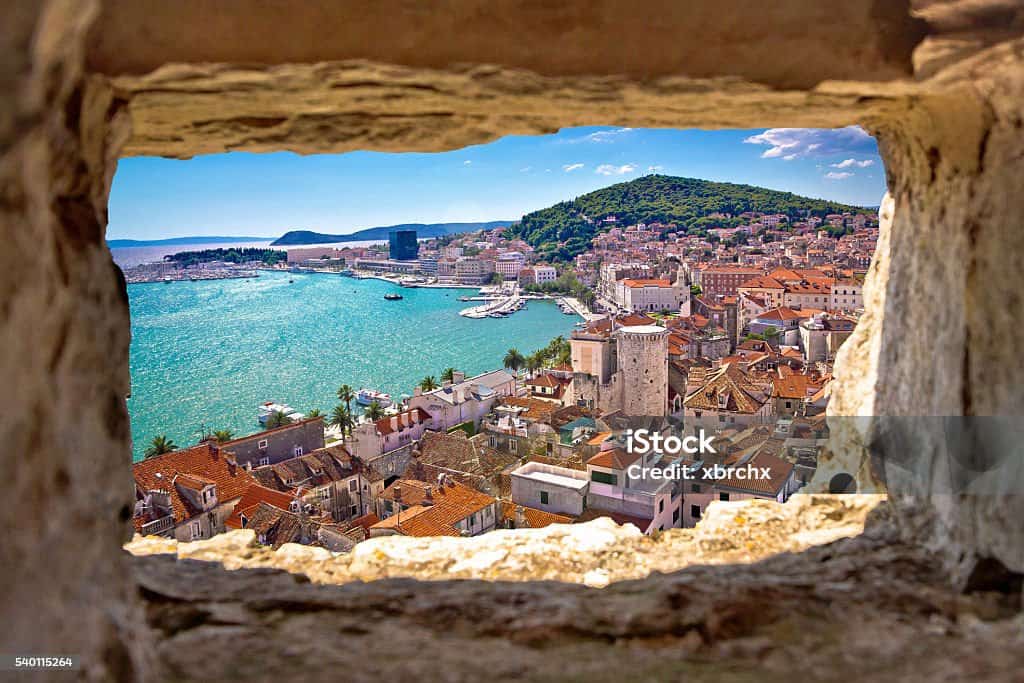
Image generated with Ai
Croatia tourism rebounded in 2026 with the country establishing itself as one of Europe’s top holiday destinations. During the early and mid-2026 travel period, there was a surge in numbers of travelers to Croatia, due not only to internal developments such as continued investment in quality tourism, but also to external facilitators such as strong foreign demand and improved air connections. A surge in traveler numbers was recorded on the coast, but even the inland areas of Croatia experienced growth. The tourist strategies of the government are now looking beyond extending the tourism season and improving holiday experiences. In a bid to improve tourism value for communities, businesses, and travelers, sustainability has been given furtheremphasis.(Državni zavod za statistiku)
Croatia has long been recognised for its Adriatic coastline, historic cities, islands and cultural heritage. Destinations such as Dubrovnik, Split, Istria and the Dalmatian islands have attracted international visitors for decades.
The country’s tourism industry expanded rapidly after joining the European Union in 2013. Improved infrastructure, stronger international marketing and rising airline connections helped Croatia become one of the Mediterranean’s most popular destinations.
Tourism is now one of the most important sectors of the Croatian economy. Coastal communities depend heavily on visitor spending, while hotels, restaurants, transport companies, tour operators and small family businesses benefit from international arrivals.
Advertisement
Advertisement
The country has also been changing its tourism approach. Instead of relying only on summer beach holidays, Croatia has promoted cultural tourism, gastronomy, wellness, nature experiences and inland destinations.
According to the OECD Tourism Trends and Policies 2026, Croatia recorded more than 17.6 million tourist arrivals and 85.6 million overnight stays in 2025, showing continued strength after previous record years. (OECD)
Croatia’s 2026 tourism season started with positive momentum.
Official figures from the Croatian Bureau of Statistics (DZS) showed that commercial accommodation establishments recorded 2 million tourist arrivals and 6.7 million overnight stays in May 2026.
Advertisement
Advertisement
Foreign visitors remained the main driver of growth. International tourists generated 6 million overnight stays, representing a 17% increase compared with May 2025. (Državni zavod za statistiku)
| Indicator | Latest official data | Source |
|---|---|---|
| Tourist arrivals and nights | 2 million arrivals and 6.7 million nights in May 2026 | Croatian Bureau of Statistics |
| Foreign tourist nights | 6 million nights in May 2026 | Croatian Bureau of Statistics |
| First half 2026 arrivals | 7.6 million visitors | Ministry of Tourism and Sport / eVisitor data |
| First half 2026 overnight stays | 29.5 million nights | Ministry of Tourism and Sport / eVisitor data |
| 2025 annual arrivals | Over 17.6 million | OECD Tourism Trends and Policies 2026 |
The early-season performance shows that Croatia is attracting travellers beyond the traditional July and August peak period.
The Adriatic coast continues to dominate Croatia’s visitor economy.
During the first half of 2026, coastal destinations generated the majority of overnight stays. The Adriatic region recorded 27.1 million overnight stays, while continental Croatia, including Zagreb, recorded 2.4 million overnight stays. (Croatia Week)
Istria remained one of the strongest-performing regions. The peninsula benefits from its proximity to major European markets, especially Germany, Austria, Slovenia and Italy.
Split-Dalmatia County continues attracting travellers through island tourism, cruise visits and cultural experiences. Dubrovnik remains a globally recognised destination due to its historic Old Town and UNESCO heritage status.
However, Croatian authorities are increasingly encouraging visitors to explore beyond the busiest coastal locations.
The goal is to spread tourism income more evenly across regions and reduce pressure on highly visited destinations.
A major factor behind Croatia’s tourism performance is improved international connectivity.
During 2026, Croatia increased aviation links with international markets. The country’s tourism authorities reported that Croatia was served by hundreds of air routes, helping connect visitors from Europe and overseas markets with major Croatian airports. (Croatia Week)
Airports including:
play an important role in supporting tourism growth.
More direct connections help reduce travel barriers for international visitors and support demand from markets outside traditional European neighbours.
For airlines, Croatia represents an attractive seasonal market because of strong leisure demand. For airports, rising passenger numbers create opportunities for infrastructure development and expanded services.
European travellers continue to provide the largest share of Croatia’s tourism demand.
Germany remains one of Croatia’s most important source markets. During the first half of 2026, German visitors generated the highest number of overnight stays among foreign markets. (Croatia Week)
Other important markets include:
Croatia’s geographic location gives it an advantage among European travellers who can reach the country by road, rail or short-haul flights.
At the same time, tourism authorities are working to increase demand from long-haul markets by promoting Croatia as a year-round destination.
Croatia’s tourism policy is moving towards quality rather than only increasing visitor numbers.
The Ministry of Tourism and Sport of Croatia has focused on:
The country’s tourism strategy aims to create higher-value tourism while protecting natural and cultural resources.
This includes encouraging investments in environmentally responsible accommodation, better infrastructure and experiences that connect visitors with local communities.
Croatia’s approach reflects wider European tourism trends, where destinations are balancing economic benefits with environmental protection.
Tourism growth creates benefits across Croatia’s economy.
Hotels experience higher demand during the main season, while restaurants, transport providers, activity companies and local producers benefit from visitor spending.
Small businesses are particularly important because many Croatian tourism operators are family-owned.
Accommodation providers, including apartments, villas and boutique properties, continue playing a major role in the tourism supply chain.
In coastal towns, tourism supports employment in:
Tourism also supports regional development by creating economic opportunities outside major cities.
For international visitors, Croatia’s strong 2026 performance brings more travel opportunities.
Travellers can expect:
Visitors planning trips during peak months should book accommodation and transport early, especially for popular coastal destinations.
The growth of inland tourism also provides alternatives for travellers seeking quieter experiences.
Regions away from the coastline offer:
Croatia’s changing tourism model gives visitors more choices throughout the year.
The best travel period depends on the experience visitors want. July and August offer the warmest weather and busiest beach season. May, June, September and October provide pleasant temperatures with fewer crowds.
Dubrovnik, Split, Istria, Zagreb, Zadar and the Dalmatian islands remain among the country’s most visited areas. Travellers are also increasingly exploring inland Croatia.
Yes. Croatia is expanding beyond summer holidays through cultural tourism, wellness, gastronomy, nature activities and city breaks.
Croatia’s future tourism plans focus on sustainable growth, longer seasons and stronger visitor experiences.
Official strategies emphasise improving competitiveness while protecting natural resources and cultural heritage.
The country’s continued investment in connectivity, accommodation quality and destination development is expected to support tourism resilience.
Croatia’s challenge will be managing visitor demand while ensuring that local communities continue benefiting from tourism.
Growth in Croatian tourism in 2026 exemplifies the International tourist market’s interest in the Adriatic region. Data shows that the Adriatic region was traveled to more by international tourists, government funds were allocated for sustainability and regional development and that Croatia is not longer focusing solely on summer beach tourism, but trying to develop a more diverse type of tourism including nature-based, food-based cultural based and year round tourism. The Croatian region will strengthen tourism development; therefore, Croatia will continue to be an important tourism market player in the more competitive European travel market.(Državni zavod za statistiku)
Advertisement
Advertisement
Advertisement












Friday, September 4, 2026

Friday, September 4, 2026

Friday, September 4, 2026

Friday, September 4, 2026

Thursday, September 3, 2026

Wednesday, September 2, 2026

Friday, September 4, 2026

Friday, September 4, 2026


