

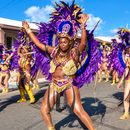
Image generated with Ai
Accra, Cape Coast, Kumasi and destinations across Ghana are preparing for an ambitious tourism expansion as the country targets a 70 per cent increase in international and domestic visitor arrivals by 2029. Backed by new tourism investment initiatives, cultural preservation programmes and support for the creative economy, Ghana is positioning itself as one of Africa’s fastest-growing tourism destinations.
The strategy forms part of the Ministry of Tourism, Culture and Creative Arts’ Medium-Term Development Plan for 2026–2029, which seeks to boost tourism revenue by 50 per cent while strengthening Ghana’s position as a leading cultural, heritage and creative hub in West Africa.
Advertisement
For travellers, tourism investors and travel professionals, the initiative signals a new phase of growth built around heritage experiences, music, storytelling, cultural tourism and creative industries.
The government’s latest tourism roadmap outlines some of the most ambitious targets in the country’s recent history.
Advertisement
Advertisement
By 2029, Ghana aims to achieve:
The strategy reflects growing confidence in Ghana’s tourism potential as global demand for authentic cultural experiences continues to rise.
Officials view tourism as a major contributor to employment creation, foreign exchange earnings, regional development and private-sector investment.
The sector is increasingly seen as a key pillar of Ghana’s broader economic diversification agenda.
Advertisement
Advertisement
Accra continues to sit at the centre of Ghana’s tourism ambitions.
The capital has emerged as one of West Africa’s most dynamic urban tourism destinations, attracting leisure travellers, business visitors, conference delegates and members of the African diaspora.
Major investments in hospitality, entertainment and cultural attractions have helped strengthen the city’s appeal.
As visitor numbers increase, Accra is expected to play a crucial role in supporting the government’s tourism growth targets.
The city also serves as the starting point for many travellers exploring Ghana’s historic and cultural landmarks.
Improved tourism infrastructure and stronger international marketing campaigns are expected to further enhance its competitiveness.
One of Ghana’s greatest tourism strengths remains its heritage appeal.
Destinations such as Cape Coast and Elmina continue attracting visitors interested in learning about the history of the transatlantic slave trade and the broader African diaspora experience.
These sites have become powerful symbols of remembrance, education and cultural connection.
Diaspora tourism remains one of Ghana’s most important tourism segments, particularly among travellers from North America, Europe and the Caribbean.
As awareness grows globally, heritage tourism is expected to remain a major driver of future visitor growth.
The government’s tourism strategy places significant emphasis on strengthening these cultural connections.
Beyond the coast, Kumasi continues playing a vital role in Ghana’s tourism identity.
Known as the cultural heartland of the Ashanti Kingdom, the city offers visitors access to traditional ceremonies, royal heritage sites, museums and artisan communities.
Cultural tourism has become increasingly important as travellers seek authentic experiences that connect them directly with local traditions.
The expansion of tourism infrastructure and cultural programming could further elevate Kumasi’s position within West Africa’s tourism landscape.
The city remains central to Ghana’s efforts to diversify tourism beyond its coastal attractions.
One of the most significant recent achievements for Ghana’s cultural sector has been the international recognition of Highlife Music.
The genre has been inscribed on UNESCO’s Representative List of the Intangible Cultural Heritage of Humanity.
The recognition elevates Ghana’s cultural profile while creating new opportunities for music tourism and creative economy development.
Music tourism continues growing worldwide as travellers increasingly attend festivals, cultural events and heritage celebrations.
Highlife’s international recognition may encourage greater interest in Ghana’s musical traditions and cultural experiences.
The achievement also reinforces the country’s position as a leading creative destination in Africa.
The government is also focusing on attracting greater tourism investment.
Two major initiatives have been introduced:
These programmes are designed to connect investors, tourism businesses and development opportunities across the country.
Tourism investment remains essential for improving infrastructure, accommodation capacity and visitor experiences.
By encouraging private-sector participation, authorities hope to accelerate growth while creating new tourism products and services.
Investment attraction forms a key component of the country’s long-term tourism strategy.
The culture and creative arts sector is also receiving substantial government support.
A total of GH¢40 million has been allocated to the creative industries, including GH¢20 million dedicated specifically to the Film Development Fund.
Film, television, music and digital content continue emerging as important tourism drivers.
Countries increasingly use creative industries to promote destinations, attract international audiences and strengthen national brands.
Ghana’s investment reflects recognition of the growing relationship between tourism and creative content.
The strategy seeks to leverage culture as both an economic and tourism asset.
Ghana’s cultural infrastructure is also set for a significant upgrade.
The country has secured a US$30 million grant from China to rehabilitate and modernise the National Theatre of Ghana.
The project is expected to enhance performance facilities, strengthen cultural programming and support the creative economy.
Modern cultural venues often become attractions in their own right, contributing to urban tourism and cultural engagement.
The investment highlights the government’s commitment to expanding cultural infrastructure alongside tourism development.
Human resource development remains another important priority.
Authorities report that 488 tourism service providers have received professional training.
Additionally, 193 students have graduated through programmes delivered by the Hotel, Catering and Tourism Training Institute (HOTCATT).
Developing skilled tourism professionals is essential to maintaining service quality and competitiveness.
As visitor numbers increase, workforce readiness will play a critical role in ensuring positive travel experiences.
The government continues emphasising training and capacity-building initiatives.
Despite positive momentum, officials acknowledge several challenges.
Key concerns include:
Addressing these issues will be essential if Ghana is to achieve its ambitious tourism targets.
Infrastructure and workforce development remain particularly important for sustaining long-term growth.
| Target/Initiative | Goal |
|---|---|
| Tourism Arrivals Growth | 70% by 2029 |
| Domestic Tourism Growth | 70% by 2029 |
| Tourism Revenue Growth | 50% by 2029 |
| Creative Arts Revenue Growth | 40% by 2029 |
| Tourism Service Providers Trained | 488 |
| HOTCATT Graduates | 193 |
| Creative Industry Funding | GH¢40 million |
| Film Development Fund | GH¢20 million |
| National Theatre Grant | US$30 million |
Recent Period – Highlife Music inscribed on the UNESCO Intangible Cultural Heritage list.
2026–2029 – Medium-Term Development Plan implementation period.
Current Phase – Tourism Marketplace and Tourism Investment Platform launched.
2026 – Creative industry funding allocations announced.
2029 Target – Achieve 70% growth in tourist arrivals and 50% increase in tourism revenue.
The country aims to increase both international and domestic tourist arrivals by 70 per cent by 2029.
Heritage attractions, diaspora tourism, music and cultural experiences are among Ghana’s strongest tourism assets.
The government has allocated GH¢40 million to support creative industries, including GH¢20 million for film development.
2026–2029 – Ghana’s Medium-Term Tourism Development Plan.
2029 – Target year for achieving tourism and revenue growth objectives.
Accra, Cape Coast, Kumasi and destinations across Ghana are entering a period of ambitious tourism expansion driven by culture, heritage, creative industries and investment-led development. With targets that include a 70 per cent increase in visitor arrivals, a 50 per cent rise in tourism revenue and major support for cultural infrastructure, Ghana is positioning itself as one of West Africa’s most dynamic travel destinations. As global travellers increasingly seek authentic cultural experiences and diaspora connections, could Ghana’s combination of heritage, music, creativity and investment make it one of Africa’s standout tourism success stories by the end of the decade?
Advertisement
Tags: Accra tourism, Accra travel, African Tourism Growth, Cape Coast tourism, cultural tourism Africa
Advertisement
Advertisement













Saturday, September 5, 2026

Saturday, September 5, 2026

Saturday, September 5, 2026
Saturday, September 5, 2026
Saturday, September 5, 2026

Thursday, September 3, 2026

Saturday, September 5, 2026

Saturday, September 5, 2026



