
Poreč Follows Rovinj and More as Croatia’s Stunning Seaside Destinations Tempt Global Tourists with Mediterranean Holiday Magic!

Published
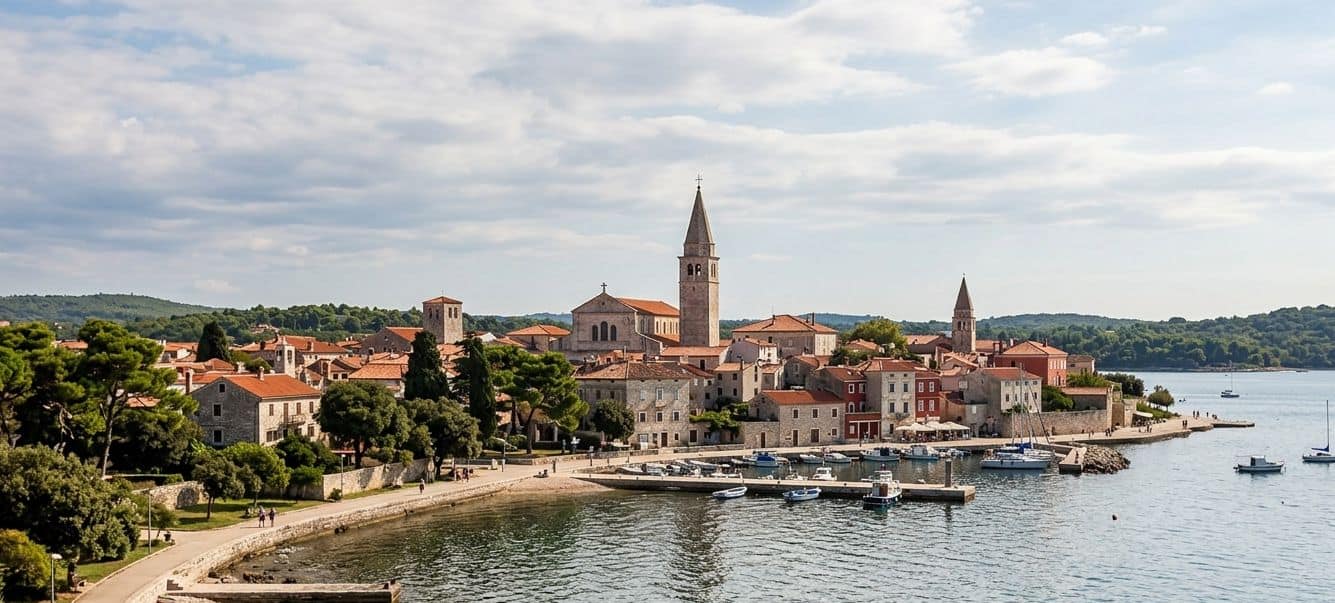
Poreč follows Rovinj and more as Croatia’s stunning seaside destinations tempt global tourists with Mediterranean holiday magic. From historic waterfronts to sunlit beaches, Poreč, Rovinj and other Croatian coastal gems offer memorable experiences for travellers seeking culture, relaxation and Adriatic beauty. Moreover, these stunning seaside destinations combine local cuisine, picturesque harbours and fascinating heritage, making Croatia an appealing choice for Mediterranean holiday magic. As global tourists explore new holiday ideas, Poreč follows Rovinj into the spotlight with its distinctive charm. Travel And Tour World invites readers to discover these captivating destinations, uncover travel inspiration and plan an unforgettable Croatian coastal escape.
Croatia Tourism Intensity Puts Six Popular Destinations in the Spotlight as Record Visitor Numbers Reshape Adriatic Holidays
Croatia Tourism Statistics 2021–2025 Reveal How to Plan a Smarter European Holiday
Croatia has become one of Europe’s most prominent holiday destinations, combining Adriatic beaches, historic cities, island escapes and protected natural landscapes. Official figures from the Croatian National Tourist Board show that the country welcomed more than 21.8 million tourist arrivals and recorded 110.1 million overnight stays in 2025. These results followed several years of recovery and continued demand for coastal holidays.
For international visitors, these figures are more than a tourism-industry milestone. They offer useful clues about where demand is concentrated, when advance reservations matter most and why a successful Croatian itinerary should include more than its famous summer resorts.
Eurostat’s tourism-intensity measure adds another perspective. Croatia recorded approximately 24.5 nights in tourist accommodation per resident in 2025, the highest ratio among EU member states. This measures overnight stays relative to population, rather than the number of individual tourists or the percentage of the country that is crowded.
Advertisement
Advertisement
Croatia’s Five-Year Tourism Performance at a Glance
The figures below track national tourism arrivals and overnight stays reported through Croatia’s eVisitor system, which covers commercial and non-commercial accommodation and nautical charter activity. They should not be confused with Eurostat’s separate tourism-intensity measure or statistics restricted to commercial accommodation.
| Year | Tourist arrivals | Overnight stays | Key development |
|---|---|---|---|
| 2021 | 13.8 million | 84.1 million | Tourism recovery continued during the second pandemic year. |
| 2022 | 18.9 million | 104.8 million | Arrivals increased 37% and overnight stays rose 25% against 2021. |
| 2023 | 20.6 million | 108.0 million | Arrivals rose 9% and overnight stays increased 3% against 2022. |
| 2024 | 21.3 million | 108.7 million | Arrivals grew 4%; overnight stays increased 1%. |
| 2025 | More than 21.8 million | 110.1 million | Arrivals rose 2% and overnight stays increased 1%. |
Sources: Croatian National Tourist Board annual releases for 2021–2025. Figures are rounded, and the 2025 figures are reported totals.
Advertisement
Advertisement
The five-year comparison demonstrates how rapidly tourism recovered after the pandemic disruption. Arrivals increased by approximately 58% between 2021 and 2025, while overnight stays climbed by about 31%. These comparisons use rounded annual totals, so the calculated percentages are approximate.
The pattern also shows that arrivals and overnight stays do not necessarily move at the same pace. Visitor numbers can rise faster than overnight stays when average trip duration changes. For travellers, this makes it useful to look beyond headline arrival figures when deciding where to stay and how long to spend in each destination.
Advertisement
Advertisement
What Croatia’s Regional Tourism Figures Tell Travellers
The Adriatic coast accounts for the overwhelming majority of Croatia’s overnight stays. In 2025, the coast recorded 104.6 million nights, approximately 95% of the national total. Continental Croatia, including Zagreb, accounted for 5.6 million nights, an increase of 2% compared with 2024.
| Region or county | Overnight stays in 2025 | What travellers should know |
|---|---|---|
| Istria | 30.3 million | A strong choice for coastal towns, beaches, cycling and regional cuisine. |
| Split-Dalmatia County | 20.9 million | Combines Split, island connections and the Dalmatian coastline. |
| Kvarner | 18.5 million | Offers islands, seaside resorts and historic coastal towns. |
| Zadar County | 15.5 million | Provides access to coastal attractions and island excursions. |
| Dubrovnik-Neretva County | 9.3 million | Suits historic sightseeing, southern Adriatic scenery and island trips. |
| Šibenik-Knin County | 6.6 million | Offers historic coastal settlements and access to natural attractions. |
| Lika-Senj County | 3.5 million | Appeals to visitors interested in inland scenery and outdoor activities. |
Source: Croatian National Tourist Board, 2025 annual tourism results. Regional labels follow the source’s reporting categories.
These figures can help travellers identify the broad areas attracting the greatest overnight demand. They do not establish that every town within a region is equally busy, and county totals should not be interpreted as city-level visitor counts.
For a balanced holiday, visitors can combine the popular Adriatic coast with inland destinations. This approach creates opportunities to discover different landscapes and cultural experiences while reducing reliance on a single heavily visited resort.
Advertisement
Advertisement
Six Popular Croatian Destinations and Their Tourism Statistics
The Croatian Bureau of Statistics provides a more detailed picture of individual destinations through its commercial-accommodation statistics. In 2025, Rovinj and Dubrovnik jointly recorded the highest numbers of tourist nights in that dataset, followed by Poreč, Split and Zagreb. These figures cover commercial accommodation rather than every type of overnight stay included in the national eVisitor totals.
1. Rovinj — A Coastal Escape in Istria
2025 commercial-accommodation nights: 4.2 million
Rovinj is known for its historic peninsula, colourful waterfront buildings and Adriatic scenery. The destination recorded 3.9% more commercial-accommodation overnight stays than in 2024, placing it alongside Dubrovnik at the top of Croatia’s destination rankings.
What to do: Explore the old town, walk along the harbour, visit local galleries and enjoy coastal viewpoints. Cyclists and outdoor enthusiasts can investigate marked routes around the wider Istrian area.
What to eat: Look for Istrian truffles, seafood, olive oil and local pasta dishes. Menus vary by season, so ask restaurants about regional ingredients.
Where to stay and eat: Compare hotels, guesthouses, apartments and campsites through the official Rovinj Tourist Board. Staying within walking distance of the historic centre suits sightseeing, while accommodation farther out may appeal to visitors seeking more space.
Advertisement
Advertisement
Travel tip: Consider spring or early autumn for walking and sightseeing, checking local opening times and transport before travelling.
2. Dubrovnik — Historic Streets and Adriatic Views
2025 commercial-accommodation nights: 4.2 million
Dubrovnik recorded 0.3% more commercial-accommodation nights than in 2024. Its historic Old Town, coastal setting and surrounding islands make it one of Croatia’s best-known international visitor destinations.
What to do: Explore the Old Town, visit historic landmarks, walk the city walls where access and ticket arrangements permit, and consider excursions to Lokrum or the Elaphiti Islands.
What to eat: Sample Dalmatian seafood, grilled fish, black risotto and regional sweets. Ask about seasonal dishes and locally sourced ingredients.
Where to stay and eat: The Old Town and nearby districts offer convenient sightseeing bases, while accommodation in surrounding areas may offer a quieter atmosphere. Consult the official Visit Dubrovnik portal for destination information.
Advertisement
Advertisement
Travel tip: Allow at least two full days for the city and nearby attractions. Check excursion schedules carefully and avoid planning too many activities around a single ferry connection.
3. Poreč — Heritage, Beaches and Istrian Food
2025 commercial-accommodation nights: 3.3 million
Poreč ranked third in the Croatian Bureau of Statistics’ 2025 destination figures, with commercial-accommodation nights increasing 2.2% from 2024. Its historic centre and Adriatic setting make it an option for visitors seeking a mixture of culture and coastal recreation.
What to do: Visit the Euphrasian Basilica, explore the old town and spend time along the coast. The basilica is an important cultural attraction; check current visitor arrangements before arriving.
What to eat: Explore Istrian pasta, truffle dishes, seafood and local olive oil. Regional wine is also part of Istrian food culture for travellers who choose to drink alcohol.
Where to stay and eat: Compare centrally located accommodation with coastal resorts, holiday apartments and campsites. Look for restaurants serving seasonal regional dishes rather than relying only on waterfront menus.
Advertisement
Advertisement
Travel tip: Poreč can work well as a base for exploring other parts of Istria by road. Allow additional time for local transport and parking during busy holiday periods.
4. Split — A Historic City and Island Gateway
2025 commercial-accommodation nights: 3.2 million
Split recorded 2.8% more commercial-accommodation overnight stays than in 2024. Its combination of historic architecture, waterfront life and ferry connections makes it useful for travellers planning a wider Dalmatian itinerary.
What to do: Explore Diocletian’s Palace and the surrounding historic centre, walk along the Riva promenade and visit Marjan Hill for outdoor recreation and views.
What to eat: Try Dalmatian seafood, grilled fish, pašticada and local olive-oil-based dishes. Traditional menus vary between restaurants and seasons.
Where to stay and eat: The historic centre and waterfront offer easy access to major attractions. Visitors with early ferry departures may prefer accommodation near the port, depending on their island itinerary.
Advertisement
Advertisement
Travel tip: Check ferry timetables before booking day trips. During summer, reserve accommodation early and leave enough time for port transfers and boarding procedures.
5. Zagreb — Croatia’s Cultural Capital
2025 commercial-accommodation nights: 2.7 million
Zagreb recorded 2.8% more commercial-accommodation nights than in 2024. It was also Croatia’s leading destination among domestic tourists in this category, with 548,000 domestic tourist nights.
What to do: Visit the Upper Town, explore museums, walk through central squares and discover the city’s café culture. Zagreb also offers a useful contrast to the beach-focused Adriatic itinerary.
What to eat: Look for štrukli, regional pastries, traditional Croatian dishes and seasonal market produce.
Where to stay and eat: Central Zagreb works well for visitors who want to explore on foot or use public transport. Compare hotels, apartments and guesthouses according to proximity to attractions and transport links.
Advertisement
Advertisement
Travel tip: Consider two nights in Zagreb before or after a coastal holiday. This creates room for museums, neighbourhood walks and local dining without rushing between regions.
6. Umag — An Alternative Istrian Coastal Base
2025 individual-city figure: not included in the cited top-five table
Umag is another established Istrian destination, known for its coastal setting, historic centre and access to outdoor activities. The national tourism release lists Umag among Croatia’s leading destinations, but the available cited summary does not provide a comparable full-year 2025 overnight-stay total for the city. It is therefore included here as an additional travel option, not as a verified sixth-place ranking.
What to do: Explore the old town, walk along the waterfront, enjoy nearby beaches and investigate cycling routes around the Istrian countryside.
What to eat: Seek out Istrian seafood, seasonal vegetables, fresh pasta and regional olive-oil dishes.
Where to stay and eat: Compare coastal hotels, private apartments, resorts and campsites using official destination information and verified accommodation listings.
Advertisement
Advertisement
Travel tip: Umag may suit travellers who want to explore northern Istria. Check road connections and local transport before combining it with Rovinj or Poreč.
Detailed Destination Comparison for Holiday Planning
The following table separates verified 2025 commercial-accommodation statistics from practical itinerary suggestions. Overnight stays are not unique visitor counts: one traveller staying for five nights contributes five nights to the total.
| Destination | 2025 overnight stays | Change from 2024 | Best suited to |
|---|---|---|---|
| Rovinj | 4.2 million | +3.9% | Coastal scenery, heritage and Istrian cuisine |
| Dubrovnik | 4.2 million | +0.3% | Historic sightseeing and island excursions |
| Poreč | 3.3 million | +2.2% | Beaches, heritage and family holidays |
| Split | 3.2 million | +2.8% | Historic attractions and ferry connections |
| Zagreb | 2.7 million | +2.8% | Museums, food and city breaks |
| Umag | Not verified in the cited summary | Not verified | Northern Istria and coastal recreation |
Source: Croatian Bureau of Statistics and Croatian National Tourist Board. The first five rows use commercial-accommodation statistics; Umag is an additional destination suggestion rather than a confirmed sixth-place ranking.
Which Countries Send the Most Tourists to Croatia?
Croatia attracts visitors from across Europe and beyond. In 2025, Germany generated the largest number of overnight stays, followed by domestic Croatian visitors, Slovenia, Austria and Poland. These figures count nights rather than individual travellers, so they do not directly measure how many people arrived from each country.
| Visitor market | Overnight stays in 2025 |
|---|---|
| Germany | 22.3 million |
| Croatia | 13.8 million |
| Slovenia | 11.1 million |
| Austria | 8.2 million |
| Poland | 7.3 million |
| Czechia | 4.9 million |
| United Kingdom | 4.1 million |
Source: Croatian National Tourist Board’s 2025 annual results.
The strong German, Slovenian and Austrian presence reflects Croatia’s importance as a European coastal holiday destination. Travellers from farther away can use the same planning principles: compare flight and ground transport options, allow sufficient time between destinations, and consider spending several nights in each region.
Advertisement
Advertisement
Croatia’s Islands Add Another Dimension to the Holiday
Croatia’s island destinations are a significant part of its tourism appeal. Official statistics for 2024 recorded 3.7 million tourist arrivals and 22.6 million overnight stays in commercial accommodation across the islands, islets and Pelješac peninsula included in the report. These accounted for 18.4% of commercial-accommodation arrivals and 24.2% of overnight stays nationally.
| Island statistic, 2024 | Official figure |
|---|---|
| Arrivals | 3.7 million |
| Overnight stays | 22.6 million |
| Share of national commercial-accommodation arrivals | 18.4% |
| Share of national commercial-accommodation nights | 24.2% |
| Krk overnight stays | 5.0 million |
| Pag, Rab, Brač and Lošinj | Next four islands in the reported ranking |
Source: Croatian Bureau of Statistics, island tourism statistics for 2024.
Krk led the reported island destinations with approximately 913,000 arrivals and five million overnight stays. Travellers interested in island-hopping should compare ferry routes and schedules before booking. Services may be seasonal, and a missed connection can affect accommodation and onward travel.
Where to Stay, What to Eat and How to Budget
Croatia offers a wide range of accommodation, including hotels, hostels, private rooms, apartments, campsites, holiday homes and rural properties. The official Croatian National Tourist Board accommodation portal allows visitors to explore registered listings and different types of stays.
| Travel priority | Recommended approach |
|---|---|
| Historic sightseeing | Choose accommodation within walking distance of the old town, where practical. |
| Beach holidays | Compare coastal properties and check beach access before booking. |
| Island trips | Confirm ferry schedules and the distance between accommodation and departure points. |
| Rural experiences | Consider guesthouses or rural accommodation in inland areas. |
| Food experiences | Seek regional dishes and ask about seasonal ingredients. |
| Sustainable travel | Respect local neighbourhoods, protected areas and waste-management guidance. |
Food is another reason to explore different regions. Istria is associated with truffles, olive oil and pasta, while Dalmatian destinations offer seafood and traditional meat dishes. Zagreb provides opportunities to explore inland Croatian cuisine alongside contemporary restaurants and cafés.
Specific accommodation and restaurant choices should be checked against current official listings, opening hours, guest requirements and recent reviews. Prices vary by season and property, so a reliable budget requires live comparisons for the actual travel dates.
Advertisement
Advertisement
Suggested Seven-Day Croatia Itinerary
Days 1–2: Zagreb
Explore the Upper Town, museums, central squares and local food. Allow time to adjust to the journey before travelling towards the coast.
Days 3–4: Split
Visit Diocletian’s Palace and the waterfront. Use the second day for a relaxed coastal excursion or an island trip if ferry timings suit.
Days 5–6: Dubrovnik
Explore the historic centre, enjoy Adriatic views and sample Dalmatian cuisine. Reserve enough time for walking and avoid overloading the itinerary.
Advertisement
Advertisement
Day 7: Choose your final stop carefully
Rovinj and Istria are attractive additions, but they are far from Dubrovnik for a simple day trip. Visit them on a separate northern Croatia itinerary or extend your stay to avoid an exhausting transfer.
This route is a planning framework rather than a fully optimised transport itinerary. Zagreb, Split and Dubrovnik can be combined, but distances, transfers and onward travel need careful consideration. Rovinj and Poreč are better incorporated into a longer trip focused on Istria.
How Travellers Can Respond to Croatia’s High Tourism Intensity
Croatia’s tourism statistics show sustained demand, but they do not mean every destination is equally busy throughout the year. Travellers can make more informed choices by checking local conditions, choosing travel dates carefully and exploring beyond the best-known coastal centres.
The Croatian government’s sustainable-tourism approach highlights the importance of balancing visitor experiences with the needs of residents and the environment. Tourists can support that goal by respecting local rules, avoiding litter, following marked paths in protected areas and supporting local businesses.
For global visitors, Croatia offers a compelling combination of historic cities, island landscapes, coastal cuisine and outdoor experiences. By using official statistics to understand destination popularity and planning transport and accommodation well in advance, travellers can build a more rewarding Adriatic holiday.
Advertisement
Advertisement
The key is not simply to visit Croatia’s most popular places, but to give each destination enough time to experience its culture, scenery and local character.
Conclusion
Poreč, Rovinj and Croatia’s other stunning seaside destinations offer global tourists an unforgettable blend of Mediterranean holiday magic, historic charm and coastal beauty. From picturesque harbours and inviting beaches to regional cuisine and cultural attractions, these destinations provide plenty of reasons to explore the Adriatic beyond its famous hotspots. Moreover, travellers can enjoy richer experiences by discovering local traditions, planning seasonal visits and exploring different coastal towns. As Poreč follows Rovinj into the spotlight, Croatia continues to inspire memorable Mediterranean escapes. Travel And Tour World encourages global tourists to discover these remarkable destinations and plan their next Croatian holiday with confidence.
Advertisement
